

Tired of scrambling to find low carb-friendly meals after a long day, only to end up ordering high-carb takeout or skipping meals entirely? Low carb make-ahead meals eliminate midweek decision fatigue, cut cooking time in half, and keep your dietary goals on track without sacrificing flavor. With just 1-2 hours of prep on weekends, you can have nutritious, portion-controlled meals ready to grab and go all week long, no last-minute cooking required.
This guide includes tested recipes, foolproof storage tips, and practical advice to help you build a low carb meal prep routine that fits your lifestyle, schedule, and taste preferences.
Why Low Carb Make-Ahead Meals Are a Game-Changer
Low carb make-ahead meals offer benefits that extend far beyond convenience, supporting both your schedule and your long-term health goals.
Time-Saving Advantages
In practice, home cooks who dedicate 1-2 hours to meal prep on weekends report cutting midweek cooking time by 50% or more, eliminating the 2pm energy slump that often leads to impulsive, high-carb takeout orders. This frees up 5+ hours per week for work, family, hobbies, or rest, making it far easier to stick to your low carb plan even during your busiest weeks. For caregivers, remote workers, or anyone with a packed schedule, this time savings is often the single biggest benefit of prepping meals in advance.
Health Benefits
Per guidance from the Academy of Nutrition and Dietetics, well-planned low carb eating patterns support sustainable weight loss and stable energy levels by reducing refined carb intake and prioritizing whole, nutrient-dense foods. Prepping these meals ahead of time eliminates the temptation to reach for processed, high-sugar snacks when you’re short on time, and pre-portioning meals helps control serving sizes to avoid overeating. When paired with adequate protein and fiber, low carb make-ahead meals also reduce mid-afternoon energy crashes caused by high-carb meals.
Cost Efficiency
Batch cooking and pre-portioning meals reduces food waste by cutting down on unused ingredients and pre-packaged single-serve items that often spoil before they’re eaten. Buying proteins and low carb vegetables in bulk at grocery stores or farmers markets cuts per-serving costs significantly compared to eating out or buying pre-made low carb meals. Prepping also eliminates the $10-$15 per meal cost of takeout, which can total $100 or more per week for people who eat out regularly.
Core Low Carb Staples to Stock Before You Prep
Building a base of versatile, low carb ingredients makes meal prep faster, cheaper, and more flavorful. Stock your kitchen with these staples to streamline your routine:
Protein Choices
Protein is the foundation of any low carb meal, keeping you full for 3-4 hours per serving and supporting muscle maintenance, especially if you follow an active lifestyle. Versatile, budget-friendly staples include boneless skinless chicken breast (0g net carbs per 100g, 31g protein), ground turkey (1g net carbs per 100g), and eggs (0.6g net carbs per large egg), which can be used in everything from salads to casseroles. Seafood options like salmon (0g net carbs per 100g, rich in omega-3s), shrimp (1g net carbs per 100g), and canned tuna (0g net carbs per can) add variety and healthy fats. For plant-based eaters, extra-firm tofu (1g net carbs per 100g) and tempeh (3g net carbs per 100g) absorb spices well and work in stir-fries, salads, and breakfast bowls. A common mistake is buying pre-marinated proteins, which often contain hidden added sugars and starches that bump up carb counts – opt for plain cuts and season them yourself with herbs, spices, and low carb sauces.
Low Carb Vegetables
Low carb vegetables add volume, fiber, and micronutrients without loading your meal with carbs. Staples to stock include spinach (0.4g net carbs per 100g), kale (2g net carbs per 100g), and zucchini (2g net carbs per 100g), which can be pre-chopped and stored in airtight containers for up to 5 days for quick additions to any dish. Cauliflower is a true low carb chameleon, with just 3g net carbs per 100g – it can be riced for a rice substitute, mashed for a potato alternative, or even formed into a pizza crust. Bell peppers (3g net carbs per 100g) and mushrooms (2g net carbs per 100g) add texture and umami flavor to stir-fries, stuffed dishes, and sheet pan meals. To reduce waste and save money, buy whole vegetables rather than pre-cut options, which are often 2-3x more expensive and spoil faster once exposed to air. Be sure to scrub hearty vegetables like carrots and cauliflower thoroughly with a durable produce brush to remove dirt and wax before chopping, which also reduces the risk of foodborne illness.
Healthy Fats
Healthy fats are non-negotiable on a low carb diet, as they provide sustained energy, support hormone function, and keep meals satisfying to avoid cravings between meals. Pantry must-haves include avocados (2g net carbs per 100g), extra virgin olive oil (0g net carbs per tablespoon), and coconut oil (0g net carbs per tablespoon), which can be used for cooking, dressing salads, or adding richness to dishes. Nuts and seeds like almonds (2g net carbs per 1oz serving), walnuts (2g net carbs per 1oz), and chia seeds (1g net carbs per 1oz) add crunch and extra fiber to meals and snacks. Butter and ghee (0g net carbs per tablespoon) work well for high-heat cooking and add a rich, creamy flavor to vegetables and proteins. A common mistake is over-relying on processed low carb "fat bombs" that contain added sugars and artificial ingredients – opt for whole food fat sources whenever possible for better nutritional value.
Foolproof Meal Prep Strategies for 2026
Proper planning and storage are the key to making low carb make-ahead meals taste fresh and stay safe all week long.
Batch Cooking Strategies
Batch cooking is the most efficient way to prep multiple meals in 1-2 hours on weekends. Start by identifying 2-3 recipes that use overlapping ingredients to reduce waste and simplify shopping – for example, roast a large batch of chicken, broccoli, and cauliflower on Sunday that can be used for salads, bowls, and casseroles throughout the week. Cook proteins in bulk first, as they take the longest to prepare: roast 2-3 lbs of chicken breast, brown 2 lbs of ground beef or turkey, or hard boil a dozen eggs at once. Then prep low carb vegetables in bulk: chop, roast, or steam broccoli, cauliflower, zucchini, and bell peppers, which store well for 4-5 days in the fridge. If you’re prepping meals with young children in the kitchen, secure lower cabinet locks to keep little hands away from hot stovetops and sharp knife blocks.
Storage and Freezing Tips
Proper storage is critical to keeping prepped meals fresh, safe, and tasty throughout the week. Use airtight glass containers rather than plastic for reheating, as they don’t retain odors or leach chemicals when heated, and are microwave and dishwasher safe. Label every container with the date, contents, and net carb count per serving to avoid guesswork and ensure you eat older meals first. For official, up-to-date guidance on safe storage temperatures and shelf life for prepped meals, refer to the FDA’s meal prep food safety guidelines to avoid foodborne illness – all prepped meals should be stored at 40°F or below, and consumed within 3-5 days for optimal freshness. Meals that you won’t eat within 5 days can be frozen for up to 3 months: use freezer-safe containers or bags, remove as much air as possible before sealing to avoid freezer burn, and thaw frozen meals in the fridge overnight before reheating. Avoid freezing meals with high-water content ingredients like lettuce, cucumber, or soft cheeses, as they become mushy when thawed.
Reheating Without Losing Flavor
Reheating meals properly preserves their original texture and flavor, so they taste as good as the day you made them. For microwave reheating, add a splash of water, broth, or olive oil to the meal before heating to prevent it from drying out, and cover it with a damp paper towel to trap steam. Heat in 30-second intervals, stirring halfway through, to ensure even heating and avoid cold spots where bacteria can grow. For oven reheating, preheat to 350°F and heat meals for 10-15 minutes, adding a drizzle of olive oil or a sprinkle of cheese on top to restore freshness. For dishes with sauces or soups, reheat slowly on the stovetop over low heat, stirring frequently to prevent curdling or burning. A common mistake is reheating meals multiple times, which reduces nutritional value and increases the risk of foodborne illness – only reheat the portion you plan to eat, and keep the rest refrigerated.
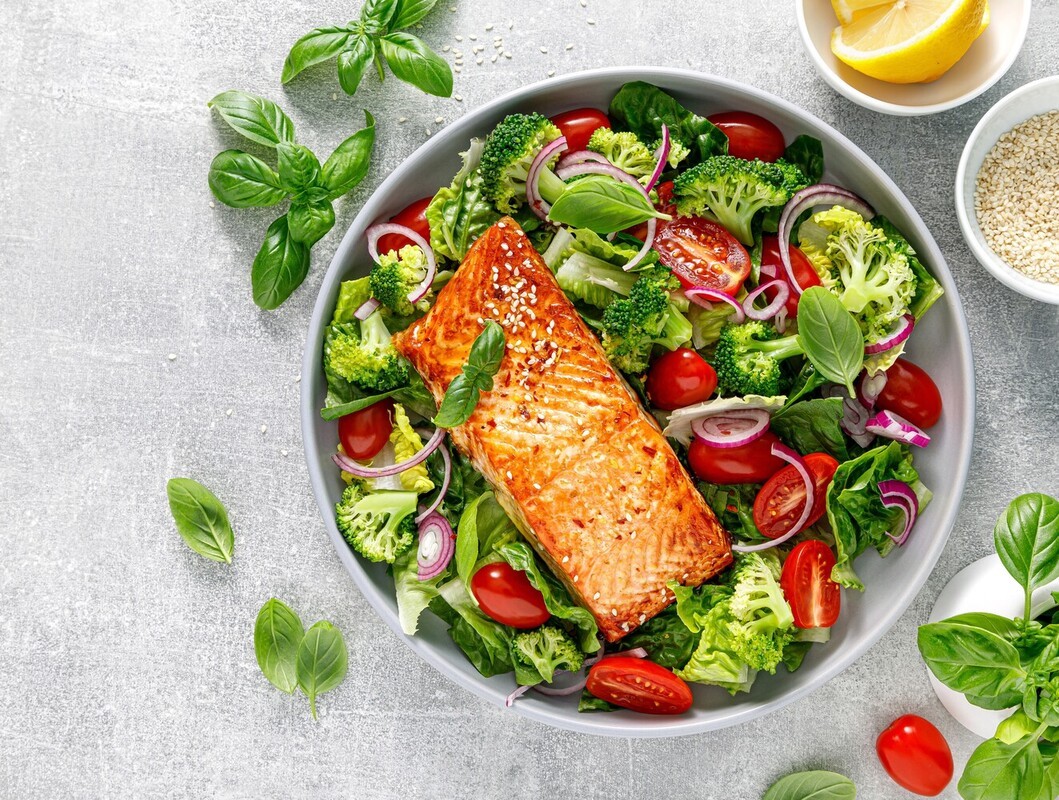 Pre-portioned make-ahead meals cut down on midweek cooking time and keep carb counts consistent
Credit: www.berrystreet.co
Pre-portioned make-ahead meals cut down on midweek cooking time and keep carb counts consistent
Credit: www.berrystreet.co
10+ Low Carb Make-Ahead Recipes for Every Meal
These tested, beginner-friendly recipes include net carb counts per serving, prep and cook times, and storage tips to fit your schedule.
Breakfast Recipes
- Spinach and Feta Egg Muffins: 2g net carbs per muffin, 15 mins prep, 20 mins bake. Made with eggs, fresh spinach, feta cheese, and diced bacon. Store in the fridge for 4 days or freeze for 2 months; reheat in the microwave for 60 seconds.
- Low Carb Chia Pudding: 3g net carbs per serving, 5 mins prep, 4 hours chill time. Made with unsweetened almond milk, chia seeds, vanilla extract, and a dash of cinnamon. Top with a few raspberries and chopped nuts before serving. Store in the fridge for 5 days; no reheating needed, perfect for grabbing on the go.
- Almond Flour Pancakes: 4g net carbs per serving, 10 mins prep, 5 mins cook. Made with almond flour, eggs, almond milk, and a pinch of baking powder. Top with sugar-free maple syrup or fresh berries. Store leftover pancakes in the fridge for 3 days or freeze for 1 month; reheat in the toaster oven for best texture.
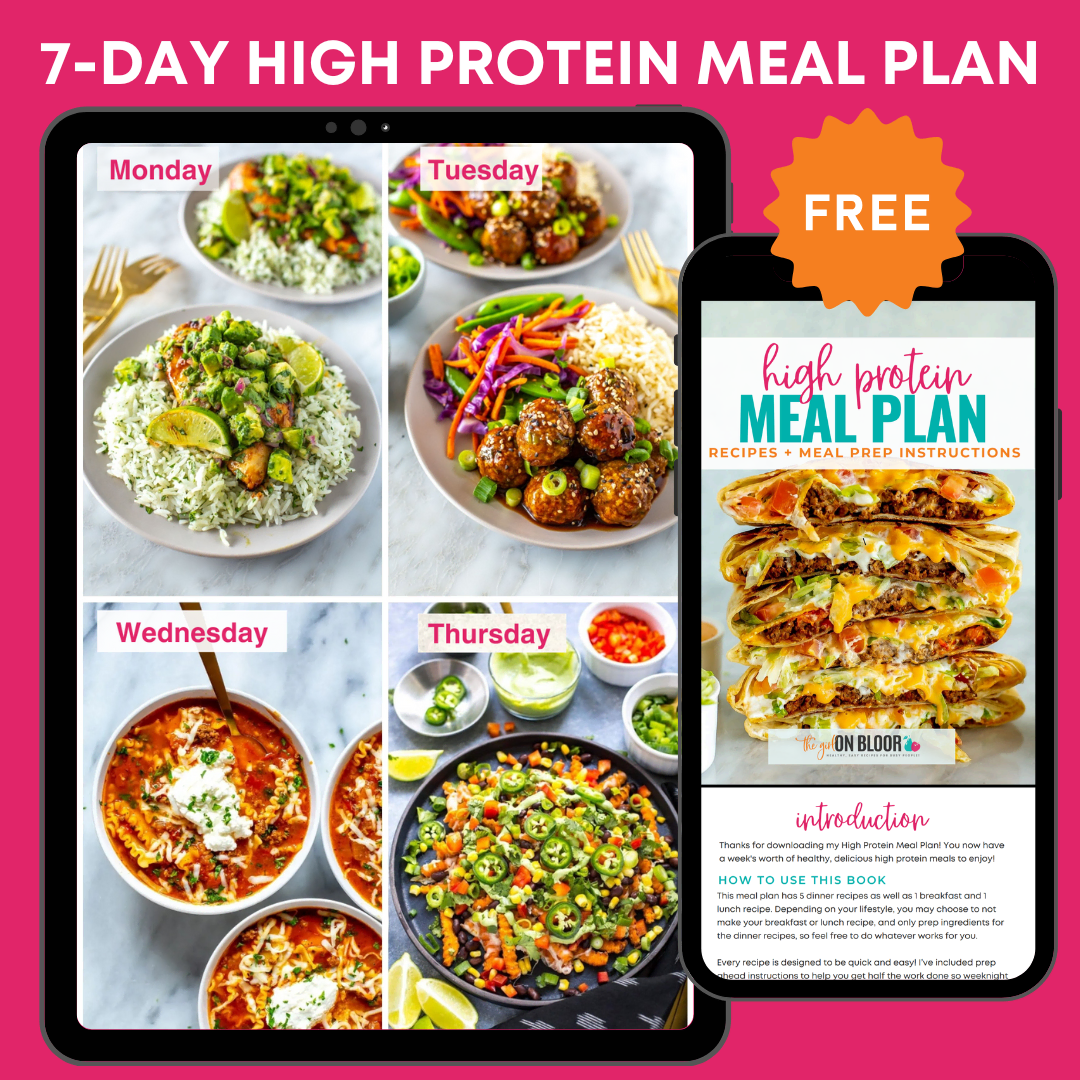 Egg muffins are a versatile, portable low carb breakfast that reheat in 60 seconds
Credit: thegirlonbloor.com
Egg muffins are a versatile, portable low carb breakfast that reheat in 60 seconds
Credit: thegirlonbloor.com
Lunch Recipes
- Cobb Salad Jars: 4g net carbs per serving, 15 mins prep, no cook. Layer hard-boiled eggs, diced bacon, avocado, cherry tomatoes, chopped spinach, and homemade ranch dressing (made with mayo, sour cream, and herbs) in a mason jar, with dressing on the bottom to keep greens crisp. Store in the fridge for 4 days; shake and eat cold, or heat the protein portion separately if preferred.
- Stuffed Bell Peppers: 6g net carbs per pepper, 20 mins prep, 25 mins bake. Fill halved bell peppers with ground beef, cauliflower rice, diced tomatoes, and mozzarella cheese, seasoned with Italian herbs. Store in the fridge for 4 days or freeze for 2 months; reheat in the oven or microwave.
- Zucchini Noodle Chicken Alfredo Bowls: 5g net carbs per serving, 15 mins prep, 10 mins cook. Toss spiralized zucchini noodles with grilled chicken, homemade Alfredo sauce (made with heavy cream, parmesan, and garlic), and roasted cherry tomatoes. Store in the fridge for 3 days; reheat gently on the stovetop to avoid soggy noodles.

Dinner Recipes
- One-Pan Lemon Garlic Salmon with Asparagus: 5g net carbs per serving, 10 mins prep, 15 mins cook. Season salmon fillets and asparagus spears with lemon juice, garlic, olive oil, and paprika, then roast together on a single sheet pan for minimal cleanup. Store in the fridge for 3 days; reheat in the oven to preserve the salmon’s texture.
- Slow Cooker Beef and Cauliflower Stew: 7g net carbs per serving, 10 mins prep, 8 hours cook on low. Combine cubed beef, cauliflower florets, beef broth, diced tomatoes, and thyme in a slow cooker for a hands-off, comforting meal. Store in the fridge for 4 days or freeze for 3 months; reheat on the stovetop or in the microwave.
- Cauliflower Crust Pizza: 8g net carbs per slice, 30 mins prep, 15 mins bake. Make a crust from riced cauliflower, parmesan, eggs, and Italian herbs, then top with sugar-free tomato sauce, mozzarella, and your favorite low carb toppings like pepperoni or mushrooms. Store leftover slices in the fridge for 3 days or freeze for 2 months; reheat in the air fryer for a crispy crust.
Low Carb Snacks and Sides to Keep On Hand
Snacks are often the trickiest part of sticking to a low carb diet, but having pre-portioned, low carb options on hand makes it easy to avoid high-carb processed snacks when hunger strikes.
Quick Veggie Snacks
Keep pre-cut celery, cucumber, and bell pepper sticks in the fridge for 0-1g net carbs per serving. For a crunchy, savory alternative, roast zucchini slices or kale leaves seasoned with sea salt and smoked paprika for 2g net carbs per serving. Pair with a 2-tablespoon serving of guacamole (1g net carbs) for extra healthy fats to keep you full between meals.
Cheese and Nut Options
Pre-portion 1oz servings of almonds, walnuts, or macadamia nuts (2g net carbs per serving) to avoid overeating. String cheese or cubed cheddar (0g net carbs per serving) pairs well with veggie sticks or can be eaten on its own for a quick, protein-packed snack. For a crunchy, salty option, bake thin slices of parmesan cheese for 5 minutes at 400°F to make cheese crisps (0g net carbs per serving). For families, these make-ahead snacks pair well with childproof drawer latches to keep treats out of reach of little ones between scheduled meals.
Dips and Spreads
Make a batch of homemade spinach artichoke dip (2g net carbs per ¼ cup serving) with cream cheese, spinach, and parmesan to keep in the fridge for dipping veggies or cheese crisps. Low carb pesto (1g net carbs per tablespoon) and sugar-free salsa (0g net carbs per ¼ cup) add variety to snacks and meals alike. Store dips in airtight containers for up to 5 days.
Common Low Carb Meal Prep Mistakes to Avoid
Small, avoidable errors can make meal prep less effective or lead to unexpected carb intake. Steer clear of these common pitfalls:
Hidden Carbs in Packaged Foods
Many "low carb" packaged foods, including protein bars, salad dressings, and condiments, contain hidden added sugars, starches, and sugar alcohols that can add 5-10g of net carbs per serving. Always read nutrition labels carefully, and prioritize whole, unprocessed ingredients whenever possible. Common hidden carb culprits include ketchup, BBQ sauce, and flavored yogurt, which can have 10+ grams of sugar per serving even if they’re marketed as "healthy".
Inadequate Fat Intake
A common mistake for new low carb eaters is cutting out fat alongside carbs, which leads to hunger, fatigue, and cravings. On a standard low carb diet, 60-70% of your daily calories should come from healthy fats to keep you full and energized. If you find yourself snacking constantly, add an extra serving of avocado, olive oil, or nuts to your meals to boost fat intake.
Prepping Meals That Don’t Hold Up
Some low carb meals, like crispy fried chicken or salads with crunchy toppings (like croutons or nuts), get soggy when stored in the fridge. To avoid this, store crispy toppings separately and add them right before eating, and opt for recipes that reheat well, like casseroles, sheet pan meals, and slow cooker dishes. Another common mistake is not pre-portioning meals, which leads to overeating and inconsistent carb counts – always portion meals into single-serve containers when you finish prepping. A sturdy scrub brush makes quick work of stuck-on cheese or sauce from baking sheets after you’ve finished batch cooking.
Skipping Meal Variety
Eating the same 2-3 meals every week leads to boredom and increases the risk of falling off your low carb plan. Rotate proteins, vegetables, and spices regularly to keep meals interesting, and try one new recipe each week to expand your repertoire. In practice, people who eat a variety of low carb foods are far more likely to stick to their dietary goals long-term than those who eat the same meals daily. Wipe down countertops with a kitchen wall cleaning brush to remove any sticky residue from chopped produce or sauce spills after your prep session to keep your kitchen clean and sanitary for future prep sessions.
Frequently Asked Questions
What Are The Best Low Carb Make Ahead Meals?
The best low carb make-ahead meals are ones that hold up well in the fridge and freezer, and reheat without losing texture. Top options include casseroles, sheet pan meals, slow cooker dishes, and jarred salads. Avoid recipes with crispy fried components or high-water content vegetables like lettuce or cucumber, as these get soggy when stored. Popular beginner-friendly options include egg muffins, stuffed bell peppers, and slow cooker beef stew, all of which have 7g net carbs or less per serving and store well for 4+ days.
How Long Do Low Carb Make Ahead Meals Last?
Most low carb make-ahead meals last 3-5 days in the fridge when stored in airtight containers at 40°F or below. Meals with seafood or soft cheeses (like goat cheese or brie) have a shorter shelf life of 2-3 days, as they spoil faster than meat or hard cheese. For longer storage, freeze meals for up to 3 months; thaw frozen meals in the fridge overnight before reheating for best texture and flavor. Always discard any meal that has an off smell, slimy texture, or visible mold.
Can I Freeze Low Carb Make Ahead Meals?
Yes, most low carb make-ahead meals freeze exceptionally well, especially casseroles, slow cooker dishes, and cooked proteins. Avoid freezing meals with high-water content ingredients like lettuce, cucumber, or sour cream, as these become watery and mushy when thawed. To freeze properly, portion meals into individual freezer-safe containers or bags, remove as much air as possible to avoid freezer burn, and label with the date and contents. Thaw frozen meals in the fridge overnight, then reheat as directed for best results.
Are Low Carb Make Ahead Meals Healthy For Weight Loss?
Yes, low carb make-ahead meals are a highly effective tool for weight loss when planned properly. The Academy of Nutrition and Dietetics confirms that well-planned low carb eating patterns support sustainable weight loss by reducing overall calorie intake, stabilizing blood sugar levels, and reducing cravings for high-sugar processed foods. Meal prepping also eliminates the temptation to reach for high-calorie takeout or snacks when you’re short on time, and pre-portioning meals helps control portion sizes to avoid overeating. For best results, pair low carb make-ahead meals with regular physical activity and adequate hydration.
Final Tips for Long-Term Success
Low carb make-ahead meals are one of the simplest, most effective tools for sticking to your dietary goals without sacrificing time, flavor, or convenience. By dedicating 1-2 hours on weekends to batch cooking, you can cut midweek cooking time by 50% or more, reduce food waste, save money, and avoid the midweek energy crashes that often lead to diet slip-ups.
Start small if you’re new to meal prep: begin by prepping just 2 meals per week, like egg muffins for breakfast and a batch of slow cooker stew for dinner, then gradually add more options as you get comfortable. Focus on recipes that use overlapping ingredients to simplify shopping and reduce waste, and don’t be afraid to swap ingredients to match your taste preferences – low carb eating should be enjoyable, not restrictive.
For more low carb cooking tips and recipe inspiration, check out our blog’s library of low carb guides to build a routine that works for your lifestyle.
Ready to streamline your low carb routine this weekend? Pick one recipe from this guide to try, and you’ll have delicious, low carb meals ready to go before the work week starts.

I’m Abby Lu, a passionate home cook who loves simplifying everyday meals. At PlugChef.com, I share product reviews and cooking guides to help you find the best tools for your kitchen.
Related posts:
 How to Make a Fruit Basket for a Gift: Easy DIY Guide
 Do You Need a Basket? Essential Guide for Air Fryers
 What Blenders Do Tropical Smoothie Use: Expert Insights
Stainless Steel Vs White Kitchen Appliances: Ultimate Showdown
What Blenders Do Tropical Smoothie Use: Expert Insights
Stainless Steel Vs White Kitchen Appliances: Ultimate Showdown
 Kitchen Appliances for Wedding Registry: Must-Have Essentials
 Top 10 Best Non-Toxic Cooking Utensils – Safe & Durable Choices for Healthy Homes

