
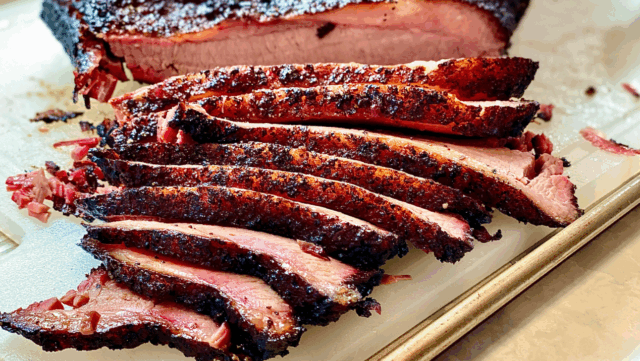
You’ve got that delicious BBQ brisket leftover, and now you’re wondering how to reheat it without losing its juicy, smoky flavor. Reheating brisket can be tricky—too dry, and it’s ruined; too cold, and it’s no fun to eat.
But don’t worry. You’ll discover easy, foolproof ways to bring your brisket back to life, making it taste just as amazing as when it first came off the grill. Keep reading, and you’ll never have to settle for dry, tough brisket again.

Credit: argentineasado.com
Choosing The Right Reheating Method
Choosing the right reheating method for BBQ brisket helps keep it juicy and tender. Different techniques work best depending on your time and tools. Some methods preserve the smoky flavor better. Others are quicker but may dry the meat. Understanding each option helps pick the best one for your needs.
Oven Reheating
The oven is great for even reheating. Preheat to a low temperature, around 250°F (120°C). Wrap the brisket in foil to keep moisture inside. Heat for about 20-30 minutes, depending on the size. Check often to avoid drying out the meat. This method keeps the brisket tender and flavorful.
Stovetop Techniques
Use a heavy skillet or pan for stovetop reheating. Add a little beef broth or water to the pan. Cover with a lid to trap steam and heat gently. Heat on low to medium heat to avoid burning. Stir occasionally and watch closely to keep the brisket moist.
Microwave Tips
The microwave is the fastest way to reheat brisket. Slice the meat thin to heat evenly. Place in a microwave-safe dish and cover with a damp paper towel. Heat in short bursts of 30 seconds, checking often. This prevents overcooking and keeps the brisket soft.
Using A Slow Cooker
The slow cooker is ideal for reheating large brisket pieces. Add a bit of broth or sauce to keep it moist. Set to low heat and cover. Reheat for 2-3 hours until warm throughout. This method keeps the meat tender and absorbs flavors well.
Credit: www.thegrillcoach.com
Preparing Brisket For Reheating
Preparing your brisket properly before reheating can make all the difference between a dry, tough bite and a juicy, flavorful experience. The key is to focus on preserving moisture and ensuring even heat distribution. Small steps taken before warming up your BBQ brisket set the stage for a delicious meal that tastes almost as good as fresh.
Trimming Excess Fat
Start by checking your brisket for any thick layers of fat. While some fat adds flavor and moisture, too much can cause uneven reheating and greasy spots.
Trim away large chunks of hard fat that won’t render down during reheating. This helps the heat penetrate the meat more evenly and prevents unpleasant chewiness.
Adding Moisture
Brisket can dry out quickly when reheated. To keep it juicy, add moisture before warming it up.
Try brushing the meat with beef broth, a bit of barbecue sauce, or even apple juice. These liquids help maintain tenderness and boost flavor.
Think about your favorite brisket texture. Wouldn’t you want to keep that same juicy mouthfeel on your leftovers?
Wrapping For Even Heating
Wrapping your brisket correctly ensures it heats evenly and stays moist.
- Use aluminum foil to wrap the brisket tightly but leave a small air pocket inside.
- You can also add a splash of liquid inside the foil for extra steam.
- Some prefer wrapping it in parchment paper first, then foil, for a gentler heat barrier.
Proper wrapping traps steam, which warms the brisket without drying it out. Have you tried different wrapping methods to see which keeps your brisket best?
Oven Reheating Steps
Reheating BBQ brisket in the oven is one of the best ways to maintain its juicy texture and rich flavor. The key lies in controlling the heat and moisture to prevent drying out the meat. Let’s walk through the steps that help you revive your brisket to its delicious best.
Setting Temperature
Set your oven to a low temperature, ideally between 250°F and 300°F (120°C to 150°C). This gentle heat warms the brisket evenly without cooking it further or drying it out. Have you ever tried cranking up the heat only to end up with tough, chewy meat? Keeping it low and slow in the oven is the secret to avoiding that.
Using Foil Wrap
Wrap your brisket tightly in aluminum foil before placing it in the oven. This traps the moisture, creating a mini steam environment that keeps the meat tender. If you want to add a splash of beef broth or a bit of BBQ sauce inside the foil, it will enhance the juiciness even more.
Monitoring Internal Temperature
Use a meat thermometer to check the internal temperature as the brisket reheats. Aim for about 160°F (70°C) to ensure it’s heated through but not overcooked. Have you noticed how brisket can dry out quickly if left too long? Watching the temperature closely helps you serve brisket that’s warm and succulent every time.
Stovetop Reheating Tips
Gently warm BBQ brisket on low heat with a splash of broth to keep it moist. Cover the pan to trap steam and heat evenly. Stir occasionally to prevent burning and keep flavors fresh.
Reheating BBQ brisket on the stovetop can be a quick and effective method to bring back that delicious smoky flavor. Whether you’re working with a few slices or a whole brisket, this approach allows you to control the reheating process with precision. Here are some stovetop reheating tips that can make your brisket taste almost as good as when it first came off the grill.Choosing The Right Pan
Selecting the right pan is crucial for even reheating. A heavy-bottomed skillet or a cast-iron pan is ideal as they distribute heat evenly. Avoid non-stick pans as they can overheat the meat and alter its texture.Adding Liquid For Steam
Adding a bit of liquid helps to keep the brisket moist. Consider using beef broth, apple juice, or even a splash of water. Just a few tablespoons in the pan can create steam, preventing the meat from drying out.Controlling Heat Levels
Keep the heat low to moderate to gently warm the brisket without overcooking it. High heat can make the meat tough and chewy. Aim for a gentle sizzle, and cover the pan to trap the steam, which helps in evenly reheating the brisket. This method not only preserves the juiciness but also enhances the flavors. Have you ever noticed how flavors seem to deepen after a day or two? This reheating method captures that essence, making your brisket taste just as satisfying.Microwave Reheating Guide
Microwaving BBQ brisket can be a quick way to enjoy your leftovers without sacrificing too much flavor or texture. However, doing it right is crucial to avoid dry, tough meat or uneven heating. The key lies in how you prepare the brisket before microwaving and how you manage the cooking settings.
Using Microwave-safe Containers
Choose a microwave-safe container that fits your brisket slices comfortably without overcrowding. Glass or ceramic dishes work best because they distribute heat evenly and won’t leach chemicals into your food.
Plastic containers can be convenient but ensure they are labeled microwave-safe to avoid melting or releasing harmful substances. Avoid using metal or containers with metallic trims, as they can cause sparks and damage your microwave.
Covering And Venting
Cover the brisket with a microwave-safe lid or microwave-safe plastic wrap to trap steam. This helps keep the meat moist and prevents it from drying out during reheating.
Make sure to leave a small vent or opening to allow steam to escape, which prevents pressure build-up and uneven heating. If you forget to vent, have you noticed how some parts of the brisket get hotter while others stay cold?
Adjusting Power Settings
Lower the microwave’s power to about 50-70% instead of using full power. Slower heating lets the brisket warm through gently, preserving tenderness and juiciness.
Heat the brisket in short intervals of 30 to 45 seconds, checking and flipping the meat between bursts. This method reduces the risk of overcooking and allows you to control the temperature more precisely.
Slow Cooker Reheating Method
The slow cooker reheating method is perfect if you want your BBQ brisket to stay tender and juicy. It warms the meat evenly without drying it out, making it feel like it’s freshly smoked. This technique is especially handy when you have leftover brisket and want to enjoy it the next day with minimal fuss.
Preparing The Slow Cooker
Start by slicing the brisket into thick pieces to ensure even heating. Place the slices in the slow cooker in a single layer if possible. Add a splash of beef broth or your favorite BBQ sauce to keep the meat moist during reheating.
Cover the slow cooker with its lid to trap steam and heat. This creates a gentle environment that prevents the brisket from drying out. Avoid adding too much liquid; just enough to create a little steam works best.
Timing And Temperature
Set your slow cooker to the low setting for the best results. Reheat the brisket for about 2 to 3 hours depending on the amount and thickness of the meat. If you’re in a hurry, the high setting can be used, but check frequently to avoid overcooking.
Use a meat thermometer if you’re unsure—aim for an internal temperature of around 140°F (60°C) to serve. This ensures the brisket is warmed through without continuing to cook it further, which can make it tough.
Maintaining Juiciness
One trick I’ve learned is to add a few tablespoons of water or broth around the brisket, not directly on top. This helps create steam without washing away the seasoning or sauce on the meat. Keeping the lid on tight throughout reheating locks in moisture.
Another tip is to stir the brisket gently halfway through reheating. This helps distribute the juices evenly and prevents any pieces from drying out. Have you ever noticed how reheated brisket can feel dry? This method keeps that from happening.
Tips To Keep Brisket Juicy
Keeping your BBQ brisket juicy during reheating can be tricky, but it’s definitely doable with the right approach. Dry, tough brisket is a common problem that ruins the whole eating experience. The key is to maintain moisture without overcooking, so you get tender, flavorful meat every time.
Avoiding Overheating
Overheating dries out brisket quickly because it continues to cook the meat beyond its optimal point. Use low and slow heat methods to warm your brisket gently. For example, reheating in the oven at 250°F (120°C) allows the meat to heat through without losing its juices.
Have you ever noticed how quickly your brisket turns tough in the microwave? That’s because microwaves heat unevenly and create hot spots that cook parts of the meat too much. Instead, consider wrapping the brisket in foil to trap steam and heat evenly.
Using Broth Or Sauce
Adding a bit of liquid like broth or BBQ sauce during reheating keeps the brisket moist. Pour some beef broth or your favorite sauce over the meat before wrapping it in foil. This extra moisture turns into steam inside the foil, preventing the brisket from drying out.
You don’t need a lot—just a few tablespoons will do. Think of it as giving the meat a little bath to refresh its texture and flavor. This simple trick can transform leftover brisket from dry to delicious.
Resting After Reheating
Resting the brisket for a few minutes after reheating is just as important as the reheating process itself. Resting lets the juices redistribute evenly throughout the meat, avoiding any dry spots. Try letting your brisket sit covered for 5 to 10 minutes before slicing.
Have you ever cut into hot brisket and seen all the juices run out onto the plate? That’s a sign it wasn’t rested long enough. Giving the meat time to relax locks in moisture and improves every bite.
Common Mistakes To Avoid
Reheating BBQ brisket might seem simple, but many people make avoidable mistakes that ruin its flavor and texture. These errors can leave your brisket dry, tough, or unevenly heated. Knowing what to avoid helps you keep that tender, smoky goodness intact every time you warm it up.
Reheating Without Moisture
One of the biggest mistakes is reheating brisket without adding any moisture. Brisket is a cut that dries out quickly if you don’t keep it moist during reheating.
Try adding a splash of beef broth, water, or even a bit of sauce to the pan or wrapping the brisket tightly in foil with some liquid. This traps steam and keeps the meat juicy. Without moisture, your brisket can turn into a dry, chewy disappointment.
Using Too High Heat
Turning the heat up too high might seem like a quick fix, but it often backfires. High heat can cause the edges to burn while the center stays cold or becomes tough.
Instead, use low and slow heat to warm your brisket evenly. Patience pays off here—slow reheating helps maintain tenderness and flavor.
Skipping Rest Period
After reheating, many rush to slice and serve immediately. This is a mistake.
Let your brisket rest for 5 to 10 minutes after heating. This allows the juices to redistribute, ensuring each bite is moist and flavorful. Have you noticed brisket that dries out right after cooking? Resting fixes that problem.

Credit: argentineasado.com
Frequently Asked Questions
How Do You Reheat Bbq Brisket Without Drying It Out?
To avoid dryness, reheat BBQ brisket slowly at low heat. Wrap it in foil and add moisture like beef broth. Use an oven set to 250°F and heat for 20-30 minutes until warmed through.
Can I Reheat Bbq Brisket In A Microwave?
Yes, but do it carefully. Slice the brisket, place it in a microwave-safe dish, and cover it. Use medium power and heat in short intervals to keep it juicy and tender.
Is It Better To Reheat Brisket In The Oven Or Smoker?
Reheating in the oven is quicker and keeps brisket moist. Using a smoker adds flavor but takes longer. Choose based on your time and taste preference.
How Long Should I Reheat Bbq Brisket?
Reheat at 250°F for 20-30 minutes if using an oven. For microwaving, heat in 1-2 minute bursts until warm. Avoid overheating to maintain tenderness and juiciness.
Conclusion
Reheating BBQ brisket does not have to be hard. Use the right method to keep it juicy and tender. Avoid drying it out by adding moisture or wrapping it well. Choose the way that fits your time and tools. Enjoy your brisket just like it was fresh.
Now you can savor every bite, even the next day. Simple steps make your leftovers taste great again.

I’m Abby Lu, a passionate home cook who loves simplifying everyday meals. At PlugChef.com, I share product reviews and cooking guides to help you find the best tools for your kitchen.
Related posts:
 What Type of Cooking Utensils are Safe: Expert Picks
 What Innovations Could Blenders Make: Unleashing Future Tech
 Smart Strategies to Organize a Small Kitchen: Maximize Space
 How to Organize a Kitchen Cabinet: Expert Tips & Tricks
 How to Organize Kitchen Drawers: Expert Tips and Tricks
 How to Organize a Corner Kitchen Cupboard: Expert Tips

