
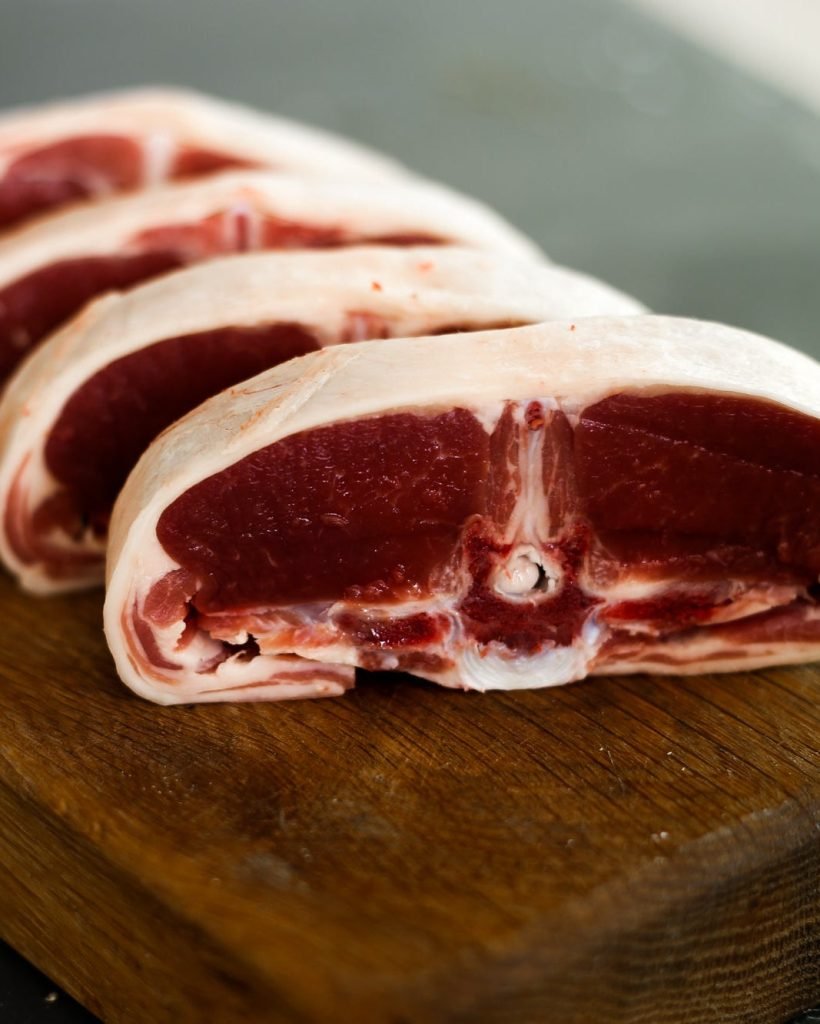
Are you ready to enjoy the perfect lamb chops but unsure how to order them just right? Whether you’re dining out or buying from a butcher, knowing exactly what to ask for can make all the difference.
You want tender, juicy meat cooked to your liking without any confusion or disappointment. This guide will help you feel confident and clear when ordering lamb chops, so your meal turns out delicious every time. Keep reading to discover simple tips that will change the way you order lamb chops forever.
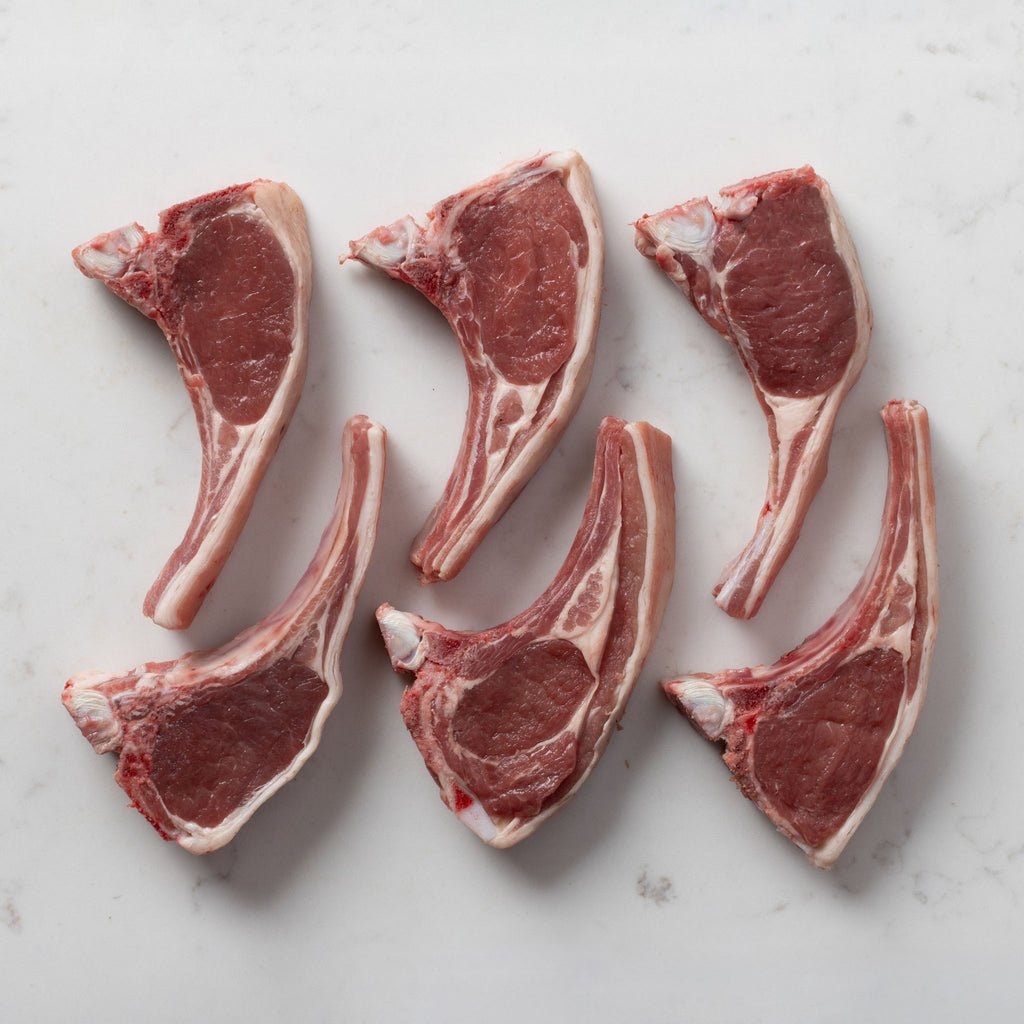
Credit: www.salterandking.co.uk
Choosing The Right Cut
Choosing the right cut of lamb chops makes a big difference in taste and texture. Each cut offers unique flavors and cooking methods. Knowing these cuts helps you enjoy the best lamb experience.
Loin Vs Rib Chops
Loin chops come from the back of the lamb. They are lean and tender with a mild flavor. Rib chops come from the rib section. They have more fat and a richer taste. Rib chops are often called “rack of lamb” when left whole.
Bone-in Or Boneless
Bone-in chops keep more flavor and stay juicy during cooking. The bone adds extra taste and looks great on the plate. Boneless chops cook faster and are easier to eat. Choose bone-in for flavor and boneless for convenience.
Fat Content And Marbling
Fat adds flavor and keeps meat moist. Look for marbling—thin white streaks of fat inside the meat. More marbling means a tender, juicy chop. Too much fat can be greasy. Pick chops with even fat for the best balance.
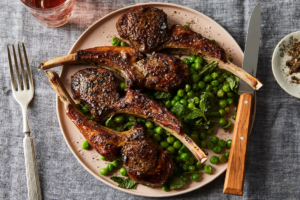
Credit: www.salon.com
Selecting Quality Lamb
Choosing the right lamb chops starts with selecting quality lamb. The taste, tenderness, and overall experience depend heavily on what you pick. Knowing what to look for can transform a simple meal into something memorable.
Freshness Indicators
Fresh lamb should have a light pink to deep red color, depending on the cut. Avoid any meat that looks grayish or has dark spots, as these are signs of age or poor storage.
Touch the meat if possible—it should be firm but springy, not slimy or sticky. Also, check the smell; fresh lamb has a mild, slightly sweet aroma, not a strong or sour odor.
Grass-fed Vs Grain-fed
Grass-fed lamb tends to be leaner with a more pronounced, earthy flavor. It’s often preferred for its natural diet and richer nutrient profile.
Grain-fed lamb, on the other hand, usually has more marbling, making it juicier and milder in taste. Think about what you want: bold flavor or tender juiciness?
Organic And Ethical Sources
Organic lamb means the animal was raised without synthetic pesticides or hormones, which can affect both taste and health. It’s worth seeking out if you prioritize clean eating.
Ethical sourcing also includes animal welfare and sustainable farming practices. Supporting farms that treat animals humanely often results in better meat quality and a clearer conscience.
Portion Sizes And Serving
Lamb chops are a delicious and elegant dish. Knowing the right portion sizes ensures a satisfying meal. Whether dining alone or hosting, the right serving makes all the difference.
Recommended Serving Size
The average serving size for lamb chops is about 6 ounces. This includes bone and meat. Each chop is usually around 2 to 3 ounces. Most diners feel satisfied with two to three chops per meal. This allows room for side dishes and dessert.
Number Of Chops Per Person
Plan on two to three lamb chops per person. This depends on appetite and sides. If serving hearty sides, two chops may be enough. For lighter sides, consider offering three chops.
Pairing With Side Dishes
Lamb chops pair well with various sides. Consider roasted vegetables or a fresh salad. Creamy mashed potatoes are a popular choice. Grilled asparagus adds a nice touch. Choose sides that complement the rich flavor of lamb.
Cooking Preferences
Choosing the right cooking preferences for your lamb chops can transform a simple meal into a memorable dining experience. Your choice of doneness, seasoning, and cooking method will shape the flavor and texture on your plate. Understanding these options helps you order lamb chops exactly how you like them, making your meal truly satisfying.
Popular Doneness Levels
Lamb chops are best enjoyed at specific doneness levels that balance tenderness and flavor. Most people prefer lamb chops cooked to medium-rare or medium, where the meat stays juicy and pink inside.
- Rare:Warm red center, very tender but softer texture.
- Medium-Rare:Warm pink center, juicy and flavorful—often the chef’s recommendation.
- Medium:Slightly pink center, firmer texture yet still tender.
- Well-Done:Fully cooked through, firmer and less juicy—choose only if you prefer no pink meat.
Have you noticed how a slight change in doneness can completely alter the taste? Try different levels to find your personal favorite.
Seasoning And Marinades
Seasoning can either highlight the natural flavor of lamb or add an exciting twist. Simple salt and pepper work wonders, but herbs like rosemary, thyme, and garlic are classic companions.
Marinades with lemon juice, olive oil, and spices can tenderize and infuse your lamb with vibrant flavors. A quick tip: marinate for at least an hour, but avoid over-marinating to keep the texture intact.
- Garlic and rosemary for a traditional taste
- Spicy chili and cumin for a bold kick
- Yogurt-based marinades to tenderize and add creaminess
Think about what flavors excite your palate—do you want your lamb chops smoky, herby, or zesty?
Grilling Vs Pan-seared
Both grilling and pan-searing bring out different qualities in lamb chops. Grilling adds a smoky char and crisp edges that many find irresistible.
Pan-searing, on the other hand, offers precise control over cooking and produces a beautifully caramelized crust. You can finish pan-seared chops in the oven for even cooking.
| Grilling | Pan-Seared |
|---|---|
| Smoky flavor with grill marks | Rich crust with controlled heat |
| Best for outdoor cooking and social meals | Great for indoor cooking and precise timing |
| Requires preheated grill and oiling | Needs a heavy pan and moderate heat |
Which method suits your cooking style better? Try both and see how the flavors change.
Ordering At A Restaurant
Ordering lamb chops at a restaurant can be a delightful experience when you know exactly what to ask and how to customize your meal. Being clear and confident in your order helps you enjoy the dish just the way you like it. Plus, pairing your lamb chops with the right drink can elevate your dining experience to a whole new level.
Asking The Right Questions
Don’t hesitate to ask the server about the cut and preparation of the lamb chops. Are they from the rib or loin? How are they seasoned or marinated? Knowing these details helps you choose the flavor profile you prefer.
Ask about the cooking style too. Would you like them rare, medium, or well-done? Some restaurants have signature sauces or sides that complement the lamb—find out what they recommend.
Customizing Your Order
Feel free to request specific modifications. Want your lamb chops with extra garlic or a side of roasted vegetables instead of fries? Speak up.
Some chefs appreciate when diners request a particular herb crust or ask for a lighter sauce. This lets you tailor your dish without overwhelming the kitchen.
Wine And Beverage Pairings
Pairing wine with lamb chops can bring out the best flavors. Red wines like Cabernet Sauvignon or Syrah often match the rich taste of lamb.
If you prefer something lighter, a full-bodied white like Chardonnay can also work. Don’t forget to ask the sommelier or server for their recommendations—they might suggest a local favorite you haven’t tried before.
Avoiding Common Mistakes
Ordering lamb chops can be simple. Avoiding common mistakes ensures a great meal. Many people miss key points that affect taste and satisfaction. Small errors can spoil the experience. Knowing what to watch for helps you enjoy every bite.
Overcooking Pitfalls
Lamb chops cook fast. Overcooking makes them dry and tough. Aim for medium-rare or medium for best flavor. Use a meat thermometer for accuracy. The ideal temperature is 135°F for medium-rare. Rest the meat before eating to keep juices inside.
Misjudging Portions
Ordering too many or too few chops wastes food or leaves you hungry. A good serving is usually 2 to 3 chops per person. Consider appetite and side dishes. Lamb chops are rich and filling. Start with less and add more if needed.
Ignoring Texture And Flavor
Texture tells you if the meat is fresh and cooked well. Look for a tender, slightly pink center. Flavor changes with seasoning and cooking method. Ask about spices or marinades used. Fresh lamb has a mild, slightly sweet taste. Avoid overly strong flavors that mask the meat.

Credit: sanagansmeatlocker.com
Frequently Asked Questions
How Do I Choose The Best Lamb Chops?
Select lamb chops with firm, pinkish-red meat and white fat. Look for fresh, tender cuts with a mild smell. Choose chops with even thickness for uniform cooking. Opt for bone-in chops for more flavor and juiciness.
What Is The Ideal Cooking Temperature For Lamb Chops?
Cook lamb chops at medium-high heat, around 375°F (190°C). Aim for an internal temperature of 145°F (63°C) for medium-rare. Use a meat thermometer for accuracy. Rest chops 5 minutes before serving to retain juices.
How Long Should I Marinate Lamb Chops?
Marinate lamb chops for at least 30 minutes to 4 hours. Longer marinating enhances flavor and tenderness without overpowering the meat. Use acidic ingredients like lemon or yogurt for best results. Avoid marinating more than 24 hours to prevent texture changes.
Can I Order Lamb Chops Online Safely?
Yes, order lamb chops online from trusted butchers or grocery stores. Check for freshness guarantees and proper packaging. Choose vendors with good reviews and fast shipping options. Always refrigerate immediately upon delivery.
Conclusion
Ordering lamb chops can be simple and enjoyable. Choose the cut and cooking style you like. Ask the server about doneness and seasoning options. Remember to consider portion sizes to avoid waste. Enjoy the rich, tender flavor of lamb chops.
Trying new dishes can be fun and tasty. Keep these tips in mind for your next meal. Lamb chops can make any dinner special and satisfying. Give it a try and enjoy every bite.

Hi, I’m Daniel Brooks—a food lover and kitchen gear enthusiast. I enjoy testing cookware, utensils, and gadgets to see what really works in everyday cooking. At PlugChef.com, I share honest reviews, comparisons, and simple guides to help you choose the best tools for a safer, smarter, and more enjoyable kitchen.
Related posts:
 What Type of Cooking Utensils are Safe: Expert Picks
 What Innovations Could Blenders Make: Unleashing Future Tech
 Smart Strategies to Organize a Small Kitchen: Maximize Space
 How to Organize a Kitchen Cabinet: Expert Tips & Tricks
 How to Organize Kitchen Drawers: Expert Tips and Tricks
 How to Organize a Corner Kitchen Cupboard: Expert Tips

