
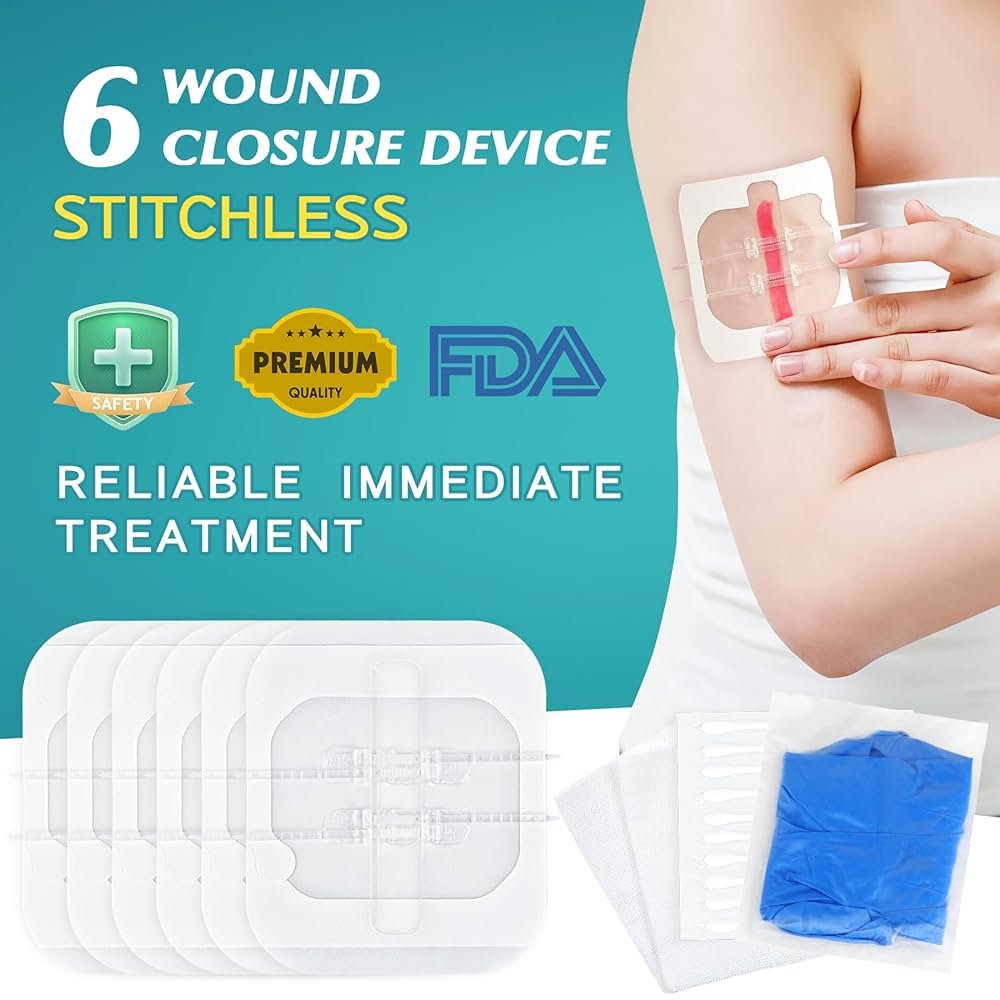
Imagine a moment when you or someone you care about gets a cut, scrape, or burn. What do you reach for first?
Having a well-stocked wound care first aid kit right at your fingertips can make all the difference between a quick recovery and a painful, prolonged injury. This isn’t just about bandages—it’s about being ready to protect your health and peace of mind instantly.
You’ll discover exactly what your wound care first aid kit needs and why each item matters to keep you safe and confident in any situation. Keep reading—your next step toward smarter, faster care starts here.

Credit: us.amazon.com
Choosing The Right Kit
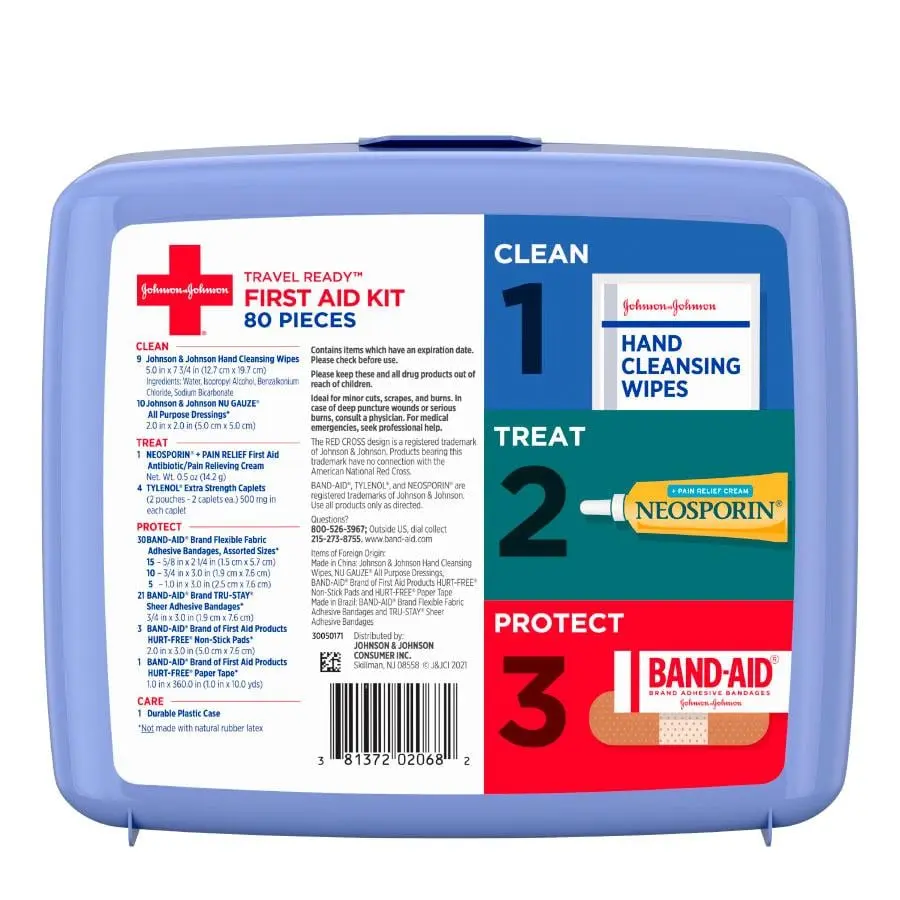
Choosing a wound care first aid kit means finding one with essential items like bandages, antiseptics, and gloves. A good kit helps treat cuts and scrapes quickly and safely. Always pick a kit that fits your needs and is easy to carry.
Choosing the right wound care first aid kit is essential. It ensures you’re prepared for any injury. With the right kit, minor wounds can be treated effectively. Consider the kit’s contents carefully to cater to different wound scenarios. Here, we’ll explore the essentials of choosing a kit that suits your needs.Basic Supplies To Include
Every first aid kit should contain basic supplies. These are crucial for treating common injuries. Look for kits with:- Antiseptic wipes or solution
- Band-aids in various sizes
- Gauze pads and rolls
- Adhesive tape
- Scissors and tweezers
- Disposable gloves
Specialized Items For Different Wounds
Some wounds need special care. Specialized items can address these needs. Consider kits that include:- Burn ointment for burn injuries
- Cold packs for sprains and bruises
- Butterfly closures for deep cuts
- Hemostatic agents for bleeding control
- Eye wash for eye injuries
Portable Vs. Home Kits
Choose between portable and home kits. Each serves different purposes. Portable kits are compact and easy to carry. Ideal for travel and outdoor activities. Home kits are larger with more supplies. Suitable for comprehensive care at home. Evaluate your lifestyle and needs. Decide which kit fits best. Selecting the right kit ensures readiness for emergencies. It empowers you to handle wounds effectively.Cleaning And Disinfecting Wounds
Cleaning and disinfecting wounds is a crucial step in wound care first aid. It helps prevent infection and speeds healing. Proper cleaning removes dirt, debris, and bacteria from the wound. Disinfecting kills harmful germs that can cause complications. Doing this carefully reduces pain and protects the skin around the wound.
Safe Cleaning Techniques
Use clean, running water to rinse the wound gently. Avoid harsh scrubbing to prevent tissue damage. If needed, use mild soap around the wound, but not inside it. Pat the area dry with a clean cloth or sterile gauze. Use sterile gloves if possible to avoid introducing bacteria.
Effective Antiseptics
Choose antiseptics that are gentle yet strong against germs. Common options include:
- Hydrogen peroxide (use sparingly, as it can irritate skin)
- Chlorhexidine solution
- Iodine-based solutions
- Alcohol wipes (avoid on deep wounds due to stinging)
Apply antiseptics with a clean cotton swab or gauze. Follow product instructions carefully for best results.
Avoiding Common Mistakes
- Do not use dirty water or unclean hands during cleaning.
- Avoid strong chemicals like bleach or undiluted alcohol.
- Do not ignore signs of infection like redness or pus.
- Never reuse bandages or cotton balls on the same wound.
- Do not close deep wounds before professional care.
Dressing And Bandaging Tips
Proper dressing and bandaging are crucial parts of effective wound care. They protect the injury from infection, control bleeding, and promote faster healing. Knowing how to select the right materials and apply them correctly can make a significant difference in your recovery process.
Selecting Proper Dressings
Choosing the right dressing depends on the type and severity of your wound. Use sterile gauze pads for minor cuts and abrasions, as they absorb fluids and keep the area clean. For burns or wounds that ooze, hydrocolloid or foam dressings provide a moist environment that speeds healing.
Always check the dressing’s size—too small won’t cover the wound adequately, while too large may cause discomfort. If you’re unsure, keep a variety of dressings in your first aid kit to suit different needs.
Bandaging Methods For Different Injuries
Different injuries require different bandaging techniques. For example, a sprained ankle benefits from an elastic bandage wrapped snugly but not too tight to maintain circulation. For finger cuts, a simple adhesive bandage or a small gauze pad secured with tape works well.
Try to immobilize larger wounds with a triangular bandage to prevent further injury. Remember, your bandage should hold the dressing in place without restricting blood flow. If you notice numbness or increased pain, loosen the bandage immediately.
When To Change Dressings
Changing dressings regularly is vital to prevent infection and monitor healing. Change your dressing at least once a day or whenever it becomes wet or dirty. If you spot increased redness, swelling, or a bad smell, change the dressing promptly and consult a healthcare professional if needed.
Don’t wait for discomfort before changing a dressing—clean, dry wounds heal faster. Have you ever noticed how a wet dressing can slow your healing? Keeping your wound dry and clean should always be your top priority.
Credit: www.band-aid.com
Managing Pain And Swelling
Managing pain and swelling effectively is crucial when you’re dealing with wounds. These symptoms can slow down healing and make daily tasks harder. Understanding how to control them with simple tools and techniques in your first aid kit can make a big difference in your recovery experience.
Over-the-counter Remedies
Pain relievers like ibuprofen or acetaminophen are often your first line of defense. They not only reduce pain but also help decrease inflammation around the wound. Always follow the dosage instructions on the package to avoid side effects.
Topical creams containing lidocaine or other numbing agents can provide localized relief. These are especially useful if your wound is in a sensitive area or if you need temporary pain control before cleaning or dressing the wound.
Cold Therapy Use
Applying a cold pack to the injured area can significantly reduce swelling and numb the pain. Wrap the cold pack in a cloth to prevent ice burn and apply it for 15-20 minutes at a time. Doing this several times a day can help control inflammation without medication.
Cold therapy is particularly effective within the first 48 hours after injury. Have you noticed how a simple ice pack can sometimes work better than a painkiller? That’s because it slows blood flow and limits swelling right where it starts.
When To Seek Medical Help
While managing pain and swelling at home is often enough, some signs mean you should see a doctor. If the pain worsens despite treatment or if swelling spreads rapidly, don’t wait to get professional advice. Persistent redness, warmth, or pus around the wound can signal an infection that needs medical attention.
Also, if you experience fever, chills, or numbness near the injury, these could be serious warning signs. Trust your instincts—if something feels off, seek medical help immediately to prevent complications.
Preventing Infection
Preventing infection is the key goal of any wound care first aid kit. Proper care stops bacteria and germs from entering the skin. This reduces pain and speeds up healing. Knowing how to protect wounds helps avoid serious health problems.
Signs Of Infection To Watch For
- Redness spreading around the wound
- Swelling or increased warmth near the injury
- Pain that gets worse over time
- Discharge of pus or cloudy fluid
- Fever or chills
- Bad smell coming from the wound
Spotting these signs early is very important. Seek medical help if any appear.
Maintaining Hygiene
Clean hands before touching the wound. Use soap and water or hand sanitizer. Gently rinse the wound with clean water. Avoid using harsh chemicals that can damage skin.
Keep the wound covered with sterile dressings. Change bandages regularly to keep the area dry and clean. Use items from a well-stocked first aid kit to avoid contamination.
Tetanus And Vaccination
Tetanus is a serious infection from bacteria found in soil and dirt. Wounds from sharp or rusty objects may carry this risk. Stay up to date with tetanus shots as recommended by health authorities.
Check your vaccination status after an injury. A booster may be needed to prevent infection. Vaccines protect against dangerous bacteria and support fast recovery.

Credit: products.redcross.ca
Maintaining Your First Aid Kit
Maintaining your Wound Care First Aid Kit is key to ensuring it’s ready when you need it most. A well-kept kit can make a real difference in managing injuries quickly and effectively. Neglecting this can leave you with expired supplies or missing essentials during an emergency.
Regular Checks And Replacements
Set a reminder to inspect your first aid kit every three to six months. Check expiration dates on items like antiseptic wipes, ointments, and adhesive bandages. Replace anything that is out of date or looks damaged to keep your kit reliable.
During one of my routine checks, I found my antiseptic cream had expired. That discovery made me realize how easy it is to overlook these details until you actually need the supplies. Don’t wait for an emergency to find out your kit isn’t fully stocked.
Storing For Accessibility
Keep your kit in a place everyone in your home or workplace can easily access. Avoid high shelves or locked cabinets that could slow you down in an urgent situation. Consider a visible spot like a kitchen counter or a clearly labeled drawer.
Think about your daily routine—where would you naturally go to get help if someone got hurt? Placing the kit there can save precious seconds. Also, ensure the storage area is dry and cool to protect your supplies.
Customizing For Personal Needs
Your first aid kit should reflect your unique lifestyle and health requirements. Add items such as allergy medications, extra wound dressings if you’re active outdoors, or specific tools like tweezers for splinters. This personalization ensures you’re prepared for the injuries you’re most likely to encounter.
Ask yourself: What injuries have you dealt with before? What activities do you do regularly that might increase your risk? Tailoring your kit to these answers means you won’t waste time searching for extra items when you need them fast.
Frequently Asked Questions
What Essential Items Are In A Wound Care First Aid Kit?
A wound care first aid kit includes bandages, antiseptic wipes, gauze pads, adhesive tape, gloves, and antibiotic ointment. These items help clean, protect, and dress wounds to prevent infection and promote healing.
How Do I Properly Clean A Wound Using The Kit?
First, wash your hands and wear gloves. Use antiseptic wipes to clean the wound gently. Remove debris, then apply antibiotic ointment before covering with a sterile bandage or gauze.
When Should I Replace Items In My First Aid Kit?
Replace items after use or when they expire. Regularly check for damaged packaging or expired antiseptics. Keeping the kit updated ensures readiness for emergencies and effective wound care.
Can A Wound Care Kit Prevent Infection?
Yes, using antiseptics and sterile dressings from the kit reduces bacteria and contamination. Proper wound cleaning and coverage significantly lower infection risks during healing.
Conclusion
A wound care first aid kit helps you handle injuries quickly and safely. It keeps essential supplies ready for cuts, scrapes, and burns. Having one nearby reduces infection risks and speeds healing. Keep your kit stocked and check it often.
Being prepared brings peace of mind in emergencies. Small steps like these protect your health every day. Don’t wait for accidents—prepare your wound care kit now.

I’m Abby Lu, a passionate home cook who loves simplifying everyday meals. At PlugChef.com, I share product reviews and cooking guides to help you find the best tools for your kitchen.
Related posts:
 What Type of Cooking Utensils are Safe: Expert Picks
 What Innovations Could Blenders Make: Unleashing Future Tech
 Smart Strategies to Organize a Small Kitchen: Maximize Space
 How to Organize a Kitchen Cabinet: Expert Tips & Tricks
 How to Organize Kitchen Drawers: Expert Tips and Tricks
 How to Organize a Corner Kitchen Cupboard: Expert Tips

