
Grilling whole potatoes might sound simple, but getting them perfectly cooked and full of flavor takes a little know-how. If you’ve ever ended up with potatoes that are burnt on the outside but still hard inside, this guide is for you.
You’ll learn easy steps to make your potatoes tender, smoky, and delicious every time. Ready to impress your family and friends with a tasty, fuss-free side dish? Keep reading and discover how to grill potatoes whole like a pro.
Choosing The Right Potatoes
Choosing the right potatoes can make a big difference in how your grilled whole potatoes turn out. The texture, flavor, and cooking time all depend on the variety you pick. Understanding what works best helps you get crispy skin and a fluffy inside every time.
Best Potato Varieties For Grilling
Not all potatoes are created equal when it comes to grilling whole. Some hold their shape better, while others offer a creamier texture inside.
- Russet Potatoes:These are a top choice for grilling. Their thick skin crisps up nicely, and the inside becomes fluffy and soft.
- Yukon Gold:These have a buttery flavor and a slightly waxy texture, making them great if you want a creamy bite without falling apart.
- Red Potatoes:Their waxy texture helps them hold together well, perfect if you prefer a firmer potato with a bit of bite.
Think about what you want on your plate. Do you prefer soft, fluffy interiors or a firmer texture? Your answer guides your choice.
Size And Shape Considerations
Size matters when grilling whole potatoes. Larger potatoes take longer to cook through, which can risk burning the skin before the inside is done.
Choose potatoes that are roughly the same size to ensure even cooking. Medium-sized potatoes are ideal; they cook faster and fit easily on the grill.
Also, pick potatoes with a round or oval shape. These tend to cook more evenly than irregular or elongated ones.
Have you ever grilled a potato only to find the center still hard? Picking the right size could save you from that frustration.
Preparing Potatoes For The Grill
Preparing potatoes for the grill sets the stage for a delicious meal. Proper preparation ensures even cooking and deep flavor. Clean, pierce, and season potatoes carefully before placing them on the grill. These steps improve texture and taste.
Washing And Scrubbing
Start by rinsing potatoes under cold water. Use a brush to scrub the skin gently but firmly. This removes dirt and impurities from the surface. Avoid peeling the skin to keep nutrients and flavor intact. Dry the potatoes with a clean towel after washing.
Piercing And Seasoning Techniques
Pierce each potato several times with a fork. This lets steam escape during grilling and prevents bursting. For seasoning, rub the skin with olive oil or melted butter. Sprinkle salt, pepper, and your favorite herbs evenly over the potatoes. This adds a tasty crust and enhances the natural flavor.
Grill Setup And Temperature
Set the grill to medium heat, around 350°F (175°C), for even cooking. Place whole potatoes on indirect heat to avoid burning the skin. Close the lid and cook slowly for tender, smoky results.
Grilling potatoes whole can be a delightful experience, but getting the grill setup and temperature right is key to achieving that perfect balance of crispy skin and tender interior. With the right setup, you can bring out the best flavors in your potatoes, making them a star on your barbecue menu. Let’s dive into the essentials of grill setup and temperature to elevate your grilling game.Direct Vs. Indirect Heat
Understanding the difference between direct and indirect heat is crucial. Direct heat means placing the potatoes right over the flame. This method cooks them quickly and is great for achieving crispy skin. However, the interior might not cook as evenly. On the other hand, indirect heat involves placing the potatoes away from the direct flame. This allows the heat to circulate around them, cooking them evenly without burning the skin. Which method suits your potatoes best? Consider the size. Larger potatoes benefit from indirect heat to ensure they cook through without charring.Ideal Temperature Range
Temperature control is everything when grilling whole potatoes. Aim for a grill temperature between 375°F and 400°F. This range is perfect for cooking the potatoes thoroughly while achieving that desirable crispiness on the outside. Use a grill thermometer to monitor the temperature. Consistency is key here. Ever experienced biting into a potato that’s crispy outside but raw inside? That’s often due to fluctuating grill temperatures. Keep your grill lid closed as much as possible to maintain a steady temperature. Are you ready to impress your guests with perfectly grilled potatoes? With these insights on grill setup and temperature, you’re well on your way.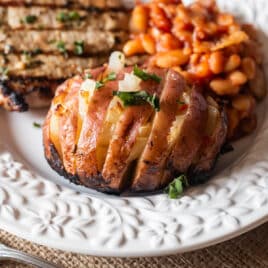
Credit: www.tastesoflizzyt.com
Grilling Methods For Whole Potatoes
Grilling whole potatoes creates a delicious, smoky flavor and a tender inside. There are simple ways to grill them, each giving a unique texture and taste. Choosing the right grilling method depends on the tools you have and the texture you want.
Two popular techniques are wrapping potatoes in foil and placing them directly on the grill grates. Both methods are easy and require minimal preparation. Understanding these methods helps you enjoy perfectly grilled potatoes every time.
Wrapping In Foil
Wrap each potato tightly in aluminum foil. This traps steam and cooks the potato evenly. The skin stays soft while the inside becomes tender and moist.
Place the foil-wrapped potatoes on the grill over medium heat. Turn them every 10-15 minutes for even cooking. Usually, it takes about 40-50 minutes to cook through.
This method is great for beginners and helps avoid burning. You can add herbs or butter inside the foil for extra flavor.
Placing Directly On Grill Grates
Place whole potatoes directly on the hot grill grates. This method gives a smoky flavor and crispy skin. Before grilling, brush the potatoes with oil and sprinkle salt.
Turn the potatoes often to prevent burning. Cooking time is shorter, about 30-40 minutes. Use medium heat and watch closely for char marks.
This method suits those who like a firmer skin and smoky taste. It also creates a nice texture contrast between crispy outside and soft inside.
Checking Doneness
Checking doneness is key to grilling perfect whole potatoes. Potatoes need to be soft inside but firm enough to hold their shape. Knowing when they are fully cooked helps avoid undercooked or mushy results. Use simple tests to check the potato’s texture and readiness.
Using A Fork Or Skewer
Insert a fork or skewer into the thickest part of the potato. It should slide in easily without resistance. If the fork meets tough spots or feels hard, the potato needs more time. Soft, smooth penetration means the potato is cooked through. Test several spots to be sure.
Timing Guidelines
Whole potatoes usually take 45 to 60 minutes on a medium grill. The exact time depends on potato size and grill heat. Smaller potatoes cook faster, larger ones take longer. Check after 40 minutes and then every 5 to 10 minutes. Avoid opening the grill too often to keep heat steady.
Enhancing Flavor
Grilling whole potatoes brings out a natural, earthy sweetness, but adding extra flavors can make them truly unforgettable. You have plenty of options to boost their taste, from fresh herbs to savory spices. These simple additions can turn a basic grilled potato into a star of your meal.
Adding Herbs And Spices
Start by rubbing your potatoes with olive oil to help herbs and spices stick better. Sprinkle on salt and pepper as a base, then experiment with herbs like rosemary, thyme, or oregano for a fresh, aromatic touch.
Don’t be afraid to try bold spices like smoked paprika, garlic powder, or cumin to add warmth and depth. I once tossed whole potatoes in a mix of chili powder and garlic before grilling, and the smoky heat paired perfectly with their creamy inside.
Fresh herbs added after grilling can brighten the flavor even more. Chopped parsley or chives sprinkled on top add a nice, fresh contrast to the smoky skin.
Toppings And Serving Suggestions
Think beyond butter and sour cream. Add a dollop of Greek yogurt or a drizzle of tangy lemon crema for a creamy finish with a zing. Crispy bacon bits or toasted nuts bring texture and savory crunch.
Consider topping your grilled potatoes with shredded cheese—cheddar, parmesan, or feta all melt beautifully from the residual heat. A sprinkle of green onions or fresh herbs can add color and freshness.
What’s your favorite way to top grilled potatoes? Trying different combinations can turn your simple side dish into a personalized treat your guests will talk about.
Troubleshooting Common Issues
Grilling whole potatoes can be a rewarding experience, but it’s not without its challenges. You might find that your potatoes cook unevenly or that the skin burns or sticks to the grill. These common issues can easily frustrate even the most patient griller. Let’s troubleshoot these problems so you can get perfectly grilled potatoes every time.
Potatoes Cooking Unevenly
Uneven cooking usually happens because potatoes vary in size or the heat distribution on your grill isn’t consistent. To fix this, pick potatoes that are similar in size so they cook at the same rate.
Wrapping potatoes in foil helps retain heat and moisture, promoting even cooking. If you notice hot spots on your grill, try moving the potatoes around halfway through grilling to balance the heat exposure.
Have you tried slicing a potato in half to check if it’s done? This simple trick saves you from biting into a raw center. Using a meat thermometer, aim for an internal temperature of about 210°F (99°C) for fluffy, fully cooked potatoes.
Skin Burning Or Sticking
Burning or sticking skin often means the grill is too hot or the potatoes aren’t prepared properly. Lower your grill temperature to medium or medium-low to avoid charring the skin before the inside cooks through.
Coat your potatoes lightly with oil and sprinkle a pinch of salt. This not only adds flavor but creates a barrier that prevents sticking. If you’re using foil, consider poking a few holes to let steam escape—this stops the skin from becoming soggy or tearing when you unwrap.
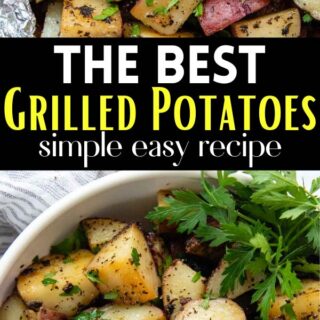
Have you ever had your skin stick so badly it rips off? Try placing the potatoes on a clean, well-oiled grill grate. Using a grill basket can also help keep the potatoes from directly touching the grates, reducing the chance of sticking.

Credit: www.theseasonedmom.com
Credit: www.mamagourmand.com
Frequently Asked Questions
How Long Does It Take To Grill Whole Potatoes?
Grilling whole potatoes usually takes 45 to 60 minutes over medium heat. Turn them occasionally for even cooking. Use a fork to check tenderness before serving.
Should I Parboil Potatoes Before Grilling Whole?
Parboiling potatoes for 10 minutes softens them and speeds up grilling. It ensures they cook evenly and remain moist inside without burning outside.
What Type Of Potatoes Are Best For Grilling Whole?
Russet and Yukon Gold potatoes work best for grilling whole. They have a fluffy texture and hold their shape well during cooking on the grill.
How To Prevent Whole Potatoes From Sticking On The Grill?
Coat potatoes lightly with oil before grilling. Also, preheat the grill and use a clean, well-oiled grate to prevent sticking and ensure easy turning.
Conclusion
Grilling whole potatoes brings out their natural flavor and sweetness. The outside gets crispy while the inside stays soft and creamy. It’s a simple way to enjoy a classic side dish. You only need a few steps and some patience.
Try different seasonings to find your favorite taste. Perfect for family meals or outdoor cookouts. Now, you can confidently grill potatoes whole and enjoy every bite. Give it a try and taste the difference yourself.

Hi, I’m Daniel Brooks—a food lover and kitchen gear enthusiast. I enjoy testing cookware, utensils, and gadgets to see what really works in everyday cooking. At PlugChef.com, I share honest reviews, comparisons, and simple guides to help you choose the best tools for a safer, smarter, and more enjoyable kitchen.
Related posts:
 What Type of Cooking Utensils are Safe: Expert Picks
 What Innovations Could Blenders Make: Unleashing Future Tech
 Smart Strategies to Organize a Small Kitchen: Maximize Space
 How to Organize a Kitchen Cabinet: Expert Tips & Tricks
 How to Organize Kitchen Drawers: Expert Tips and Tricks
 How to Organize a Corner Kitchen Cupboard: Expert Tips

