
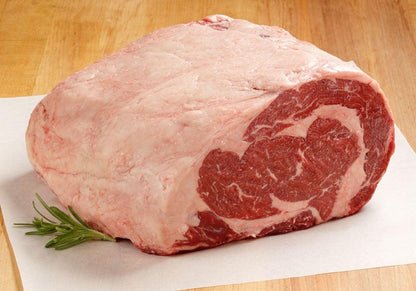
Few cuts of meat carry the same reputation for luxury and celebration as prime rib. Whether you’re planning a Christmas dinner, an anniversary feast, or just a special weekend meal, you’ve likely asked yourself: how expensive is prime rib really, and is it worth the splurge? The answer depends on a range of factors, from the grade of beef you buy to where you shop and how you plan to serve it. As of 2026, prime rib prices range from as little as $12 per pound for basic retail cuts to $80+ per pound for premium Wagyu varieties, but with a little planning, you can maximize value without sacrificing the rich, buttery flavor that makes this cut so sought-after.
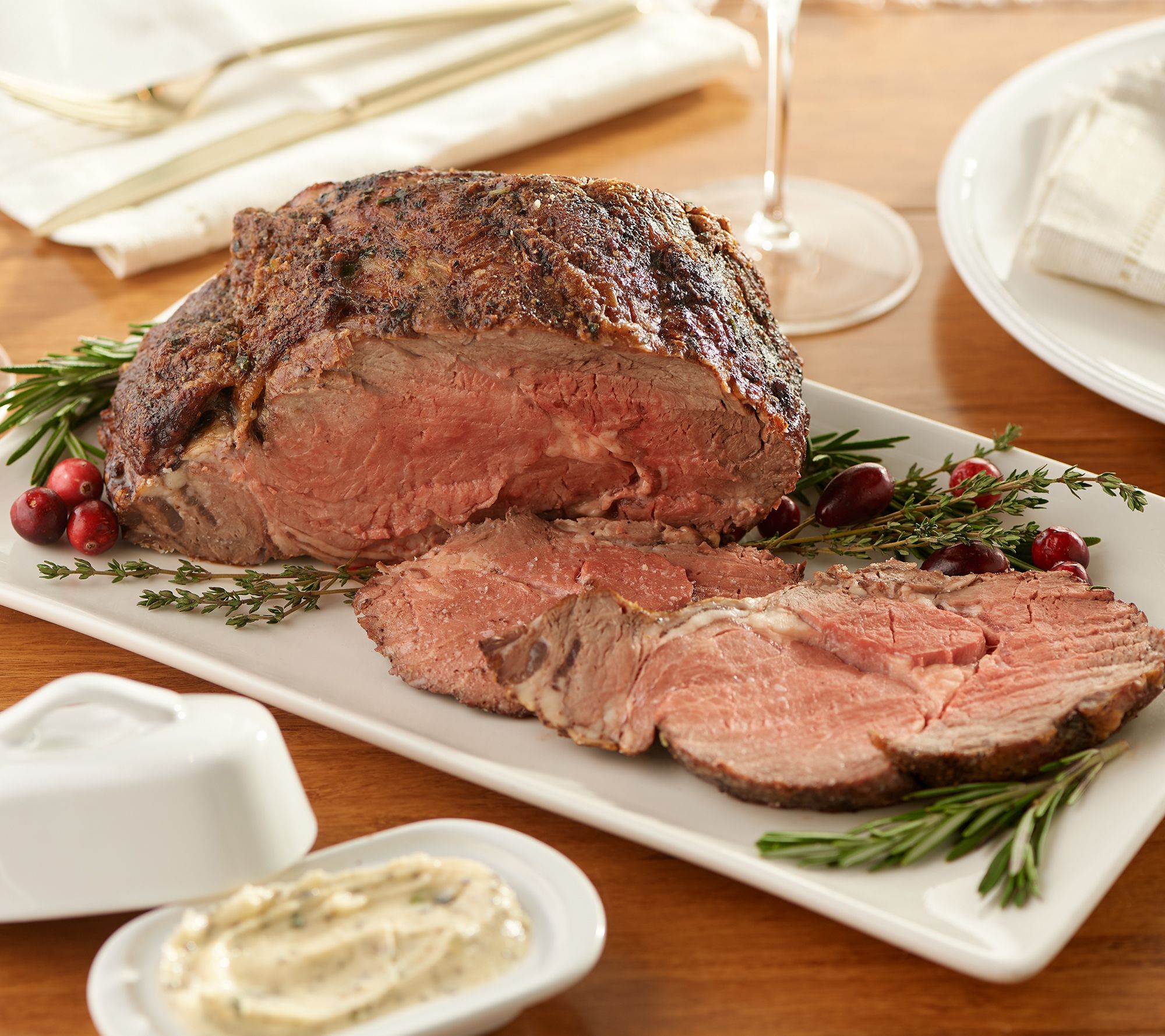
What Drives Prime Rib Costs?
The price you see for prime rib is not arbitrary: it reflects a mix of production, grading, and market factors that directly impact quality, yield, and availability. Understanding these drivers will help you spot a good deal and avoid overpaying for cuts that don’t align with your needs.
USDA Quality Grades: The Biggest Price Driver
The USDA’s official beef grading standards rank beef by marbling (intramuscular fat that melts during cooking for tenderness and flavor) and maturity, with three core grades for prime rib:
- USDA Prime: The highest grade, representing just 2-3% of all beef graded in the U.S. Its heavy marbling delivers the signature buttery, melt-in-your-mouth texture prime rib is known for, and it commands the highest price point.
- USDA Choice: The most widely available premium grade, with moderate marbling. When cooked to medium-rare, it is nearly indistinguishable from Prime for most home cooks, and costs 30-40% less.
- USDA Select: A leaner, more affordable grade with minimal marbling. It is more prone to drying out during cooking, so it is best reserved for slow-cooked dishes rather than classic roasted prime rib.
Dry-aged prime rib, which is aged for 21-45 days to concentrate flavor, costs an additional 20-40% more than wet-aged cuts, as the aging process reduces weight by 15-20% due to moisture loss and requires specialized storage.
Cut Size, Bone-In vs Boneless, and Thickness
Prime rib is sold in a range of formats, each with a different price per pound:
- Bone-in vs boneless: Bone-in cuts are cheaper per pound, but you pay for the weight of the bone (which makes up 15-20% of the total cut weight). Boneless cuts have a higher usable meat yield, so they cost more per pound but produce more servings per dollar spent if you don’t plan to use the bones for stock.
- Thickness: Thick-cut (3+ inch) prime rib is priced higher per pound than standard 1-2 inch cuts, as it requires more careful cooking to avoid over-charring the exterior before the interior reaches your desired temperature.
- Whole roast vs pre-sliced: Whole primal cuts (8-10lbs) have the lowest per-pound cost, while pre-trimmed, pre-sliced portions sold at grocery stores can cost 25% more per pound due to extra labor and packaging.
 Boneless prime rib cuts have a higher usable meat yield but lack the flavor boost from cooking with the bone.
Production and Sourcing Premiums
How the cattle were raised and processed adds significantly to prime rib’s cost:
- Grass-fed and organic prime rib costs 30-50% more than conventional grain-fed cuts, as organic certification requires cattle to be raised on pesticide-free pasture for their entire lives, with no synthetic hormones or antibiotics.
- Premium crossbreeds like Wagyu-Angus prime rib can cost $50-$80 per pound, due to the extreme marbling and specialized feeding practices required to produce the signature rich, umami-heavy flavor.
- Regional designations like American Kobe (from Japanese Wagyu cattle raised in the U.S.) carry an even higher premium, with prices starting at $70 per pound for basic cuts.
A common mistake home cooks make is paying extra for "prime rib steak" pre-cut into individual portions, which costs 2-3x more per pound than a whole roast and eliminates the option to use leftover bones for homemade beef stock.
Seasonal and Market Demand Fluctuations
As of 2026, stabilized post-pandemic supply chains have reduced broad price spikes for prime rib, but seasonal demand still drives consistent fluctuations:
- Prices rise 10-15% in November and December, as holiday demand for Christmas and New Year’s meals peaks.
- Prices drop 20-30% in January and February, as retailers discount leftover holiday inventory to clear shelf space.
- Temporary spikes can occur during severe weather events that impact cattle grazing in key production regions like Texas and Nebraska, or disrupt transport networks.
Prime Rib Pricing: Retail vs. Restaurant in 2026
The gap between cooking prime rib at home and ordering it at a restaurant is far larger than the cost of the raw meat alone. As of 2026:
- Retail: A 5lb bone-in USDA Prime prime rib roast costs $90-$160, serving 8-10 people for $9-$20 per serving. This includes the cost of the meat, plus minimal costs for seasoning, oil, and cooking fuel.
- Casual steakhouse: A 8-10oz prime rib serving costs $45-$70, with the markup covering labor, overhead, ambiance, and food safety compliance.
- High-end steakhouse: Premium, dry-aged prime rib servings cost $80-$120, with additional markup for specialized aging processes, premium sourcing, and chef-prepared sides.
Cooking prime rib at home also gives you full control over doneness, seasoning, and side pairings, eliminating the risk of an over- or under-cooked roast that can ruin a special meal.
Is Prime Rib Worth the Cost? Evaluating True Value
The value of prime rib goes far beyond its price tag, depending on your use case and priorities:
- Taste and texture: Prime rib’s heavy marbling creates a rich, buttery flavor and juicy, tender texture that is nearly impossible to replicate with cheaper cuts, especially when cooked to medium-rare. In practice, the consistent quality eliminates the risk of a dry, tough roast that can happen with leaner, cheaper cuts if cooked incorrectly.
- Nutritional profile: A 3oz serving of prime rib has 22g of high-quality complete protein, 2mg of iron (11% of the daily recommended intake), and 3mcg of vitamin B12 (125% of the daily recommended intake), per USDA data. It is higher in saturated fat than leaner cuts, so pairing it with vegetable sides and balancing it with other protein sources throughout the week is a smart choice for most diets.
- Special occasion appeal: Prime rib’s reputation as a celebratory centerpiece makes it a low-effort way to elevate a gathering. The effort of roasting a whole prime rib is minimal, but the visual impact of a sliced, juicy roast served tableside creates a memorable experience for guests that far outweighs the cost for most people.
How to Get the Most Value From Your Prime Rib Purchase
You don’t have to pay full price to enjoy premium prime rib. These practical, tested tips will help you cut costs without sacrificing quality:
- Buy off-peak: Shop for prime rib in January and February, when post-holiday discounts slash prices by 20-30% at most national grocery retailers. Many butchers also offer bulk discounts on whole roasts during this time.
- Choose bone-in over boneless: The bone adds moisture and flavor during cooking, and leftover bones can be simmered for 6-8 hours to make homemade beef stock, stretching the value of your purchase even further.
- Opt for USDA Choice for non-special occasions: For weeknight meals or casual gatherings, USDA Choice prime rib is virtually indistinguishable from Prime when cooked to medium-rare, and costs 30-40% less.
- Buy whole roasts instead of pre-cut portions: A whole 8-10lb prime rib roast has a 15-20% lower per-pound cost than pre-trimmed, pre-sliced portions, and leftovers can be used for sandwiches, stroganoff, or hash for up to 5 days after cooking.
- Shop local butchers for custom trimming: Many local butcher shops offer lower prices on higher-grade cuts than big-box retailers, and will trim excess fat for free to reduce waste and lower your final cost.
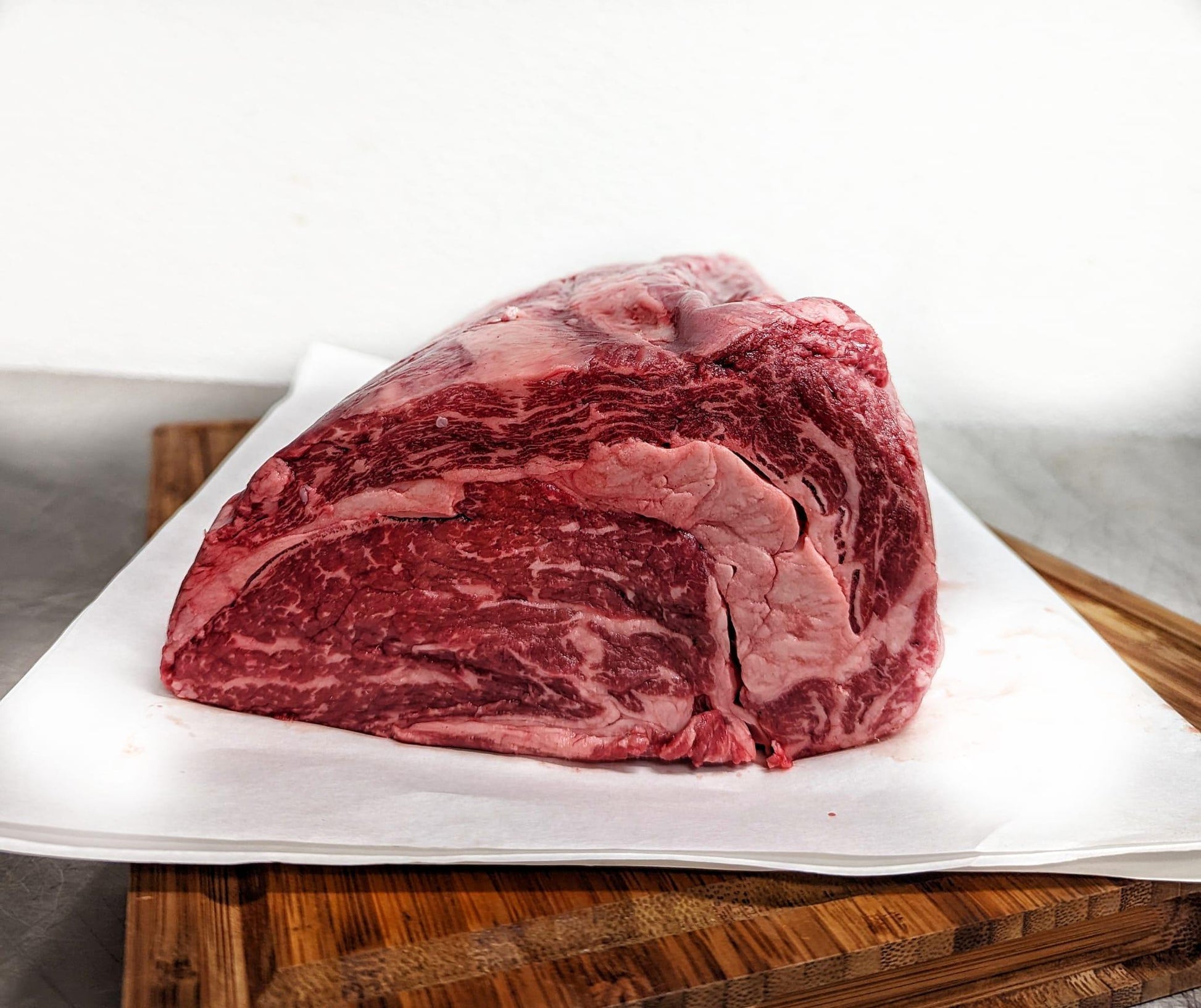 Premium Wagyu-Angus cross prime rib has extreme marbling that commands a 2-3x higher price point than standard USDA Prime cuts.
If you have young children, secure lower cabinet access with childproofing locks for low cabinets before you start prepping ingredients to avoid accidental spills or access to raw meat. Pair your roast with a homemade charcuterie board for pre-dinner bites, and use proper round cheese slicing methods to get clean, presentable slices for guests.
Budget-Friendly Prime Rib Alternatives
If prime rib is still out of your budget, these cuts offer similar rich, beefy flavor at a fraction of the cost:
- Ribeye roast: Cut from the same rib primal as prime rib, it has nearly the same marbling and tenderness for $10-$18 per pound, making it the closest direct alternative.
- Chuck roast: A tougher, more affordable cut ($4-$8 per pound) that becomes fall-apart tender when slow-cooked for 6-8 hours, perfect for pot roasts and braises.
- Sirloin tip roast: A leaner, budget-friendly option ($7-$12 per pound) that works well for weeknight meals when cooked to medium-rare and sliced thin against the grain.
- Brisket: Ideal for feeding a crowd, brisket costs $5-$10 per pound and develops a rich, beefy flavor when cooked low and slow for 8-12 hours.
When prepping sides for your roast, scrub root vegetables with a versatile veggie-cleaning brush set to remove dirt and debris without damaging produce skin. After your meal, tackle greasy roasting pans with a heavy-duty pan-scrubbing brush to cut down on scrubbing time without scratching surfaces.
Store leftovers in airtight containers, and install no-drill drawer security locks on lower storage drawers if you have toddlers to prevent them from accessing leftover meat.
Frequently Asked Questions
How much does prime rib cost per pound?
As of 2026, retail prime rib prices in the U.S. range from $12 per pound for USDA Select bone-in cuts to $35+ per pound for premium Wagyu-Angus cross or American Kobe prime rib. USDA Prime bone-in cuts typically fall in the $18-$32 per pound range, while boneless Prime cuts run $22-$38 per pound due to higher usable meat yield and more labor-intensive butchering. Restaurant pricing is heavily marked up, with casual steakhouses charging $45-$70 per serving and high-end steakhouses charging $80-$120 per serving for an 8-10oz portion.
Why is prime rib more expensive than other cuts?
Prime rib’s premium price comes from three core factors: limited supply (USDA Prime grade makes up just 2-3% of all U.S. graded beef, per USDA data), higher production costs for cattle raised to meet Prime grade standards (including specialized feeding and aging processes), and high demand for special occasion meals. Unlike cheaper, leaner cuts that are mass-produced, prime rib requires specific butchering from the rib primal cut, and only the most well-marbled, tender sections qualify for the top grade.
Can I find affordable prime rib alternatives?
Yes, several cuts offer similar rich, beefy flavor at a lower price point: ribeye roast (from the same rib primal as prime rib, $10-$18 per pound) is the closest match for marbling and tenderness; chuck roast ($4-$8 per pound) becomes fall-apart tender when slow-cooked, making it ideal for pot roasts; and sirloin tip roast ($7-$12 per pound) is a leaner, budget-friendly option for weeknight meals.
Does prime rib price change seasonally?
Yes, seasonal demand drives consistent price fluctuations. As of 2026, retail prime rib prices typically rise 10-15% in November and December due to holiday demand for Christmas and New Year’s meals, then drop by 20-30% in January and February as retailers discount leftover holiday inventory. Prices may also spike temporarily during severe weather events that impact cattle grazing or transport networks.
For food safety, prime rib should be cooked to a minimum internal temperature of 145°F (63°C) followed by a 3-minute rest time, per USDA safe meat handling guidelines.
Conclusion
Prime rib’s high price tag is tied directly to its limited supply, superior marbling, and reputation as a celebratory centerpiece. For most home cooks, it is a worthwhile splurge for milestone events, but not a practical choice for casual weeknight meals. By shopping off-peak, opting for USDA Choice over Prime for non-special occasions, and buying whole roasts instead of pre-cut portions, you can cut costs by 30% or more without sacrificing the rich, tender flavor that makes prime rib special. If you’re planning a holiday feast, start shopping for prime rib in early December to lock in pre-holiday pricing, or pair a more affordable ribeye roast with a homemade charcuterie board for a low-effort, high-impact special meal.

I’m Abby Lu, a passionate home cook who loves simplifying everyday meals. At PlugChef.com, I share product reviews and cooking guides to help you find the best tools for your kitchen.
Related posts:
 Kitchen Sink Mats at Target: Enhance Your Kitchen Space
 Pinks Rose Print under Sink Mat: Elevate Your Kitchen Decor
 Oxo Good Grips Silicone Sink Mat: Ultimate Protection
 3 Shelf Hanging Closet Organizer: Maximize Your Space
 Do It Yourself Pantry Organizers: Transform Your Space
 How to Organize a Pantry With Wire Shelves: Expert Tips

