
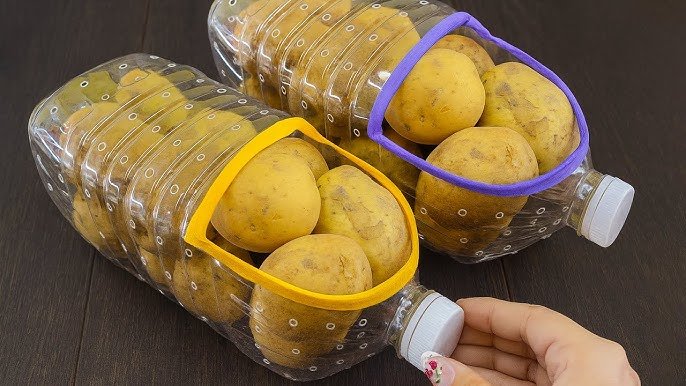
There’s nothing more frustrating than pulling a bag of potatoes from your pantry only to find them sprouted, shriveled, or green before you’ve had a chance to use them. The average U.S. household wastes roughly 30% of purchased potatoes each year, mostly due to improper storage. With simple, food safety-vetted practices, you can extend the life of your potatoes by weeks or even months, cut down on waste, and always have a versatile staple on hand for meals. We’ll cover everything from selecting the best tubers at the grocery store to long-term storage options for harvests or bulk buys, plus common mistakes that speed up spoilage.
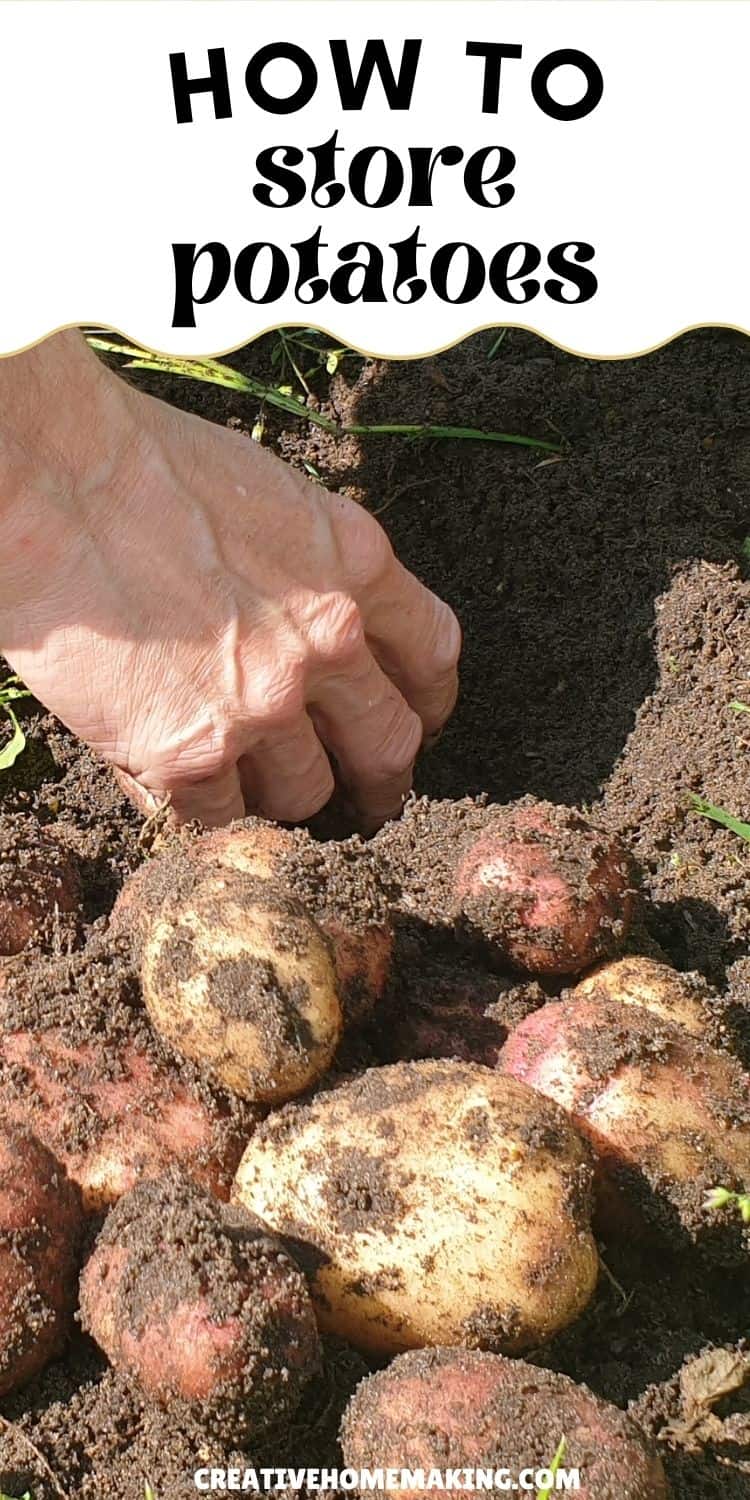 Paper bags allow for airflow while blocking light, two key factors for extending potato shelf life.
Credit: creativehomemaking.com
Paper bags allow for airflow while blocking light, two key factors for extending potato shelf life.
Credit: creativehomemaking.com
For more practical tips to cut down on kitchen waste and streamline your cooking routine, check out our additional food waste reduction guides. For further reading, see usda.gov.
How to Select and Inspect Potatoes for Long-Lasting Freshness
The first step to long-lasting potatoes starts at the grocery store or farmers market. Choosing high-quality, undamaged tubers will give you a huge head start on storage, as pre-existing damage or aging speeds up spoilage even in perfect conditions.
Signs of a Fresh, Storable Potato
Fresh, storable potatoes feel firm and heavy for their size, with smooth, intact skin free of large cuts, bruises, or soft spots. Avoid any tubers that feel light, wrinkled, or spongy, as these are already dehydrated or beginning to rot. Check for green patches on the skin: these form when potatoes are exposed to light, and indicate the presence of solanine, a bitter, potentially toxic compound. Small, surface-level green spots can be peeled away, but widespread greening means the potato is past its prime. Also skip any potatoes with long sprouts (over 1/4 inch) or a sour, musty odor, as these are already spoiling.
Potato Varieties With the Longest Shelf Life
Not all potato varieties store equally well. Thicker-skinned varieties naturally resist moisture loss and sprouting far longer than thin-skinned types:
- Russet potatoes: Their dense, thick skin makes them the longest-lasting common variety, keeping for 4–6 weeks in ideal conditions.
- Yukon Gold: These mid-shelf-life varieties keep for 2–3 weeks when stored properly, though their thinner skin makes them more prone to moisture loss.
- Red potatoes: With very thin, delicate skin, red potatoes are best used within 1–2 weeks of purchase, as they shrivel and sprout quickly.
 Fresh, unblemished potatoes with intact skin will store far longer than damaged or greened tubers.
Credit: foodiescore.blog
Fresh, unblemished potatoes with intact skin will store far longer than damaged or greened tubers.
Credit: foodiescore.blog
How to Tell If a Potato Has Gone Bad
Even with perfect storage, potatoes will eventually spoil. Recognizing the signs of a bad tuber helps you avoid foodborne illness and prevent spoiled potatoes from accelerating the decay of nearby tubers. Discard potatoes immediately if they have:
- Soft, mushy, or sunken spots
- A sour, rotten, or moldy odor
- Widespread green discoloration that penetrates deeper than the surface skin
- Sprouts longer than 1/4 inch (small sprouts can be trimmed off if the rest of the tuber is firm)
- Visible mold growth (white, black, or fuzzy patches)
If a potato only has small, surface-level green spots, you can peel away the affected area plus a 1/4-inch margin of surrounding flesh to use the rest of the tuber. If the potato tastes bitter after cooking, discard it entirely, as this indicates high solanine levels.
Optimal Raw Potato Storage Conditions
Raw potatoes are living tubers that continue to respire and age after harvest, so their storage environment has a huge impact on how long they stay fresh. The right conditions balance moisture retention to prevent shriveling with airflow and darkness to block sprouting and greening.
Temperature and Humidity Guidelines
As the USDA’s food storage guidelines confirm, the ideal temperature range for raw potato storage is 45–55°F (7–13°C). Temperatures below 40°F (4°C) trigger the conversion of the potato’s starch to sugar, leading to an unpleasantly sweet, gummy texture when cooked and excessive browning when fried or roasted. Warmer temperatures above 60°F (15°C) accelerate sprouting and decay.
Humidity levels should be kept between 85–90% to prevent potatoes from drying out and shriveling, but avoid overly damp spaces that encourage mold growth. If you live in an extremely dry climate, you can place a small open bowl of water in your storage area to boost humidity, but ensure it does not come into direct contact with the potatoes.
Light Exposure and Solanine Risk
Light is the single biggest enemy of potato storage. Prolonged exposure to sunlight or artificial light triggers greening and solanine production, which not only makes potatoes taste bitter but can cause nausea, headaches, and digestive discomfort if consumed in large amounts. Always store potatoes in a completely dark space, and never use transparent containers for long-term storage.
If you store potatoes in a lower kitchen cabinet accessible to young children, install secure lower pantry locks to prevent unsupervised access, as raw potatoes are a common choking hazard for toddlers.
 Store potatoes in a consistent, cool dark spot away from heat sources and direct sunlight.
Credit: www.youtube.com
Store potatoes in a consistent, cool dark spot away from heat sources and direct sunlight.
Credit: www.youtube.com
Best Everyday Storage Methods for Raw Potatoes
Once you’ve selected fresh, undamaged potatoes and have a suitable storage space, the right container and placement will maximize their shelf life.
Paper Bags and Breathable Baskets
Paper bags and open-weave baskets (wicker, seagrass, or metal mesh) are the best options for everyday potato storage. Their porous material allows excess moisture from the potatoes’ natural transpiration to escape, preventing rot, while blocking light to avoid greening. In practice, paper bags and open weave baskets typically extend potato shelf life by 2–3 weeks compared to sealed plastic storage, as they balance moisture retention with airflow to prevent both shriveling and mold growth. Avoid stacking potatoes more than one layer deep in baskets, as weight from upper layers can bruise lower tubers and create entry points for decay.
Use a dedicated sturdy produce scrub brush to brush off excess dirt from potatoes before storing them, rather than washing them, as moisture accelerates spoilage.
Why to Avoid Sealed Plastic Bags
Plastic bags trap the ethylene gas that potatoes naturally release as they age, which accelerates sprouting, and seal in surface moisture to create a damp, mold-friendly environment. If you purchase potatoes in a plastic bag from the grocery store, transfer them to a paper or mesh bag as soon as you get home, or poke 8–10 small holes in the plastic bag to allow limited airflow if you need to use it temporarily. Sealed vacuum bags are especially poor for potato storage, as they eliminate all airflow and will cause potatoes to spoil within days.
Ideal Storage Locations in Your Home
The best storage spots are cool, dark, and well-ventilated, with consistent temperatures between 45–55°F (7–13°C). Good options include a basement cellar, a pantry cabinet away from heat-generating appliances like ovens, dishwashers, or refrigerators, or a dedicated produce drawer in a cool kitchen. Avoid storing potatoes under the sink, where humidity is consistently high, or in the refrigerator, where cold temperatures trigger unwanted starch conversion.
How to Store Cut or Partially Used Potatoes
A common gap in standard potato storage guidance is how to handle cut or partially used tubers, a frequent need for meal preppers and home cooks. Improper storage of cut potatoes leads to rapid browning, spoilage, and off-flavors.
If you cut potatoes and don’t plan to use them right away, submerge them fully in a bowl of cold water, cover the bowl with a paper towel or clean kitchen cloth to block out light, and store it in the refrigerator for up to 24 hours. Change the water every 8 hours if you need to store them longer than 12 hours. For an extra boost against oxidation, you can add 1 teaspoon of lemon juice or 1/2 teaspoon of salt per gallon of water, but skip this step if you plan to use the potatoes for mashed potatoes later, as the acid and salt can alter the final flavor. Never store cut potatoes at room temperature, as they will oxidize within hours and spoil within a day.
Preventing Sprouting, Greening, and Spoilage
Even with perfect storage conditions, small habits can further extend your potatoes’ life and reduce waste.
Natural Sprout Inhibitors
Food safety specialists at the University of Minnesota Extension note that adding a single whole apple to your potato storage container can help slow sprout growth. Apples release small amounts of ethylene gas, which suppresses potato sprout development without affecting the potato’s flavor. You can also wrap potatoes in a single layer of plain newspaper, which absorbs excess moisture and blocks light to further reduce sprouting risk.
Keeping Potatoes Separate From Ethylene-Producing Produce
Onions, bananas, tomatoes, and other ripening fruits and vegetables release high levels of ethylene gas, which accelerates both sprouting and spoilage in potatoes. Store potatoes in their own dedicated space, separate from these items, to extend their shelf life by several weeks. For households with young children, opt for toddler-safe food storage for all raw produce, including potatoes, to reduce choking risks.
Long-Term Storage Options for Potatoes
If you buy potatoes in bulk, grow your own, or want to store them for more than a few weeks, freezing and dehydrating are reliable, low-effort options.
Freezing Potatoes for Up to 12 Months
Raw potatoes do not freeze well, as their high water content causes them to turn mushy when thawed. To freeze potatoes for long-term use:
- Peel and cut potatoes into 1/2-inch chunks or slices, depending on how you plan to use them later.
- Blanch the pieces in boiling water for 3–5 minutes until slightly tender but not fully cooked.
- Cool the potatoes immediately in a bowl of ice water to stop the cooking process.
- Drain and pat the pieces completely dry to avoid ice crystal formation.
- Portion the potatoes into freezer-safe bags or containers, remove as much air as possible, and label with the date.
- Freeze flat for easy stacking and faster thawing.
Frozen potatoes work best in cooked dishes like soups, stews, casseroles, and mashed potatoes; they are not ideal for roasting or frying, as their texture will be softer than fresh potatoes. Never thaw and refreeze frozen potatoes, as this will further degrade their texture and increase the risk of spoilage.
Dehydrating Potatoes for Pantry Storage
Dehydrating removes nearly all moisture from potatoes, allowing them to be stored in a cool, dark pantry for 1–2 years with minimal space. To dehydrate potatoes:
- Wash, peel, and slice potatoes into 1/8-inch thick, even slices.
- Blanch the slices in boiling water for 2–3 minutes to prevent browning.
- Drain and pat the slices completely dry to remove surface moisture.
- Arrange the slices in a single layer on dehydrator trays, with no overlapping.
- Dry at 125°F (52°C) for 8–12 hours, until the slices are crisp and snap when bent.
- Cool completely before storing in an airtight container in a cool, dark spot.
Dried potato slices can be rehydrated in warm water for 15–20 minutes before cooking, or added directly to soups and stews. They are ideal for camping, emergency food supplies, or quick side dishes.
Common Potato Storage Mistakes to Avoid
Even small missteps can drastically shorten your potatoes’ shelf life. Avoid these common errors to keep your tubers fresh as long as possible:
- Storing potatoes near onions or other ethylene-producing produce: The gas released by onions, bananas, and tomatoes accelerates sprouting and spoilage in potatoes.
- Washing potatoes before storage: Excess moisture on the potato skin encourages mold and rot; brush off dirt before storing, and only wash potatoes right before cooking.
- Storing potatoes in the refrigerator: Cold temperatures below 40°F (4°C) convert starch to sugar, ruining the potato’s texture and flavor.
- Piling potatoes on top of each other: Stacking causes bruising, which creates entry points for rot and accelerates decay.
- Leaving potatoes in transparent containers in direct sunlight: Even small amounts of light trigger greening and solanine production.
Use a quick-drying handled brush to clean potatoes right before cooking to avoid introducing excess moisture during storage.
Frequently Asked Questions
How Do You Store Potatoes To Keep Them Fresh?
Store raw potatoes in a cool (45–55°F / 7–13°C), dark, well-ventilated space, away from direct sunlight, heat sources, and ethylene-producing produce like onions, bananas, and tomatoes. Use paper bags, mesh produce bags, or open weave baskets for storage, never sealed plastic bags. Check stored potatoes weekly for signs of sprouting, greening, or soft spots, and remove any damaged tubers immediately to prevent them from spoiling the rest of the batch.
Can You Refrigerate Potatoes For Longer Storage?
Refrigeration is not recommended for raw potatoes, as temperatures below 40°F (4°C) trigger the conversion of starch to sugar, leading to a sweet, gummy texture when cooked and excessive browning when fried. The only exception is if you live in an extremely warm climate with no cool indoor storage space; in that case, store raw potatoes in a dedicated mini-fridge set to 45–50°F (7–10°C), away from other produce. Cooked potatoes, however, can be stored in an airtight container in the refrigerator for 3–5 days.
How Do You Prevent Potatoes From Sprouting?
To minimize sprouting, store potatoes in consistent cool, dark conditions away from light and heat, as both trigger sprout growth. You can also add a single apple to your potato storage container: the apple releases small amounts of ethylene gas, which suppresses potato sprout development without affecting the potato's flavor. Avoid storing potatoes near onions, bananas, or tomatoes, as these produce high levels of ethylene that accelerate both sprouting and spoilage.
Is It Safe To Eat Potatoes With Green Spots?
Small, surface-level green spots are safe to eat if you peel away the green area and a 1/4-inch margin of the surrounding flesh, as solanine (the bitter, potentially toxic compound that causes greening) is concentrated in the skin and outer layer of the tuber. However, if the green discoloration is widespread, penetrates deep into the flesh, or the potato has a bitter taste after cooking, discard it entirely. Consuming large amounts of solanine can cause nausea, headaches, and digestive discomfort.
Final Tips for Fresh Potatoes Every Time
Keeping potatoes fresh for weeks or even months is simple with the right storage practices: start by selecting firm, unblemished tubers with no green spots or extensive sprouting, store them in a cool, dark, well-ventilated space away from ethylene-producing produce, and avoid washing them until you’re ready to cook. For cut potatoes, submerge them in cold water in the fridge for short-term storage, and use freezing or dehydrating for long-term needs. By avoiding common mistakes like storing potatoes in plastic bags, near onions, or in the refrigerator, you can cut down on food waste, save money on grocery bills, and always have fresh potatoes on hand for your favorite recipes. For more practical kitchen tips to streamline your cooking routine and reduce household food waste, explore our full library of practical kitchen prep guides.

I’m Abby Lu, a passionate home cook who loves simplifying everyday meals. At PlugChef.com, I share product reviews and cooking guides to help you find the best tools for your kitchen.
Related posts:
 How to Make a Fruit Basket for a Gift: Easy DIY Guide
 Do You Need a Basket? Essential Guide for Air Fryers
 Gray Kitchen With Stainless Steel Appliances: Modern Elegance
 Appliance Play Food Kitchen Toys: Ignite Imaginative Play
 How Long Do Beauty Blenders Last: Expert Tips Unveiled
 Philips Kitchen Appliances Compact Pasta And Noodle Maker: Effortless Homemade Pasta

