Single-serve coffee makers have become a staple in millions of homes and offices for their speed and convenience, but the environmental and financial cost of disposable plastic K Cups has pushed more coffee lovers toward reusable pod options. The right filter for your reusable K Cup, however, is the make-or-break factor for brew quality, ease of cleanup, and even the lifespan of your coffee maker. As of 2026, the market is flooded with disposable paper liners, permanent stainless steel filters, and brand-specific options, so we’ve tested and researched the top picks to suit every brewing style, budget, and sustainability goal.
Why the Right Filter Matters for Reusable K Cups
A low-quality or poorly fitting filter leads to more than just a messy cleanup: it causes coffee grounds to escape into your cup (creating a gritty, unpleasant texture), leads to uneven water distribution (resulting in weak, bitter, or under-extracted coffee), and can clog your machine’s internal needles, leading to costly repairs. Filter material also directly impacts flavor: paper filters trap fine coffee oils and micro-fines for a clean, bright cup with low sediment, while stainless steel mesh lets more natural oils and flavor compounds through for a fuller, richer body. A properly sized filter also creates a tight seal inside your reusable pod, preventing grounds from leaking into your machine’s water lines and extending its usable life.
Top Disposable Paper Filters for Reusable K Cups
Disposable paper filters are the best choice for busy households, office use, or anyone who wants zero post-brew cleanup. They’re single-use, require no washing, and deliver a consistent, clean cup every time. All options below fit standard 1.0 and 2.0 reusable K Cup pods unless noted otherwise.
CAPMESSO 300-Count Natural Paper Filters
 300-count bulk pack of unbleached paper filters, ideal for daily home brewers
Made from chlorine-free, unbleached natural paper with no chemical aftertaste, these filters are pre-sized to fit all standard reusable K Cup pods with zero leakage. The 300-count pack lasts 10+ months for households that brew 1–2 cups per day, making it one of the most cost-effective disposable options on the market.
300-count bulk pack of unbleached paper filters, ideal for daily home brewers
Made from chlorine-free, unbleached natural paper with no chemical aftertaste, these filters are pre-sized to fit all standard reusable K Cup pods with zero leakage. The 300-count pack lasts 10+ months for households that brew 1–2 cups per day, making it one of the most cost-effective disposable options on the market.
- Pros: No papery aftertaste, universal 1.0/2.0 fit, grounds stay fully contained, bulk value
- Cons: Single-use, so ongoing cost and small amount of waste; not suitable for zero-waste goals A common mistake with disposable filters is storing them in damp areas like under the sink, which causes them to tear during brewing. Keep these in a dry, airtight container on your counter for easy access. For more ideas on reducing single-use waste in your kitchen, check out sustainable kitchen swaps.
Pro Mael 360-Count White Disposable Filters
 Bleached white paper filters that leave no papery aftertaste in your coffee
These reinforced white paper filters are treated to eliminate any papery flavor, and their extra-durable construction resists tearing even when used with fine espresso grinds. The 360-count pack is ideal for offices or households that brew 3+ cups per day, and they fit all standard 1.0 and 2.0 reusable pods, including third-party brands.
Bleached white paper filters that leave no papery aftertaste in your coffee
These reinforced white paper filters are treated to eliminate any papery flavor, and their extra-durable construction resists tearing even when used with fine espresso grinds. The 360-count pack is ideal for offices or households that brew 3+ cups per day, and they fit all standard 1.0 and 2.0 reusable pods, including third-party brands.
- Pros: No aftertaste, tear-resistant, universal fit, excellent bulk value
- Cons: Bleached paper is slightly less eco-friendly than unbleached options; single-use The precise sizing of these filters eliminates gaps where grounds can escape, a level of precision you’ll also find in precision DIY tools designed for consistent, reliable results.
Fanativita Genius Lid 100-Count Unbleached Filters
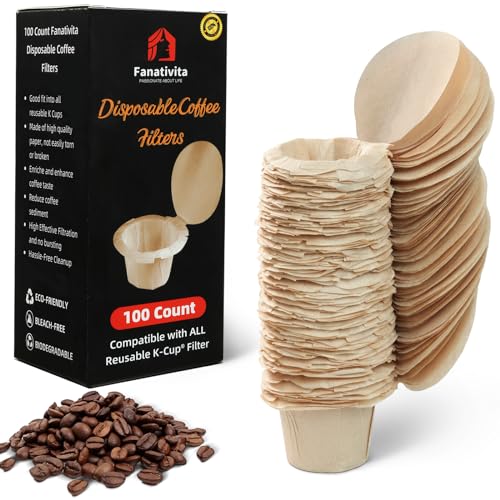 Snap-on lid design prevents spills when filling pods with ground coffee
The standout feature of these filters is the secure snap-on lid that locks onto the top of your reusable pod, so you can shake the pod to level grounds before brewing without spilling coffee everywhere. Made from unbleached, chlorine-free paper, the 100-count pack is perfect for occasional users or anyone who wants to test disposable filters before buying bulk. They fit all standard reusable K Cups, including most third-party models.
Snap-on lid design prevents spills when filling pods with ground coffee
The standout feature of these filters is the secure snap-on lid that locks onto the top of your reusable pod, so you can shake the pod to level grounds before brewing without spilling coffee everywhere. Made from unbleached, chlorine-free paper, the 100-count pack is perfect for occasional users or anyone who wants to test disposable filters before buying bulk. They fit all standard reusable K Cups, including most third-party models.
- Pros: Spill-proof filling, unbleached material, universal fit
- Cons: Smaller pack size means more frequent reordering; single-use The secure lid design eliminates messy ground spills when filling your pod, reducing the need for frequent kitchen sink maintenance to clear clogged drains from stray grounds.
Perfect Pod Universal Paper Liners 100-Count
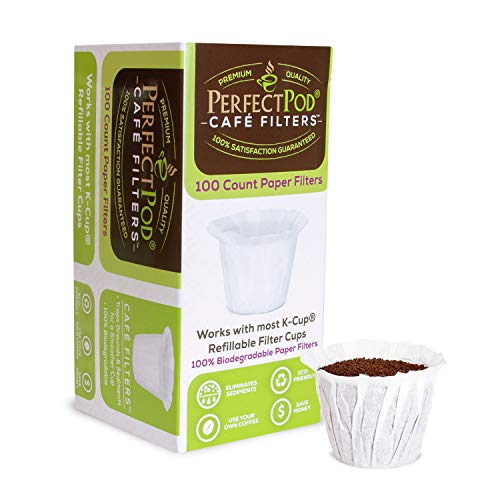 Universal liners that work with every brand of refillable K Cup capsule
Unlike brand-specific filters, these liners are designed to fit every brand of reusable K Cup pod, not just Perfect Pod’s own products. That makes them perfect if you switch between multiple reusable pod brands, travel with your pod, or have a mix of pods in your kitchen. Their thin, porous design doesn’t slow brew time, so you don’t have to adjust your machine’s settings.
Universal liners that work with every brand of refillable K Cup capsule
Unlike brand-specific filters, these liners are designed to fit every brand of reusable K Cup pod, not just Perfect Pod’s own products. That makes them perfect if you switch between multiple reusable pod brands, travel with your pod, or have a mix of pods in your kitchen. Their thin, porous design doesn’t slow brew time, so you don’t have to adjust your machine’s settings.
- Pros: Universal compatibility, no brew time adjustment, unbleached option available
- Cons: Single-use, slightly higher per-filter cost than bulk packs
Top Reusable Stainless Steel Filters for Reusable K Cups
Stainless steel filters are the best choice for zero-waste coffee drinkers, people who brew multiple cups a day, or anyone who prefers a fuller-bodied cup with more natural coffee oils. They last for thousands of brews, so they pay for themselves in 3–6 months for most users. The trade-off is they require rinsing after each use, and very fine espresso grinds can clog the mesh if tamped too hard.
Keurig My K-Cup Universal Reusable Filter with MultiStream Technology
 Keurig's official reusable filter with MultiStream technology for even extraction
Updated for 2026 with 5-stream MultiStream technology, Keurig’s official reusable filter evenly saturates coffee grounds to avoid channeling (a common issue where water only flows through part of the pod, leading to weak, uneven extraction). Its universal fit works with all Keurig 1.0, 2.0, and 2024+ K-Supreme, K-Elite, and K-Select models, and it’s made from BPA-free plastic with a stainless steel mesh filter.
Keurig's official reusable filter with MultiStream technology for even extraction
Updated for 2026 with 5-stream MultiStream technology, Keurig’s official reusable filter evenly saturates coffee grounds to avoid channeling (a common issue where water only flows through part of the pod, leading to weak, uneven extraction). Its universal fit works with all Keurig 1.0, 2.0, and 2024+ K-Supreme, K-Elite, and K-Select models, and it’s made from BPA-free plastic with a stainless steel mesh filter.
- Pros: Brand-backed compatibility, even extraction, easy to clean, reduces pod waste by hundreds per year
- Cons: Requires hand washing (mesh component is not dishwasher safe); may need occasional deep cleaning to remove oil buildup This filter works with all major domestic small kitchen appliances from Keurig, from older 1.0 models to 2026’s latest K-Supreme lines, making it a versatile pick for most users.
NOALTO Universal 304 Stainless Steel Refillable Filter
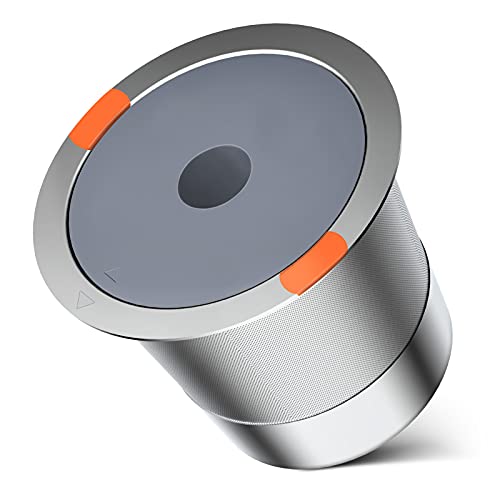 Food-grade stainless steel filter that holds up to years of daily use
Made from food-grade 304 stainless steel, this filter is rust-proof and dishwasher safe (top rack only). Its fine 100-micron mesh catches even the finest espresso grinds if tamped lightly, making it ideal for dark roasts and espresso-style drinks. It’s compatible with all Keurig 1.0 and 2.0 models, plus most third-party single-serve brewers.
Food-grade stainless steel filter that holds up to years of daily use
Made from food-grade 304 stainless steel, this filter is rust-proof and dishwasher safe (top rack only). Its fine 100-micron mesh catches even the finest espresso grinds if tamped lightly, making it ideal for dark roasts and espresso-style drinks. It’s compatible with all Keurig 1.0 and 2.0 models, plus most third-party single-serve brewers.
- Pros: Extremely durable, zero waste, enhances flavor by letting more oils through, dishwasher safe
- Cons: Fine grinds can clog if tamped too hard; requires rinsing after each use Stainless steel filters are low-maintenance, and you can use the same stainless steel kitchen care products you use for your sinks and cookware to remove any stuck-on coffee residue.
Perfect Pod 4-Pack Reusable K Cup Pods with Integrated Mesh Strainer
 Pre-assembled reusable pods, perfect for households with multiple coffee drinkers
Sold as a 4-pack, these pods let you pre-fill multiple servings for busy mornings, or assign one to each family member to avoid cross-contamination of coffee blends. The integrated mesh strainer means no need for separate paper liners if you don’t want them, and the BPA-free plastic body is dishwasher safe. They’re compatible with all Keurig 1.0 and 2.0 models, plus most single-serve brewers.
Pre-assembled reusable pods, perfect for households with multiple coffee drinkers
Sold as a 4-pack, these pods let you pre-fill multiple servings for busy mornings, or assign one to each family member to avoid cross-contamination of coffee blends. The integrated mesh strainer means no need for separate paper liners if you don’t want them, and the BPA-free plastic body is dishwasher safe. They’re compatible with all Keurig 1.0 and 2.0 models, plus most single-serve brewers.
- Pros: Convenient multi-pack, no separate liners needed, dishwasher safe, great for households
- Cons: Plastic body can stain over time with dark roasts; requires rinsing after each use
How to Choose the Right Filter for Your Brewing Style
With so many options, pick a filter based on your top priorities:
- Zero cleanup: Opt for bulk disposable paper filters (CAPMESSO 300-count or Pro Mael 360-count)
- Zero waste + fuller flavor: Choose stainless steel (NOALTO for espresso lovers, Keurig My K-Cup for brand-backed compatibility)
- Multiple daily cups: Go for bulk disposable or a multi-pack of reusable pods (Perfect Pod 4-pack)
- Newer Keurig models (2024+): Pick a MultiStream-compatible filter like the Keurig My K-Cup to maximize even extraction
- Custom grind preference: Get filters with a secure lid (Fanativita Genius Lid) to avoid spills when filling with your own grounds For best results, use medium-coarse grounds (similar to sea salt texture) for all reusable pods. Fine espresso grinds can clog stainless steel mesh, so tamp lightly or use a paper liner if you prefer a fine grind.
Pro Tips for Perfect Brews Every Time
Even the best filter won’t deliver great coffee if used incorrectly. Follow these expert tips for consistent, delicious results:
- Don’t overfill: Fill reusable pods to the max fill line (usually 10–12g of coffee) to avoid blocking water flow. Overpacking is the most common cause of weak, under-extracted coffee and clogged machine needles.
- Rinse immediately: Rinse reusable filters right after brewing to remove coffee oils that can turn rancid and make your coffee taste bitter over time. For stainless steel filters, do a deep clean once a month with warm water and white vinegar to remove built-up residue. As the FDA recommends for all food and beverage prep, regular cleaning prevents bacterial and mold growth that can affect flavor and safety.
- Store paper filters dry: Keep disposable filters in an airtight container in a cool, dry place to prevent them from tearing or absorbing moisture that can slow brew time.
- Test compatibility first: If you’re buying a third-party reusable filter, test it with a small batch of coffee first to confirm it fits your machine and doesn’t leak grounds.
- Clean your machine monthly: Run a rinse cycle with equal parts water and white vinegar to remove mineral buildup, and use a fast-acting mold cleaner if you notice any mold growth in your machine’s reservoir. Store your filters and coffee supplies together as part of your kitchen drawer organization for quick morning access.
Frequently Asked Questions
What are coffee filters for reusable K Cups?
Coffee filters for reusable K Cups are either disposable paper liners or permanent stainless steel mesh inserts designed to fit inside refillable single-serve pods. They contain coffee grounds during brewing, prevent grounds from escaping into your cup or machine, and can affect the flavor, body, and clarity of your final cup. Unlike disposable plastic K Cups, these filters work with reusable pods to cut down on waste and let you use any ground coffee of your choice.
Which brands make filters compatible with reusable K Cups?
Top brands include CAPMESSO, Pro Mael, Fanativita, Perfect Pod, and Keurig’s official My K-Cup line. Most filters are designed to fit standard 1.0 and 2.0 reusable K Cup pods, but always check the product description for compatibility with your specific machine and pod model. Universal options like Perfect Pod’s paper liners work with every brand of refillable capsule.
Can I use disposable paper filters with any reusable K Cup?
Most standard disposable paper filters fit all standard-sized reusable K Cups, but unusual or third-party pod designs may require brand-specific filters. Always check the filter’s listed compatibility before purchasing, especially if you use a non-standard reusable pod. As a rule of thumb, if your reusable pod fits standard Keurig 1.0 or 2.0 brewers, standard disposable filters will work.
Are stainless steel reusable filters better than paper ones?
It depends on your priorities. Stainless steel filters are zero-waste, last for thousands of brews, and let more natural coffee oils through for a fuller, richer body, making them ideal for dark roasts and espresso-style drinks. Paper filters trap fine oils and micro-fines for a cleaner, brighter cup with less sediment, and require no cleanup after brewing, making them ideal for busy households or people who prefer a lighter coffee taste. Neither is inherently “better” — the right choice depends on your flavor preferences and lifestyle.
Will these filters work with non-Keurig single-serve brewers?
Most reusable K Cup filters and disposable liners are designed for Keurig’s 1.0 and 2.0 pod format, which is the most common single-serve standard. Some universal options work with other single-serve brewers that use K-Cup compatible pods, but always check the product’s compatibility list before purchasing if you have a non-Keurig machine.
How often do I need to replace my reusable stainless steel filter?
A high-quality food-grade stainless steel filter will last for 3–5 years with regular use and proper care. You only need to replace it if the mesh becomes bent, scratched, or clogged with built-up coffee oils that can’t be removed with deep cleaning. Disposable paper filters, of course, are single-use and replaced after every brew.
Do paper filters affect the caffeine content of my coffee?
No, paper filters do not impact the total caffeine content of your coffee. They only trap fine coffee particles and oils, which affects flavor and mouthfeel, not caffeine extraction. The Specialty Coffee Association’s brewing guidelines confirm that filter material does not alter caffeine levels, only the sensory profile of the final cup.
Final Thoughts
The right filter for your reusable K Cup comes down to your daily routine and flavor preferences. Disposable paper filters are perfect for busy households that want low-fuss brewing and a clean, bright cup, while stainless steel filters are ideal for eco-conscious coffee lovers who want a fuller-bodied drink and zero ongoing waste. All the picks we’ve covered are compatible with most 2026 Keurig models, so you can’t go wrong with any of them.
Pick a filter that matches your habits, and you’ll notice less mess, better flavor, and lower long-term costs almost immediately. For more tips on eco-friendly kitchen swaps and small appliance care, check out our blog for guides on everything from cutting board maintenance to kitchen organization.
Food-grade stainless steel filter that holds up to years of daily use
For a zero-waste, long-lasting option, grab the NOALTO stainless steel filter here.
Universal liners that work with every brand of refillable K Cup capsule
For a universal disposable option that fits any reusable pod, grab the Perfect Pod liners here.
 Budget-friendly disposable filters for occasional reusable K Cup users
For a budget-friendly disposable option with universal fit, grab the Fanativita filters here.
Budget-friendly disposable filters for occasional reusable K Cup users
For a budget-friendly disposable option with universal fit, grab the Fanativita filters here.
 Durable reusable pods that replace hundreds of single-use plastic K Cups
For a durable, multi-pack reusable option, grab the Fanativita 2-pack here.
Durable reusable pods that replace hundreds of single-use plastic K Cups
For a durable, multi-pack reusable option, grab the Fanativita 2-pack here.

I’m Abby Lu, a passionate home cook who loves simplifying everyday meals. At PlugChef.com, I share product reviews and cooking guides to help you find the best tools for your kitchen.
Related posts:
 How to Grow Organic Kitchen Garden: Expert Tips
 How to Cut Triangle Cheese for Charcuterie Board: Expert Tips
 How to Cut Mat Board Without Mat Cutter: Easy DIY Techniques
 Best Compostable Trash Bags for Kitchen Waste: Durable & Eco-Friendly Picks
 Best Reusable Produce Bags for Eco-Friendly Grocery Shopping and Storage
 Eco-Friendly Kitchen Gadgets for Sustainable and Efficient Cooking Solutions