
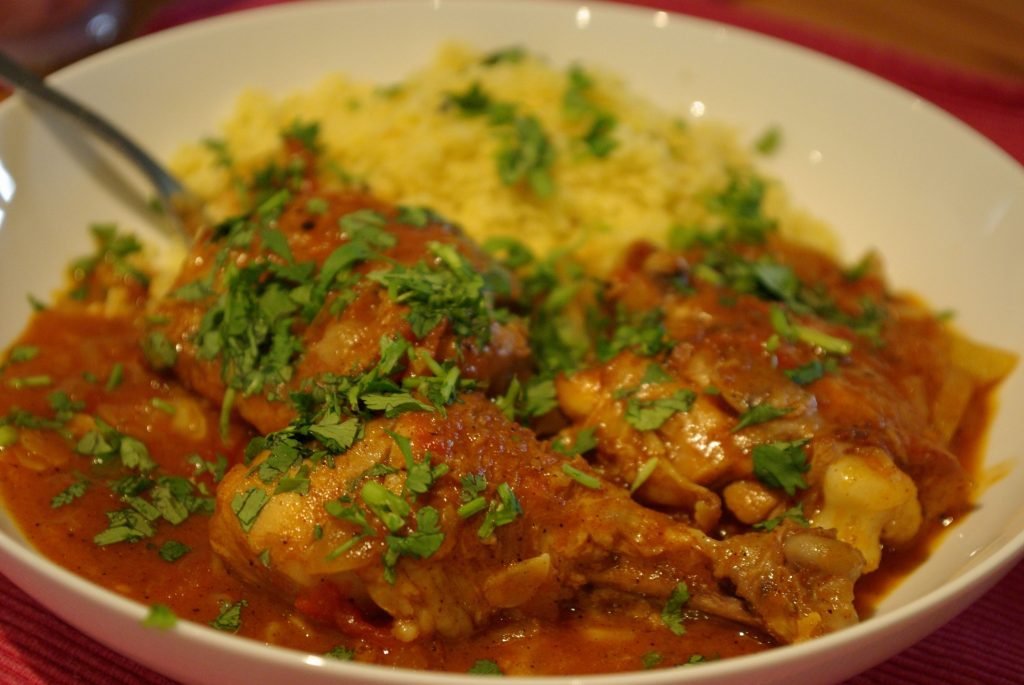
If you’ve ever grown bored of standard lemon-pepper chicken, preserved lemons are the flavor-packed upgrade your rotation needs. A staple of Moroccan, Algerian, and Levantine cuisine for centuries, these salt-brined, fermented lemons mellow the bitter pith of the rind into a soft, salty, umami-rich layer, while their brine adds a bright, tangy depth that fresh lemon can’t replicate. They cut through the richness of chicken skin and dark meat effortlessly, making them perfect for everything from slow-simmered tagines to quick weeknight stir-fries. In testing these recipes, the most common mistake is using only the rind or only the brine—combining both yields the most balanced, vibrant flavor. Below, you’ll find tested, home-cook-friendly recipes for every skill level and schedule, plus pro tips to avoid overly salty, one-note dishes.
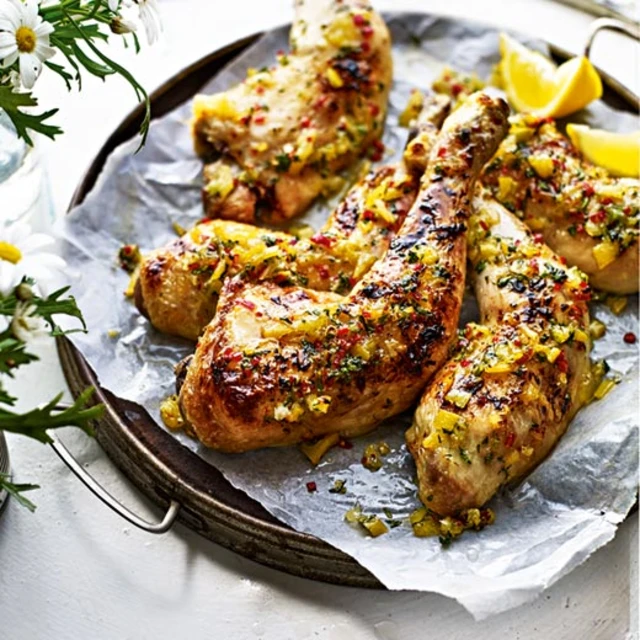 Preserved lemons add a bright, briny tang that elevates simple roasted chicken to a standout meal.
Credit: www.ocado.com
Preserved lemons add a bright, briny tang that elevates simple roasted chicken to a standout meal.
Credit: www.ocado.com
What Are Preserved Lemons, And Why Do They Work So Well With Chicken?
Preserved lemons are whole lemons packed in salt and their own juice, left to ferment for 2–4 weeks before use. The fermentation process breaks down the harsh bitterness of the lemon pith, turning it into a tender, savory, slightly sweet layer that holds up to high-heat cooking without turning bitter—a common flaw of fresh lemon, which can scorch and turn acrid when roasted or grilled.
Unique Flavor Profile
Unlike fresh lemon, which is mostly acidic and bright, preserved lemons have a layered, complex taste: briny, tangy, subtly sweet, and deeply aromatic. The rind carries the most concentrated flavor, while the brine adds a sharp, fermented kick that cuts through rich, fatty chicken cuts like thighs and drumsticks. This balance makes them ideal for balancing savory spices like cumin, coriander, and paprika, without overpowering the natural flavor of the meat.
Health Benefits Of Fermented Preserved Lemons
Preserved lemons are rich in vitamin C, flavonoids, and beneficial probiotics produced during fermentation, which support gut health and reduce inflammation, per USDA guidance on fermented foods. They’re also low in calories, and their intense flavor means you can add tons of taste without extra salt, sugar, or fat—a win for home cooks looking to make healthier meals without sacrificing flavor.
Versatility In The Kitchen
Preserved lemons work in almost any chicken preparation: chop the rind finely for marinades and dressings, slice into thin strips for tagines and stews, or stir a teaspoon of brine into pan sauces for a quick flavor boost. They pair equally well with warm North African spices, fresh Mediterranean herbs like mint and parsley, and even mild Asian flavors like soy and ginger, making them a truly flexible pantry staple.
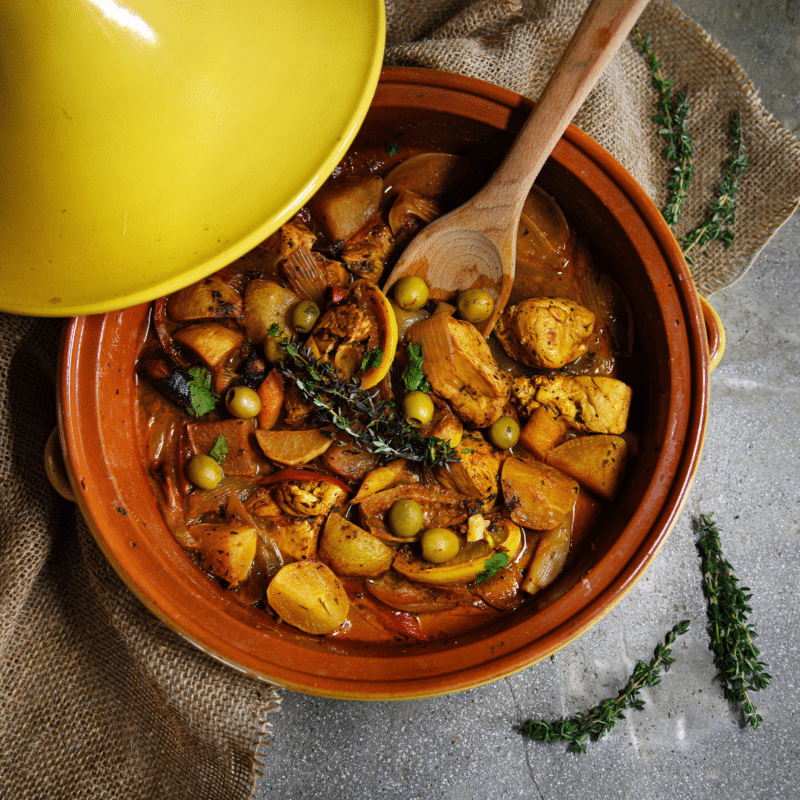 Traditional tagine slow-cooks chicken with preserved lemons and spices for melt-in-your-mouth tenderness.
Credit: qcwacountrykitchens.com.au
Traditional tagine slow-cooks chicken with preserved lemons and spices for melt-in-your-mouth tenderness.
Credit: qcwacountrykitchens.com.au
How To Prep Chicken And Preserved Lemons For Success
Getting the basics right ensures your preserved lemon chicken dishes turn out flavorful and moist every time, no advanced cooking skills required.
Choosing The Best Chicken Cuts
Bone-in, skin-on chicken thighs and drumsticks are the best picks for most preserved lemon recipes, as their higher fat content absorbs bold flavors without drying out. Boneless, skinless breast works for lighter dishes like chicken salad or stir-fries, but it requires a short 30-minute brine in saltwater to stay juicy during cooking. For extra crispy skin, air-dry chicken uncovered in the fridge for 1–2 hours before cooking to remove excess surface moisture.
Prepping Preserved Lemons For Cooking
Rinse preserved lemon rinds thoroughly under cool running water to remove excess brine (too much salt will overpower your dish), and scrape out any seeds, which add unwanted bitterness. Chop the rind finely for marinades and dressings, or slice into thin strips for tagines and roasted dishes. Don’t throw away the brine: stir a teaspoon into sauces, pan juices, or vinaigrettes for an extra salty, tangy kick. For easy rind prep, use a heavy-duty scrub brush to remove any residual wax or brine from the lemon skin before chopping.
Marinating Guidelines To Avoid Tough Meat
Marinating chicken in a mix of preserved lemon rind, brine, olive oil, garlic, and warm spices for 1–24 hours helps the meat absorb bright, tangy flavor. Dark meat (thighs, drumsticks) can marinate for up to 24 hours without issue, but white meat (breast) should only marinate for 2–4 hours max: the acid in the preserved lemon breaks down lean protein over time, leading to a mushy, tough texture. Always marinate chicken in the fridge, never at room temperature, to prevent bacterial growth.
Essential Cooking Techniques
Preserved lemon chicken works with nearly every cooking method:
- Slow cooking/simmering: Ideal for tagines and stews, low heat keeps chicken tender and infuses it with deep, layered flavor.
- Roasting: High heat (425°F / 220°C) crisps up skin while caramelizing the preserved lemon rind for a fragrant, golden crust.
- Grilling: Adds a smoky char that balances the briny lemon, perfect for summer meals.
- Stir-frying: Quick, high-heat cooking preserves the bright flavor of preserved lemon for fast weeknight meals.
No matter the method, always cook chicken to an internal temperature of 165°F (74°C), as outlined in USDA safe chicken cooking guidelines, to eliminate harmful bacteria like salmonella. Let the chicken rest for 5 minutes after cooking to lock in juices for moist, flavorful bites.
Classic Moroccan Chicken Tagine With Preserved Lemons
This iconic North African dish is the most popular use for preserved lemons, and for good reason: the slow simmering process melds the briny citrus with warm spices and tender chicken for a deeply comforting, aromatic meal.
Key Ingredients
- 4 bone-in, skin-on chicken thighs
- 2 preserved lemons, rinsed and quartered
- 1 large onion, thinly sliced
- 3 garlic cloves, minced
- 1 tsp ground cumin
- 1 tsp ground coriander
- 1 tsp paprika
- 1/2 tsp ground ginger
- 1 cup low-sodium chicken broth
- 2 tbsp olive oil
- 1/2 cup pitted green olives (optional, traditional add-in)
- Pinch of saffron threads (optional, for extra aroma)
- Fresh cilantro, for garnish
Step-By-Step Cooking Instructions
- Heat olive oil in a heavy-bottomed Dutch oven or traditional tagine over medium heat. Add sliced onion and garlic, sautéing for 5 minutes until soft and translucent.
- Add chicken thighs, skin-side down, and brown for 4–5 minutes per side until golden. Remove chicken and set aside.
- Add ground spices to the pot, stirring for 30 seconds until fragrant. Pour in chicken broth, scraping up any browned bits from the bottom of the pot.
- Return chicken to the pot, nestle preserved lemon quarters around the meat, and add optional olives and saffron. Bring to a gentle simmer, then cover and cook for 45 minutes, until chicken is tender and internal temperature reaches 165°F (74°C).
- Garnish with fresh cilantro before serving.
Serving Suggestions
Serve the tagine straight from the pot with warm flatbread or fluffy couscous to soak up the flavorful sauce, paired with a simple cucumber-tomato salad. For casual dinner parties, add a side of neatly sliced charcuterie and hummus for a spread that feels extra special with minimal effort.
Grilled Preserved Lemon Chicken With Herb Marinade
This bright, tangy grilled chicken is perfect for summer barbecues, with a crispy, charred exterior and juicy, flavorful interior. The preserved lemon marinade cuts through the richness of the chicken for a balanced, vibrant dish that’s easy to scale for a crowd.
Bright Zesty Marinade Recipe
Finely chop 2 preserved lemon rinds (rinsed and seeded), then whisk together with:
- 1/3 cup olive oil
- 2 garlic cloves, minced
- 1/4 cup chopped fresh cilantro or parsley
- 1 tsp ground cumin
- 1 tsp honey (to balance the salty lemon)
- 1 tsp harissa paste (optional, for a spicy kick)
- Salt and pepper to taste
Marinate chicken pieces for at least 2 hours, or overnight for maximum flavor. Avoid marinating boneless breast for more than 4 hours to prevent texture issues.
Grilling For Perfect Crispy Skin
Preheat your grill to medium-high heat, and oil the grates thoroughly to prevent sticking. Place chicken skin-side down on the hot grill, and cook for 5–7 minutes per side without flipping too often (this builds a crispy, charred crust). If the skin is browning too fast before the meat is cooked through, move the chicken to a cooler part of the grill to finish cooking. Baste with a mix of melted butter and 1 tsp of preserved lemon brine during the last 5 minutes of cooking for extra crispiness. Use a meat thermometer to confirm the internal temperature hits 165°F (74°C) before removing from the grill.
Pairing Suggestions
This grilled chicken pairs perfectly with light, fresh sides that complement its citrusy punch: try a quinoa tabbouleh, grilled asparagus, or a simple arugula salad with lemon vinaigrette. For drinks, a crisp dry rosé or sparkling water with a splash of fresh lemon cuts through the rich, savory flavors.
Creamy Preserved Lemon Chicken Salad
This bright twist on classic chicken salad swaps out standard lemon zest for preserved lemon rind and brine, adding a complex, briny tang that lifts the entire dish. It works as a light lunch, side dish, or sandwich filling, and comes together in 15 minutes with pre-cooked chicken.
Fresh Ingredient Combinations
Start with 2 cups of shredded cooked chicken breast, then mix in:
- 1/2 cup thinly sliced cucumber
- 1/2 cup cherry tomatoes, halved
- 1/4 cup thinly sliced red onion
- 1/4 cup chopped fresh parsley or dill
- 1/3 cup crumbled feta cheese (optional, for extra creaminess)
- 1/4 cup toasted pine nuts (optional, for crunch)
Tangy Preserved Lemon Dressing
Finely chop 1 preserved lemon rind (rinsed and seeded), then whisk together with:
- 1/3 cup olive oil
- 2 tbsp fresh lemon juice
- 1 tsp honey
- 1 small garlic clove, minced
- Salt and pepper to taste
Toss the dressing with the chicken and veggies just before serving to keep the greens crisp. If making ahead, store the dressing separately and mix right before serving to avoid sogginess.
Serving Ideas
Serve the salad over a bed of mixed greens or arugula, or scoop into lettuce cups for a low-carb, gluten-free meal. It also works wonderfully as a filling for pita sandwiches or croissants for a quick, flavorful lunch.
One-Pan Roasted Chicken And Root Vegetables
This hands-off weeknight meal comes together in 45 minutes with minimal cleanup, using one pan to roast chicken and veggies together with preserved lemon for a balanced, flavorful dish.
Flavor-Building Steps
Pat chicken pieces dry with paper towels (moisture is the enemy of crispy skin), then toss with 2 tbsp olive oil, 1 tbsp preserved lemon brine, 1 tsp paprika, 1 tsp garlic powder, salt, and pepper. Toss chopped root vegetables (carrots, potatoes, red onion, bell peppers) with a splash more olive oil and a pinch of salt.
Roasting For Crispy Skin And Tender Veggies
Preheat your oven to 425°F (220°C), and arrange chicken and vegetables in a single layer on a large rimmed baking sheet. Roast for 35–45 minutes, turning the veggies halfway through, until the chicken reaches an internal temperature of 165°F (74°C) and the skin is golden and crispy. Let rest for 5 minutes before serving.
Best Veggie Pairings
Root vegetables like carrots, potatoes, and parsnips work best, as their natural sweetness balances the salty, tangy preserved lemon. You can also add Brussels sprouts or zucchini for extra color and nutrients. For easy cleanup after roasting, use non-scratch cleaning brushes to scrub stuck-on spice and lemon residue from your baking sheet without damaging the surface.
20-Minute Preserved Lemon Chicken Stir-Fry
For busy weeknights when you don’t have time to slow-cook a tagine, this quick stir-fry delivers all the bright, tangy flavor of preserved lemon in under 30 minutes.
Ingredients And Prep
- 1 lb boneless, skinless chicken breast, sliced thin
- 1 preserved lemon rind, rinsed, seeded, and finely chopped
- 1 red bell pepper, sliced
- 1 cup snap peas, trimmed
- 2 garlic cloves, minced
- 1 tsp fresh ginger, grated
- 2 tbsp soy sauce or tamari
- 1 tsp honey
- 1 tbsp olive oil
Quick Cooking Steps
- Heat olive oil in a wok or large skillet over medium-high heat. Add sliced chicken and cook for 3–4 minutes until no longer pink, then remove and set aside.
- Add garlic and ginger to the same pan, sautéing for 30 seconds until fragrant. Add bell pepper and snap peas, stir-frying for 2–3 minutes until crisp-tender.
- Return chicken to the pan, add preserved lemon rind, soy sauce, and honey. Toss everything together for 1–2 minutes until evenly coated and heated through. Serve over rice or noodles, or in lettuce wraps for a low-carb option.
Pro Tips For Cooking With Preserved Lemons
Small adjustments make a huge difference when working with preserved lemons, which are far saltier and more concentrated than fresh lemon.
Storage And Safety
Properly sealed preserved lemons will last 6–12 months in the refrigerator, as the high salt content prevents spoilage. If you see a small amount of mold on the surface of the brine, you can scrape it off as long as the lemons are fully submerged; discard the batch immediately if the brine is cloudy, fizzy, or has a foul odor. Store jars in a high cabinet secured with child-safe latches to keep them out of reach of young children, as the high salt content can be harmful if ingested in large amounts.
Balancing Salty, Tangy Flavors
Preserved lemons are significantly saltier than fresh lemon, so reduce or omit added salt in your recipe until you taste it. If your dish ends up too salty, stir in a splash of water, a pinch of honey, or a squeeze of fresh lemon juice to balance the flavor. A small amount of sweetness (honey, maple syrup, or even a pinch of sugar) rounds out the briny tang for a more well-rounded taste.
Substitutions For When You Don’t Have Preserved Lemons
If you don’t have preserved lemons on hand, mix 2 tbsp of fresh lemon zest with 1 tsp of flaky sea salt and 1 tsp of fresh lemon juice to replicate the flavor for 1 preserved lemon. Pickled lemons are a closer substitute if you can find them, as they have a similar briny, tangy profile. Note that neither substitute will have the same fermented, umami depth as real preserved lemons, so adjust spices accordingly to compensate.
Homemade Preserved Lemon Quick Guide
If you want to make your own preserved lemons, pack whole scrubbed lemons in a sterilized glass jar with 2 tbsp of flaky sea salt per lemon, topped off with fresh lemon juice to cover. Seal the jar and leave it at room temperature for 2–4 weeks, shaking daily to distribute the salt, then move to the refrigerator to use as needed. For cleaning prep bowls and utensils after mixing marinades, a soap-dispensing scrub brush cuts through oily, lemon-scented residue in seconds.
 Preserved lemon dressing brightens up classic chicken salad for a light, flavorful meal.
Credit: food52.com
Preserved lemon dressing brightens up classic chicken salad for a light, flavorful meal.
Credit: food52.com
Frequently Asked Questions
What Are Preserved Lemons Used For In Chicken Recipes?
Preserved lemons add a complex, briny, tangy flavor to chicken dishes that fresh lemon can’t match. They work in marinades, tagines, roasted dishes, salads, and stir-fries, adding depth and cutting through rich, savory flavors.
How Do Preserved Lemons Affect Chicken Flavor?
The fermented rind adds a soft, salty, umami-rich taste, while the brine adds a bright, tangy kick. Together, they create a layered flavor that balances savory spices and bright, acidic notes without overpowering the natural taste of the chicken.
Can I Substitute Fresh Lemons For Preserved Lemons?
Fresh lemon zest mixed with a pinch of salt is a suitable substitute in a pinch, but it lacks the fermented, umami depth of preserved lemons. For the most authentic flavor, use the real ingredient, or opt for pickled lemons if you can find them.
How Do You Prepare Chicken With Preserved Lemons?
Rinse preserved lemon rinds to remove excess salt, remove seeds, and chop finely or slice into strips. Use the rind and brine in marinades, add to stews and tagines during cooking, or stir brine into sauces and dressings for an extra flavor boost. Always cook chicken to 165°F (74°C) for safety.
Can I Use Preserved Lemons With Boneless Chicken Breast?
Yes, but boneless breast is lean and prone to drying out, so only marinate it for 2–4 hours max to prevent the acid from breaking down the protein. Brining the breast for 30 minutes before marinating also helps it stay juicy during cooking.
Is It Safe To Eat Preserved Lemons?
Yes, preserved lemons are safe to eat in the small amounts used in cooking. The high salt content prevents harmful bacterial growth, but store them out of reach of young children, as large amounts of salt can be harmful to kids.
Conclusion
Chicken recipes with preserved lemons are a simple, low-effort way to add restaurant-quality, globally inspired flavor to your home cooking, no advanced skills or hard-to-find ingredients required. The fermented, briny tang of preserved lemons elevates everything from quick weeknight stir-fries to slow-simmered, dinner-party-worthy tagines, and their versatility means you can use them in almost any chicken dish you already love. Start with the one-pan roasted recipe if you’re new to cooking with preserved lemons, then work your way up to the classic tagine for a meal that feels extra special. For more easy, tested recipes and kitchen hacks to simplify your cooking routine, browse our full cooking blog for new ideas every week.

I’m Abby Lu, a passionate home cook who loves simplifying everyday meals. At PlugChef.com, I share product reviews and cooking guides to help you find the best tools for your kitchen.
Related posts:
 How to Make a Fruit Basket for a Gift: Easy DIY Guide
 Mesh Desk Organizer With Sliding Drawer: Maximize Efficiency
 Decorative Woven Baskets for Wall: Transform Your Space
 Rubbermaid Large Dish Drying Rack: Ultimate Kitchen Solution
 Gray Kitchen With Stainless Steel Appliances: Modern Elegance
 Appliance Play Food Kitchen Toys: Ignite Imaginative Play

