Baby Food Storage Containers Freezer: Keep Homemade Purees Fresh and Safe
Making homemade baby purees is a rewarding way to control ingredients, reduce packaging waste, and introduce your little one to new flavors and nutrients — but all that prep time goes to waste if your purees spoil, get freezer burn, or become unsafe to eat. The right baby food storage containers for the freezer solve that problem, keeping portions fresh, organized, and safe for months at a time. Whether you’re a first-time parent making small test batches or a seasoned pro prepping weeks of meals in advance, this guide breaks down what to look for in a freezer-safe container, best practices for storing and reheating purees, and top-rated picks for every budget and need.
Why Proper Freezer Storage Matters for Homemade Baby Food
Freezing is the gold standard for preserving the nutritional value of homemade purees, locking in vitamins and minerals that degrade quickly when stored in the refrigerator. Proper freezer storage also cuts down on food waste: homemade purees only last 24–48 hours in the fridge, but stay safe and high-quality for 6–12 months when stored at 0°F (-18°C) or below, per FDA homemade baby food safety guidelines. For most families, this means prepping 1–2 weeks of meals in a single session, saving hours of cooking time during busy weeks. For more on this, see our guide on microwave safe food storage containers.
Poor storage, by contrast, leads to freezer burn, off-flavors, and even bacterial growth that can make your baby sick. Common mistakes include overfilling containers (liquids expand when frozen, causing lids to pop off or containers to crack), using non-airtight containers that let in freezer air, and skipping date labels that lead to mystery purees being thrown out months later.
Key Criteria for Choosing Freezer-Safe Baby Food Containers
Not all storage containers are built for freezer use, and the wrong pick can lead to wasted food, broken containers, or even safety risks. When shopping, prioritize these non-negotiable features:
Material Safety
All containers should be certified BPA-free, phthalate-free, and lead-free by a third-party testing lab like the CPSC or FDA. The three most common materials each have unique tradeoffs:
- Food-grade silicone: Flexible, unbreakable, and resistant to stains and odors. Ideal for parents of young babies who may drop containers, or for bulk batch prepping. Avoid thin, uncertified silicone that feels sticky or has a strong chemical smell when first opened.
- Borosilicate glass: Non-porous, so it won’t absorb flavors, stains, or bacteria from strong-tasting purees like spinach or fish, making it perfect for long-term storage. It resists cracking from extreme temperature changes, so you can move it straight from the freezer to the microwave. The tradeoff is that it’s heavy and fragile if dropped.
- BPA-free plastic: Lightweight, shatterproof, and the most affordable option, making it ideal for travel, daycare, or on-the-go use. The downside is that it can absorb odors and stains over time, especially with repeated dishwasher use, so it’s best for short-term storage (under 3 months).
Airtight, Leak-Proof Seals
An airtight seal is the most important feature for freezer storage, as it prevents freezer burn (the dry, gray discoloration that occurs when food is exposed to cold air) and stops strong food odors from seeping into other items in your freezer. For parents who transport purees to daycare or on trips, a leak-proof lid also prevents messy spills in diaper bags or lunch boxes.
Portion Size & Stackability
Standard infant puree portions are 1–2oz for babies 4–6 months old just starting solids, and 2–4oz for babies 6–12 months old. Avoid oversized containers that require you to thaw and refreeze multiple servings, as this degrades food quality and increases the risk of bacterial growth. Stackable designs also save valuable freezer space, a must for families with limited storage.
Freezer, Microwave, and Dishwasher Compatibility
Look for containers explicitly rated for freezer use (some cheap plastics warp or crack at freezing temperatures) and microwave use, so you can reheat purees directly in the container without transferring them to a separate dish. Dishwasher-safe containers also cut down on cleanup time, a huge plus for busy parents.
Ease of Labeling
Wide-mouth containers are far easier to write dates and food types on than narrow-necked jars, and many silicone and glass containers work with dry-erase markers for mess-free, reusable labeling. If you prefer sticker labels, look for containers with smooth, flat surfaces that hold adhesive well.
Best Practices for Freezing, Storing, and Reheating Baby Purees
Even the best containers won’t keep purees fresh and safe if you don’t follow proper storage and handling steps. Follow these guidelines to maximize quality and safety:
- Let cooked purees cool completely to room temperature (no more than 2 hours, per FDA guidance) before sealing to prevent ice crystals and freezer burn.
- Leave ½ inch of headspace at the top of each container to account for liquid expansion when frozen, which prevents lids from popping off or containers from cracking.
- Seal lids tightly to create an airtight barrier against freezer air.
- Label every container with the food type and date frozen using a dry-erase marker (for glass/silicone) or waterproof sticker. To keep your food storage zone tidy and free of contaminants, pair your container setup with easy-install drawer latches that seal storage drawers shut between uses.
- Store containers in the back of the freezer, not the door, to maintain a consistent 0°F (-18°C) temperature, which prevents the thawing and refreezing that degrades food quality. If you have little ones who like to rummage through the freezer, add childproof drawer locks for freezers to keep stored purees out of reach until you’re ready to use them.
- Thaw frozen purees safely in the refrigerator overnight, or in a bowl of cold water. Never thaw at room temperature, as this creates the ideal conditions for bacterial growth. To reduce the risk of foodborne illness, the Centers for Disease Control and Prevention advises keeping raw meats, produce, and prepared baby foods separate during storage and transport, using dedicated containers for each food type.
- Reheat thawed purees to 165°F (74°C) to kill any potential bacteria, stirring thoroughly to eliminate hot spots that can burn a baby’s mouth. Always test the temperature on the inside of your wrist before serving.
- Never refreeze thawed purees that have been left at room temperature for more than 2 hours, as this increases the risk of spoilage.
Top Baby Food Storage Containers for Freezer Use
We’ve tested dozens of freezer-safe baby food containers to find the best options for every family’s needs, from small-batch silicone trays to bulk glass jar sets. Below are our top picks, grouped by material type:
Best Silicone Freezer Trays
Silicone trays are ideal for bulk batch prepping, with individual portion slots that let you freeze purees in single servings without having to scoop them out later. Their flexible, unbreakable design is perfect for parents of young babies, and most are dishwasher safe for easy cleanup.
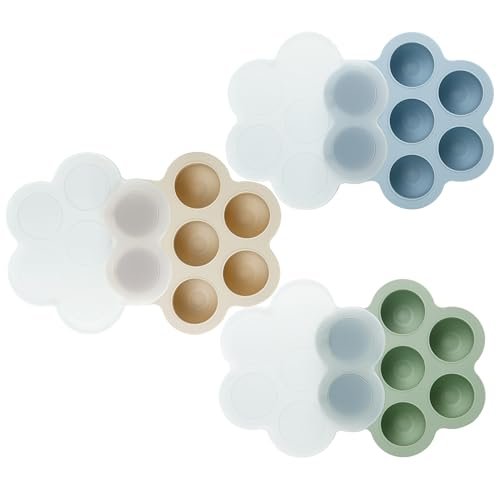
PandaEar 3 Pack Baby Food Freezer Tray with Lids
 Ideal for portioning single servings of puree for new eaters, no thawing required to pop out frozen portions.
Best for parents making small, varied batches of purees. Each of the three included silicone trays has 9 individual 1oz portions, perfect for infants just starting solids who need tiny, single-serving amounts to test for allergies. The included snap-on lids create an airtight seal that prevents freezer burn and cross-contamination of odors between batches, so apple puree won’t taste like carrot. The flexible silicone makes popping out frozen portions effortless — just push up from the bottom — no thawing required if you’re adding a portion directly to a warm bowl. The only downside is that thin silicone can tear if you use sharp metal utensils to pry out frozen portions, so stick to silicone or plastic spoons. The bright blue, green, and carnation colors also make it easy to color-code purees by food type or date.
Grab the 3-pack silicone tray set here to cut down on bulk prep time and reduce food waste.
Samuelworld Baby Food Storage Container (12-Portion Silicone Tray)
 The secure clip-on lid prevents leaks even when stored alongside heavy items in the freezer.
Best for parents who primarily store breast milk alongside purees, thanks to the secure clip-on lid that prevents leaks even when the tray is jostled in the freezer. The tray has 12 individual 2.5oz portions, which is the perfect size for infants 6–12 months old who are increasing their solid food intake. The BPA-free silicone is flexible enough to pop out frozen portions without thawing, and the compact design fits easily in most standard freezer doors or shelves. The clip-on lid is more secure than standard snap-on lids, but some users with limited hand dexterity (e.g., parents recovering from C-sections) may find it harder to fasten than simpler lid designs. The 2.5oz portions are also too small for toddlers, so this tray is best used for younger babies.
Shop the 12-portion silicone freezer tray here for secure, leak-proof breast milk and puree storage.
PandaEar 12 Pack Silicone Baby Food Storage Containers
 Airtight, leak-proof design makes these perfect for on-the-go toddler snacks and meals.
Best for parents of toddlers who need larger, portable portions for snacks or meals on the go. The 4oz containers are larger than standard infant puree portions, making them ideal for toddlers who eat 2–3 servings per sitting. The airtight, leak-proof lids lock in freshness and prevent spills in diaper bags or lunch boxes, and the containers are microwave, dishwasher, and freezer safe for easy prep and cleanup. The compact, stackable design saves space in the freezer and pantry, and the BPA-free silicone is odor- and stain-resistant, so you don’t have to worry about lingering carrot or broccoli smells after washing. The only downside is that the 4oz size is too large for infants just starting solids, and silicone can retain strong odors if you store pungent foods like fish or garlic purees without washing immediately.
Shop the 12-pack portable silicone containers here for mess-free on-the-go feeding and snack storage.
Best Glass Freezer Jars
Glass jars are the top choice for parents who want a non-porous, chemical-free storage solution that lasts for years. They don’t absorb odors or stains, making them ideal for long-term storage of a wide variety of purees, and most are rated for direct transfer from freezer to microwave.
WeeSprout 4oz Glass Baby Food Storage Jars (12 Pack)
 Non-porous glass prevents odor absorption, keeping purees tasting fresh for months.
Best for eco-conscious parents who want to avoid single-use plastic packaging entirely. The borosilicate glass jars are 100% non-porous, so they won’t absorb odors, stains, or bacteria from strong-tasting purees like spinach or fish, making them ideal for long-term freezer storage. The leak-proof, BPA-free lids create an airtight seal that prevents freezer burn, and the jars are safe to use in the microwave, dishwasher, and freezer. The matte pastel colors are attractive and make it easy to sort purees by type or date, and the 4oz size is standard for infant portions. The tradeoff is that glass is heavier and more fragile than plastic or silicone, so these are best kept at home rather than transported for on-the-go use.
Get the 12-pack eco-friendly glass jar set here for long-lasting, chemical-free puree storage.
KeaBabies 12pk 4oz Glass Baby Food Containers
 Stackable design saves valuable freezer space for families with limited storage.
Best for parents who want a stackable glass jar set that saves freezer space. The 4oz jars are designed with flat, stackable lids that let you pile jars on top of each other without them tipping over, which is a huge plus for families with limited freezer space. The leak-proof, BPA-free lids create a tight seal that prevents spills and freezer burn, and the jars are safe to use in the microwave, dishwasher, and freezer. The neutral, minimalist design fits well with modern kitchen decor, and the 12-pack is a good middle-ground size for families who prep 2–3 batches of puree per week. The only downside is that the stackable design can make it harder to grab a single jar from the bottom of a stack if they’re frozen solid, so you may need to thaw the bottom jar first before removing it.
Shop the 12-pack stackable glass jar set here for space-saving freezer storage.
DRKIO 6 Pack Glass Baby Food Storage Containers
 Leak-proof lids make these jars perfect for transporting purees to daycare or on trips.
Best for new parents who want a small starter set of glass jars to test homemade purees before investing in a larger batch. The 4oz size matches standard store-bought baby food portions, so you can easily swap them out for pre-made jars when you’re short on time. The 100% leak-proof lids prevent messy spills in the freezer or diaper bag, and the jars are safe to use in the microwave, dishwasher, and freezer, making cleanup and reheating hassle-free. The multi-color design lets you code purees by date or food type, so you never have to guess what’s in a frozen jar. The only tradeoff is that glass is fragile if dropped, so these are best kept at home rather than in a diaper bag for on-the-go use.
Get the 6-pack starter glass jar set here to try homemade purees without a big upfront investment.
DRKIO 12 Pack Glass Baby Food Storage Containers
 Bulk 12-pack set is cost-effective for families who prep multiple weeks of purees at once.
Best for large families or parents who prep multiple weeks of purees at once. The 12-pack of 4oz glass jars offers the same leak-proof, BPA-free, microwave/dishwasher/freezer-safe features as the 6-pack DRKIO set, but at a lower per-jar cost for bulk buyers. The multi-colored lids let you sort purees by food type, date, or even by baby if you have multiples, and the jars are made from durable borosilicate glass that resists cracking from temperature changes. The 12-pack is cost-effective for families who go through 4+ servings of puree per day, but the set weighs over 20 pounds total, so it’s not ideal for transport. The multi-color design may also not fit all kitchen decors if you prefer neutral tones.
Grab the 12-pack bulk glass jar set here for long-term, high-volume puree storage.
RowinsyDD 32-Pack Leakproof 4oz Glass Baby Food Jars
 32-pack set is the most cost-effective option for families who use 5+ puree servings per day.
Best for parents who prep large batches of purees weekly and want a long-lasting, non-porous storage solution. The 4oz glass jars are made from borosilicate glass, which resists cracking from extreme temperature changes, so you can move them straight from the freezer to the microwave without worrying about breakage. The leak-proof, BPA-free lids create a tight seal that prevents spills in the freezer or diaper bag, and the multi-colored lids make it easy to sort purees by type (e.g., green for veggies, orange for fruit, red for meat). The 32-pack is cost-effective for families who go through 2–3 purees a day, but the set weighs over 10 pounds total, so it’s less ideal for parents who frequently transport jars to daycare or on trips. Note that the 2.5-inch height is standard for baby food jars, but may feel small for toddlers who need larger portions.
Shop the 32-pack leakproof glass jar set here for a durable, chemical-free storage option that lasts through years of baby food prep.
Best BPA-Free Plastic Freezer Containers
Plastic containers are the lightest, most shatterproof option, making them ideal for travel, daycare, or families with active toddlers who may drop containers regularly. They’re also the most budget-friendly option for bulk storage.
VITEVER 16 Pack 4oz Small Containers with Lids
 Lightweight, shatterproof design is perfect for diaper bags and on-the-go meals.
Best for budget-conscious parents who need a lightweight, shatterproof option for travel or daycare. The BPA-free plastic containers are much lighter than glass, so they’re easy to toss in a diaper bag or lunch box without adding extra weight. The airtight lids create a leak-proof seal that prevents spills, and the containers are dishwasher, microwave, and freezer safe for everyday use. The 4oz size is standard for baby food portions, and the 16-pack is one of the most affordable options on the market for bulk storage. The tradeoff is that plastic can absorb odors and stains over time, especially if you wash it in the dishwasher regularly, so these are best for short-term storage (under 3 months) rather than long-term freezer use. They’re also not as durable as glass or thick silicone, so they may crack if dropped or exposed to extreme temperature changes.
Grab the 16-pack BPA-free plastic containers here for affordable, lightweight storage perfect for daycare and travel.
Frequently Asked Questions
We’ve answered the most common questions parents have about freezer storage for homemade baby purees:
What Are Baby Food Storage Containers?
Baby food storage containers are reusable, food-safe vessels designed specifically to hold, freeze, and reheat homemade infant purees, breast milk, and toddler snacks. Unlike generic plastic Tupperware, they are rated for extreme temperature changes (from freezer to microwave) and feature airtight seals to prevent freezer burn, bacterial contamination, and spills. They come in three primary materials: food-grade silicone, borosilicate glass, and BPA-free plastic, with portion sizes ranging from 1oz for new eaters to 8oz for toddlers. Many are also leak-proof, making them suitable for transport to daycare or on family outings.
Are Silicone Baby Food Containers Safe?
Yes, food-grade silicone baby food containers are safe for storing and reheating infant food when they are certified BPA-free, phthalate-free, and lead-free by a third-party testing lab (look for FDA or CPSC certification on the product packaging). Silicone is non-porous, so it won’t absorb odors, stains, or bacteria from food, and it withstands temperatures from -40°F to 450°F without warping or releasing harmful chemicals. A common mistake parents make is buying low-quality, uncertified silicone that may contain fillers; these often feel sticky or have a strong chemical smell when first opened, and should be avoided for baby food storage.
How Do I Store Baby Food In The Freezer?
To store baby food in the freezer safely:
- Let cooked purees cool completely to room temperature (no more than 2 hours, per FDA guidance) before sealing to prevent ice crystals and freezer burn.
- Leave ½ inch of headspace at the top of each container to account for liquid expansion when frozen.
- Seal lids tightly to create an airtight barrier against freezer air.
- Label every container with the food type and date frozen using a dry-erase marker (for glass/silicone) or waterproof sticker.
- Store containers in the back of the freezer, not the door, to maintain a consistent 0°F (-18°C) temperature, which prevents thawing and refreezing that degrades food quality.
Can Baby Food Containers Be Microwaved?
Most glass and food-grade silicone baby food containers are microwave safe, but always check the manufacturer’s instructions first, as some plastic containers or lids with metal seals are not rated for microwave use. When reheating frozen purees:
- Remove the lid to allow steam to escape (prevents pressure buildup and splatters).
- Heat in 15-second intervals, stirring thoroughly between each to eliminate hot spots that can burn a baby’s mouth.
- Test the temperature of the puree on the inside of your wrist before serving; it should be lukewarm, not hot. Never microwave purees in plastic containers that are not explicitly labeled microwave safe, as heat can cause BPA or other chemicals to leach into the food.
How Do I Clean Baby Food Storage Containers?
Most baby food containers are top-rack dishwasher safe, which is the easiest way to sanitize them between uses. For hand washing:
- Use warm, soapy water and a specialized kitchen cleaning brush set to scrub all surfaces, including lid threads and silicone crevices where puree residue can hide.
- Rinse thoroughly to remove all soap residue, which can cause stomach upset if ingested.
- Air dry completely on a clean drying rack before storing to prevent mold and bacterial growth. For stubborn stains from foods like carrots or beets, soak containers in a mixture of warm water and baking soda for 30 minutes before washing.
Conclusion
Choosing the right freezer storage containers for homemade baby purees doesn’t have to be overwhelming. For most families, a hybrid setup works best: use silicone freezer trays for bulk batch prepping of small 1oz portions for new eaters, and stackable glass jars for long-term storage of larger 4oz servings for older babies and toddlers. Prioritize containers that are BPA-free, airtight, and rated for freezer, microwave, and dishwasher use to cut down on prep and cleanup time. Always follow safe storage guidelines: cool purees fully before freezing, leave headspace for expansion, label every container with a date, and thaw in the refrigerator rather than at room temperature to prevent bacterial growth.
If you’re just starting your homemade baby food journey, a small 6-pack glass jar set is a low-cost, low-commitment option to test the process before investing in a larger collection. For families who prep multiple batches a week, a 12 or 32-pack glass set will save you money and reduce food waste long-term. Ready to streamline your baby food prep? Browse our top-rated container picks above to find the perfect fit for your family’s needs, and check out our guide to kid-friendly kitchen organization to keep your workspace safe and organized while you cook.

I’m Abby Lu, a passionate home cook who loves simplifying everyday meals. At PlugChef.com, I share product reviews and cooking guides to help you find the best tools for your kitchen.
Similar Posts