
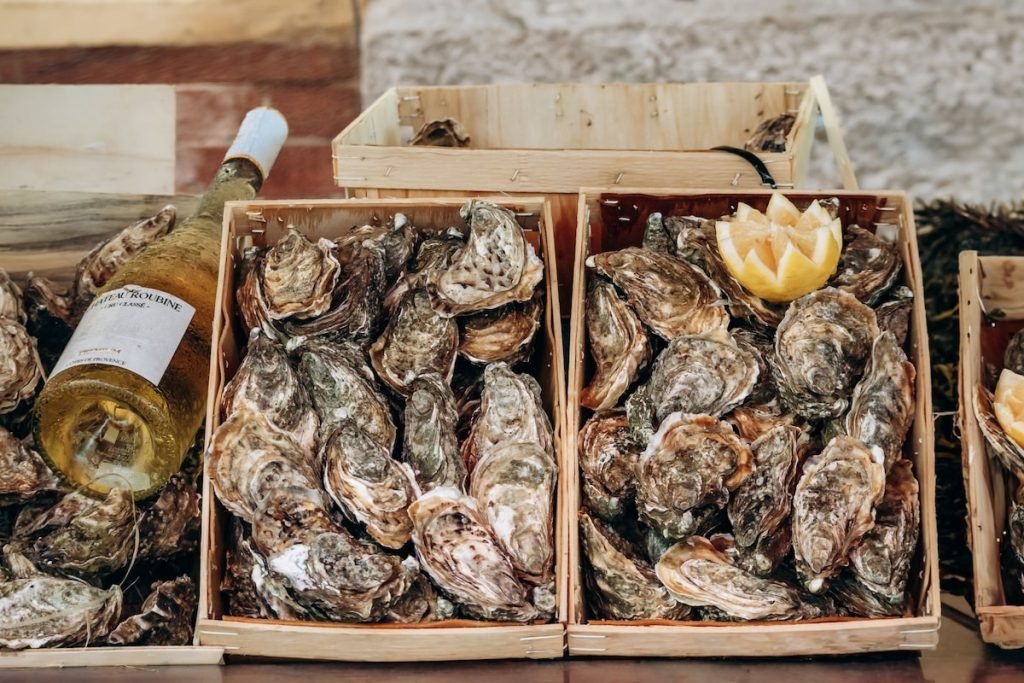
Are oysters good in February? If you love seafood or are curious about eating oysters, this question might have crossed your mind.
You want to enjoy oysters that taste fresh and are safe to eat. But does February offer the best time for that? Keep reading, and you’ll discover surprising facts that can change how you choose and enjoy oysters during the colder months.
By the end, you’ll know exactly when and why oysters can be a delicious treat for you—even in February.

Credit: www.theoysterbar.net
Seasonal Freshness Of Oysters
Oysters show different levels of freshness depending on the season. Their taste and quality change as they grow and mature. February is an interesting month for oyster lovers because it falls in the middle of many oyster harvesting cycles. Understanding how oysters respond to the season helps in choosing the freshest ones.
Oyster Harvesting Cycles
Oysters grow in cycles that depend on water temperature and food supply. They usually mature in colder months. Harvesting peaks in winter and early spring. This timing ensures oysters are plump and full of flavor. Farmers avoid harvesting during spawning season to keep oyster populations healthy. February often falls in the prime harvesting window.
Impact Of February Weather
February weather is cold in many oyster-growing regions. Cold water slows down oyster metabolism. This helps oysters maintain their texture and taste. Cold water also reduces harmful bacteria growth. Oysters harvested in February are less likely to spoil quickly. The chill preserves their natural sweetness and briny flavor.
Regional Variations In Freshness
Oyster freshness varies by region due to climate differences. Coastal areas with colder waters have fresher oysters in February. Warmer regions may see fewer oysters at peak freshness. Local water quality influences oyster taste and safety. Checking where oysters come from helps find the freshest catch. Some regions specialize in winter oyster farming for better flavor.

Credit: oysterencyclopedia.com
Flavor Profile In February
February brings a distinct flavor to oysters that many seafood lovers appreciate. The cold waters influence their taste and texture, making them unique during this month. Understanding these changes helps in selecting the best oysters and enjoying their full flavor.
Taste Differences By Season
Oysters in February tend to have a cleaner, brinier taste. The cold water slows their metabolism, reducing sweetness. This brings out a sharper, saltier flavor. Some describe it as crisp and fresh, with a mild mineral note. These taste changes reflect the oyster’s environment and diet in winter.
Texture Changes During Winter
Winter oysters feel firmer and meatier than in warmer months. The cold water helps oysters build up muscle, improving their texture. They often have a plumper, juicier bite. This makes eating oysters in February a more satisfying experience. The firm texture pairs well with simple preparations.
Pairing Oysters With Seasonal Ingredients
Pairing oysters with winter ingredients enhances their flavor. Citrus fruits like lemon and grapefruit add bright acidity. Root vegetables such as horseradish and celery root offer a spicy, earthy contrast. Fresh herbs like parsley and dill bring a light, herbal note. These combinations highlight the oysters’ natural taste in February.
Health Benefits Of Eating Oysters
Oysters are a delicious and nutritious seafood choice, especially in February. They offer numerous health benefits that make them a great addition to your diet. Let’s explore why eating oysters can be beneficial for your health.
Nutritional Value In Winter Months
Oysters are rich in essential nutrients. They provide high amounts of zinc, vitamin D, and omega-3 fatty acids. These nutrients are crucial, especially during the winter months. Zinc supports healthy cell function. Vitamin D boosts your mood on dreary days. Omega-3s promote heart health.
Oysters And Immune Support
Eating oysters can strengthen your immune system. They are packed with antioxidants and minerals. These help fight off infections and keep you healthy. Zinc in oysters plays a vital role in immune function. It helps your body resist common winter illnesses.
Risks And Safety Tips
While oysters offer many benefits, they also have risks. Raw oysters can carry harmful bacteria. Always buy from reputable sources. Ensure they are fresh and stored correctly. Cook oysters thoroughly to kill any bacteria. Pregnant women should avoid raw oysters to prevent foodborne illness.
Sourcing And Storage Tips
Knowing how to source and store oysters is key to enjoying them in February. Fresh oysters taste best and are safe to eat when handled right. Proper selection and storage keep their flavor and texture intact.
Careful choices help avoid spoiled or unsafe oysters. Correct storage slows spoilage and maintains freshness. Understanding local versus imported oysters helps find the best options for quality and price.
How To Choose Fresh Oysters
- Pick oysters that smell like the sea, not fishy or bad.
- Shells should be closed tightly; open shells mean the oyster is dead.
- Look for clean, unbroken shells without cracks or damage.
- Choose oysters that feel heavy for their size, indicating they hold water.
Proper Storage Techniques
- Keep oysters cold, ideally between 35°F and 40°F (1.5°C to 4.5°C).
- Store oysters in a container covered with a wet cloth to keep them moist.
- Do not store oysters in airtight bags or containers; they need to breathe.
- Use oysters within 7 days for best taste and safety.
Buying From Local Vs. Imported Sources
Local oysters often arrive fresher and support nearby fisheries. They reflect the natural taste of your region. Imported oysters may travel longer, risking freshness. They might be available when local oysters are out of season. Compare prices and freshness before buying. Choose the source that offers the best quality for your needs.
Sustainability And Environmental Impact
Sustainability and environmental impact are key factors to consider when deciding whether oysters are a good choice in February. Oysters can play a positive role in marine ecosystems if harvested and farmed responsibly. Understanding how oyster farming works and its effects on the environment helps you make informed decisions that support ocean health.
Oyster Farming Practices
Oyster farming often uses methods that improve water quality by filtering out pollutants. Unlike many seafood options, oysters don’t require feed or chemicals, reducing environmental strain. Some farms even create habitats that support other marine life, turning oyster beds into mini-ecosystems.
However, not all oyster farms operate equally. You should look for farms that use sustainable practices like rotating beds and avoiding overcrowding to prevent damage to local ecosystems. Have you checked if your oyster supplier follows eco-friendly guidelines?
Effects Of Seasonal Demand
Demand for oysters spikes in certain months, including February, which can pressure natural oyster populations. Overharvesting during these peak times risks depleting oyster beds and disrupting local marine balance. This can lead to fewer oysters next season and harm water quality where they once thrived.
Choosing oysters outside of peak harvest seasons or from regulated sources helps ease this pressure. Your choices can encourage sustainable harvesting that matches nature’s cycles instead of forcing them.
Supporting Eco-friendly Producers
Finding and supporting oyster producers who prioritize sustainability makes a big environmental difference. Look for certifications or clear transparency about farming methods. Many eco-friendly farms invite customers to visit or learn about their practices, which can deepen your connection to your food’s origin.
When you support these producers, you help protect marine habitats and promote responsible seafood markets. What steps can you take today to ensure your oysters come from sources that care about the planet as much as you do?

Credit: ediblecommunities.com
Frequently Asked Questions
Are Oysters Safe To Eat In February?
Yes, oysters are safe to eat in February. Cold water temperatures slow bacterial growth, keeping oysters fresh and safe. Many consider winter months the best season for oysters due to their firm texture and rich flavor during this time.
Why Are Oysters Better In Colder Months?
Oysters are better in colder months because they are less likely to spawn. Spawning affects taste and texture negatively. Cold water also enhances their natural sweetness, making February an ideal month for enjoying fresh, tasty oysters.
How Does February Affect Oyster Flavor?
February’s cold temperatures improve oyster flavor by preserving their natural brininess. Cooler water maintains oyster freshness and firmness, resulting in a clean, crisp taste. Many oyster lovers prefer this season for the best eating experience.
Can I Find Fresh Oysters In February?
Yes, fresh oysters are available in February. This month is within oyster harvesting season in many regions. Seafood markets and restaurants often stock fresh oysters, offering quality and taste that peak during winter months.
Conclusion
Oysters in February can be fresh and tasty. Cold water helps keep them safe to eat. Many people enjoy their rich, briny flavor this time of year. Eating oysters now supports local fishermen and sustainable seafood. Just make sure to buy from trusted sources.
Enjoy oysters as part of a healthy diet. They offer protein, vitamins, and minerals. So, February is a good month to savor oysters. Give them a try and taste the season’s best.

Hi, I’m Daniel Brooks—a food lover and kitchen gear enthusiast. I enjoy testing cookware, utensils, and gadgets to see what really works in everyday cooking. At PlugChef.com, I share honest reviews, comparisons, and simple guides to help you choose the best tools for a safer, smarter, and more enjoyable kitchen.
Related posts:
 What Type of Cooking Utensils are Safe: Expert Picks
 What Innovations Could Blenders Make: Unleashing Future Tech
 Smart Strategies to Organize a Small Kitchen: Maximize Space
 How to Organize a Kitchen Cabinet: Expert Tips & Tricks
 How to Organize Kitchen Drawers: Expert Tips and Tricks
 How to Organize a Corner Kitchen Cupboard: Expert Tips

