
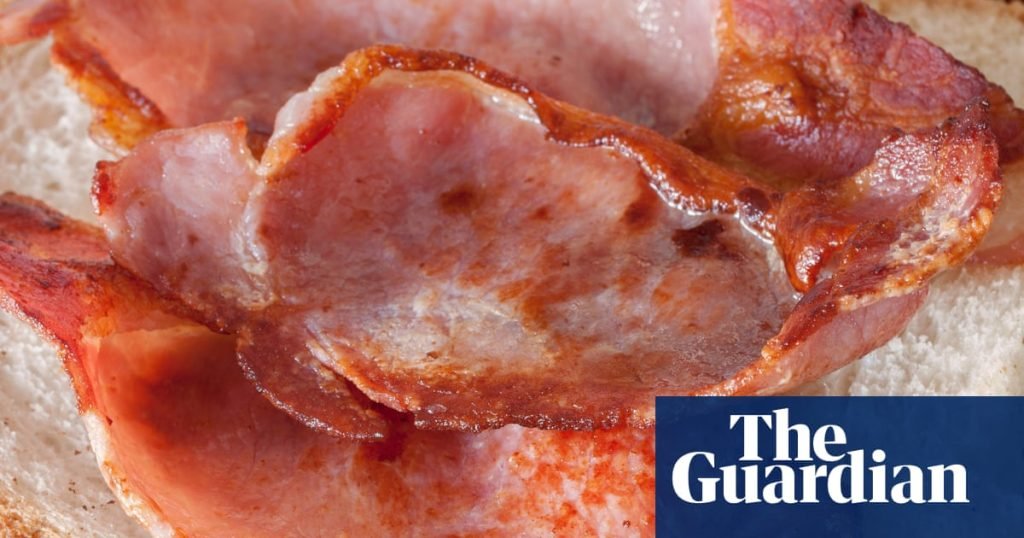
If you’ve ever stood in the grocery store bacon aisle confused about why Canadian bacon is round, lean, and costs twice as much as the streaky strips labeled “American bacon,” you’re not alone. The two cuts share a name but have almost nothing else in common: they come from entirely different parts of the pig, are prepared with distinct methods, and work for completely different recipes. By the end of this guide, you’ll know exactly how to tell them apart, which one to buy for your next meal, and how to cook each to perfection.
Origins and Culinary History
American Bacon Roots
American bacon, most often called streaky bacon in the US, traces its roots to 17th-century English settlers who brought dry-curing pork methods to the colonies. Early Americans prioritized pork belly for curing because its high fat content acted as a natural preservative, allowing the meat to last for months without refrigeration. The practice of smoking cured pork belly over hardwood (most commonly hickory) became widespread in the 19th century as commercial smokehouses opened, turning bacon from a subsistence staple into a mass-market breakfast mainstay. Today, the US consumes an average of 18 pounds of bacon per person per year, with streaky American bacon making up more than 90% of total sales.
Canadian Bacon Background
It’s worth noting upfront that “Canadian bacon” is a nearly exclusively American label: in Canada, this cut is almost universally called back bacon, and if you ask for “bacon” at a Canadian diner, you’ll get this lean loin cut, not the fatty streaky strips common in the US. The cut originated with British and Irish immigrants to Canada in the 18th and 19th centuries, who favored lean pork loin for curing because it was easier to transport and had a longer shelf life for frontier communities. The “Canadian bacon” name stuck in the US in the early 20th century, when Canadian meat packers began exporting their cured pork loin to American markets as a premium, lean alternative to fatty streaky bacon.

Core Cut and Preparation Differences
Primary Meat Cut
The single biggest difference between the two cuts comes from the part of the pig they’re sourced from. American bacon is cut from the pork belly, the fatty underside of the pig that features alternating layers of lean muscle and solid fat, giving it its signature streaky appearance. Canadian bacon is cut from the pork loin, a long, lean muscle that runs along the pig’s spine with almost no internal fat marbling. This difference in source is why Canadian bacon slices are perfectly round (matching the cylindrical shape of the pork loin) while American bacon slices are long and irregular, matching the flat shape of the pork belly.
Curing and Smoking Processes
Both cuts are cured to preserve them and add flavor, but the processes differ significantly. Most American bacon is either dry-cured (rubbed with a mix of salt, sugar, and spices, then left to cure for 7–14 days) or wet-cured (soaked in a salt brine). Many commercial versions add sodium nitrite to preserve the bacon’s signature pink color and prevent bacterial growth. American bacon is sold raw, and is almost always smoked for 2–6 hours over hardwoods like hickory, apple, or cherry to add depth of flavor.
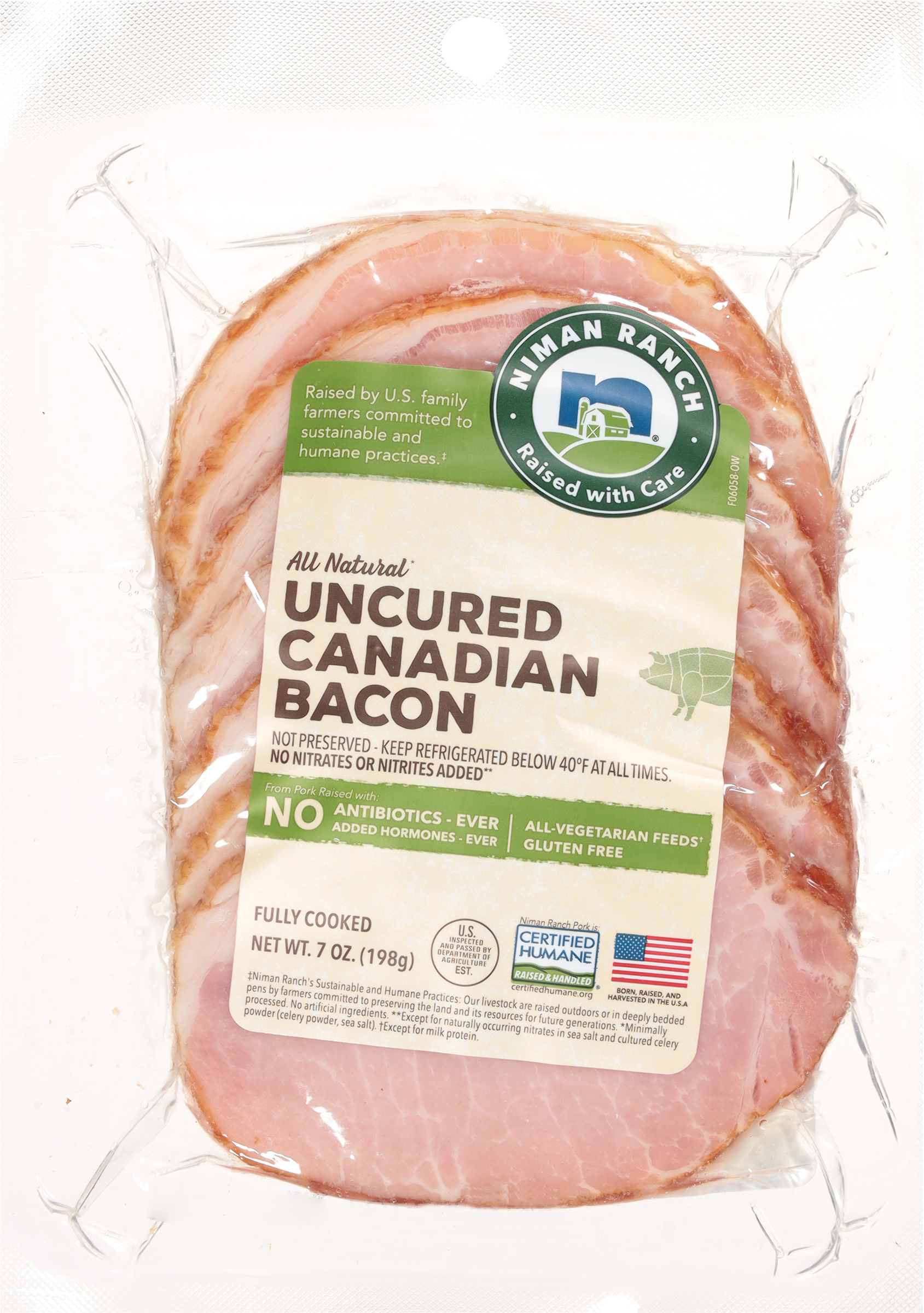
Canadian bacon is almost always wet-cured first, then fully cooked to an internal temperature of 160°F before packaging, making it safe to eat cold straight from the package. It is smoked for a shorter 1–2 hour period over milder woods like maple or beech, so the smoke flavor is subtle and does not overpower the lean meat. A common misconception is that Canadian bacon is just “thin American bacon” — this is false. The cut is entirely different, and the pre-cooking step eliminates the food safety risk of eating it raw.
Appearance and Texture Breakdown
Visual Identification
American bacon is typically cut 1/16 to 1/8 inch thick, with 50–70% of its weight coming from fat. When cooked, it shrinks 30–40% as its fat renders out, leaving thin, crispy strips with a mix of browned meat and melted fat. Canadian bacon is cut 1/4 to 1/2 inch thick, with less than 10% fat content (most of which is a thin rim around the edge of the slice). It shrinks less than 10% when cooked, retaining its thick, round shape and uniform lean appearance.
Textural Properties
American bacon’s high fat content gives it a signature crisp texture when cooked properly: the fat melts completely, leaving the lean meat with a slight crunch and a satisfying snap when bitten. Canadian bacon has a dense, firm texture similar to a thick slice of ham, with no crispness unless it is overcooked to the point of drying out. Its lean composition gives it a hearty, chewy bite that holds up well in sandwiches without crumbling.
Flavor Profile Comparison
American Bacon Flavor
American bacon has a bold, variable flavor profile depending on its cure: sweet versions are infused with brown sugar or maple syrup for a caramelized note, while savory versions use only salt and spices for a clean, salty pork punch. Smoking adds a layer of umami richness, with hickory delivering a strong, classic smoky flavor and fruit woods like apple adding a subtle sweetness. The rendered fat carries most of the flavor, making American bacon taste rich, indulgent, and intensely savory.
Canadian Bacon Flavor
Canadian bacon has a much milder, cleaner flavor, with a subtle pork taste that is closer to ham than traditional bacon. The wet-curing brine adds a faint sweetness, and the short smoke time imparts only a light, background smoky note. Most Canadian bacon is less salty than American bacon, making it a good choice for dishes where you want a hint of pork flavor without overpowering other ingredients like eggs, cheese, or hollandaise sauce.
Cooking Methods and Best Practices
Perfecting American Bacon
To get the signature crispness of American bacon, avoid high heat at all costs: cooking on high will burn the exterior before the fat has time to render, leaving you with chewy, uncrisped strips. For stovetop cooking, start with a cold pan, lay strips in a single layer, and cook over medium-low heat for 8–12 minutes, flipping halfway through. Drain on paper towels before serving to remove excess grease. For hands-off, mess-free cooking, preheat your oven to 400°F, place strips on a wire rack set over a baking sheet, and bake for 15–20 minutes until crisp to your liking.
Cooking Canadian Bacon to Perfection
Canadian bacon’s low fat content means it dries out quickly if overcooked, so keep heat moderate and cooking times short. For stovetop cooking, heat a non-stick pan over medium heat with a tiny bit of oil or butter, then cook slices for 1–2 minutes per side until lightly browned on the exterior and heated through. For meal prep, preheat your oven to 375°F and bake slices for 8–10 minutes. In practice, Canadian bacon’s pre-cooked status makes it a staple in fast food breakfast sandwiches, as it can be heated through in a microwave or pan in under 60 seconds without releasing excess grease that would make bread soggy.
Nutritional Comparison
Both cuts come from pork, but their drastically different fat content leads to very different nutritional profiles. Values below are per 1-ounce (28g) serving, sourced from USDA FoodData Central, and represent a standard serving size of 2–3 slices of American bacon or 3–4 slices of Canadian bacon:
| Nutrient | American Bacon (per 1 oz) | Canadian Bacon (per 1 oz) |
|---|---|---|
| Calories | 129 | 46 |
| Total Fat | 10g | 1g |
| Saturated Fat | 3.5g | 0.3g |
| Protein | 9g | 8g |
| Sodium | 371mg | 230mg |
| Iron | 0.4mg | 0.3mg |
| Niacin (B3) | 3.8mg | 4.2mg |
While Canadian bacon is far lower in fat and calories, both cuts are classified as processed meat by the World Health Organization, which links regular high consumption of processed pork to increased colorectal cancer risk. As with all processed meats, both types are best enjoyed in moderation as part of a balanced diet.
Culinary Uses and Substitution Tips
Best Dishes for American Bacon
American bacon’s crisp texture and bold smoky flavor make it the only right choice for dishes where bacon is the star ingredient:
- Classic BLT sandwiches, where its crispness holds up to juicy tomato and lettuce without getting soggy
- Bacon-wrapped appetizers like jalapeño poppers, asparagus spears, or dates
- Crumbled toppings for salads, soups, and pasta dishes like carbonara
- Burger and sandwich toppings where you want a crunchy, savory crunch
- Breakfast plates with eggs and potatoes, where rendered bacon grease adds extra flavor to the whole dish
Ideal Recipes for Canadian Bacon
Canadian bacon’s lean, meaty texture and mild flavor make it perfect for dishes where you don’t want bacon to overpower other ingredients:
- Eggs Benedict, where its round shape fits perfectly on an English muffin and its mild flavor complements hollandaise sauce
- Fast, greaseless breakfast sandwiches, as it cooks in under 2 minutes and won’t soak through bread
- Pizza toppings, either as part of a classic Canadian pizza with pineapple or as a leaner alternative to pepperoni
- Quiches, frittatas, and casseroles, where it adds protein without excess grease
- Warm salad add-ins, where a light sear adds savoriness without wilting greens
Substitution Guidelines
You can substitute one for the other in most recipes, but expect significant changes to texture and flavor: swapping American for Canadian will result in a less crispy, less smoky dish, while swapping Canadian for American will add excess grease and a stronger pork flavor. Avoid substituting Canadian for American in recipes that rely on rendered bacon fat, such as sautéing vegetables or making gravies, as Canadian bacon has almost no fat to render.
Cultural Significance in North America
American Bacon as a Cultural Icon
American streaky bacon is far more than a breakfast staple: it is a core part of US comfort food culture, tied to nostalgia, indulgence, and casual dining. The rise of commercial bacon production in the late 19th century made it affordable for working-class households, and it has remained a pantry mainstay ever since. The US bacon craze has spawned hundreds of local festivals, bacon-of-the-month clubs, and even bacon-wrapped desserts, cementing its status as one of the most recognizable comfort foods in the country.
Canadian Back Bacon in Local Cuisine
In Canada, back bacon (the local name for Canadian bacon) is the default “bacon” served in diners and breakfast restaurants across the country. It is often viewed as a healthier, leaner alternative to streaky bacon, and is a staple of traditional Canadian breakfast plates alongside eggs, toast, and home fries. Unlike American bacon, it is not tied to the same level of cultural nostalgia or viral food trends, and is generally seen as a practical, everyday protein rather than an indulgence.
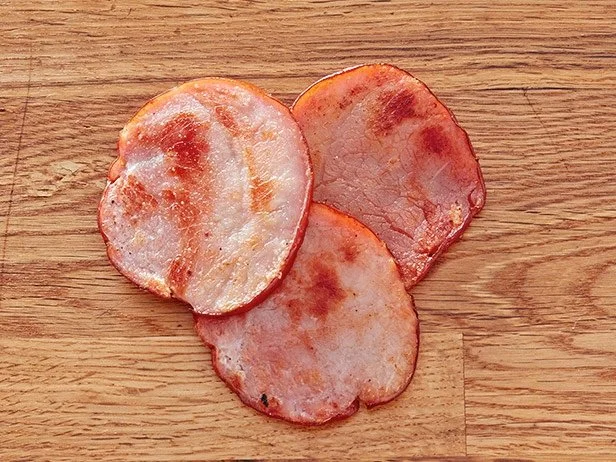 Cooked Canadian bacon as part of a classic North American breakfast spread
Frequently Asked Questions
What is the main difference between American and Canadian bacon?
American bacon is cut from pork belly, is sold raw, and has a high fat content that crisps up when cooked. Canadian bacon is cut from pork loin, is fully cooked before packaging, and has a lean, ham-like texture with very little fat.
Why is Canadian bacon called Canadian bacon if it’s sold worldwide?
The name originated in the early 20th century, when Canadian meat packers began exporting their cured pork loin to the US. American marketers labeled it “Canadian bacon” to distinguish it from the fatty streaky bacon already popular in the US, and the name stuck globally even though the cut is not uniquely Canadian.
Can you eat Canadian bacon raw?
Yes, because it is fully cooked to 160°F during processing, Canadian bacon is safe to eat straight from the package without additional cooking. American bacon, by contrast, is sold raw and must be cooked to a minimum internal temperature of 145°F before eating.
Which bacon type is healthier?
Canadian bacon is lower in fat, calories, and sodium per serving, making it a better choice for people following low-fat or low-sodium diets. That said, both cuts are processed meat, so neither is a “health food” and both should be eaten in moderation.
Can Canadian bacon replace American bacon in recipes?
Yes, but expect changes to texture and flavor: Canadian bacon will not crisp up, and its milder flavor will not deliver the same smoky punch as American bacon. Avoid substituting it in recipes that rely on rendered bacon fat for cooking or flavor.
How long does each type of bacon last in the fridge or freezer?
Unopened American bacon will last 1–2 weeks in the fridge and 6–8 months in the freezer. Unopened Canadian bacon will last 1–2 weeks in the fridge and 3–4 months in the freezer. Once opened, both should be used within 5–7 days if stored in the fridge.
Conclusion
American bacon and Canadian bacon are two entirely distinct cuts, each built for different cooking needs and flavor preferences. American bacon delivers bold, smoky crunch perfect for dishes where bacon is the star, while Canadian bacon offers a lean, mild, meaty bite ideal for sandwiches, eggs Benedict, and quick weeknight meals. The next time you’re at the grocery store, grab a pack of each and test them in your favorite recipes to find your preferred cut — your taste buds will thank you. For more tested kitchen tips, product reviews, and easy recipes to simplify your cooking routine, browse our full blog library today.
Cleaning up rendered bacon grease after cooking American bacon is far more efficient with a heavy-duty kitchen cleaning brush designed for non-stick cookware, as it lifts stuck-on fat without scratching surfaces. For families with young kids, installing child-proof cabinet locks no drilling on lower kitchen cabinets keeps little ones away from raw bacon and hot pans during meal prep. When making quick Canadian bacon breakfast sandwiches, a dish scrub brush with soap dispenser cuts down on cleanup time by letting you apply dish soap directly to the brush while scrubbing plates and utensils. To keep your fridge grease-free when storing bacon, use a kitchen cleaning brush set to scrub spills from shelves without damaging the interior. Our blog library is full of additional tested kitchen tips, product reviews, and easy recipes to simplify your cooking routine.
Credit: www.yahoo.com
Credit: www.foodnetwork.com Credit: www.nutritionix.com
Quick Buying Guide
When choosing between the two cuts, match the bacon to your recipe, dietary needs, and budget:
- Pick American bacon if you want crispy, smoky flavor for breakfast plates, BLTs, bacon-wrapped appetizers, or dishes that rely on rendered bacon fat for cooking. Look for thick-cut varieties for extra crispness, and choose nitrate-free options if you prefer a cleaner label. It typically costs $3–$5 per pound, making it the more budget-friendly everyday option.
- Pick Canadian bacon if you need a lean, pre-cooked protein for eggs Benedict, quick breakfast sandwiches, pizzas, or low-fat meal prep. Verify the label says “fully cooked” for food safety, and opt for low-sodium versions if you’re monitoring your salt intake. It usually runs $6–$9 per pound due to its leaner cut and extra processing steps.
- Storage tip: Unopened American bacon lasts 1–2 weeks in the refrigerator and 6–8 months frozen; unopened Canadian bacon lasts 1–2 weeks refrigerated and 3–4 months frozen. Once opened, both stay fresh 5–7 days in the fridge.

I’m Abby Lu, a passionate home cook who loves simplifying everyday meals. At PlugChef.com, I share product reviews and cooking guides to help you find the best tools for your kitchen.
Related posts:
 Seville Expandable Cabinet And Pantry Organizer: Space Savior
 Glideware Pull Out Cabinet Organizer for Pots & Pans: Space Saver
 Small 3-Tier Shelf Organizer: Maximize Space Effortlessly
 Trader Joe’S Spicy Lentil Wrap: Delicious, Healthy, and Quick Meal!
 Easy Way to Peel Pumpkin: Quick Tips for Effortless Prep
 How Long Do Grapes Last: Ultimate Freshness Guide Revealed

