

Are you looking for quick and tasty ways to add a healthy twist to your meals? Canned butternut squash is your secret weapon.
It’s convenient, packed with nutrients, and ready to use whenever you want. Imagine whipping up comforting soups, creamy pastas, or even sweet desserts—all with just one simple ingredient. Keep reading, and you’ll discover easy recipes that make your cooking faster, your flavors richer, and your kitchen time more enjoyable.
Let’s get started!
Benefits Of Canned Butternut Squash
Canned butternut squash offers a smart alternative to fresh produce without sacrificing taste or nutrition. It allows you to enjoy the rich, creamy texture and natural sweetness of butternut squash all year round. Let’s look at how canned butternut squash can make your cooking easier, healthier, and more budget-friendly.
Convenience And Shelf Life
One of the biggest advantages of canned butternut squash is its convenience. You don’t need to spend time peeling or chopping the tough skin and dense flesh. The squash is already cooked and ready to use, which saves you valuable time in the kitchen.
Canned squash also has a long shelf life, meaning you can keep it in your pantry for months without worrying about it spoiling. This makes it easy to stock up and have a nutritious ingredient on hand whenever you need it.
Nutritional Value
You might wonder if canned butternut squash loses its nutrients during processing. The good news is that it retains most of its vitamins and minerals, including vitamin A, vitamin C, and potassium. These nutrients support your immune system and keep your skin healthy.
Plus, canned squash contains dietary fiber, which helps with digestion and keeps you feeling full longer. If you’re looking for a way to add more veggies to your meals, canned butternut squash is a solid choice.
Cost-effectiveness
Fresh butternut squash can be expensive and sometimes hard to find, especially out of season. Canned butternut squash provides a budget-friendly option that doesn’t compromise on quality. It often costs less per serving and reduces food waste since you only use what you need.
Think about the money you save by avoiding trips to the grocery store just to pick up fresh squash. Having canned squash ready means you can whip up soups, stews, or casseroles without last-minute shopping stress or overspending.

Credit: theforkedspoon.com
Easy Soups With Canned Butternut Squash
Canned butternut squash is a great base for quick and tasty soups. It saves time without losing flavor or nutrition. These soups are creamy, warm, and perfect for any season. Each recipe uses simple ingredients and easy steps. Enjoy comforting meals made fast and fresh.
Creamy Butternut Squash Soup
This soup is smooth and rich without heavy cream. Start by sautéing onions and garlic in a pot. Add canned butternut squash and vegetable broth. Let it simmer for 15 minutes. Blend until silky smooth. Season with salt, pepper, and a pinch of nutmeg. Serve with crusty bread for a cozy meal.
Spiced Butternut Squash And Carrot Soup
Add warmth with spices like cumin and cinnamon. Cook chopped carrots and onions until soft. Stir in canned butternut squash and broth. Sprinkle in the spices and simmer. Blend the soup until creamy. Taste and adjust seasoning. This soup brings a spicy twist to your dinner table.
Butternut Squash And Apple Soup
Apples add a sweet balance to the squash’s earthiness. Sauté onions and diced apples in olive oil. Pour in canned butternut squash and broth. Cook until apples are tender. Blend the mixture until smooth. Add salt, pepper, and a squeeze of lemon juice. This soup feels fresh and inviting.
Quick Sides And Purees
Canned butternut squash makes quick sides and purees simple and tasty. Blend it smoothly or mix with herbs for easy dishes. Perfect for busy days or last-minute meals.
Quick Sides and Purees Canned butternut squash is a versatile pantry staple that can transform a simple meal into something extraordinary. Whether you’re pressed for time or looking to add a nutritious twist to your dinner, these quick sides and purees are sure to impress. Let’s dive into some delightful recipes that are both easy to prepare and packed with flavor.Garlic Mashed Butternut Squash
Imagine the comfort of mashed potatoes but with a unique twist. This garlic mashed butternut squash is creamy, fragrant, and perfect for those nights when you crave something cozy yet different. Simply mash canned butternut squash with minced garlic, butter, and a pinch of salt and pepper. A hint of nutmeg can add an unexpected depth of flavor. Pair it with roasted chicken or grilled veggies for a quick and satisfying meal.Butternut Squash And Herb Puree
This is where the magic happens. A blend of canned butternut squash with fresh herbs creates a puree that’s both aromatic and vibrant. Use herbs like rosemary, thyme, or sage to infuse the squash with earthy flavors. Combine the ingredients in a blender with a splash of vegetable broth for a smoother texture. This puree makes a delightful accompaniment to roast meats or as a base layer in a veggie lasagna.Roasted Butternut Squash Medley
Canned butternut squash isn’t just for purees; it can be part of a roasted medley that’s bursting with flavor. Mix the squash with canned corn, green beans, and a drizzle of olive oil. Spread the mixture on a baking sheet and roast until everything is caramelized and golden. A sprinkle of feta cheese or toasted almonds on top can elevate this dish into something special. It’s a side that stands out on any dinner table and is sure to become a family favorite. Are you ready to get creative with canned butternut squash? These recipes are just a starting point, and the possibilities are endless. Which one will you try first?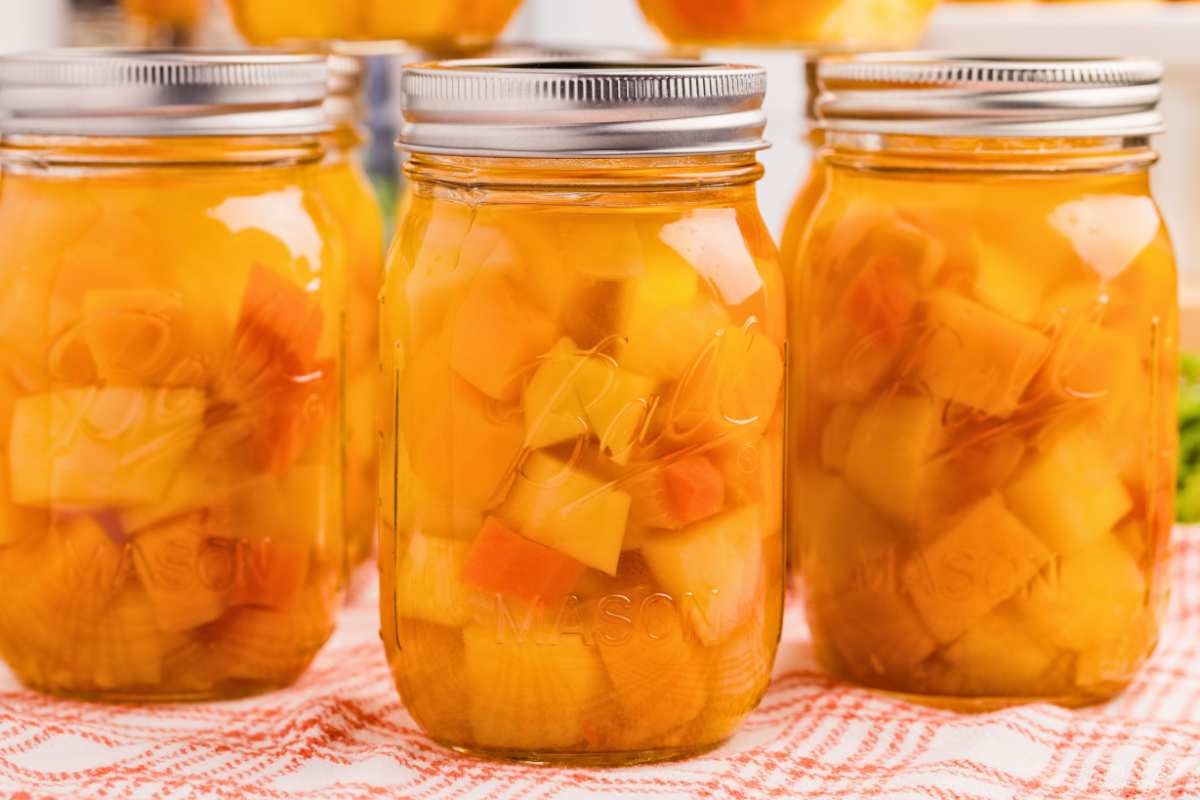
Credit: heartscontentfarmhouse.com
Main Dishes Featuring Butternut Squash
Butternut squash is more than just a side dish ingredient. Its natural sweetness and creamy texture make it a fantastic base for hearty main courses. Using canned butternut squash saves time without sacrificing flavor, giving you a shortcut to delicious meals.
Butternut Squash Pasta Sauce
Imagine a pasta sauce that’s rich, creamy, and subtly sweet—all without cream. Blend canned butternut squash with garlic, onion, and a splash of vegetable broth until smooth. Heat it gently, then toss it with your favorite pasta and fresh herbs like sage or thyme.
This sauce is perfect if you’re looking to cut down on dairy or want a comforting meal ready in under 30 minutes. Have you ever tried a sauce that feels indulgent but uses no heavy cream?
Vegetarian Butternut Squash Curry
Canned butternut squash works wonderfully in curries, soaking up spices and adding body. Combine it with chickpeas, coconut milk, and curry powder for a quick, filling dish. Serve it over rice or with warm naan to soak up every bit of flavor.
This curry is not only easy to make but also packed with nutrients and fiber. Could this be your new weeknight favorite when you want something both spicy and soothing?
Butternut Squash And Quinoa Salad
Use canned butternut squash to add a vibrant burst of color and sweetness to your quinoa salad. Mix the squash with cooked quinoa, arugula, toasted nuts, and a lemon vinaigrette for a refreshing meal. This salad works well warm or cold, making it a versatile option for any season.
It’s a meal that balances protein, veggies, and flavor in one bowl. How often do you find a salad that feels as satisfying as a full meal?
Baking With Canned Butternut Squash
Baking with canned butternut squash offers a simple way to enjoy this sweet, nutty vegetable year-round. It saves time since the squash is already cooked and mashed, perfect for quick recipes. The natural moisture and flavor of canned squash enhance baked goods beautifully.
Using canned butternut squash adds softness and a subtle sweetness to muffins, bread, and cookies. It blends well with warm spices, making these treats perfect for cozy days. The texture stays moist without extra effort.
Butternut Squash Muffins
These muffins are soft and full of flavor. Canned butternut squash keeps them moist without needing much oil. A pinch of cinnamon and nutmeg creates a warm, inviting taste. You can add nuts or chocolate chips for extra texture.
- Use mashed canned squash instead of pumpkin or bananas.
- Mix in simple spices like cinnamon and ginger.
- Bake until golden and a toothpick comes out clean.
Butternut Squash Bread
Butternut squash bread is easy to prepare and tastes great. The squash gives the bread a tender crumb and lovely color. It pairs well with walnuts or raisins. A little brown sugar or honey brings out the natural sweetness.
- Combine canned squash with flour, sugar, and baking powder.
- Add chopped nuts or dried fruit for variety.
- Bake in a loaf pan until firm and browned.
Spiced Butternut Squash Cookies
Cookies with canned butternut squash are soft and chewy. The squash adds moisture, so these cookies stay fresh longer. Spices like cinnamon, cloves, and allspice give a cozy flavor. A touch of vanilla or orange zest brightens the taste.
- Mix canned squash into the cookie dough for softness.
- Use warm spices to enhance the flavor.
- Bake until edges are lightly browned but centers stay soft.

Credit: thewimpyvegetarian.com
Tips For Cooking With Canned Butternut Squash
Canned butternut squash offers a convenient way to enjoy this versatile vegetable year-round. However, it can sometimes lack the vibrant flavor and texture of fresh squash. With a few smart tips, you can elevate your dishes and make the most out of every can.
How To Enhance Flavor
Canned butternut squash often needs a little boost to bring out its natural sweetness and richness. Try sautéing it with garlic and a pinch of smoked paprika or cumin to add depth. A splash of fresh lemon juice or a drizzle of maple syrup can brighten the flavor and balance the earthiness.
Seasoning with herbs like thyme or sage works wonders, too. Don’t be afraid to experiment with spices you enjoy. What flavors excite your taste buds the most?
Storage And Reheating
Once opened, store canned butternut squash in an airtight container in the fridge and use within 3-4 days to keep it fresh. Avoid leaving it in the can, as it can develop an off taste.
Reheat gently on the stove or in the microwave, stirring occasionally to prevent drying out. Adding a little broth or water while reheating helps maintain a smooth, creamy texture. Have you noticed how gentle reheating preserves the squash’s delicate flavor?
Combining With Fresh Ingredients
Pairing canned butternut squash with fresh ingredients adds texture and vibrancy to your recipes. Tossing it with fresh spinach or kale introduces a pleasant crunch and boosts nutrition.
Adding a handful of toasted nuts or fresh herbs like parsley just before serving can transform a simple dish into something special. What fresh ingredients do you love mixing with squash to create exciting flavors?
Frequently Asked Questions
What Are The Best Recipes Using Canned Butternut Squash?
Best recipes include soups, purees, risottos, and casseroles. Canned squash is versatile and saves cooking time. It works well in both savory and sweet dishes. Try it in pasta sauces or muffins for unique flavors.
Can Canned Butternut Squash Replace Fresh In Recipes?
Yes, canned butternut squash can replace fresh in most recipes. It is already cooked, so adjust cooking times accordingly. The texture is softer, making it ideal for purees and soups. It offers convenience without sacrificing flavor.
How To Store Leftover Canned Butternut Squash?
Store leftover canned squash in an airtight container. Keep it refrigerated and use within 3 to 4 days. For longer storage, freeze it in small portions. Proper storage maintains flavor and prevents spoilage.
Is Canned Butternut Squash Nutritious?
Canned butternut squash retains many nutrients like vitamins A and C. It is low in calories and high in fiber. Choose brands without added sugar or salt for healthiest options. It supports a balanced diet and immune health.
Conclusion
Canned butternut squash makes cooking quick and easy. You can add it to soups, stews, and pasta dishes. It saves time without losing flavor or nutrition. These recipes show how versatile canned squash can be. Try them to enjoy tasty meals any day.
Cooking with canned squash helps you eat healthy and save effort. Give these ideas a chance in your kitchen. Simple, delicious, and ready in minutes. Great for busy days or when you want comfort food fast.

Hi, I’m Daniel Brooks—a food lover and kitchen gear enthusiast. I enjoy testing cookware, utensils, and gadgets to see what really works in everyday cooking. At PlugChef.com, I share honest reviews, comparisons, and simple guides to help you choose the best tools for a safer, smarter, and more enjoyable kitchen.
Related posts:
 What Type of Cooking Utensils are Safe: Expert Picks
 What Innovations Could Blenders Make: Unleashing Future Tech
 Smart Strategies to Organize a Small Kitchen: Maximize Space
 How to Organize a Kitchen Cabinet: Expert Tips & Tricks
 How to Organize Kitchen Drawers: Expert Tips and Tricks
 How to Organize a Corner Kitchen Cupboard: Expert Tips

