
If you’re looking for a quick, convenient way to enjoy your favorite drinks, canned alcoholic beverages might be your new best friend. These drinks are popping up everywhere—from parties to picnics—making it easier than ever to sip on something refreshing without the hassle of bottles or glasses.
But with so many options out there, how do you know which ones are truly worth your money and taste buds? Keep reading, and you’ll discover the most popular canned alcoholic drinks that everyone is talking about. Your next favorite drink could be just a can away!
Credit: torontolife.com
Rise Of Canned Alcoholic Drinks
The rise of canned alcoholic drinks marks a clear shift in how people enjoy their beverages. Cans offer a fresh alternative to traditional bottles and taps. Their appeal grows across many age groups and lifestyles. This change reflects evolving consumer habits and preferences.
Canned drinks bring a new energy to the alcohol market. They combine ease, style, and flavor in one package. This trend influences bars, stores, and social events worldwide.
Convenience And Portability
Cans are lightweight and easy to carry. They fit well in coolers, bags, and hands. No need for openers or extra tools. This makes them perfect for outdoor events and travel.
Sealing in cans keeps drinks fresh longer. They block light better than glass bottles. This helps preserve taste and quality. Quick chilling is another plus for cans.
Trends Driving Popularity
- Craft beverages now come in cans, expanding choices.
- Health-conscious consumers prefer lower-calorie canned options.
- Youth culture embraces the casual, modern look of cans.
- Eco-friendly packaging attracts those mindful of the environment.
- Innovative flavors and styles increase interest and sales.
Social media and influencer culture also boost canned drink appeal. The portable packaging fits well with active lifestyles. These factors push canned alcoholic drinks into the spotlight.
Top Canned Beers
Canned beers have gained massive popularity for their convenience and freshness. They are easy to carry and chill faster than bottles. Many breweries now offer a wide range of canned beers. From bold craft flavors to classic mainstream options, there is something for every taste. Cans also protect beer from light and air, keeping the taste intact. Enjoying beer from a can has become a trendy choice for many drinkers.
Craft Beers In Cans
Craft breweries bring creativity to the canned beer market. They offer unique flavors and styles that stand out. You can find IPAs, stouts, sours, and more in cans. These beers often use high-quality ingredients and special brewing techniques. Craft canned beers appeal to those who enjoy exploring new tastes. They also provide freshness and portability for outdoor events or casual gatherings.
Mainstream Beer Favorites
Popular beer brands have embraced cans for their classic brews. These beers are familiar and loved by many around the world. They include lagers, pilsners, and light beers that suit all occasions. Mainstream canned beers provide consistent quality and easy access. Their wide availability makes them a go-to choice for parties or relaxing at home. Drinking these beers from cans offers a refreshing and convenient experience.
Popular Canned Cocktails
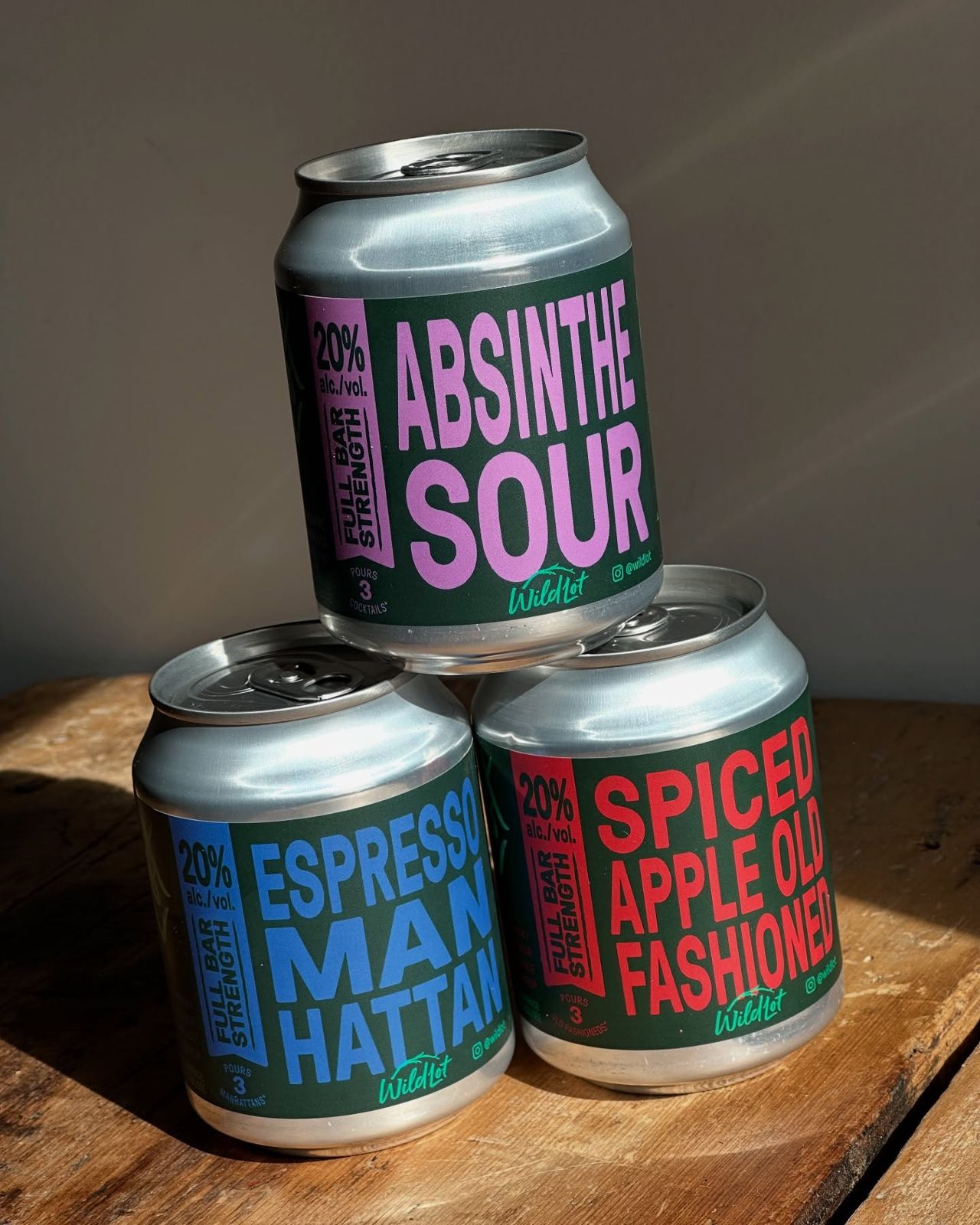
Canned cocktails have surged in popularity. They offer convenience and a variety of flavors. Perfect for parties, picnics, or a quiet evening at home. These ready-to-drink options bring the bar experience right to you. They are crafted to deliver taste and quality. Many brands now offer both classic and innovative flavors.
Classic Cocktails In A Can
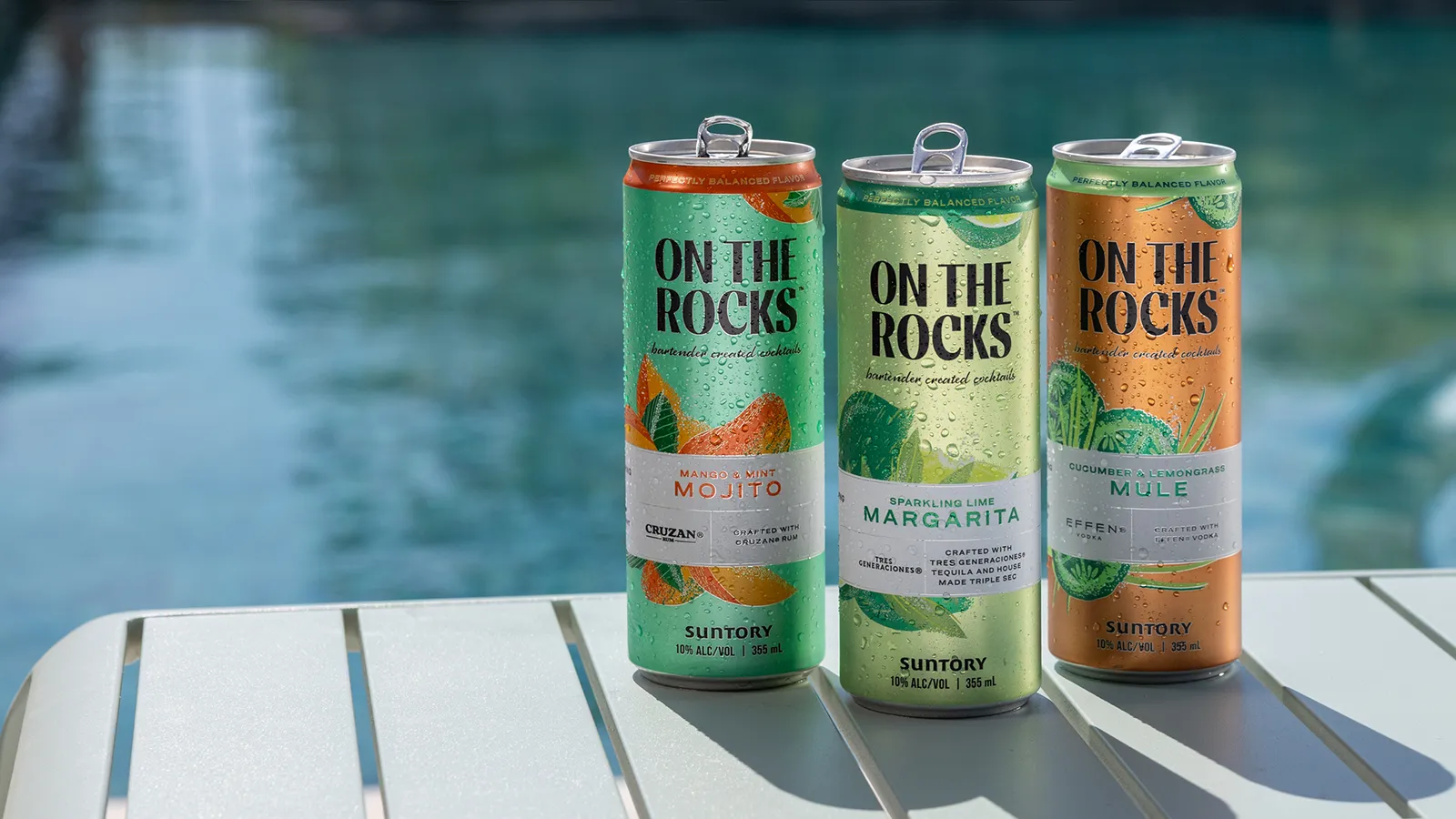
Classic cocktails in a can are beloved by many. They include timeless favorites like gin and tonic, or margarita. These drinks maintain the traditional taste fans love. With precise mixing and quality ingredients, they deliver a bar-like experience. Enjoy the familiar flavors without any hassle. Just pop the can and sip away.
Innovative Flavored Mixes
Innovative flavored mixes are a hit with adventurous drinkers. They combine unexpected ingredients to create unique tastes. Think of tropical fruits, or exotic spices in your cocktail. These new mixes offer something different for your palate. Perfect for those who crave a fresh twist in their drink. Each can promises a unique experience to savor.
Credit: www.otrcocktails.com
Canned Hard Seltzers
Canned hard seltzers have gained huge popularity over recent years. These fizzy drinks blend alcohol with sparkling water and fruit flavors. They offer a light, refreshing alternative to traditional beers and cocktails. Many people enjoy their convenience, portability, and low calorie content. Canned hard seltzers suit various occasions, from casual hangouts to outdoor adventures.
Flavor Varieties
Hard seltzers come in many appealing flavors. Common options include:
- Lemon Lime
- Blackberry
- Mango
- Watermelon
- Raspberry
Brands often introduce seasonal or limited-edition flavors. The variety keeps the drink exciting for all tastes. Some even offer mixed fruit blends for a unique twist. This wide range attracts a broad audience, from fruit lovers to those who prefer classic citrus.
Health-conscious Appeal
Hard seltzers attract health-conscious drinkers. They usually contain fewer calories than beer or cocktails. Most have low sugar and carbs, which fits many diets. They are gluten-free, making them suitable for people with gluten intolerance. The simplicity of ingredients also appeals to clean-label seekers. Drinking a canned hard seltzer feels lighter and less heavy than traditional drinks.
Canned Wines And Spritzers
Canned wines and spritzers have become a favorite choice for many who want convenience without sacrificing taste. These beverages offer a fresh twist on traditional drinking experiences, making them perfect for outdoor events, casual gatherings, or simply relaxing at home. Their portability and easy-to-enjoy portions make them a smart option for anyone looking to enjoy wine or spritzers on the go.
Light And Fruity Options
Light and fruity canned wines and spritzers bring a burst of refreshing flavor to your palate. You might find varieties like rosé, white sangria, or sparkling Moscato packed with vibrant notes of berries, citrus, and tropical fruits.
These options tend to be lower in alcohol and calories, which makes them a great choice if you want something flavorful but not too heavy. Imagine sipping a crisp canned rosé during a sunny afternoon picnic or a bubbly spritzer as you wind down after work.
Have you noticed how these drinks balance sweetness and acidity? That balance keeps them easy to drink and appealing to a wide range of tastes.
Growing Market Demand
The popularity of canned wines and spritzers is rising fast. More brands are entering the market, offering a variety of flavors and styles to meet changing consumer preferences.
This trend reflects a shift in how people enjoy alcoholic beverages—favoring convenience, portion control, and sustainability. Cans are lightweight, recyclable, and chill quickly, which fits well with an active lifestyle.
Are you surprised by how many new options you can find in your local store or online? This expanding market means you’ll likely find a canned drink that matches your personal taste and occasion perfectly.
Choosing The Best Canned Drink
Choosing the best canned drink involves more than just picking a brand. It means finding a drink that matches your taste and fits the moment. Canned drinks offer variety, convenience, and freshness. Understanding your preferences and the setting helps you enjoy your drink fully.
Taste Preferences
Taste is the top factor when selecting a canned alcoholic drink. Some prefer sweet flavors like fruit or honey. Others like bitter or sour notes in their beverage. Consider the alcohol type, such as beer, cider, or hard seltzer. Each type has a unique taste profile.
- For sweet lovers: fruity or malt-based drinks work well.
- For those who like bitterness: IPAs and certain lagers are ideal.
- For light and refreshing options: hard seltzers or light beers fit best.
Try different flavors to discover what suits you. Taste testing helps narrow down your favorites.
Occasion And Setting
The occasion affects the canned drink choice significantly. Casual gatherings call for easy-to-drink beverages. Outdoor events may require portable and durable cans. Formal settings might call for more refined or classic drinks.
- Picnics and beach days: choose light and refreshing drinks.
- Parties and barbecues: opt for bold flavors and higher alcohol content.
- Quiet evenings or dinners: select smooth and mild options.
Cans are easy to carry and chill quickly. Their size and design suit various social settings perfectly.
Future Of Canned Alcoholic Drinks
The future of canned alcoholic drinks looks bright and full of change. Cans are becoming a preferred choice for many drinkers. They offer convenience, portability, and freshness. New trends and technology will shape how these drinks evolve. The focus is on innovation and sustainability.
Innovations On The Horizon
Technology will improve the quality and variety of canned drinks. Expect new flavors and blends tailored for cans. Smart cans with temperature indicators may become common. These cans will show if the drink is cold enough to enjoy. Craft breweries will keep experimenting with unique recipes. Low-alcohol and non-alcoholic options will grow. Easy-to-open cans and resealable tops will add convenience. Packaging design will become more eye-catching and creative.
Sustainability And Packaging
Environmental concerns drive changes in packaging. Aluminum cans are highly recyclable and use less energy. Brands will push for 100% recycled materials in cans. Biodegradable and compostable cans are being researched. Reducing waste and carbon footprints is a priority. Lightweight cans save on transportation emissions. Companies encourage consumers to recycle through clear messaging. Sustainable packaging helps attract eco-conscious customers. The industry aims for a greener future with better practices.
Credit: www.absolut.com
Frequently Asked Questions
What Are The Most Popular Canned Alcoholic Drinks?
Popular canned alcoholic drinks include hard seltzers, canned cocktails, craft beers, and canned wines. These offer convenience and portability. Brands like White Claw, Truly, and Cutwater Spirits dominate the market. They appeal to consumers seeking easy-to-serve, ready-to-drink options for social occasions and outdoor events.
Why Choose Canned Alcoholic Drinks Over Bottles?
Canned alcoholic drinks are lightweight, portable, and chill faster than bottles. They are eco-friendly due to higher recyclability. Cans protect beverages from light and oxygen, preserving taste. They also offer portion control and convenience, making them ideal for parties, picnics, and travel.
Are Canned Cocktails As Good As Traditional Ones?
Yes, canned cocktails use quality ingredients and professional recipes. They provide consistent taste and are ready to drink. Modern canning technology preserves freshness and flavor. Many brands collaborate with expert mixologists. Canned cocktails are a convenient alternative without compromising on quality.
Which Alcoholic Drinks Are Commonly Canned?
Commonly canned alcoholic drinks include hard seltzers, beers, cocktails, and wines. Hard seltzers are popular for their low calorie content. Canned beers range from lagers to IPAs. Ready-to-drink cocktails like margaritas and mojitos are also widely available. Canned wines offer a fresh, portable option.
Conclusion
Canned alcoholic drinks offer great taste and easy use. They come in many flavors and styles to enjoy. Perfect for parties, trips, or relaxing at home. These drinks stay fresh and cool for longer. Many people like cans for their convenience and portability.
Try different kinds to find your favorite one. Cans make drinking simple and fun anywhere you go. Enjoy the variety and ease of canned drinks today.

Hi, I’m Daniel Brooks—a food lover and kitchen gear enthusiast. I enjoy testing cookware, utensils, and gadgets to see what really works in everyday cooking. At PlugChef.com, I share honest reviews, comparisons, and simple guides to help you choose the best tools for a safer, smarter, and more enjoyable kitchen.
Related posts:
 What Type of Cooking Utensils are Safe: Expert Picks
 What Innovations Could Blenders Make: Unleashing Future Tech
 Smart Strategies to Organize a Small Kitchen: Maximize Space
 How to Organize a Kitchen Cabinet: Expert Tips & Tricks
 How to Organize Kitchen Drawers: Expert Tips and Tricks
 How to Organize a Corner Kitchen Cupboard: Expert Tips

