
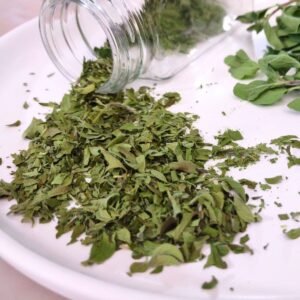
Fresh oregano brightens sauces, salads, and roasted dishes — but it’s also one of the first herbs to lose its vibrancy if you don’t store it properly. This guide shows proven, practical methods to keep oregano flavorful for days, weeks, or months, with step‑by‑step instructions, trouble‑shooting tips, and safe preservation practices.
Whether you grow oregano or buy it at the market, you’ll learn how to choose the best bunch, which short‑term storage method fits your routine, and how to preserve large harvests by freezing or drying.
Pick the best oregano to preserve
Choosing healthy plant material is the easiest way to extend shelf life.
- Look for firm stems and vibrant green leaves with no yellowing, black spots, or sliminess.
- Rub a leaf between your fingers — a fragrant, peppery aroma indicates high essential‑oil content and better shelf stability.
- Avoid bunches with excessive moisture or crushed leaves; damaged tissue decays faster.
Varieties matter: Greek (Origanum vulgare subsp. hirtum) and Italian oregano are both good for cooking and drying. In practice, Greek oregano tends to hold flavor better after drying; milder varieties are excellent when you want bright fresh flavor in salads or finishing dishes.
Harvest timing and technique
- Harvest in the morning after dew has evaporated and before afternoon heat; this is when leaf oils are most concentrated.
- If you harvest from your garden, never remove more than one‑third of a plant at once — that stresses the plant and reduces future growth.
- Use clean scissors or pruning shears; cut stems above a node to encourage new shoots.
Short‑term storage (keeps oregano fresh 5–14 days)
Choose a fridge method that fits how you cook and how much oregano you use.
Method A — Jar with water (best for whole stems)
- Trim the ends of stems.
- Place stems in a small jar with ~1–2 inches (2–5 cm) of water, like a bouquet.
- Cover loosely with a plastic bag and refrigerate in a cool spot (34–40°F / 1–4°C).
- Change the water every 2–3 days.
Method B — Damp paper towel (best for bunches)
- Lightly mist or dampen a paper towel; squeeze out excess so it’s not dripping.
- Lay herbs on the towel, roll gently, and place the roll inside a perforated bag or a loosely closed plastic bag.
- Store in the crisper drawer.
Method C — Perforated bag for leafy storage
- Wrap loosely in a dry paper towel and place in a perforated plastic bag.
- Keep in the vegetable drawer; inspect daily and remove any decaying leaves.
Practical tips and pitfalls
- Do not store wet oregano directly in sealed plastic — trapped moisture causes mold.
- Avoid washing until just before use; if you must wash, use a salad spinner or pat thoroughly dry.
- Refrigerator temperature matters: very cold door shelves can cause chilling injury; use a mid‑drawer if possible.
Place image of fresh oregano near storage section:

Credit: www.tasteofhome.com
Freezing oregano — fast and flavor‑friendly (months of storage)
Freezing retains a lot of the herb’s aromatic compounds and is ideal when you want oregano for cooked dishes.
Whole‑leaf or chopped
- Wash and dry thoroughly. Spread leaves in a single layer on a baking sheet and flash‑freeze for 1–2 hours, then transfer to a sealed bag. This prevents clumping.
- Chopped oregano can be frozen the same way or packed into herb cubes.
Herb cubes (oil or water)
- Chop leaves to the desired texture.
- Spoon chopped oregano into ice cube tray compartments (fill 2/3 full).
- Cover with olive oil (for sautés and sauces) or water (for broths).
- Freeze, then transfer cubes to a labeled freezer bag.
Storage and use
- Use frozen oregano cubes directly in hot pans or soups — no thawing needed.
- For best flavor, use frozen oregano within 6–12 months; freezer burn reduces quality over longer periods.
- Vacuum sealing frozen portions reduces freezer‑burn risk and saves space.
Common mistakes
- Freezing without drying the leaves first leads to larger ice crystals and a mushier texture.
- Expect texture loss — frozen oregano works best in cooked dishes, not as a fresh garnish.
Drying oregano — concentrated flavor and long shelf life
Drying concentrates flavor and is the most space‑efficient preservation method.
Air drying (traditional)
- Tie small bunches (4–6 stems) and hang upside down in a warm, dry, well‑ventilated place out of direct sunlight.
- Drying time ranges from several days to two weeks depending on humidity; leaves are done when they crumble easily.
Dehydrator
- Spread stems or leaves on trays in a single layer.
- Dry at 95–115°F (35–46°C) until leaves are brittle (usually 1–6 hours depending on machine and humidity).
Oven drying (if necessary)
- Use the oven’s lowest setting (ideally 95–110°F / 35–43°C). If your oven’s lowest setting is higher, leave the door ajar to lower effective temperature.
- Check frequently; oregano can dry quickly and scorch at higher temperatures.
After drying
- Strip leaves from stems and crumble or leave whole.
- Store in airtight, opaque jars away from heat and light.
- For peak flavor use within 6–12 months; dried oregano remains safe much longer but loses potency over time.
Place an image that shows dried oregano here:

Air‑dried oregano tied in small bundles until brittle.
Credit: www.homemademastery.com
Flavored oils, butter, and safety
Herb‑infused butters and oils are delicious, but they require safe handling.
- Herb butter: mix chopped oregano into softened butter, form a log, wrap, and refrigerate (use within 2 weeks) or freeze (several months).
- Infused oil: combine chopped oregano with oil and keep refrigerated. IMPORTANT: Storing fresh herbs submerged in oil at room temperature can create an environment that supports botulism bacteria. For safety guidelines on making and storing infused oils, consult official food safety guidance from the U.S. Food and Drug Administration or [USDA] recommendations. For home use, keep infused oils refrigerated and use quickly, or freeze in small portions.
Authoritative safety resources: federal food safety guidance can help you choose safe practices for oils and low‑acid preservation — see the FDA and USDA home food safety pages for current recommendations.
Flavor conversion and culinary tips
- Conversion rule: use roughly 3 times the volume of fresh oregano as dried oregano (fresh : dried ≈ 3:1). Example: 1 tablespoon dried ≈ 3 tablespoons fresh (chopped).
- When to use fresh vs dried:
- Fresh: finishing dishes, salads, uncooked sauces, where bright aroma matters.
- Dried/frozen: cooked sauces, braises, pizza, and long‑simmered dishes where texture is less important but concentrated flavor works well.
- Add dried oregano earlier in cooking to allow oils to bloom; add fresh oregano near the end to preserve volatile aromas.
Troubleshooting common problems
- Mold in the jar/bag: discard the whole bunch. Mold spores spread quickly in damp conditions.
- Slimy leaves: sign of bacterial decay; throw away and sanitize storage containers.
- Bitterness after drying: leaves harvested after flowering or dried at too high a temperature can become bitter — harvest before flowering and dry gently.
- Limp stems after storage: if still aromatic, strip the leaves and use them; otherwise freeze or dry remaining usable leaves to salvage flavor.
Place the third image near troubleshooting or drying:

Credit: www.homemademastery.com
Quick reference: best method by need
- Short‑term (up to 2 weeks): Jar with water or damp paper towel in fridge.
- Ready‑to‑use for cooking (months): Freeze herb cubes in oil.
- Longest shelf life and concentrated flavor (months–years): Dry and store in airtight jars.
- Food safety caution: follow FDA/USDA guidance for oils and low‑acid preservation.
Frequently Asked Questions
Q: How long does fresh oregano last in the fridge? A: Stored correctly (jar with water or wrapped in a damp towel) fresh oregano generally keeps 5–14 days. Inspect daily and remove deteriorating leaves.
Q: Can I safely make oregano oil at home? A: You can, but keep infused oil refrigerated and use quickly. Storing fresh herbs submerged in oil at room temperature can risk botulism; consult official food safety guidance from [FDA] and follow refrigeration/freezing practices.
Q: Should I wash oregano before storing? A: Avoid washing until you’re ready to use it. If you wash, dry thoroughly with a salad spinner or paper towels to remove surface moisture before refrigerating or freezing.
Q: Can I regrow oregano from cuttings in water? A: Yes — many oregano varieties root easily in water. Place cuttings in a jar with water, change water every few days, and transplant to potting mix once roots are established.
Conclusion
Keeping oregano vibrant is mainly about starting with good plant material and matching the preservation method to how you cook. Use jar or paper towel methods for quick, fresh use; freeze in oil cubes for ready‑to‑cook portions; and dry for long‑term storage and concentrated flavor. In practice, freezing a tray of oregano cubes is the fastest way to preserve harvest flavor without losing time in the kitchen.
Try one method this week — freeze a tray of oregano cubes and taste the difference in your next sauce.

Hi, I’m Daniel Brooks—a food lover and kitchen gear enthusiast. I enjoy testing cookware, utensils, and gadgets to see what really works in everyday cooking. At PlugChef.com, I share honest reviews, comparisons, and simple guides to help you choose the best tools for a safer, smarter, and more enjoyable kitchen.
Related posts:
 How to Make a Fruit Basket for a Gift: Easy DIY Guide
 Do You Need a Basket? Essential Guide for Air Fryers
 What Blenders Do Tropical Smoothie Use: Expert Insights
Stainless Steel Vs White Kitchen Appliances: Ultimate Showdown
What Blenders Do Tropical Smoothie Use: Expert Insights
Stainless Steel Vs White Kitchen Appliances: Ultimate Showdown
 Kitchen Appliances for Wedding Registry: Must-Have Essentials
 Top 10 Best Non-Toxic Cooking Utensils – Safe & Durable Choices for Healthy Homes

