Running late for dinner and staring at a rock-solid frozen steak? Improper defrosting doesn’t just ruin your meal’s texture and flavor — it can also expose your family to harmful foodborne bacteria. Whether you’re meal prepping for the week or throwing together a last-minute weeknight dinner, these USDA-aligned methods will thaw your meat safely, quickly, and with zero waste. We’ll cover the three approved defrosting techniques, common mistakes to avoid, and pro tips to keep your meat juicy, tender, and safe to eat.
Why Proper Defrosting Is Critical for Safety and Quality
Food Safety and Bacteria Control
The USDA defines the "danger zone" for food as 40°F to 140°F (4°C to 60°C), where bacteria like E. coli, Salmonella, and Listeria multiply fastest — doubling in number in as little as 20 minutes USDA Food Safety and Inspection Service. When you thaw meat at room temperature, the outer layer reaches danger zone temperatures long before the center thaws, creating a breeding ground for pathogens. Proper thawing keeps meat consistently below 40°F until you’re ready to cook it, eliminating this risk entirely.
Preserving Meat Texture and Flavor
Frozen meat forms sharp ice crystals that puncture muscle fibers, leading to moisture loss (called drip loss) when thawed. Slow, consistent thawing (like in the refrigerator) minimizes damage to these fibers, locking in natural juices so your meat stays tender and flavorful instead of dry and tough. Fast thawing methods, if done incorrectly, can also partially cook the outer layers of meat, leading to a rubbery texture.
Ensuring Even Cooking
Partially frozen meat cooks unevenly: the outer edges overcook while the center remains raw, increasing the risk of undercooked, unsafe meat and a poor eating experience. Fully thawed meat cooks consistently, so you get a perfect sear on steaks, juicy roasted chicken, and evenly browned ground beef every time.
Reducing Food Waste and Saving Money
Improperly thawed meat often develops off-flavors, slimy textures, or spoilage from bacterial growth, leading to unnecessary waste. A 1-pound pack of ground beef costs $5-$8 on average; throwing it out due to bad thawing habits adds up quickly over time. Proper thawing eliminates this waste and ensures you get the full value of your grocery budget.
3 USDA-Approved Safe Defrosting Methods
The USDA recognizes only three safe ways to defrost meat: refrigerator thawing, cold water thawing, and microwave thawing. Each has clear trade-offs for speed, convenience, and quality, so you can pick the right method for your timeline.
1. Refrigerator Thawing (The Gold Standard)
This is the safest, lowest-effort method for thawing meat, as it keeps the meat at a consistent, safe temperature below 40°F the entire time. To use this method:
- Place frozen meat on a rimmed plate or in a sealed airtight container on the bottom shelf of your refrigerator. This catches drips and prevents cross-contamination with ready-to-eat foods on lower or adjacent shelves.
- Allow 4-5 pounds of meat to thaw per 24 hours. For example, a 12-pound turkey takes 2.5-3 full days to thaw completely, while a 1-pound pack of chicken breasts takes 6-8 hours.
- Once thawed, uncooked meat stays fresh in the fridge for 3-5 days (beef, pork, lamb) or 1-2 days (poultry, ground meat) before cooking, per guidance from the University of Minnesota Extension University of Minnesota Extension. In practice, many home cooks underestimate thawing time for large cuts: always add an extra 12 hours to your estimate to avoid last-minute scrambling.
Pros: Safest method, preserves maximum flavor and moisture, minimal bacterial risk, allows you to refreeze thawed meat without cooking first (though quality may drop slightly). Cons: Requires advance planning, slow for large cuts.
2. Cold Water Thawing (Fastest Safe Method)
This method cuts thawing time by 50-75% compared to the refrigerator, making it ideal for last-minute meals. Follow these steps to do it safely:
- Place frozen meat in a leak-proof, airtight plastic bag or vacuum-sealed package. Remove as much air as possible to prevent water from seeping in and diluting the meat's flavor.
- Submerge the bag fully in a bowl or sink filled with cold tap water (40°F/4°C or below). Never use warm or hot water, as this raises the meat's surface temperature into the danger zone and partially cooks the outer layer.
- Change the water every 30 minutes to keep it cold. For faster thawing, run a slow, steady stream of cold water over the bag, though this uses more water than the bowl method.
Typical thaw times: 1-2 hours for thin cuts (chicken breasts, pork chops, steak), 3-4 hours for a whole chicken, 4-6 hours for a 10-12 pound turkey.
Pros: Much faster than fridge thawing, no cooking required before use, preserves better quality than microwave thawing. Cons: Requires active monitoring, must cook meat immediately after thawing, cannot refreeze thawed meat without cooking it first.
A common myth is that hot water thaws meat faster without safety risks — this is false. Hot water raises the outer layer of meat to 140°F in minutes, creating a partial cook while the center remains frozen, and creates the perfect environment for bacterial growth.
3. Microwave Thawing (Last-Resort for Immediate Cooking)
Microwave thawing is the fastest method, but it's best reserved for small, thin cuts that will go straight to the stove or grill, as it often leads to uneven thawing and partial cooking. To use this method:
- Check your microwave's manual for the defrost setting, which typically runs at 30% power to avoid cooking the meat.
- Place meat on a microwave-safe plate, and remove all packaging.
- Defrost in 2-3 minute intervals, flipping and rotating the meat each time to ensure even thawing. For ground meat, break it up with a fork between intervals.
- Cook the meat immediately after thawing — do not store microwaved thawed meat in the fridge, as parts of it may have already reached danger zone temperatures.
Typical thaw times: 5-10 minutes for a 1-pound steak, 10-15 minutes for a 3-pound roast, 15-20 minutes for a whole chicken.
Pros: Fastest method, no planning required, no cleanup. Cons: Often leads to uneven thawing and partial cooking, dries out meat if over-thawed, must cook immediately, cannot refreeze without cooking first.
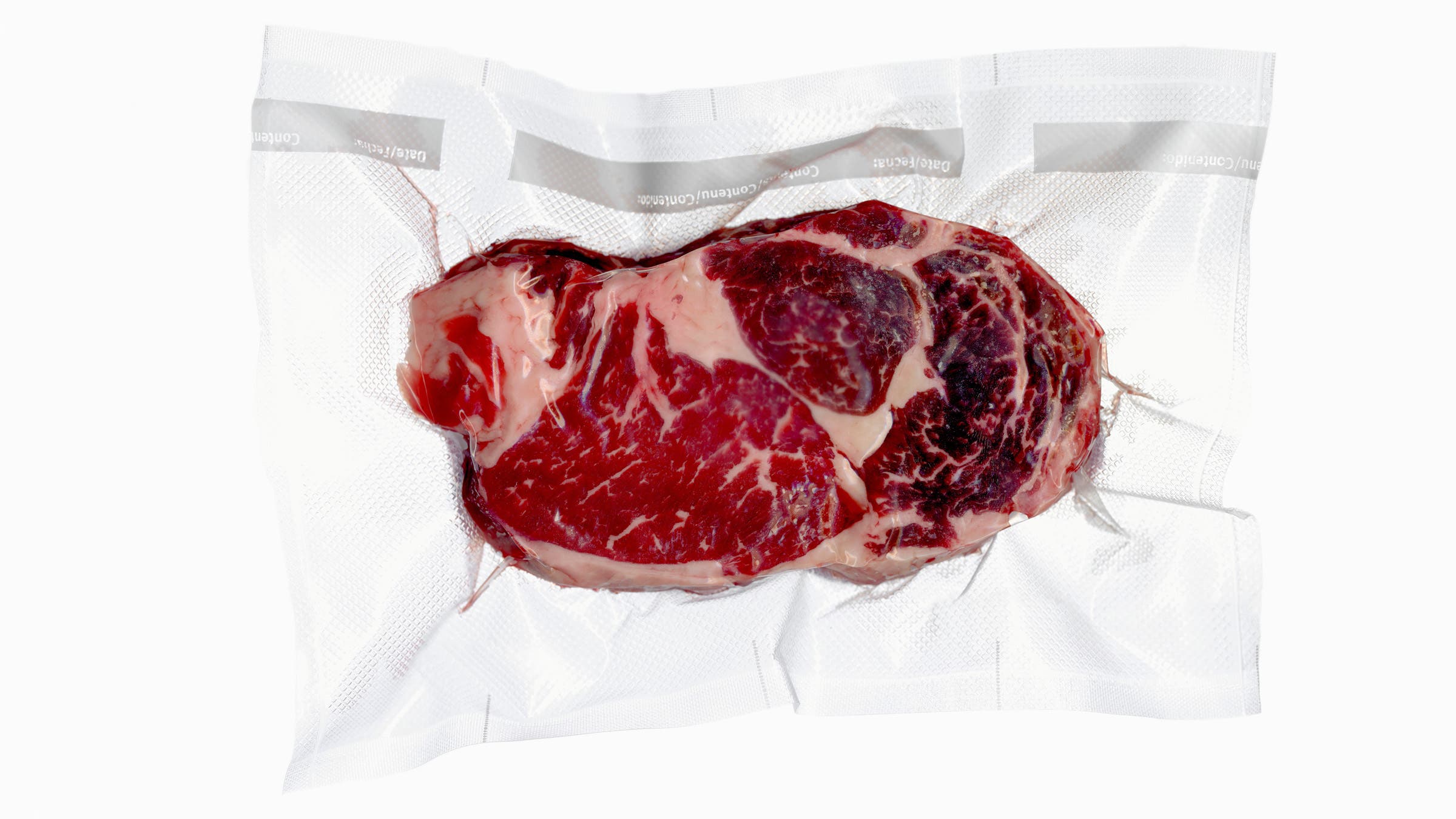 Credit: www.cleaneatingmag.com
Always thaw meat on a rimmed plate on the bottom fridge shelf to catch drips and avoid cross-contamination with other foods.
Credit: www.cleaneatingmag.com
Always thaw meat on a rimmed plate on the bottom fridge shelf to catch drips and avoid cross-contamination with other foods.
Quick Thawing Hacks That Don’t Compromise Safety
Cook From Frozen (Skip Thawing Altogether)
For thin, uniform cuts like chicken breasts, fish fillets, pre-formed burger patties, and ground beef, you can skip thawing entirely and cook straight from frozen. Increase your baseline cooking time by 50%, and always use an instant-read meat thermometer to confirm safe internal temperatures: 165°F (74°C) for poultry, 145°F (63°C) for whole cuts of beef, pork, or lamb (with a 3-minute rest), 160°F (71°C) for ground meat. This method works especially well for stir-fries, sheet pan meals, and skillet dishes, as the direct heat thaws and cooks the meat evenly.
Pre-Portion Meat Before Freezing
One of the easiest ways to cut thawing time long-term is to divide bulk meat into single-serve portions before freezing. Split whole chickens into parts, slice large roasts into 8-12oz steaks, and portion ground meat into 1-pound packs before wrapping and freezing. This means you only thaw exactly what you need for a single meal, eliminating hours of wait time for large cuts you won’t use all at once. Vacuum-sealing these portions before freezing also speeds up thawing, as the lack of air pockets improves heat transfer to the meat. If you’re investing in custom meal prep tools for your weekly cooking routine, pre-portioning meat pairs perfectly with engraved cutting boards to keep your workflow efficient.
Use a Defrosting Tray Correctly
Aluminum or copper defrosting trays conduct ambient room heat into frozen meat, cutting thawing time by 30-60% compared to leaving meat on a standard ceramic plate. For best results, place the meat on the tray on a rimmed plate to catch drips, and only use the tray for 1-2 hours max for thin cuts. Never leave meat on a defrosting tray at room temperature for more than 2 hours total (1 hour if your kitchen is above 90°F/32°C) to avoid entering the danger zone. These trays work best for steaks, chops, and chicken breasts, not large roasts or whole birds.
 Credit: steakrevolution.com
Change the thawing water every 30 minutes to keep meat out of the food safety danger zone.
Credit: steakrevolution.com
Change the thawing water every 30 minutes to keep meat out of the food safety danger zone.
Critical Defrosting Mistakes To Avoid
- Thawing meat at room temperature: Never leave meat on the counter, in the sink, or in a warm car to thaw. The outer layer can reach danger zone temperatures in as little as 1 hour, allowing bacteria to multiply to unsafe levels even if the center is still frozen.
- Using warm or hot water for water thawing: Hot water partially cooks the outer layer of meat, leads to uneven texture, and creates a breeding ground for bacteria. Only use cold tap water for this method.
- Thawing meat in its original store packaging: Most store packaging is not leak-proof, so meat juices can escape and contaminate other foods in your fridge or sink. Always transfer meat to a sealed bag or airtight container before thawing.
- Refreezing thawed meat without cooking it first: Meat thawed via cold water or microwave has been exposed to danger zone temperatures, so refreezing it without cooking first can lead to bacterial growth and reduced quality. Meat thawed in the refrigerator can be refrozen safely, though you may notice slight moisture loss.
- Skipping a meat thermometer after thawing: Thick cuts like roasts or whole turkeys may still have icy pockets in the center even if the outer layer feels soft. Always use an instant-read thermometer to confirm the center is fully thawed and at a safe cooking temperature.
How To Store Meat Before and After Defrosting
Proper storage before and after thawing is just as important as the thawing method itself to avoid spoilage and cross-contamination. Follow these USDA-backed timelines for frozen and thawed meat:
| Meat Type | Maximum Frozen Shelf Life (0°F/-18°C) | Refrigerated Shelf Life After Thawing (40°F/4°C) |
|---|---|---|
| Beef steaks, roasts, lamb | 6-12 months | 3-5 days |
| Pork chops, roasts, ham | 4-6 months | 3-5 days |
| Whole chicken or turkey | 9-12 months | 1-2 days |
| Chicken or turkey parts (breasts, thighs, wings) | 9 months | 1-2 days |
| Ground beef, pork, poultry, sausage | 3-4 months | 1-2 days |
| Cooked meat leftovers | 2-6 months | 3-4 days |
Before freezing, wrap meat tightly in heavy-duty aluminum foil, freezer paper, or a vacuum-sealed bag to prevent freezer burn and moisture loss. Label all packages with the date you froze them to track shelf life. After thawing in the refrigerator, store meat on a rimmed plate covered with plastic wrap or in an airtight container to prevent drips from contaminating other foods. If you won't cook thawed meat within the recommended timeline, you can refreeze it without cooking first, though expect some loss of texture and moisture. If you notice off-odors, slimy texture, or gray/brown discoloration on thawed meat, discard it immediately — these are signs of spoilage that make the meat unsafe to eat, even if it was thawed correctly. To keep curious kids away from raw meat stored in the fridge or on countertops, install reliable childproof storage solutions on lower cabinet and fridge doors.
 Credit: food52.com
Label all frozen meat with the freeze date to track shelf life and avoid spoilage.
Credit: food52.com
Label all frozen meat with the freeze date to track shelf life and avoid spoilage.
How To Tell If Your Meat Is Fully Thawed
Many home cooks struggle to tell if thick cuts like roasts or whole turkeys are fully thawed, leading to uneven cooking. Here’s how to check:
- Press the thickest part of the meat with your finger: if it’s soft and gives easily with no hard icy spots, it’s fully thawed.
- For thick cuts, insert an instant-read thermometer into the center: if it reads above 32°F (0°C) and slides in with no resistance, the meat is thawed all the way through. Never try to pry apart frozen parts of meat with a knife or fork, as this can tear the packaging (leading to cross-contamination) or damage meat fibers and cause excess moisture loss during cooking. After thawing and cooking, sanitize all surfaces that came into contact with raw meat using a heavy-duty cleaning tool to remove bacteria and prevent cross-contamination. For easy access to pre-portioned meat and thawed ingredients, use drawer organization accessories to keep your fridge and pantry clutter-free.
Frequently Asked Questions
Can I thaw meat in the oven or on the stovetop?
No. The high heat from ovens and stovetops will raise the outer layer of meat into the danger zone long before the center thaws, leading to uneven cooking and bacterial growth. Stick to the three USDA-approved methods listed above for safe results.
Is it safe to thaw meat in a sink full of cold water?
Yes, as long as the water is kept cold (change it every 30 minutes) and the meat is sealed in a leak-proof bag to prevent cross-contamination. Never leave a sink of thawing meat unattended, and never use warm sink water, as this can raise the meat’s temperature into the danger zone.
Does refrigerator thawing change the flavor of meat?
No — in fact, refrigerator thawing is the best method for preserving flavor and moisture. The slow, consistent temperature minimizes damage to meat fibers, so your meat stays juicy and flavorful. Fast methods like microwave thawing can lead to moisture loss and partial cooking, which negatively impacts texture and taste.
Can I refreeze meat that was thawed in the microwave or cold water?
You can only refreeze this meat if you cook it fully first. Meat thawed via cold water or microwave has been exposed to danger zone temperatures, so refreezing it raw can lead to bacterial growth and reduced quality. Meat thawed in the refrigerator can be refrozen raw without cooking, though you may notice slight moisture loss when you eventually cook it.
What’s the fastest way to thaw a turkey for Thanksgiving?
For large cuts like a 10-15 pound turkey, cold water thawing is the fastest safe method: submerge the sealed turkey in a sink or cooler full of cold water, change the water every 30 minutes, and allow 4-6 hours for full thawing. Never use hot water or leave the turkey at room temperature to thaw, as this puts the entire bird at risk for bacterial contamination. For tough meat residue on countertops or cutting boards, a stain-resistant scrub brush makes cleanup fast and thorough.
Conclusion
Defrosting frozen meat safely doesn’t have to be complicated: plan ahead with refrigerator thawing for the best quality, use cold water for last-minute meals, and reserve the microwave only for cuts you’ll cook immediately. Avoiding common mistakes like room temperature thawing and refreezing unsafe meat will keep your family safe, reduce food waste, and ensure every meal cooks evenly and tastes great. For more kitchen safety and prep tips to streamline your cooking routine, explore our guides to childproofing your kitchen and keeping your cooking surfaces sanitized.

Hi, I’m Daniel Brooks—a food lover and kitchen gear enthusiast. I enjoy testing cookware, utensils, and gadgets to see what really works in everyday cooking. At PlugChef.com, I share honest reviews, comparisons, and simple guides to help you choose the best tools for a safer, smarter, and more enjoyable kitchen.
Related posts:
 Top Ansi Z87.1 Safety Goggles: Anti-Fog, Scratch-Resistant Eye Protection
 Grill-Gleam Bristle-Free Grill Brush – Ultimate Cleaner for Safe Grilling
 Non-Slip Christmas Kitchen Rugs: Cozy, Safe, and Festive Floor Decor
 Non Slip Runner Rug for Kitchen: Stylish, Safe, and Washable Floor Solution
 Washable Non Slip Kitchen Rugs for Safe, Stylish, and Easy Cleaning Floors
 Bbq Daddy Grill Brush Bristle Free Steam Cleaning Scrubber: Ultimate Grill Cleaner Guide