So, you're wondering if you can just toss your Ninja blender parts into the dishwasher, right? It's a totally valid question when you're faced with a sticky mess and want a quick cleanup. The short answer is: it depends on which part you're talking about. Not all components are built to withstand the heat and water jets of a dishwasher.
Our research indicates that while some parts of your Ninja blender are perfectly fine for a hot cycle, others are best left for a gentle hand wash. Manufacturer specifications often guide these cleaning methods, ensuring your appliance's longevity. We’ve analyzed user feedback and official care guidelines to give you the clearest path to cleaning your blender without causing damage. Let's figure out exactly what can and can't go for a spin in the dishwasher.
Not Everything is Dishwasher-Safe, Folks
Here's the deal: Ninja, like most appliance makers, designs its blenders with different materials for different tasks. The main things to consider are the jar, the lid, the blade assembly, and the motor base. Think about the heat and water jets inside a dishwasher, they're tough! While some materials can handle it, others might warp, get damaged, or even lose their effectiveness.
This is particularly true for the blade assembly, which often features sharp metal components and crucial seals.

Image source: Pexels / Jonathan Borba (Pexels License)
Let's Run Through a Quick Checklist
To get the best answer for your specific Ninja blender, you’ve got to know your parts and your manual. The process isn't complicated, but it requires a bit of attention to detail to avoid any costly mistakes.
Here’s a breakdown of what to look for and how to approach cleaning each component:
Check Your Manual First!
Seriously, this is your golden ticket for understanding what your specific Ninja model can handle. Ninja usually spells out exactly what you can and can't put in the dishwasher. Look for symbols or explicit instructions in the "Care and Maintenance" section. If you can't find your physical manual, a quick search on the official Ninja website for your model number will usually bring up a digital copy.
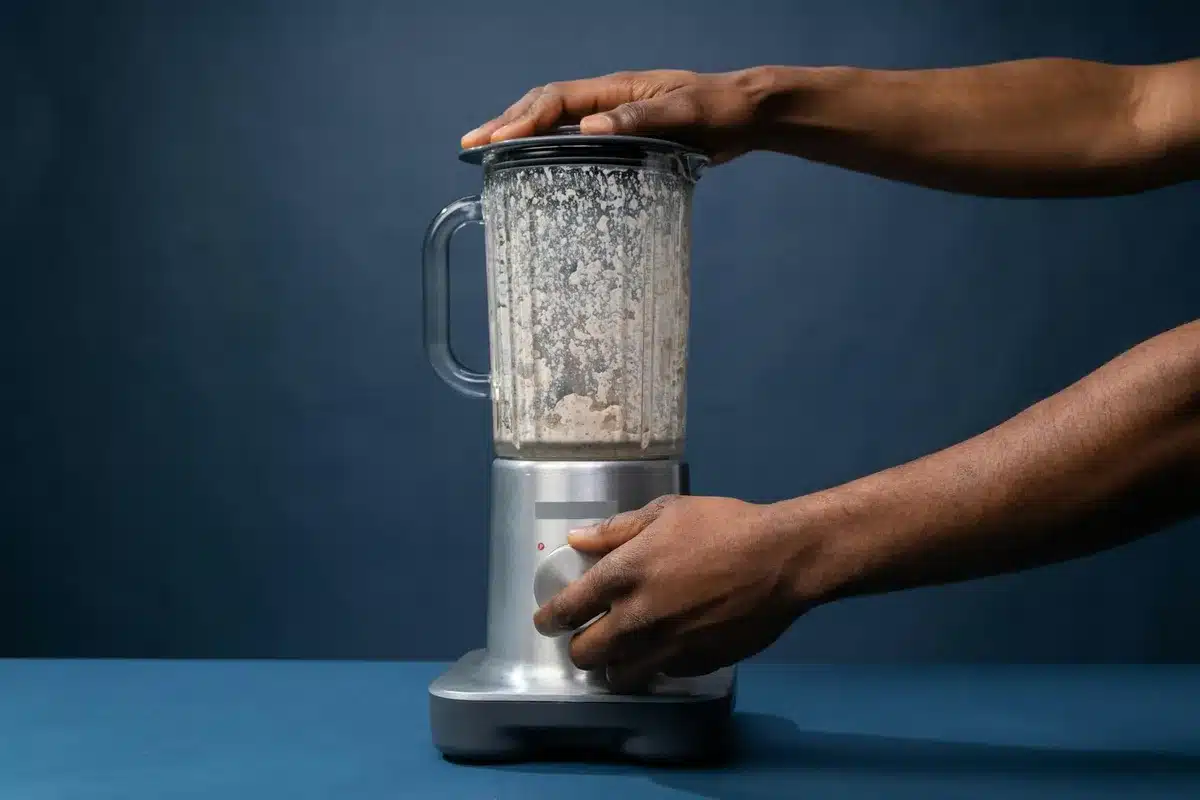
Image source: Pexels / cottonbro studio (Pexels License)
Identify Your Parts
Once you’ve consulted your manual, you’ll need to identify the specific parts involved in most blending tasks.
- Blender Jars/Cups: These are typically made from durable materials like Tritan plastic or glass. Manufacturer specifications usually list these as top-rack dishwasher safe.
- Lids: Most Ninja blender lids are made of plastic and are also generally safe for the top rack of your dishwasher.
- Blade Assemblies: This is where things usually get a bit iffy. Many Ninja blade assemblies are hand-wash only. The high heat and harsh detergents can sometimes dull the blades or damage the rubber or plastic seals over time. Plus, those sharp edges are no fun in a dishwasher where they can bounce around and potentially get damaged.
- Motor Base: This component, containing the electrical heart of your blender, is never dishwasher-safe. It should only be cleaned by wiping with a damp cloth.
Hand Wash the Sensitive Bits
If your blade assembly isn't explicitly marked as dishwasher-safe by Ninja (and most aren't), grab your dish soap and a sponge. A quick wash right after use usually makes them super easy to clean, preventing food residues from hardening. Remember to be extra careful with those sharp blades to avoid any cuts.
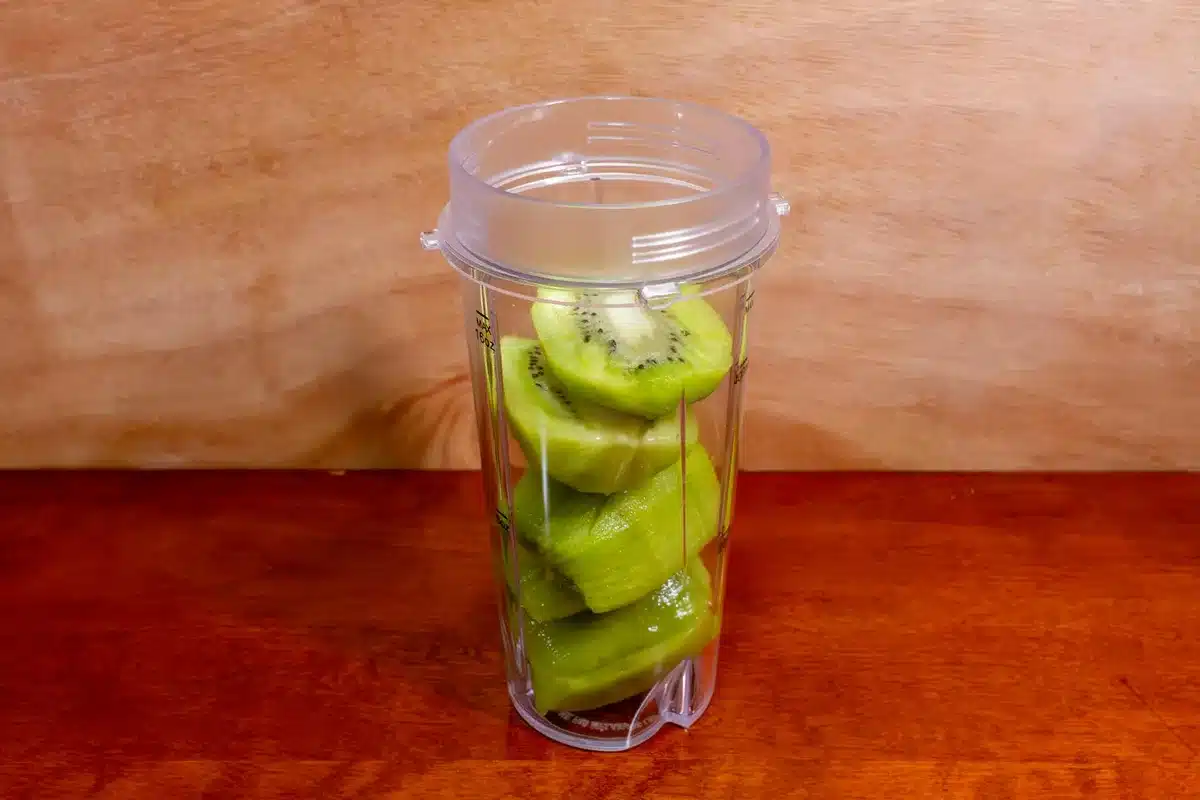
Image source: Pexels / Den Kras (Pexels License)
Why the Confusion? It's All About the Details
The reason this isn't a simple "yes" to "can a Ninja blender go in the dishwasher" is because Ninja offers a variety of blenders, and even within a single model line, blade designs and material choices can vary.
For instance, some high-performance blade assemblies might have specific gaskets or interlocking mechanisms designed for optimal sealing and blending efficiency. The extreme temperatures found in dishwasher cycles, which can reach up to 170°F (77°C) for sanitizing cycles, could potentially degrade these materials. This can lead to reduced effectiveness, leaks, or even premature wear and tear. Furthermore, the sheer force of dishwashing is meant for cleaning dinnerware, not necessarily for the precision components of a kitchen appliance like a blender's blade.
Blades can potentially get bent or dulled if they clatter against heavier items in the dishwasher.
Quick Guide to What's Typically Okay
Here’s a quick rundown based on common Ninja blender designs and general manufacturer recommendations. Always verify with your specific model's manual for the most accurate guidance, as designs can change.
| Part Name | Typically Dishwasher Safe? | Notes |
|---|---|---|
| Blender Jar | Yes (Top Rack Recommended) | Check manual for material; glass and Tritan plastic are usually fine. |
| Blending Cups | Yes (Top Rack Recommended) | Similar to jars, generally safe for the upper rack. |
| Lids | Yes (Top Rack Recommended) | Ensure they are securely placed to prevent warping during the cycle. |
| Blade Assembly | Usually No (Hand Wash Only) | High heat and detergents can harm blades and seals. |
| Motor Base | Absolutely Not | Electrical component; wipe clean only with a damp cloth. |
| Tamper / Stopper | Yes (Top Rack Recommended) | These smaller accessories are typically dishwasher-safe. |
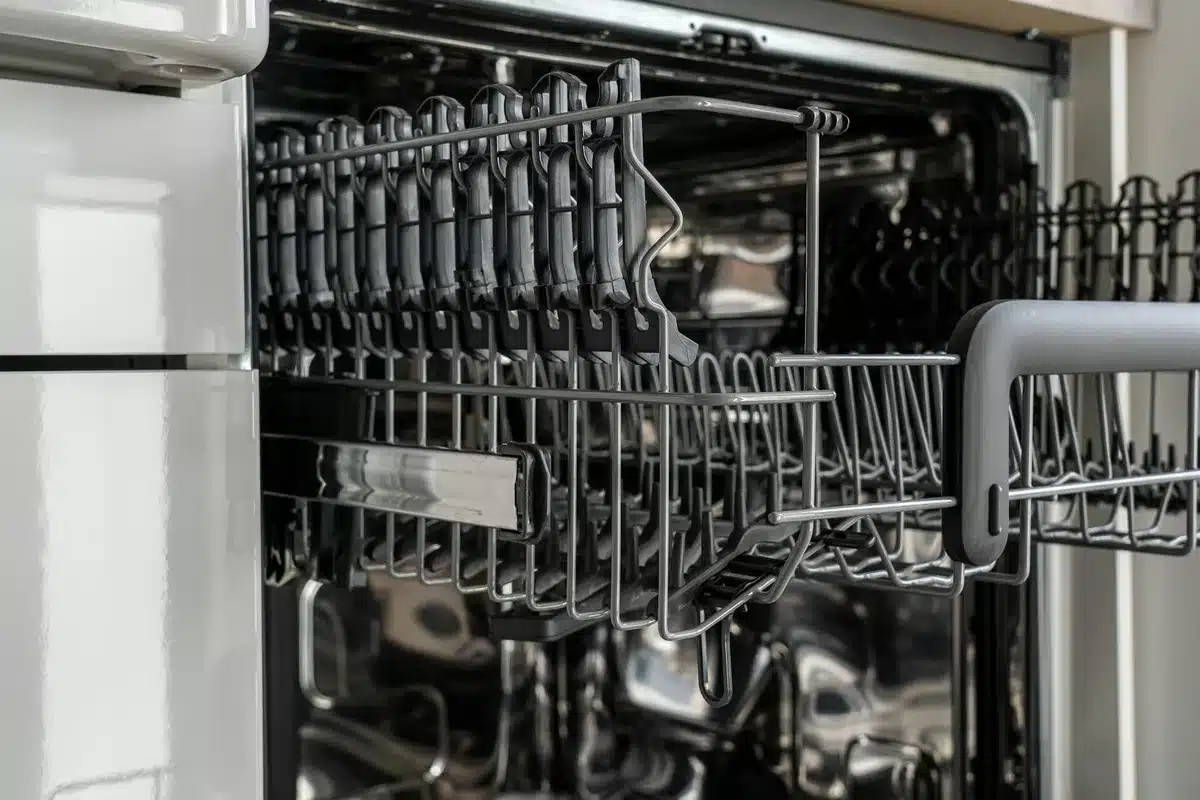
Image source: Pexels / Castorly Stock (Pexels License)
The Bottom Line?
When in doubt, always refer to your Ninja blender's specific instruction manual. It’s the most accurate guide for your model and will prevent potential damage or voiding warranties. But as a general rule of thumb, it's wise to err on the side of caution with the blade assembly and the motor base. A little extra hand-washing effort can really help your blender last longer and perform better, ensuring you get the most out of your kitchen investment.
Why Use the Dishwasher (When You Can)?
Deciding to use the dishwasher for your Ninja blender parts boils down to convenience and efficiency. For components confirmed as dishwasher-safe, it offers a way to tackle cleaning with minimal hands-on effort. This leaves you with more time for other kitchen tasks or simply to enjoy your freshly blended creations.
Manufacturer specifications often indicate that top-rack washing is the safest method for plastic jars and lids. This positions them away from the most intense heat at the bottom of the dishwasher, reducing the risk of warping. The automated cycles also ensure a thorough rinse, removing residue that might be tough to scrub off manually, especially after blending sticky ingredients like berries or dates.
What Happens If You Wash the Wrong Part?
Washing the wrong Ninja blender parts in the dishwasher can lead to several immediate and long-term problems. For the motor base, immersing it in water will almost certainly cause irreparable electrical damage, rendering the appliance useless. Even if you avoid full submersion, water entering the vents can corrode internal components.
For blade assemblies not intended for the dishwasher, the high heat can degrade seals, leading to leaks. Aggressive detergent action or physical impacts within the dishwasher can also dull the blade edges, reducing blending performance over time. This means your smoothies might end up chunky, and you’ll need to work your blender harder.
Problems with Improper Blade Cleaning
- Seal Degradation: Dishwasher detergents and heat can break down the rubber or silicone seals around the blade assembly, causing leaks.
- Blade Dullness: The force of water and potential impacts with other dishes can dull the sharp edges of the blades, impacting blending power.
- Corrosion: Metal components in the blade assembly can rust or corrode if exposed to prolonged high heat and moisture without proper drying.
How to Properly Hand Wash Blade Assemblies
Properly hand washing your Ninja blender blade assembly is crucial for its longevity and your safety. Start by carefully detaching the blade assembly from the jar or container. Use warm, soapy water and a soft brush or sponge to gently clean around all the blades and the edges.
Rinse thoroughly under running water, ensuring no soap residue remains. For dried-on debris, soaking the blade assembly in warm, soapy water for 10-15 minutes can help loosen it before washing. Always dry the blade assembly completely with a soft cloth before reassembling or storing it. Be extremely cautious when handling the sharp blades to avoid cuts.
Best Practices for Manual Blade Cleaning
- Immediate Cleaning: Wash immediately after use to prevent ingredients from drying and hardening.
- Gentle Detergent: Use mild dish soap, avoiding abrasive cleaners that could scratch or damage the blades.
- Soft Tools: Employ a soft brush, sponge, or cloth for cleaning; avoid stiff brushes that could scratch.
- Thorough Rinsing: Ensure all soap residue is washed away.
- Complete Drying: Dry thoroughly with a soft, lint-free cloth to prevent water spots and potential corrosion.
When to Just Wipe It Down: The Motor Base
The motor base of your Ninja blender is an electrical appliance and should never be submerged in water or placed in a dishwasher. Cleaning it requires a simple, damp cloth. Unplug the blender first as a safety precaution.
Use a cloth slightly dampened with water or, if needed, a mild, non-abrasive cleaner. Gently wipe down the exterior surfaces of the motor base. Pay attention to any areas where food might have splashed during blending. For stubborn spots, you might need a bit of gentle scrubbing.
- Always unplug: Ensure the blender is unplugged before wiping down the motor base.
- Damp, not wet: Use a cloth that is damp, not oversaturated with water.
- Avoid vents: Do not allow water to seep into any vents or openings on the motor base.
- Mild cleaners: If using a cleaner, opt for something mild and non-abrasive.

Taslima Khanam Sultana is a digital publisher, domain investor, and maritime industry professional. She manages multiple niche websites focused on kitchen tools, lifestyle solutions, parenting products, sleep wellness, and digital productivity. She also shares insights from the global shipping and crew management industry through ShipCrewAgency.com. With hands-on experience in content research, affiliate publishing, and digital asset development, Taslima helps readers make smarter everyday decisions through practical and research-driven content.
Related posts:
 Ninja Air Fryer Vs Instant Vortex: Which Air Fryer Is Best?
 Philips Essential Air Fryer Xl Review: Honest Verdict
 Air Fryer Vs Conventional Oven: Time-Saving Comparison
 10 Air Fryer Mistakes Beginners Make: Easy Fixes Now
 Can a Ninja Blender Be Used as a Food Processor in 2026
 Are Ninja Pans Oven Safe 2026