
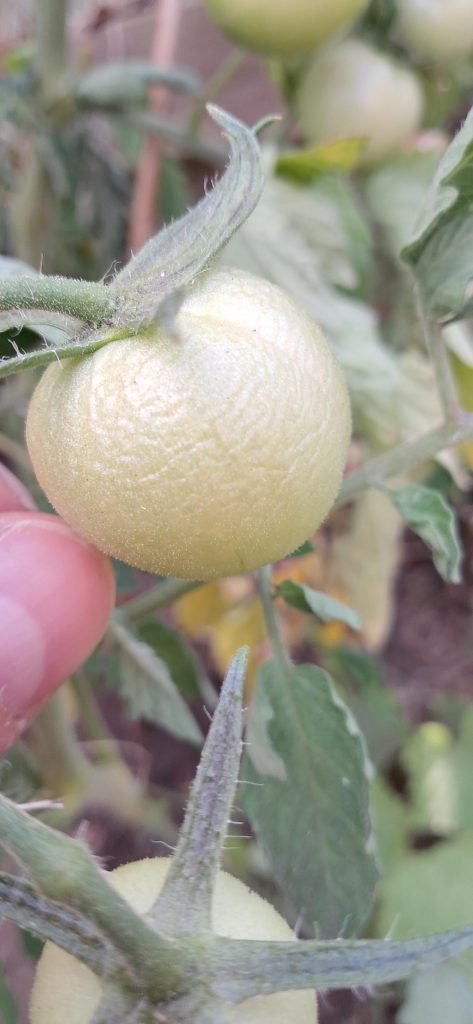
Have you ever opened your fridge, spotted wrinkled tomatoes, and wondered, “Are these still good to eat?” You’re not alone. Those shriveled skins might make you hesitate, but don’t rush to toss them just yet.
Understanding what wrinkled tomatoes really mean for freshness and safety can save you money and reduce food waste. Keep reading, and you’ll discover simple tips to decide when your tomatoes are still perfect for your meals—and when it’s time to say goodbye.
Your next delicious bite could be closer than you think!

Credit: www.epicgardening.com
Why Tomatoes Wrinkle
Tomatoes wrinkle for several reasons related to their biology and environment. Understanding why tomatoes wrinkle helps decide if they are still good to eat. Wrinkling mainly shows changes inside the tomato over time.
Loss Of Moisture
Tomatoes contain a lot of water. When they lose moisture, their skin shrinks. This shrinkage causes wrinkles to form on the surface. Moisture loss happens faster in warm or dry places. Wrinkled tomatoes feel softer because of this water loss.
Natural Aging Process
Tomatoes age just like other fruits. As they get older, their cells break down. This breakdown leads to less firmness and more wrinkles. Aging also affects the tomato’s flavor and texture. A wrinkled tomato is often sweeter but less juicy.
Storage Conditions Impact
Where and how tomatoes are stored affects wrinkling. Storing tomatoes in the fridge can speed up wrinkling. Cold temperatures cause the skin to dry out. On the other hand, keeping tomatoes too warm or exposed to air also causes moisture loss. Proper storage helps slow down wrinkling.
Effects On Taste And Texture
Wrinkled tomatoes look different, but their taste and texture also change. These changes affect how you can enjoy them in meals. Understanding these effects helps you decide the best use for these tomatoes.
Flavor Changes
Wrinkled tomatoes usually taste sweeter than fresh ones. As they lose water, the natural sugars concentrate more. This makes the flavor richer and more intense. Sometimes, they also develop a slight tanginess. This can add depth to sauces and cooked dishes.
Texture Differences
The texture of wrinkled tomatoes is softer and less firm. The skin may feel tougher or leathery in parts. Inside, the flesh becomes mushy or grainy. This texture is not ideal for salads or fresh eating. But it works well in cooked recipes where tomatoes break down.
Best Uses For Wrinkled Tomatoes
- Making tomato sauces or soups
- Cooking stews or casseroles
- Blending into salsas or dips
- Baking in casseroles or dishes
These uses take advantage of the sweeter flavor and softer texture. Wrinkled tomatoes add richness and depth without the need for perfect firmness.
Safety Of Eating Wrinkled Tomatoes
Wrinkled tomatoes may still be safe to eat if they show no mold or bad smell. Their texture changes, but taste often remains fine. Always check for softness and spots before using them.
Understanding the safety of eating wrinkled tomatoes can be a bit of a culinary puzzle. You might find yourself staring at those slightly shriveled tomatoes on your kitchen counter and wondering if they’re still good to eat. While a wrinkle or two might not make them unsafe, it’s crucial to know the signs that could indicate spoilage. Let’s break it down to ensure you’re making the safest choice.Signs Of Spoilage
Before diving into your salad-making frenzy, inspect those tomatoes closely. Look for any mold, which can appear as fuzzy patches in white, green, or black. A sour or off-putting odor is another red flag signaling that it’s time to toss them out. Touch is another valuable sense here. If the tomato feels too mushy or leaks juice, it might be past its prime. A small wrinkle might be harmless, but combined with these signs, it could mean trouble.When To Avoid Eating
Even if you’re tempted to salvage a wrinkled tomato, there are times when it’s best to err on the side of caution. If the wrinkles are deep and the skin appears thin and fragile, it’s probably not worth the risk. Consider the color too. If it’s becoming more brown than red, or if you spot any black spots, it’s better to find a fresher alternative. Trust your instincts. If it doesn’t look or smell right, it’s a sign to skip it.Health Risks To Consider
Eating spoiled tomatoes can lead to a bad case of food poisoning. Symptoms might include nausea, vomiting, or diarrhea, none of which are pleasant. The bacteria or mold present in rotten tomatoes can affect your digestive system. A friend once ignored the signs and ended up feeling sick for days—an experience you’d want to avoid. So, next time you spot a wrinkled tomato, remember these tips. Your health is worth more than saving that one tomato.
Credit: www.thefoodkooky.com
Ways To Refresh Wrinkled Tomatoes
Wrinkled tomatoes may look tired but they still have life. You can bring back some freshness with simple tricks. These ways help improve texture and taste. Try them before tossing those tomatoes.
Soaking Techniques
Soaking tomatoes in cold water helps rehydrate them. Fill a bowl with cold water and place tomatoes inside. Leave them for about 30 minutes. The water seeps through the skin and plumps the fruit.
For an extra boost, add a pinch of salt to the water. Salt draws moisture deeper into the tomato flesh. After soaking, pat the tomatoes dry gently with a paper towel.
Temperature Tips
Tomatoes lose firmness when stored too cold or too warm. Keep wrinkled tomatoes at room temperature. Avoid refrigerators unless they are very ripe or cut. Cold damages their texture and flavor.
Placing tomatoes near natural light can help restore some freshness. A windowsill works well but not direct sunlight. Warmth wakes up the tomato’s juiciness and aroma.
Using In Cooked Dishes
Wrinkled tomatoes work perfectly in cooked meals. Heat breaks down the skin and softens the flesh further. Use them in sauces, soups, stews, or casseroles.
Roasting wrinkled tomatoes enhances their sweetness. Cut them in halves, drizzle with oil, and bake. This method hides texture flaws but keeps flavor strong.
Preventing Wrinkles In Tomatoes
Wrinkles on tomatoes often signal moisture loss and aging, but you can keep your tomatoes smooth and fresh longer by adjusting how you store and handle them. Preventing wrinkles starts before the tomatoes even reach your kitchen. Small changes in storage and care make a big difference in maintaining their juicy texture and flavor.
Proper Storage Methods
Tomatoes are sensitive to temperature and humidity. Keep them at room temperature, away from direct sunlight, to avoid early wrinkles. Refrigeration can cause the skin to wrinkle faster, so only refrigerate fully ripe tomatoes if you won’t use them soon.
Store tomatoes stem side down to reduce air exposure and moisture loss. This simple trick helps keep the skin taut and slows down the drying process.
Ideal Ripeness For Storage
Storing tomatoes too early or too late affects their texture. Pick tomatoes when they are slightly underripe if you want to store them for several days. This allows them to finish ripening naturally without becoming wrinkled or mushy.
Once tomatoes are fully ripe, plan to use them quickly or refrigerate to prevent wrinkles and spoilage. Have you noticed how tomatoes kept too long start to shrivel? That’s a clear sign they’ve passed their prime for storage.
Packaging And Handling Tips
Handling tomatoes gently prevents bruising, which accelerates wrinkling. Avoid stacking them too high or pressing down on them in storage containers.
Use breathable packaging like paper bags or baskets instead of sealed plastic bags. This allows air circulation, reducing moisture build-up and skin wrinkling.
Think about how you transport your tomatoes. Bumps and pressure from shopping bags can cause damage that leads to wrinkles at home. Protect your tomatoes by placing them in a sturdy container during transit.
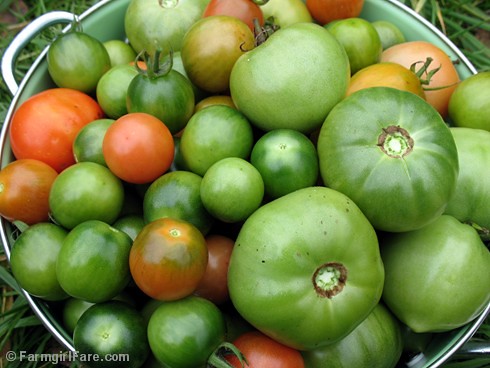
Credit: inmykitchengarden.blogspot.com
Frequently Asked Questions
Are Wrinkled Tomatoes Safe To Eat?
Yes, wrinkled tomatoes are generally safe to eat if they have no mold or bad smell. Wrinkles indicate moisture loss, but the inside may still be good.
How To Tell If A Wrinkled Tomato Is Spoiled?
Check for mold, a sour smell, or mushy texture. If these signs are present, discard the tomato to avoid illness.
Can Wrinkled Tomatoes Be Used In Cooking?
Absolutely, wrinkled tomatoes work well in sauces, soups, and stews. Cooking enhances their flavor and texture despite their appearance.
Why Do Tomatoes Wrinkle And Lose Firmness?
Tomatoes wrinkle due to water loss and aging. Exposure to air and improper storage speed up this natural process.
Conclusion
Wrinkled tomatoes are not always bad. They may still taste fine and be safe to eat. Check for soft spots or mold before using them. Use wrinkled tomatoes in cooking, like sauces or soups. Their texture works well when cooked down.
Toss them if they smell sour or feel mushy. Don’t waste food if they look and smell okay. A little wrinkle does not mean spoiled. Keep these tips in mind next time you find wrinkled tomatoes. Enjoy your meals without worry.

Hi, I’m Daniel Brooks—a food lover and kitchen gear enthusiast. I enjoy testing cookware, utensils, and gadgets to see what really works in everyday cooking. At PlugChef.com, I share honest reviews, comparisons, and simple guides to help you choose the best tools for a safer, smarter, and more enjoyable kitchen.
Related posts:
 What Type of Cooking Utensils are Safe: Expert Picks
 What Innovations Could Blenders Make: Unleashing Future Tech
 Smart Strategies to Organize a Small Kitchen: Maximize Space
 How to Organize a Kitchen Cabinet: Expert Tips & Tricks
 How to Organize Kitchen Drawers: Expert Tips and Tricks
 How to Organize a Corner Kitchen Cupboard: Expert Tips

