
For millions of people living with diagnosed nut allergies, cross-contact with even trace amounts of nuts can trigger life-threatening anaphylaxis, making traditional peanut butter off-limits. Even if you don’t have an allergy, nut-free policies at most K-12 schools, many workplaces, and shared community spaces may require you to skip peanut-based products. If you’ve ever craved the creamy, savory-sweet versatility of peanut butter but can’t safely enjoy it, nut-free alternatives deliver on taste, texture, and nutrition without the risk.
This guide breaks down the most popular, allergy-friendly nut-free peanut butter alternatives, how to choose the right one for your needs, safety best practices, and creative ways to use them in every meal. Whether you’re packing nut-free lunches for your kids, managing a personal dietary restriction, or just looking to expand your spread repertoire, you’ll find a delicious, safe option that fits your lifestyle.
 A variety of store-bought and homemade nut-free spreads ready for meals and snacks.
Why Nut-Free Peanut Butter Alternatives Are a Kitchen Staple
Choosing nut-free spreads is far more than a niche dietary preference for many households. For families managing severe nut allergies, these products eliminate the constant stress of accidental exposure to a life-threatening allergen. For schools and workplaces with mandatory nut-free policies, they make compliance simple, so you can pack lunches or share snacks without worrying about putting others at risk.
Even for people without allergies, nut-free spreads offer unique benefits: many are easier to digest than nut-based butters for people with FODMAP sensitivities or difficulty breaking down nut fats, and they often pack a different set of micronutrients than traditional peanut butter. Their versatility also makes them a great staple for anyone looking to add variety to their meals, even if they occasionally eat nut-based products.
Top Nut-Free Peanut Butter Alternatives, Tested for Taste and Safety
Not all nut-free spreads are created equal: some mimic peanut butter’s flavor and texture almost perfectly, while others have distinct profiles that shine in specific recipes. Below are the most popular, widely available options, along with their key benefits and best use cases:
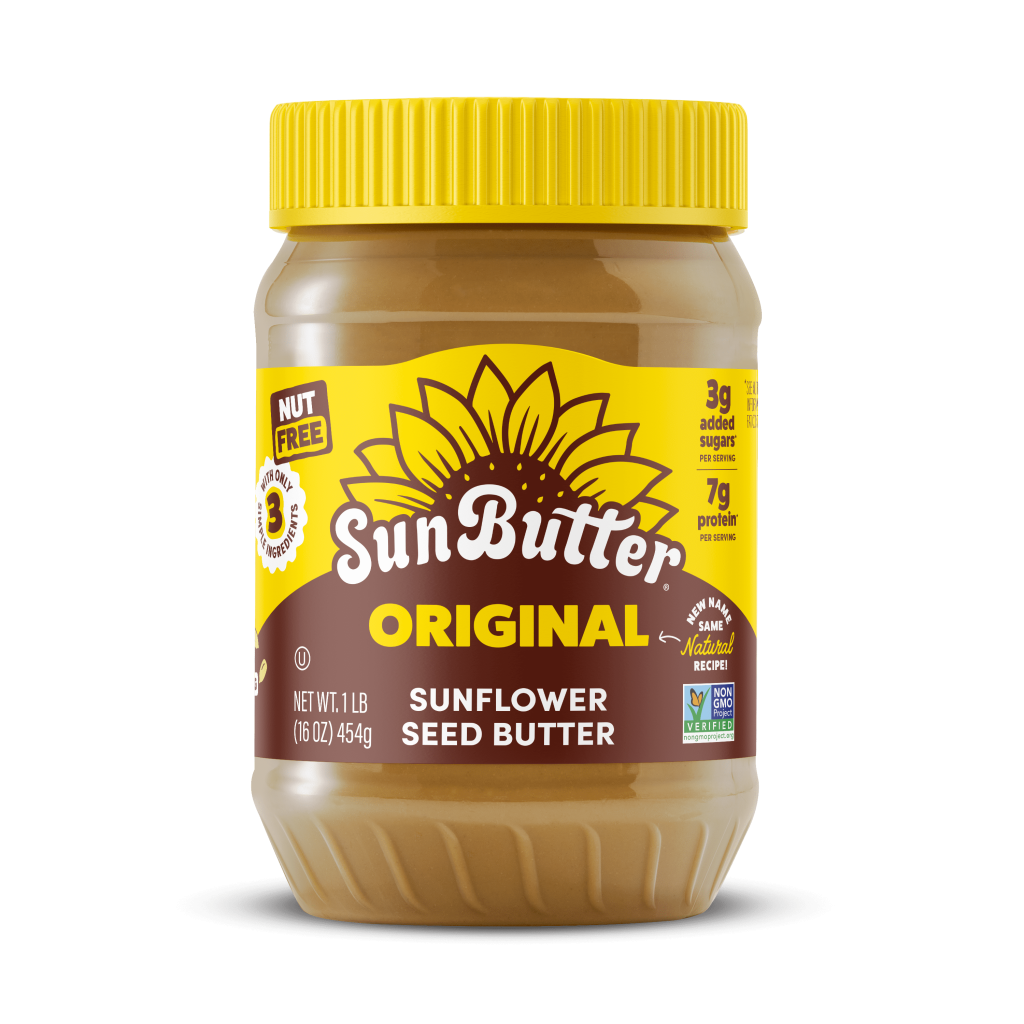
- Sunflower Seed Butter: The most popular nut-free alternative, sunflower seed butter has a creamy, spreadable consistency and mild, slightly sweet, nutty flavor that closely matches traditional peanut butter. Most commercial varieties are fortified with calcium and vitamin D, making them a top pick for kids’ lunches. It works perfectly in sandwiches, smoothies, and baked goods, though it may cause a harmless green tint in recipes with baking soda due to its natural chlorogenic acid content.
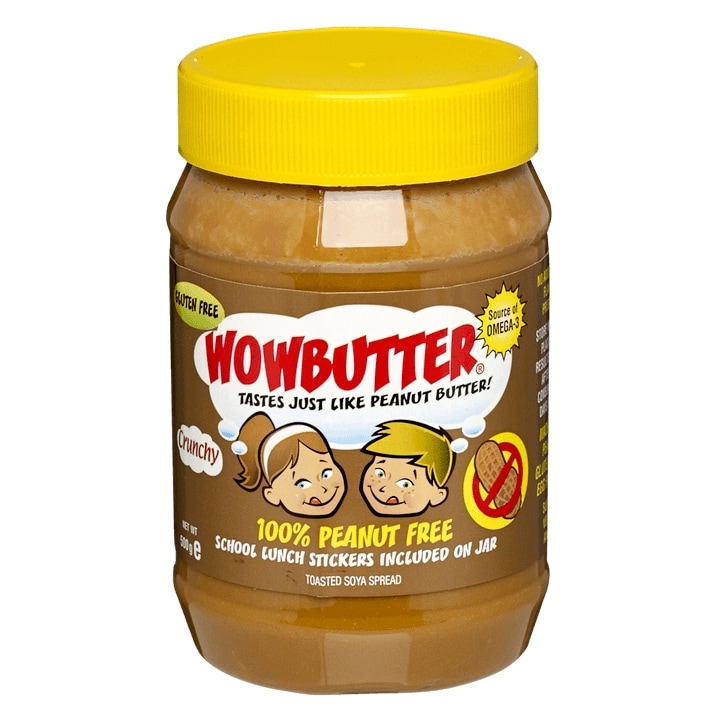
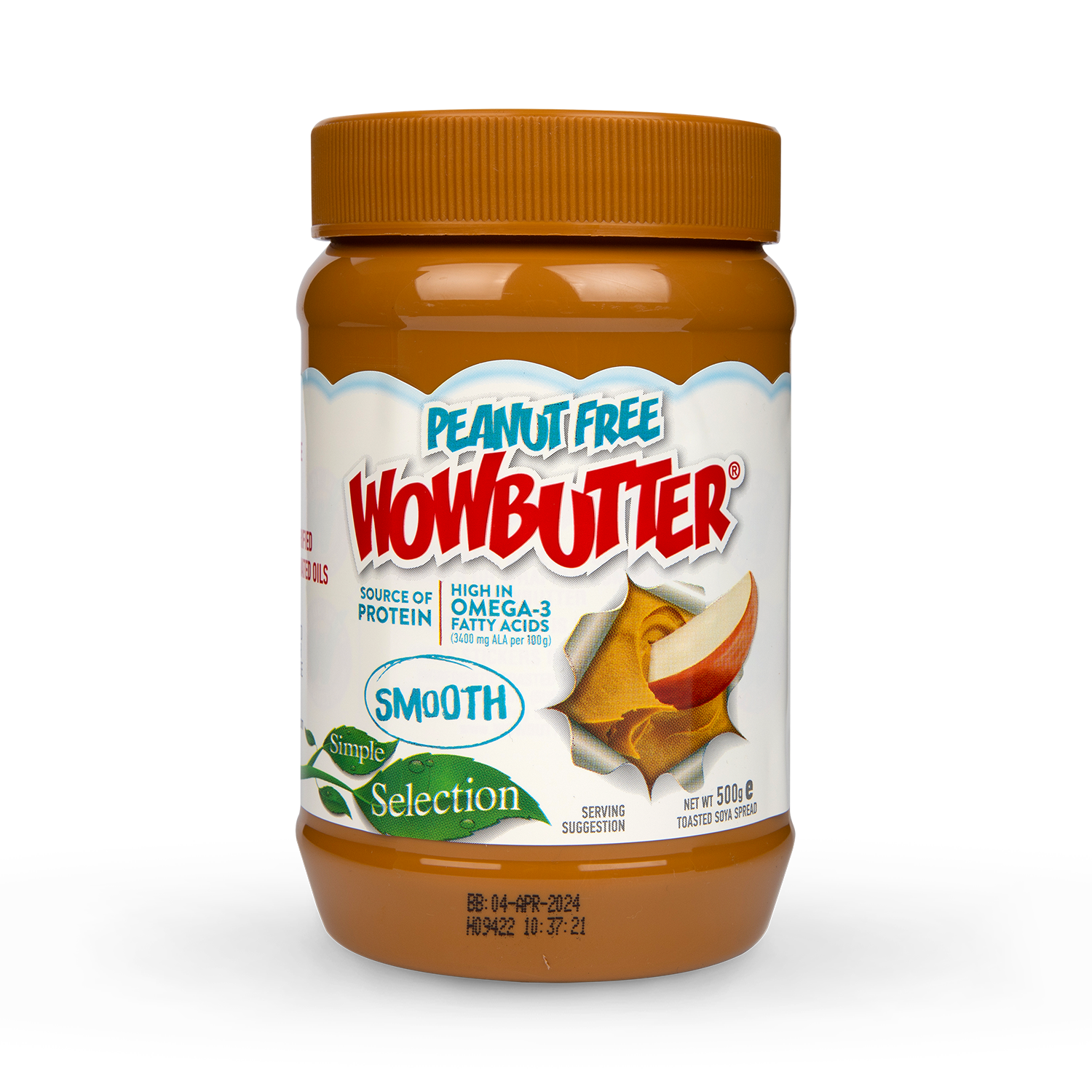
- Soy Butter: Made from roasted soybeans, soy butter has a smooth, thick texture and mild, bean-forward flavor. It’s the highest in protein of all common nut-free spreads, with up to 8g of protein per 2-tablespoon serving, making it a great pick for post-workout snacks or high-protein meals. Note that it’s not suitable for people with soy allergies.
- Pumpkin Seed Butter: With a dense, rich texture and deep, earthy, slightly nutty flavor, pumpkin seed butter is packed with magnesium, zinc, and iron. It’s less sweet than sunflower seed butter, making it ideal for savory dishes like satay sauce, curry, or paired with sharp cheeses and crackers. It also works well stirred into oatmeal or yogurt for a nutrient-dense breakfast.
- Pea Protein Butter: A newer entrant to the market, pea protein butter has a light, fluffy texture and neutral, slightly grassy flavor that takes well to added mix-ins like chocolate, cinnamon, or honey. It’s high in fiber and plant-based protein, and most varieties are free of common allergens like soy, gluten, and dairy, making it a great pick for people with multiple dietary restrictions.
- Tahini (Sesame Seed Butter): Made from ground hulled sesame seeds, tahini is a nutrient-dense, calcium-rich option with a rich, nutty (but 100% nut-free) flavor. It’s a staple in Middle Eastern cuisine, perfect for hummus, salad dressings, and savory sauces, though people with sesame allergies should avoid it.
 Sunflower seed butter, the most popular nut-free peanut butter alternative, works equally well in sweet and savory dishes.
 Rich, earthy pumpkin seed butter is a nutrient-dense option perfect for savory cooking and breakfast bowls.
How to Choose the Best Nut-Free Alternative for Your Needs
A quick scan of the nut-free spread aisle can feel overwhelming, but focusing on four key factors will help you pick the right product for your household:
- Verify nut-free safety first: Look for products labeled “nut-free” and check for cross-contamination warnings. For severe allergies, opt for brands with third-party nut-free certification, which verifies the product is made in a dedicated nut-free facility. The FDA’s official food allergen labeling guidance recommends avoiding any product with a “may contain traces of nuts” warning if you have a life-threatening allergy, a rule you can review here.
- Scan for added sugars and unhealthy oils: Many commercial nut-free spreads add cane sugar, corn syrup, or hydrogenated oils to mimic the flavor and texture of peanut butter. Choose options with 3g of added sugar or less per serving, and avoid products with partially hydrogenated oils, which contain unhealthy trans fats.
- Match the spread to your use case: If you’re looking for a direct peanut butter swap for sandwiches, sunflower seed butter is the closest match. For savory cooking, pumpkin seed or tahini works best. For baking or smoothies, neutral pea protein butter is a versatile pick.
- Check for additional dietary certifications: If you need gluten-free, vegan, or low-FODMAP options, look for third-party certifications on the label to ensure the product meets your needs.
A common mistake shoppers make is assuming a “made in a nut-free facility” label is the same as third-party certified nut-free: the former only means the facility doesn’t process nuts, but cross-contamination can still occur from shared equipment, so always prioritize certified products for severe allergies.
Taste and Texture Comparison: What to Expect
If you’re used to the rich, salty-sweet flavor of peanut butter, you’ll notice subtle differences across nut-free alternatives, but most are close enough to satisfy even picky eaters.
- Texture: Sunflower seed butter has the creamiest, most spreadable consistency, nearly identical to commercial creamy peanut butter. Soy butter is slightly thicker and denser, while pumpkin seed butter is the thickest of the group, with a paste-like texture that holds its shape well when used as a dip. Pea protein butter is light and airy, similar to a whipped nut butter.
- Flavor: Sunflower seed butter has a mild, naturally sweet, slightly earthy flavor that works in both sweet and savory dishes. Soy butter has a subtle, bean-forward taste that pairs well with bold flavors like soy sauce or chocolate. Pumpkin seed butter is deeply earthy and less sweet, making it a great pick for savory recipes, while tahini has a rich, nutty, slightly bitter profile that shines in Middle Eastern dishes.
In practice, many families find that sunflower seed butter is the easiest swap for kids who are used to peanut butter, as its flavor is familiar and unobtrusive.
Nutritional Benefits of Nut-Free Spreads
Nut-free spreads made from seeds and legumes offer a similar nutritional profile to peanut butter, with some unique benefits:
- Most are rich in heart-healthy monounsaturated and polyunsaturated fats, with comparable or lower saturated fat content than traditional peanut butter.
- Protein content varies by type: soy and pea protein butters often have more protein per serving than peanut butter, making them a great pick for plant-based diets.
- Seed-based spreads are packed with micronutrients: sunflower seed butter is high in vitamin E, pumpkin seed butter is rich in magnesium and zinc, and tahini provides more calcium per serving than most dairy products.
- Many nut-free spreads are suitable for common dietary plans, including vegan, gluten-free, paleo, and low-FODMAP (check individual labels for added high-FODMAP ingredients like honey or inulin).
- For people who avoid nuts due to digestive sensitivities or difficulty digesting nut fats, seed and legume-based spreads are often easier to tolerate, with lower FODMAP content in unsweetened varieties.
Easy Ways to Use Nut-Free Spreads in Every Meal
Nut-free spreads are just as versatile as peanut butter, working in everything from breakfast to dessert:
- Breakfast: Stir a spoonful into oatmeal or yogurt, spread on whole-grain toast with sliced banana or berries, or blend into smoothie bowls for extra creaminess and protein. For a quick, nutrient-dense add-in, pair your toast with sliced avocado, which you can ripen faster using our overnight avocado ripening method.
- Lunch: Make classic nut-free sandwiches with jelly, honey, or sliced apples, or use as a dip for pretzels, carrot sticks, and apple slices for a quick, portable snack. Many brands also offer single-serve packets perfect for school or work lunches.
- Baking: Substitute nut-free spreads 1:1 for peanut butter in cookies, muffins, energy balls, and protein bars. Note that sunflower seed butter may cause a faint green tint in baked goods with baking soda, which is harmless and caused by a natural reaction between the seed’s chlorogenic acid and the baking soda.
- Savory cooking: Mix pumpkin seed or tahini with soy sauce, lime juice, and a touch of honey for a nut-free satay sauce to pair with chicken, tofu, or shrimp. Stir sunflower seed butter into curry or pasta sauce for added richness and creaminess.
- Snacks and desserts: Roll nut-free butter into balls with oats, dried fruit, and mini chocolate chips for no-bake energy bites, or use as a base for allergy-friendly frosting for cupcakes and cookies.
Where to Buy the Best Nut-Free Spreads
You can find nut-free spreads at almost any major grocery store, with options for every budget and dietary need:
- Grocery stores: Check the peanut butter aisle or natural foods section for widely available options like SunButter sunflower seed butter. Most stores also stock specialty soy, pea protein, and tahini spreads in the international or health food aisles. Look for clear “nut-free” labeling, and ask store staff for help locating products if you can’t find them.
- Health food stores: Retailers like Whole Foods, Trader Joe’s, and local co-ops often carry a wider range of organic, flavored, and certified nut-free spreads, including unique varieties like chocolate-infused sunflower seed butter or spicy pumpkin seed butter.
- Online retailers: For the widest selection, shop on Amazon, Thrive Market, or specialty allergy-friendly food websites. Online shopping lets you compare prices, read reviews from other allergy sufferers, and buy in bulk to save money. Many brands also offer subscription services for regular deliveries, so you never run out of your favorite spread.
- School and workplace programs: Many K-12 districts and corporate cafeterias partner with nut-free spread brands to provide safe options for students and employees, so check with your school or HR department to see if these products are available on-site.
Critical Safety Tips for Allergy-Friendly Consumption
Even products labeled “nut-free” can pose a risk if you don’t follow basic safety practices, especially if you have a severe allergy:
- Read labels every time you shop: Manufacturing processes and ingredient suppliers can change without notice, so even if you’ve bought a product for years, check the label each time for new cross-contamination warnings or added ingredients.
- Choose certified nut-free brands for severe allergies: Third-party certifications from organizations like FARE (Food Allergy Research & Education) verify that a product is made in a dedicated nut-free facility, with strict protocols to eliminate cross-contamination risk. These products are the safest pick for people with anaphylaxis-level nut allergies.
- Prevent cross-contact at home: Use separate utensils, knives, and spreading tools for nut-free and nut-containing foods. Wash all prep surfaces, including properly sanitized wooden cutting boards, thoroughly before preparing allergy-friendly meals, and store nut-free spreads on a separate shelf away from nut-containing products. Keeping your kitchen organized with regular cleaning and organizing under your kitchen sink can help you keep allergy-safe supplies separate from other items.
- Communicate clearly when eating away from home: If you’re eating at a friend’s house or a restaurant, explicitly state your nut allergy and ask about ingredients and preparation methods. Don’t assume a dish is safe just because nuts aren’t listed as a main ingredient, as cross-contamination can occur in shared kitchen spaces.
- Make homemade spreads for full control: If you’re concerned about commercial product safety, making your own nut-free spread at home is easy and affordable. Simply roast sunflower or pumpkin seeds, then blend them with a small amount of neutral oil (like sunflower or avocado oil) and a pinch of salt until smooth. This lets you control every ingredient and eliminate cross-contamination risk entirely. If you’re using older kitchen tools for blending, make sure they’re free of rust or residue by following tips for removing rust from kitchen utensils before use. If you get spread residue on your cutting board, learn how to remove stains from cutting boards to keep surfaces safe for future use.
Frequently Asked Questions
What are the best nut-free peanut butter alternatives for kids?
Sunflower seed butter is the most popular pick for kids, as its mild, slightly sweet flavor is familiar to children who are used to peanut butter, and many varieties are fortified with calcium and vitamin D for growing kids. Pea protein butter is another great option for kids with multiple allergies, as most varieties are free of soy, gluten, and dairy.
Are nut-free peanut butter alternatives safe for people with tree nut allergies?
Yes, most seed and legume-based spreads (sunflower, pumpkin, soy, pea) are safe for people with tree nut allergies, as they contain no tree nut ingredients. Always check labels for cross-contamination warnings, and avoid tahini if you have a sesame allergy.
Do nut-free butters taste like peanut butter?
Sunflower seed butter has the closest flavor profile to peanut butter, with a mild, slightly sweet, earthy taste. Other options have more distinct flavors: pumpkin seed butter is earthy and less sweet, soy butter is mild and bean-forward, and tahini is rich and slightly bitter. Most people find a spread that fits their taste preferences after trying a few varieties.
Can I use nut-free butter in baking recipes that call for peanut butter?
Yes, most nut-free spreads can be substituted 1:1 for peanut butter in baked goods like cookies, muffins, and energy balls. Note that sunflower seed butter may cause a faint green tint in recipes with baking soda, which is harmless and caused by a natural reaction between the seed’s chlorogenic acid and the baking soda. It does not affect the flavor or safety of the finished product.
Are homemade nut-free spreads better than store-bought?
Homemade spreads let you control every ingredient, avoiding added sugars, preservatives, and cross-contamination risks. They’re also often more affordable than commercial varieties, though they have a shorter shelf life (1-2 weeks in the refrigerator) compared to store-bought options, which often last 6-12 months unopened.
Final Thoughts
Nut-free peanut butter alternatives have come a long way in recent years, with options that are just as creamy, flavorful, and versatile as traditional peanut butter, without the allergy risk. Whether you opt for widely available sunflower seed butter, high-protein soy butter, or earthy pumpkin seed butter, you can enjoy all your favorite peanut butter recipes without compromise.
If you’re new to nut-free spreads, start with a small jar of sunflower seed butter to test the flavor before investing in larger or more specialty varieties. For more allergy-friendly recipes, kitchen tips, and guides to navigating dietary restrictions, check out our full blog of kitchen tips and recipes for inspiration.

I’m Abby Lu, a passionate home cook who loves simplifying everyday meals. At PlugChef.com, I share product reviews and cooking guides to help you find the best tools for your kitchen.
Related posts:
 How to Make a Fruit Basket for a Gift: Easy DIY Guide
 Do You Need a Basket? Essential Guide for Air Fryers
 Small Kitchens With Black Appliances: Maximizing Style
 Allied Blenders And Distillers IPO: Investment Insights
 Whirlpool 4 Piece Kitchen Appliance Package: Ultimate Upgrade
 Kitchen Sink Cleaning: Ultimate Tips for a Sparkling Shine

