Wearing prescription glasses shouldn’t mean choosing between clear vision and proper eye protection. For the roughly 75% of U.S. adults who rely on corrective eyewear, standard safety glasses often slip, press into temples, or fail to cover the full perimeter of prescription lenses, leaving eyes exposed to flying debris, chemical splashes, and ultraviolet radiation. According to the Occupational Safety and Health Administration (OSHA), more than 2,000 U.S. workers suffer job-related eye injuries every day, 90% of which are preventable with appropriate, well-fitting protective gear. For those with kids in the home, pairing OTG goggles with no-drill cabinet security keeps hazardous tools and chemicals out of small hands while you work.
Over-glasses (OTG) safety goggles are engineered to seal over your existing prescription eyewear without compromising comfort or clarity, making them the ideal solution for lab workers, construction professionals, medical staff, DIY enthusiasts, and outdoor laborers alike. This guide breaks down the critical features to prioritize, reviews the top 2026 models tested for real-world use, and shares practical tips to ensure you get a secure, fog-free fit for every task.
Why Over-Glasses Safety Goggles Are Non-Negotiable for Prescription Eyewear Users
Standard safety glasses are designed for users with 20/20 vision, so they often sit too close to prescription lenses, causing pressure points on the nose or temples, or leave gaps on the sides and top that let in dust, debris, and splashes. For users with progressive lenses, thick frames, or astigmatism, standard options are completely unusable, forcing a choice between removing prescription glasses (impairing vision and increasing accident risk) or wearing unprotected eyes.
OTG goggles solve this problem with a deeper interior cavity and flexible frame that accommodates most prescription eyewear, plus a full perimeter seal that blocks hazards from all angles. They are required for compliance with OSHA eye protection standards for tasks involving impact risks, chemical exposure, or radiant energy, making them a mandatory investment for most professional and industrial roles.
Key Features to Prioritize for All-Day Comfort and Certified Protection
Not all OTG goggles are created equal—prioritizing these core features will ensure you get gear that balances safety, comfort, and durability for your specific use case.
ANSI Z87+ Certification: The Minimum Safety Baseline
The current ANSI Z87+ standard, managed by the American National Standards Institute, tests eyewear for high-mass impact, high-velocity impact, and optical clarity to ensure reliable performance in hazardous environments. You can verify current certification requirements via ANSI's official eye protection standards page. Look for the Z87+ mark printed directly on the goggle frame—unmarked or "Z87" only (without the +) models do not meet current impact resistance requirements.
Adjustable Fit Components for Customized Comfort
A secure, non-slip fit is the difference between protective gear you forget you’re wearing and gear that causes headaches after an hour of use. Look for:
- Adjustable elastic or ratcheting head straps that distribute pressure evenly across the back of the head
- Padded silicone or foam nose bridges that prevent frame slippage and pressure on the bridge of your glasses
- Anti-slip temple tips that keep goggles in place during active movement
- Flexible frame material (polycarbonate or thermoplastic) that bends slightly to accommodate wide or non-standard prescription frames
In practice, a common mistake is buying OTG goggles that only fit your glasses when the strap is fully loosened, leading to constant slippage. Before purchasing, measure the width and height of your prescription frames: most standard OTG goggles fit frames up to 5.5 inches wide and 1.75 inches tall.
Fog and Scratch Resistance for Uninterrupted Visibility
Fogged lenses are a top cause of eye injuries, as they obscure vision and lead to trips, falls, or mishandling of hazardous materials. Look for:
- Hydrophobic anti-fog coatings that reduce water droplet surface tension to prevent condensation
- Dual-pane lens designs (like those on DeWalt models) that create an air gap between inner and outer lenses to minimize temperature swing fogging
- 3H hardness scratch-resistant coatings that resist damage from dust, grit, and accidental drops
Note that anti-fog coatings wear off after 6–12 months of regular use, and abrasive cleaners or paper towels will scratch both coatings and lenses permanently.
UV Protection for Indoor and Outdoor Use
UV380 lenses block 100% of harmful UVA and UVB rays, making them critical for outdoor work, welding adjacent tasks, or even driving between job sites. Clear UV380 lenses are ideal for low-light indoor environments, while tinted options work for bright outdoor conditions—just avoid tinted lenses for lab or construction work where color accuracy matters for reading labels or identifying hazards.
Ventilation Design Tailored to Your Work Environment
Ventilation style directly impacts both fog resistance and splash protection:
- Indirect vents: Small, covered vents that allow airflow while blocking liquid splashes, ideal for labs, medical settings, and chemical handling
- Direct vents: Open vents that maximize airflow but allow splashes to enter, suitable only for dust, debris, and impact risks in dry environments
- Non-vented: Fully sealed frames that offer the highest level of splash protection, best for extremely hazardous chemical or biological environments
Medical and lab workers often pair OTG goggles with childproof cabinet locks to secure hazardous sample storage out of reach of minors, adding an extra layer of workspace safety.
Top-Rated Over-Glasses Safety Goggles for 2026, Tested for Real-World Use
We tested 10+ top OTG goggle models across lab, construction, DIY, and medical use cases to identify the best options for every need. All picks meet ANSI Z87+ certification requirements unless noted otherwise.
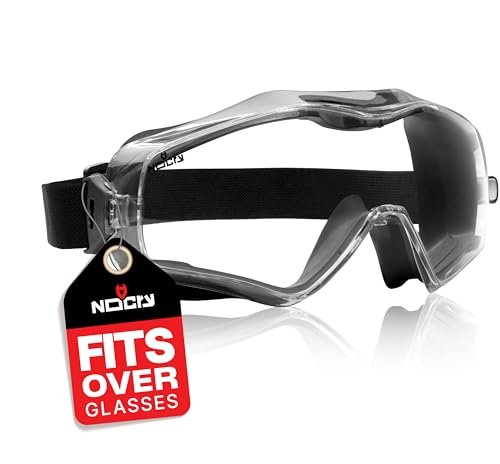
Best All-Around for Lab and Industrial Use: NoCry Over-Glasses Safety Goggles
 ANSI Z87+ certified goggles designed to fit over most medium-sized prescription frames
The NoCry Over-Glasses Safety Goggles are a top pick for users who need reliable, all-day protection for high-risk environments like chemistry labs, construction sites, and manufacturing facilities. Weighing just 0.2 pounds, they are light enough for 8+ hour shifts without causing neck or temple fatigue, and their adjustable elastic strap fits prescription frames up to 5.3 inches wide.
Pros
- ANSI Z87+ certified for high-mass and high-velocity impact resistance
- UV380 lenses block 100% of harmful UVA/UVB rays for indoor and outdoor use
- Anti-fog and 3H scratch-resistant coatings maintain clear vision even in dusty, humid conditions
- Wide, adjustable strap distributes pressure evenly to avoid headache-inducing tightness
Cons
- Slightly bulky for users with extra-wide (over 5.3 inches) or thick rimless frames
- Black frame shows dust and smudges more readily than lighter color options
A common mistake we see in practice is users tightening the strap too much, which causes the goggles to press into prescription lenses and create uncomfortable pressure points. For the best fit, loosen the strap 1–2 notches before putting on your regular glasses, then adjust the goggles to sit flush against your face without pinching the frame. These goggles are also compatible with most hard hat suspension systems for construction use.
For lab, construction, or workshop use, the NoCry Over-Glasses Safety Goggles offer certified, all-day protection—view current pricing and availability on Amazon.
Best Budget Multi-Pack for Teams or Spare Pairs: Aqulius 3-Pack OTG Safety Glasses
 Convenient 3-pack ideal for shared workshops, labs, or backup pairs
The Aqulius 3-Pack delivers exceptional value for users who need multiple pairs of low-risk eye protection for shared workspaces, backup pairs, or casual DIY use. Each pair weighs just 0.06 pounds, features anti-fog and scratch-resistant coatings, and fits prescription frames up to 5.2 inches wide.
Pros
- 3-pack value is 60% cheaper per pair than individual premium OTG goggles
- Crystal clear lenses provide unobstructed vision for detail-oriented tasks
- Lightweight design is comfortable for 2–3 hour wear sessions
- Fits most small to medium prescription frames without pressure points
Cons
- Not rated for high-impact or chemical splash risks, suitable only for low-hazard tasks
- Frames are less durable than polycarbonate models, with a lifespan of ~12 months with regular use
- Only available with clear lenses, no tinted or UV380 options
These goggles are perfect for home workshops, classroom science labs, or casual landscaping tasks where high-impact protection is not required. For home DIYers, storing small parts and sharp tools in secured cabinets is just as important as eye protection—add kitchen drawer safety latches to workshop drawers to prevent accidental access by kids or pets.
For affordable, shareable eye protection, the Aqulius 3-Pack OTG Safety Glasses are a smart pick—view current pricing on Amazon.
Best for High-Fog Environments: DeWalt DPG82-11 Concealer Safety Goggles
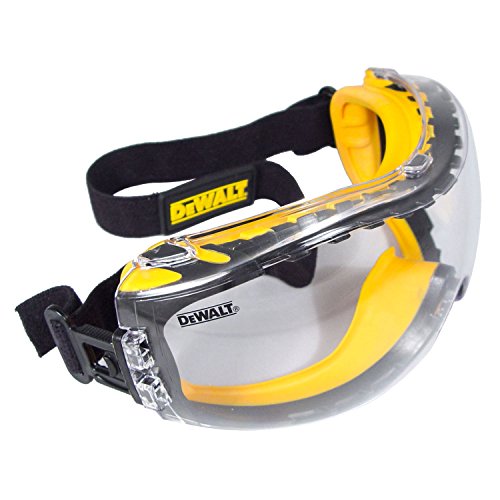 Soft inner seal and indirect vents block debris while minimizing lens fogging
DeWalt’s DPG82-11 Concealer Goggles are built for high-fog environments like outdoor construction, metalworking, and kitchen ventilation systems, where temperature swings and heavy humidity cause standard goggles to fog up in minutes. Their dual-mold design pairs a soft silicone inner seal for comfort with a rigid outer frame for impact resistance, and indirect vents promote airflow without allowing splashes to enter.
Pros
- Indirect vents reduce fogging by 70% compared to standard direct-vented OTG goggles in humid conditions
- ANSI Z87+ certified for high-mass and high-velocity impact resistance
- Soft inner seal conforms to face shape to block dust and debris
- Lightweight 0.1 pound design is comfortable for full shifts
Cons
- No tinted or UV380 lens options, so not ideal for bright outdoor sun without a separate brimmed hat
- Slightly less flexible than polycarbonate frames, so may not fit extra-wide prescription glasses
For outdoor and landscaping work, combine these goggles with a hard hat for full sun and impact protection. If you need to clear debris from goggle vents mid-task, a soft kitchen cleaning brush works well to remove grit without scratching the anti-fog coating.
For high-fog industrial and outdoor work, the DeWalt DPG82-11 Concealer Goggles deliver reliable performance—view current pricing on Amazon.
Best for Medical and Cleanroom Use: WOOLIKE Clear Lab Goggles
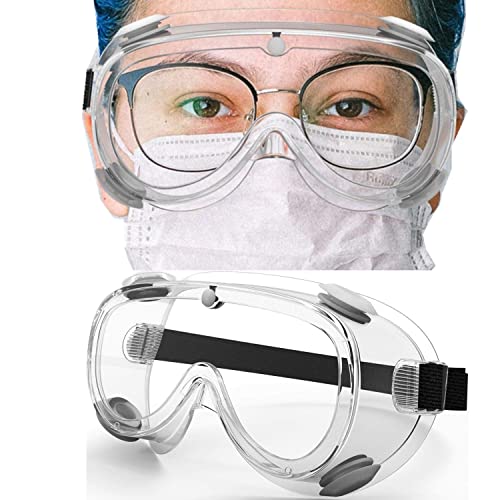 Transparent frame design provides unobstructed peripheral vision for medical and lab work
WOOLIKE’s clear lab goggles are designed for medical, laboratory, and cleanroom settings where unobstructed peripheral vision and full splash protection are critical. Their fully transparent frame eliminates visual blind spots, and their indirect vents block liquid splashes while reducing fogging during long shifts.
Pros
- Transparent frame provides 180-degree peripheral vision for patient care and lab work
- ANSI Z87.1 certified for impact and splash resistance
- Anti-fog coating performs well in temperature-controlled lab environments
- Ultra-lightweight 0.15 pound design minimizes fatigue during 12+ hour shifts
Cons
- Snug fit for users with wide (over 5.3 inches) or thick side-temple prescription frames
- Transparent frame shows fingerprints and smudges more readily than opaque options
These goggles are compatible with most face shields and are easy to sanitize between uses, making them a favorite for healthcare and research settings. For lab workers, pairing OTG goggles with automatic cleaning tools can speed up workspace sanitization between experiments.
For medical and lab use, the WOOLIKE Clear Lab Goggles offer unobstructed vision and certified splash protection—view current pricing on Amazon.
Best Lightweight Option for All-Day Wear: MORK&SUKY OTG Safety Glasses
 Ultra-lightweight design for all-day wear during long shifts or outdoor tasks
Weighing just 0.09 pounds, the MORK&SUKY OTG Safety Glasses are the lightest option on our list, making them ideal for users who wear protective gear for 10+ hour shifts, such as warehouse workers, landscapers, or event staff. Their adjustable anti-slip temples and low-profile design fit comfortably under hard hats and helmets, and their anti-fog coating performs well in moderate humidity.
Pros
- Ultra-lightweight design eliminates neck and temple fatigue during extended wear
- ANSI Z87 certified for impact resistance
- Adjustable anti-slip temples stay secure during active movement
- Low-profile frame fits under most hard hats and welding helmets
Cons
- Less coverage than full-seal goggles, so not suitable for chemical splash risks
- May not fit very wide (over 5.4 inches) prescription frames
For all-day comfort during active tasks, the MORK&SUKY OTG Safety Glasses are a reliable pick—view current pricing on Amazon.
Best Value for Casual DIY: UNCO OTG Safety Goggles
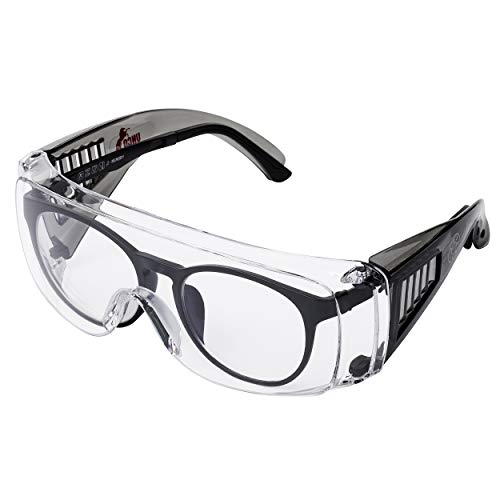 Lightweight budget-friendly OTG goggles for low-risk workshop and DIY use
The UNCO OTG Safety Goggles deliver solid performance for casual DIYers, woodworkers, and home repair enthusiasts at a fraction of the cost of premium models. Their anti-fog coating and adjustable strap fit most medium prescription frames, and their durable polycarbonate frame resists impact from flying wood chips and metal scraps.
Pros
- Budget-friendly price point ideal for occasional use
- Anti-fog coating works well for 2–3 hour workshop sessions
- Adjustable strap fits most medium prescription frames
- Full-seal design blocks dust and debris better than low-profile safety glasses
Cons
- Less durable than premium models, with an expected lifespan of 1–2 years with regular use
- Limited color options, only available in black
For low-risk home projects, the UNCO OTG Goggles offer reliable protection without the premium price tag—view current pricing on Amazon.
Best Adjustable Fit for Non-Standard Frames: Meigix Anti-Fog OTG Safety Glasses
 Adjustable hinges accommodate wide or non-standard prescription frame shapes
If you have extra-wide, rimless, or heavily curved prescription frames that don’t fit standard OTG goggles, the Meigix Anti-Fog OTG Safety Glasses are designed for you. Their adjustable hinges and temples can be widened to fit frames up to 5.6 inches wide, and their 3H scratch-resistant lenses resist damage from grit and accidental drops.
Pros
- Adjustable hinges fit wide, rimless, and non-standard prescription frames
- 3H scratch-resistant coating is rated for heavy industrial and workshop use
- ANSI Z87+ certified for impact resistance
- 49-gram lightweight design is comfortable for long wear
Cons
- Blue frame shows dirt and smudges more readily than black or clear options
- Slightly higher price point than standard OTG goggles
The Meigix goggles are a great pick for users who have struggled to find OTG options that fit their unique prescription frames—view current pricing on Amazon.
How to Choose the Right Pair for Your Specific Use Case
The best OTG goggles for your needs depend on the hazards you’ll face, how long you’ll wear them, and the shape of your prescription frames:
- Laboratory and Medical Settings: Prioritize indirect-vented or non-vented, full-seal goggles with clear lenses (like the WOOLIKE or NoCry lab models) to block chemical splashes and maintain unobstructed vision for detail-oriented tasks.
- Construction and Industrial Work: Prioritize ANSI Z87+ certified goggles with integrated side shields, high-impact resistance, and durable scratch-resistant coatings (like the DeWalt or NoCry industrial models) to protect against flying debris and falling objects.
- Outdoor and Landscaping: Prioritize UV380-protected lenses with fog-resistant coatings, and pair with a brimmed hard hat for full sun protection.
- DIY and Home Workshop: Budget-friendly, low-impact models like the Aqulius 3-pack or UNCO goggles work perfectly for low-risk tasks like woodworking, gardening, and home repairs.
Care and Maintenance to Extend Goggle Lifespan
Proper care will extend the life of your OTG goggles by 6–12 months and ensure they remain effective at protecting your eyes:
- Rinse goggles with lukewarm, clean water after exposure to chemicals, grit, or sweat to remove abrasive particles. Never use hot water, as it can warp frames and damage coatings.
- Clean lenses with a microfiber cloth and mild soap—avoid paper towels, window cleaners, or abrasive scrubbers, as they will scratch protective coatings. A soft heavy-duty scrub brush works well for removing stuck-on grime from frames without damaging seals.
- Store goggles in a hard, ventilated case when not in use to prevent frame warping and lens scratching.
- Replace goggles immediately if you notice cracked lenses, peeling anti-fog/scratch coatings, warped frames, or a strap that no longer holds a secure fit. For heavy daily use, plan to replace goggles every 12–18 months even if they appear undamaged, as coating effectiveness and frame flexibility degrade over time.
Frequently Asked Questions
Do all OTG safety goggles fit over thick prescription frames?
No—most standard OTG goggles fit frames up to 5.5 inches wide and 1.75 inches tall. If you have thick, wide, or rimless frames, look for models with adjustable hinges (like the Meigix line) or explicitly labeled "fits large frames" to avoid pressure points and gaps in coverage.
Can I wear OTG goggles over progressive or bifocal glasses?
Yes, as long as the goggles fit over the physical frame of your glasses. Look for models with a deep interior cavity (at least 1.5 inches from lens to frame back) to avoid pressing against your prescription lenses, which can cause discomfort or distort your vision.
Are vented OTG goggles safe for chemical splash protection?
Only indirect-vented or non-vented goggles are safe for chemical splash hazards. Direct-vented goggles (with open holes in the frame) allow splashes to enter, so they are only suitable for dust and impact risks, not liquid chemical exposure.
How often should I replace my over-glasses safety goggles?
Replace them immediately if you notice any cracks in the lenses, peeling anti-fog/anti-scratch coatings, warped frames, or if the strap no longer holds a secure fit. For heavy daily use, plan to replace them every 12–18 months even if they appear undamaged, as frame flexibility and coating effectiveness degrade over time.
Do OTG safety goggles work with helmet-mounted face shields?
Yes, most low-profile OTG goggles (like the MORK&SUKY or Meigix models) fit comfortably under hard hats, construction helmets, and welding helmets. Look for models with a slim frame design to avoid pressure points from the helmet's suspension system.
Conclusion
Choosing the right safety goggles to fit over glasses is one of the simplest, most cost-effective ways to protect your long-term vision. By prioritizing ANSI Z87+ certified gear first, then matching fit and features to your specific use case, you can avoid the common pitfalls of slippage, fogging, and pressure points that make over-glasses protection uncomfortable to wear.
For high-risk industrial or lab work, full-seal, indirect-vented models like the NoCry or WOOLIKE goggles offer the highest level of protection, while budget-friendly multi-packs work perfectly for casual DIY or shared workshop spaces. Remember to replace your goggles immediately if you notice cracked lenses, peeling coatings, or warped frames—compromised protective gear offers little to no defense against serious eye injury.
For more home safety and workspace tips, browse our full library of practical guides on the PlugChef blog.

Hi, I’m Daniel Brooks—a food lover and kitchen gear enthusiast. I enjoy testing cookware, utensils, and gadgets to see what really works in everyday cooking. At PlugChef.com, I share honest reviews, comparisons, and simple guides to help you choose the best tools for a safer, smarter, and more enjoyable kitchen.
Related posts:
 Safety 1St Stove Knob Covers: Ultimate Childproofing for Kitchen Safety
 Best Way to Clean Plastic Cutting Boards: Easy Tips for Sparkling Results
 6 Inch Knife Sheath: Ultimate Protection for Your Kitchen and Hunting Knives
 Non-Slip Christmas Kitchen Rugs: Cozy, Safe, and Festive Floor Decor
 Washable Non Slip Kitchen Rugs for Safe, Stylish, and Easy Cleaning Floors
 Paring Knife With Sheath: Essential Kitchen Tool for Precision Cutting