In 2026, glass containers with lids have moved from a niche meal-prep tool to a non-negotiable kitchen staple for home cooks, busy professionals, and families alike. Unlike cheap plastic storage that stains, holds lingering food odors, and may leach microplastics or BPA into hot or acidic foods, high-quality glass storage offers a non-reactive, durable, and eco-friendly solution for every step of food handling — from prepping chopped vegetables to storing Sunday leftovers and transporting office lunches. Paired with secure, BPA-free lids, these containers cut down on household food waste, simplify cleanup, and support safer food storage practices aligned with modern health and sustainability goals. For households prioritizing organization, they also create a uniform, visually cohesive look in pantries and refrigerators, making it easy to spot ingredients at a glance.
Why Glass Containers With Lids Outperform Plastic for Everyday Storage
Glass storage containers deliver consistent, long-term performance that plastic cannot match. Their non-reactive surface means they will never transfer metallic or plastic flavors to acidic foods like tomato sauce, citrus vinaigrette, or marinated meats, a common flaw with lower-quality plastic containers. They also do not absorb stains from strong ingredients like turmeric, berry juice, or curry, so they stay clear and odor-free even after years of use. Most sets are rated for temperatures between -40°F and 450°F, so they can safely move from the freezer to the microwave or oven without warping, melting, or releasing harmful chemicals — a critical safety benefit for reheating leftovers or baking casseroles directly in the container. As a reusable, 100% recyclable material, glass also eliminates the need for single-use plastic bags and disposable containers, reducing household waste over time. For more on this, see our guide on large glass food storage containers with lids.
A common mistake shoppers make is assuming all glass is created equal. Entry-level soda-lime glass is affordable and works well for everyday microwave and dishwasher use, but it is prone to cracking if moved directly from a hot oven to a cold countertop (a risk known as thermal shock). Borosilicate glass, used in labware and high-end kitchen brands, has a lower thermal expansion rate, making it far more resistant to sudden temperature changes — a worthwhile upgrade for frequent meal preppers or home bakers who regularly move containers between the oven and freezer.
Key Features to Prioritize When Shopping
Not all glass containers with lids are built for the same use cases. Prioritizing these features will help you pick a set that fits your household’s needs:
Glass Material: Soda-Lime vs. Borosilicate
Soda-lime glass is the most common material for entry-level sets, priced between $20 and $40 for a 5-8 piece set. It is durable enough for everyday microwave, dishwasher, and fridge use, but avoid moving it directly from extreme hot to cold temperatures. Borosilicate glass costs $5 to $10 more per set but resists thermal shock, making it safe for oven use up to 450°F and direct transitions from freezer to oven. For households that batch-cook or bake regularly, the extra upfront cost pays off in avoided broken containers and wasted food. For more on this, see our guide on 10 glass food storage containers with bamboo lids.
Lid Design: Airtight, Leak-Proof, and BPA-Free
Lids are the most vulnerable part of any glass container set, so their quality matters as much as the glass itself. Snap-on lids are lightweight and easy to seal, but they rarely create a fully leak-proof seal, making them better for fridge storage than transport. Locking lids with silicone gaskets create an airtight seal that prevents spills even when stored horizontally, ideal for commuters, students, or parents packing school lunches. Always confirm lids are certified BPA-free: cheap plastic lids may contain bisphenol A, a chemical linked to hormone disruption that can leach into food when heated. Look for third-party certifications from organizations like the FDA or NSF to verify safety claims.
Temperature and Compatibility Ratings
Most glass containers are rated for temperatures between -40°F and 450°F, but always check manufacturer specs before oven use. Avoid sets with plastic lid components rated for temperatures below 300°F, as high oven heat can warp the silicone gasket and break the airtight seal over time. For microwave use, always remove the lid before heating, as trapped steam pressure can cause blowouts or warping. For more on this, see our guide on glass locking food storage containers.
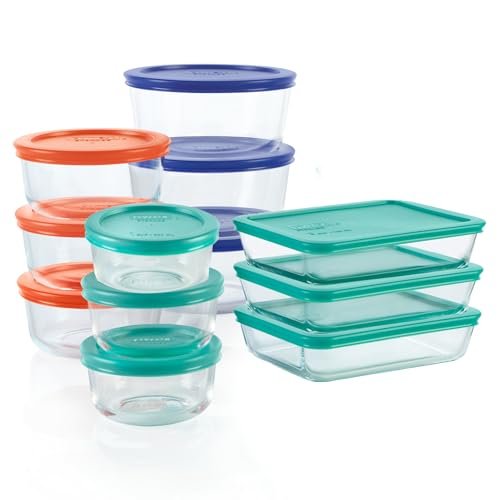
 This Pyrex 12-pack set includes 1, 2, and 3-cup containers ideal for small portions and leftovers.
Top Real-World Use Cases for Glass Storage Containers
Glass containers with lids shine across nearly every kitchen task, from daily meal prep to special occasion baking:
Weekly Meal Prep
For people who prep meals on Sundays, glass containers make portion control and organization effortless. The clear material lets you see contents at a glance, so you never have to open multiple containers to find your desired meal. The 12-pack Pyrex set is ideal for this use case, with varied 1, 2, and 3-cup sizes for different meals: 1-cup for snacks, 2-cup for sides, and 3-cup for full lunches. If you’re prepping charcuterie boards alongside your weekly meal prep, glass containers make it easy to store sliced cheeses and cured meats without cross-contamination or flavor transfer.
Leftover and Family Meal Storage
For families, larger capacity containers are ideal for storing Sunday roasts, batch-cooked soups, or school lunches. The Rubbermaid Brilliance set, with its 3.2-cup capacity and leak-proof lid, is perfect for transporting leftovers to work or school without spills. The clear glass lets you see contents without opening, so you can quickly find what you need in a crowded fridge. For more on this, see our guide on long term food storage containers with lids.
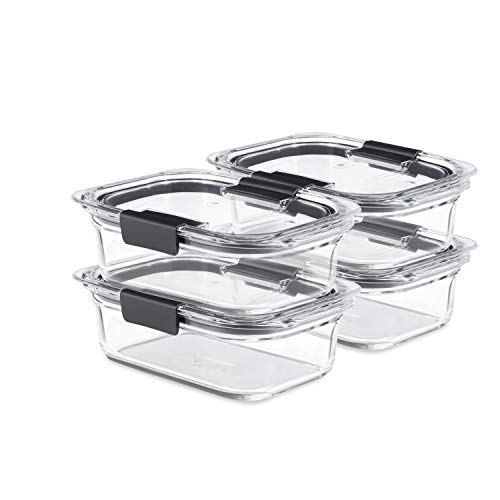 The leak-proof lid design prevents messy spills in lunch bags or car trunks, even when stored horizontally.
Pantry Staple Storage
Glass containers are ideal for storing dry goods like flour, sugar, pasta, and spices in the pantry, as they don’t absorb odors or stains from strong spices like curry powder or turmeric. Pair these containers with a streamlined pantry layout to cut down on food waste from forgotten staples. The JoyJolt borosilicate set is particularly good for pantry use, as its thermal resistance lets you transfer hot homemade sauces or jams directly into the container for storage without risk of cracking.
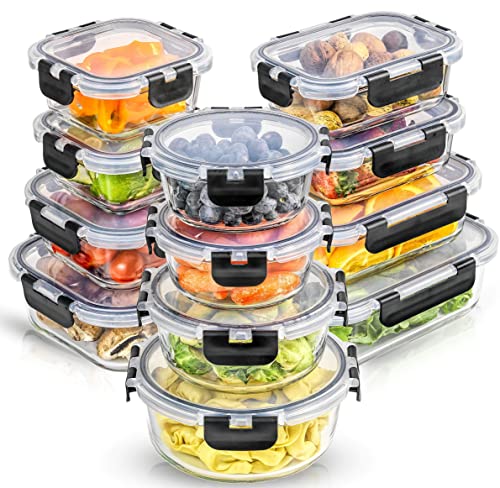 Borosilicate glass resists thermal shock, so you can safely store hot homemade jams or sauces directly after cooking.
Transporting Meals On The Go
For commuters, students, or parents packing school lunches, leak-proof glass containers are a game-changer. The HOMBERKING 10-pack set with locking lids is designed for transport: the secure seal prevents spills even when tossed in a bag, and the 36oz and 14oz sizes fit perfectly in standard lunch boxes. For households with young children, combine leak-proof glass containers with reliable childproof cabinet hardware to keep both food and little ones safe. For more on this, see our guide on glass or ceramic food storage containers.
 The secure locking lids create an airtight seal that prevents leaks even when the container is stored on its side.
Baking and Oven-to-Table Storage
Many high-quality glass containers are oven-safe, so you can bake casseroles, roasted vegetables, or individual pot pies directly in the container, then store leftovers in the same dish to reduce cleanup. The Razab 8-cup large glass containers are ideal for this use case, with a 63oz capacity that fits family-sized portions, and they're safe for oven use up to 450°F. The clear glass also looks attractive on the dinner table, so you can serve directly from the container if desired.
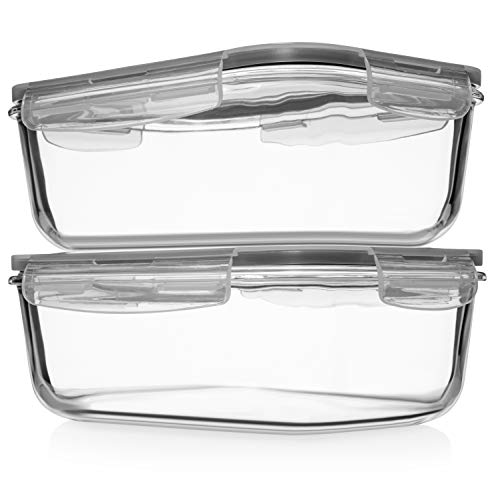 The 63oz capacity fits family-sized casseroles or roasted vegetable portions, and the container transitions seamlessly from oven to table.
How to Choose the Right Set for Your Household
Use this quick guide to match a set to your most common use cases:
| Use Case | Recommended Set Size | Key Features to Look For | Ideal User |
|---|---|---|---|
| Solo meal prep / small household | 5-8 piece, 12-32oz containers | Snap-on airtight lids, BPA-free, dishwasher safe | Single adults, college students |
| Family leftover storage / bulk meal prep | 10-12 piece, mixed sizes (2-7 cups) | Leak-proof locking lids, oven-safe, borosilicate glass | Families of 3-4, frequent home cooks |
| Pantry staple storage | 4-6 piece, 16-64oz containers | Airtight gaskets, clear glass, stackable design | Home bakers, bulk shoppers |
| On-the-go transport | 5-10 piece, 14-36oz containers | Locking lids, leak-proof, lightweight glass | Commuters, students, parents packing school lunches |
For versatile all-around use, the Vtopmart 8-pack set offers a mix of sizes and airtight lids that work for meal prep, leftovers, and transport, while the 30-piece M MCIRCO set is ideal for large households that need a wide range of sizes for every storage need. For compact snack or dressing storage, the 5-pack 22oz Vtopmart set fits easily in small fridge doors or lunch boxes.
 The mixed size set includes containers for snacks, sides, and full meals, with a sleek design that fits most refrigerator shelves.
 The compact 22oz size is perfect for storing snacks, dressings, or single-serve leftovers.
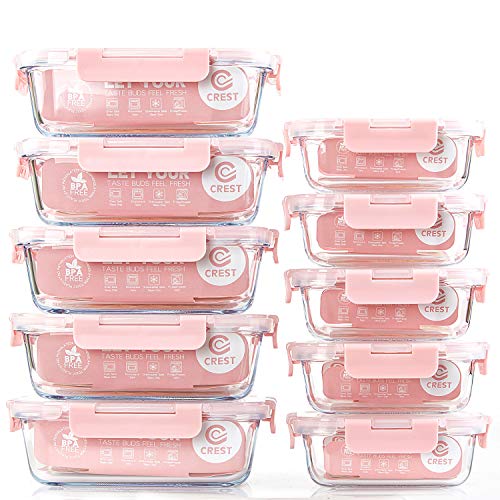 The secure locking lids make this set ideal for transporting meals without risk of spills.
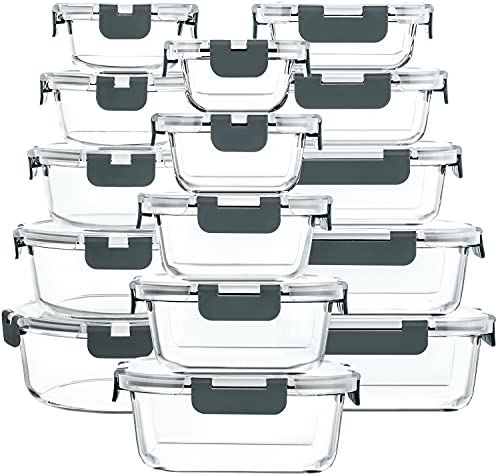 The 30-piece set includes a wide range of sizes for every storage need, from small snacks to full family meals.
 The 2, 4, and 7-cup sizes are ideal for storing batch-cooked meals and large leftovers.
Care Tips to Extend the Life of Your Glass Containers
With proper care, a high-quality glass container set will last for 10 years or more, far outlasting cheap plastic alternatives. Follow these guidelines to keep your set in top condition:
- Avoid thermal shock: Never move a glass container directly from the freezer to the oven, or from a hot oven to cold water. Let it come to room temperature first to prevent cracking, especially if using soda-lime glass.
- Lid maintenance: Hand-wash plastic lids if they are not explicitly labeled dishwasher-safe, as high heat can warp the silicone gasket and break the airtight seal over time. Avoid abrasive scrubbers that can scratch the lid surface and compromise the seal.
- Cleaning: Glass is non-porous, so it won’t hold stains or odors, but for tough baked-on food, soak the container in warm soapy water for 10 minutes before washing. Unlike plastic, you can use standard dish soap on glass without risk of chemical leaching. For tough grime, sturdy scrub brushes work well without scratching the surface.
- Storage: Stack containers with a paper towel between them to prevent scratching, and store lids separately to avoid putting pressure on the rims, which can cause cracks over time.
Frequently Asked Questions
Are glass containers with lids better for food storage than plastic?
Yes, for most use cases, glass outperforms plastic. It is non-reactive, so it won’t transfer flavors to food or leach harmful chemicals like BPA or microplastics, even when heated. It also doesn’t absorb stains or odors from strong foods like curry, tomato sauce, or berries, so it stays clear and odor-free for years. The main trade-off is weight: glass is heavier than plastic, so it may be less ideal for ultra-light backpacking or very large bulk storage.
Can all glass containers with lids be used in the microwave?
Most are microwave-safe, but you should always confirm with the manufacturer’s guidelines first. Remove the lid before microwaving, as plastic lids may melt or release steam pressure that can cause blowouts. If your lid has a vent, leave it slightly open to let steam escape. Avoid containers with metal accents or trim, as these can spark in the microwave. Most high-quality glass containers are rated for microwave-safe food storage, making them a reliable choice for reheating leftovers.
Are glass food storage containers truly leak-proof?
Many are, but not all. Look for containers with locking lids and silicone gaskets, which create an airtight seal that prevents spills even when stored horizontally. Snap-on lids may be sufficient for fridge storage, but they often leak when transported. Always check product descriptions for explicit “leak-proof” claims, and test the seal with a small amount of water before transporting a full container of food. For the most secure transport, opt for large airtight glass containers with locking lids.
Do glass containers actually keep food fresher longer?
Yes, when paired with an airtight lid. Glass is non-porous, so it doesn’t absorb moisture or odors from food, and the airtight seal prevents air and bacteria from entering the container. This is especially beneficial for storing cut fruits, leftover cooked grains, and deli meats, which can spoil quickly when exposed to air. Following FDA food storage safety guidelines ensures you avoid cross-contamination and foodborne illness when storing raw meats, cooked leftovers, or ready-to-eat foods. For fresh produce stored outside of main dish containers, pair glass storage with reusable produce savers to extend the life of fruits and vegetables even further.
Are BPA-free lids really necessary for food storage?
Yes, especially if you plan to heat food in the container. BPA (bisphenol A) is a chemical used in some plastics that has been linked to potential health risks, including hormone disruption. BPA-free lids are made from safer plastic or silicone materials that won’t leach chemicals into food, even when heated. Look for third-party certifications like FDA approval or NSF certification to verify BPA-free claims. USDA food waste reduction resources note that proper airtight storage is one of the most effective ways to cut down on household food waste from spoiled leftovers.
Final Verdict: Are Glass Containers With Lids Worth the Investment?
For most home cooks, the answer is a resounding yes. While glass containers are heavier and more fragile than plastic, their durability, food safety, and eco-friendly benefits far outweigh the trade-offs for everyday use. A mid-range set of 8-12 containers costs between $30 and $60, and will last for years with proper care, eliminating the need to replace stained, warped plastic containers every year. Whether you’re a busy professional meal prepping for the week, a parent packing school lunches, or a home cook looking to reduce food waste, glass containers with lids are a versatile, low-effort upgrade that will pay off in convenience, safety, and sustainability for years to come. Ready to upgrade your kitchen storage? Start with a small 5-piece set to test the benefits, then expand to a full set as you integrate them into your daily routine.

Hi, I’m Daniel Brooks—a food lover and kitchen gear enthusiast. I enjoy testing cookware, utensils, and gadgets to see what really works in everyday cooking. At PlugChef.com, I share honest reviews, comparisons, and simple guides to help you choose the best tools for a safer, smarter, and more enjoyable kitchen.
Related posts:
 Best Kitchen Gadgets Under $20: Affordable Tools for Every Culinary Task
 Under Cabinet Hidden Kitchen Outlets: Revolutionize Your Space-Saving Solutions
 Shelf for Under Kitchen Sink: Maximize Space with Pull-Out Organizers
 Best Beeswax Wraps for Zero Waste Kitchen: Eco-Friendly Food Storage Solution
 Best Water Filter for Pod Coffee Maker: Enhance Your Coffee Experience
 Baking Soda Kitchen Sink Cleaner: Ultimate Grease Cutter and Freshener Guide