
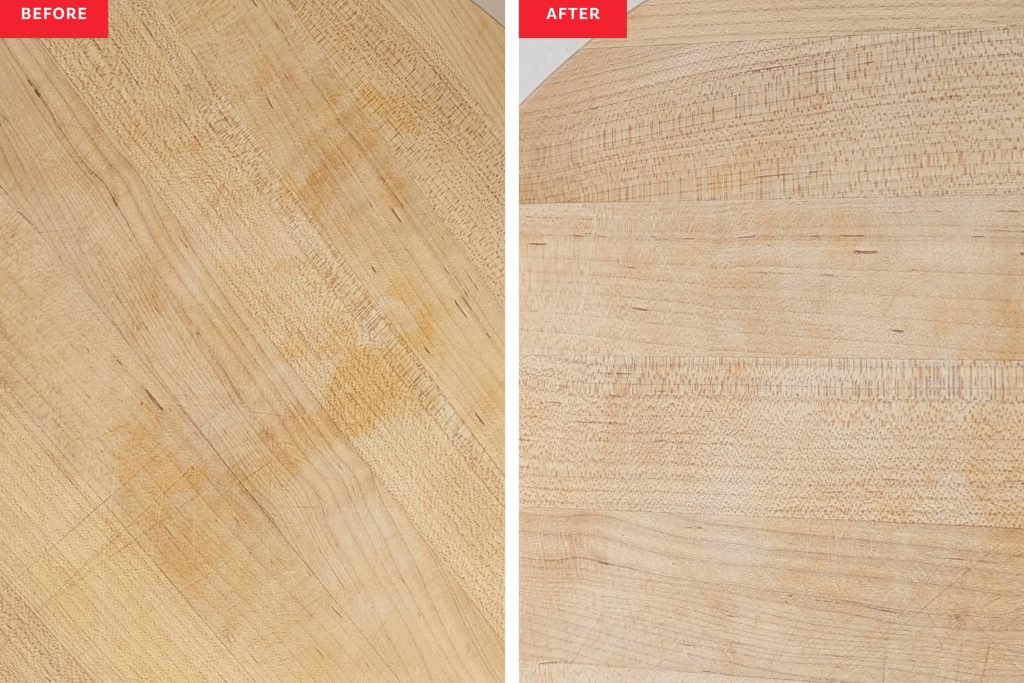
Cutting boards are the unsung workhorses of every kitchen, seeing daily use for everything from chopping vibrant beets to prepping garlic-heavy pasta sauce. Over time, even the most well-cared-for board can develop stubborn, unsightly stains that not only look unappealing but can also harbor bacteria if left untreated, especially on porous wood and bamboo surfaces. The good news? Removing most cutting board stains doesn’t require harsh chemicals or expensive products — with the right technique for your board’s material, you can restore its look and keep it safe for food prep in minutes.
Why Cutting Boards Develop Stains (and When They’re a Food Safety Risk
Stains form when pigmented compounds from foods like beets, turmeric, tomato sauce, berry juice, coffee, and soy sauce penetrate the surface of your cutting board. Heat and prolonged contact speed up this process, so leaving a bowl of tomato sauce on a board for 30 minutes will set a stain far faster than wiping it up immediately. While most stains are purely cosmetic, deep-set discoloration on porous boards can trap bacteria even after cleaning, posing a minor food safety risk if the board is used for ready-to-eat foods.
Material Matters: How Board Type Impacts Stain Severity
Not all cutting boards stain the same way, and your removal method will depend entirely on what your board is made of:
- Hardwood (maple, walnut, etc.): Porous, open-grain wood absorbs pigments deep into its fibers, making stains harder to lift but also easier to prevent with regular sealing.
- Bamboo: Denser than most hardwoods, bamboo is less prone to deep absorption, but unsealed boards can still stain from acidic or pigmented foods. It’s also more prone to scratching than soft hardwoods.
- Plastic/composite: Non-porous, so stains stay on the surface rather than sinking in. However, deep knife scratches create hidden crevices where bacteria and pigments can hide, making these boards impossible to fully clean once damaged.
The USDA recommends replacing plastic boards once they develop deep, unscrubbable scratches, as these can harbor harmful bacteria like E. coli and Salmonella even after thorough cleaning USDA cutting board safety guidelines.
Step-by-Step Stain Removal for Every Cutting Board Type
The right cleaning method depends on your board’s material, but all processes start with a quick pre-clean to remove loose food debris.
Hardwood & Bamboo Cutting Boards
Porous wood and bamboo require gentle, non-abrasive cleaning to avoid damaging the surface or stripping its natural protective oils.
- Pre-clean: Scrape off all food bits with a plastic scraper or the edge of a dull knife (avoid metal tools that can gouge the wood). Wipe the board with a damp cloth to remove loose particles.
- Mild stain treatment: For fresh, light stains, sprinkle coarse kosher salt over the damp board, rub with a cut lemon half, and let sit 5-10 minutes. The salt’s grit lifts surface pigments while the lemon’s acidity breaks down organic stains and deodorizes. Scrub with a stiff-handled cleaning brush and rinse with warm water.
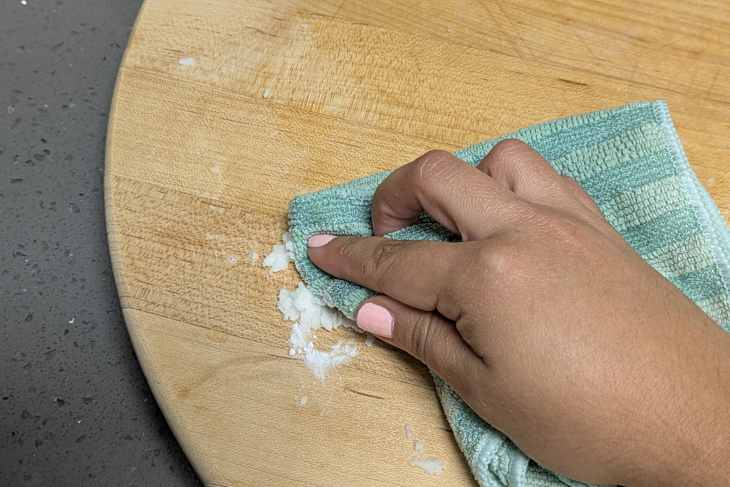
- Moderate to tough stains: Mix 3 parts baking soda with 1 part warm water to form a paste, apply to stained areas, and let sit 15 minutes to break down deep pigments. Scrub gently, then rinse. For organic stains like beets or turmeric, follow up with a spray of 3% hydrogen peroxide, let sit 10 minutes, then rinse thoroughly.
- Post-cleaning care: Pat the board dry with a clean towel, stand it upright to air dry completely, then apply a thin layer of food-grade mineral oil to seal the wood and prevent future staining. University of Minnesota Extension experts recommend this monthly routine to maintain board integrity and resist staining University of Minnesota Extension’s wood board care guide. If you have custom board etchings, avoid harsh abrasives that can wear down the carved details over time.
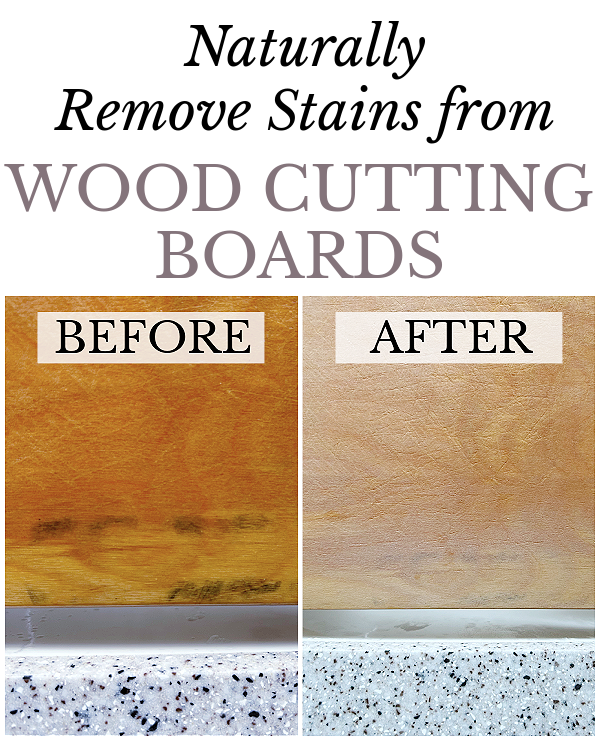 Fresh lemon juice paired with coarse salt is a non-toxic, low-cost solution for mild wood board stains and odors.
Credit: www.lemonslavenderandlaundry.com
Fresh lemon juice paired with coarse salt is a non-toxic, low-cost solution for mild wood board stains and odors.
Credit: www.lemonslavenderandlaundry.com
Plastic & Composite Cutting Boards
Non-porous plastic boards are easier to clean than wood, but their smooth surface can still hold stubborn discoloration from acidic foods.
- Pre-clean: Wash the board with hot, soapy water and a scrub brush to remove all food residue, especially from raw meat, to prevent bacteria growth.
- Surface stain removal: For discoloration from tomatoes, coffee, or wine, make a baking soda paste, apply to stains, let sit 10 minutes, then scrub with a top-rated kitchen brush and rinse.
- Deep-set pigment removal: Spray undiluted white vinegar over the entire board, let sit 5 minutes, then scrub and rinse with hot water. For extreme discoloration, leave the board in direct sunlight for 2-3 hours (flip halfway) — UV rays break down pigmented compounds on plastic. Note: avoid this method for colored plastic boards, as prolonged sun exposure can fade the board’s dye.
- When to replace: If your board has deep, unscrubbable knife scratches, it’s time to discard it. The USDA notes that these crevices can harbor bacteria even after rigorous cleaning.
Pro Tips to Prevent Cutting Board Stains Long-Term
Preventing stains is far easier than removing them, and these small habits will keep your boards looking new for years:
- Clean immediately after use: Wipe up spills and wash the board with hot, soapy water as soon as you’re done prepping food. Letting pigmented juices sit on the surface is the fastest way to set permanent stains.
- Use separate boards for different food groups: Designate one board for raw meat, one for produce, and one for ready-to-eat foods like bread or charcuterie. This not only prevents cross-contamination but also stops strong pigments (like beet juice) from transferring to other foods and setting into the board surface. A multi-piece cleaning brush set lets you assign separate brushes for each board to avoid cross-contamination while tackling stains.
- Seal porous boards regularly: Apply a thin layer of food-grade mineral oil or board cream to wood and bamboo boards every 3-4 weeks to fill pores and create a protective barrier against stains and moisture. For a full schedule of kitchen tool maintenance, including board care, browse our complete kitchen care library.
- Store boards properly: Stand wooden and bamboo boards upright in a well-ventilated area, not stacked flat where moisture can get trapped. For plastic boards, avoid storing them in hot cabinets near the stove, as heat can make stains set faster.
- Keep cleaning supplies out of reach of kids: If you use hydrogen peroxide or other stain-lifting solutions, store them in a locked cabinet fitted with secure cabinet latches to prevent accidental access by children or pets. For homes without drill access, no-drill child locks are a simple, renter-friendly option to secure lower cabinets.
When to Repair or Replace Your Cutting Board
Even with perfect care, cutting boards have a limited lifespan. Wood and bamboo boards can last for decades with regular oiling and gentle cleaning, but it’s time to replace them if they develop deep cracks, large splinters, or stains that won’t budge even after light sanding and re-oiling. Plastic boards should be discarded as soon as they develop deep, unscrubbable knife scratches, as these hidden crevices can never be fully sanitized. If you’re looking to upgrade to a custom board instead of replacing a damaged one, check out our guide to creating personalized cutting board designs at home.
Frequently Asked Questions
How do I remove tough, set-in stains from a wooden cutting board?
For deep, set-in stains, start with a paste of 3 parts baking soda to 1 part warm water, apply to the stain, let sit 15 minutes, then scrub with a non-abrasive brush. For organic stains like beet or turmeric, follow up with a 3% hydrogen peroxide spray, let sit 10 minutes, then rinse thoroughly and dry. For extremely stubborn discoloration that doesn’t respond to cleaning, a very light sanding with 220-grit sandpaper followed by re-oiling can restore the surface — skip this step if your board has engraved details.
Can baking soda clean cutting board stains effectively?
Yes, baking soda is a mild abrasive and natural deodorizer that works on both porous wood and non-porous plastic boards. For mild stains, sprinkle a thick layer of baking soda directly on the damp stained area, scrub with a damp sponge or soft brush, then rinse. For tougher stains, mix it with a small amount of warm water to form a paste, let it sit 10-15 minutes to break down pigments, then scrub and rinse. Avoid using baking soda on engraved or painted board designs, as it can scratch the finish.
Is white vinegar safe for cleaning plastic cutting boards?
Yes, undiluted white vinegar is safe for plastic and composite cutting boards, and it effectively breaks down acidic food stains like tomato sauce, coffee, and wine. Spray the entire board surface with vinegar, let sit 5 minutes, then scrub and rinse with hot water. Note that vinegar will not remove deep-set pigmented stains on its own, so pair it with baking soda for heavily discolored plastic boards. Avoid using vinegar on wooden or bamboo boards, as its acidity can break down natural wood fibers over time.
How often should I clean my cutting board to avoid stains?
Wipe down your cutting board with hot, soapy water after every single use, even if it looks clean, to prevent food pigments from setting and bacteria from multiplying. For porous wood and bamboo boards, apply a thin coat of food-grade mineral oil every 3-4 weeks to maintain the seal and prevent future staining. Replace plastic boards once they develop deep, unscrubbable knife scratches, as these hidden crevices will hold stains and bacteria no matter how thoroughly you clean.
Conclusion
Removing cutting board stains doesn’t require harsh chemicals or expensive specialty products — most of the solutions you need are already in your kitchen pantry. The right method depends entirely on your board’s material: mild abrasives like salt and lemon work wonders for fresh wood stains, while baking soda and sunlight tackle tough plastic discoloration. Consistent cleaning after every use and regular sealing for porous boards will prevent most stains from forming in the first place, keeping your board looking great and safe for food prep for years to come.
Ready to build a full routine of safe, effective kitchen cleaning? Browse our complete kitchen care library for expert guides on maintaining every surface in your home.

I’m Abby Lu, a passionate home cook who loves simplifying everyday meals. At PlugChef.com, I share product reviews and cooking guides to help you find the best tools for your kitchen.
Related posts:
 How is a Cutting Board Stabilized: Expert Tips for Ultimate Safety
 How Do You Treat a Bamboo Cutting Board: Expert Care Tips Revealed
 How to Clean Teak Cutting Board: Easy Steps for Lasting Shine
 How to Seal a Wooden Cutting Board: Easy Steps for Lasting Protection
 How Many Coats of Mineral Oil on Cutting Board: Expert Guide
 What are Mini Cucumbers Called: Discover Their Surprising Names!

