
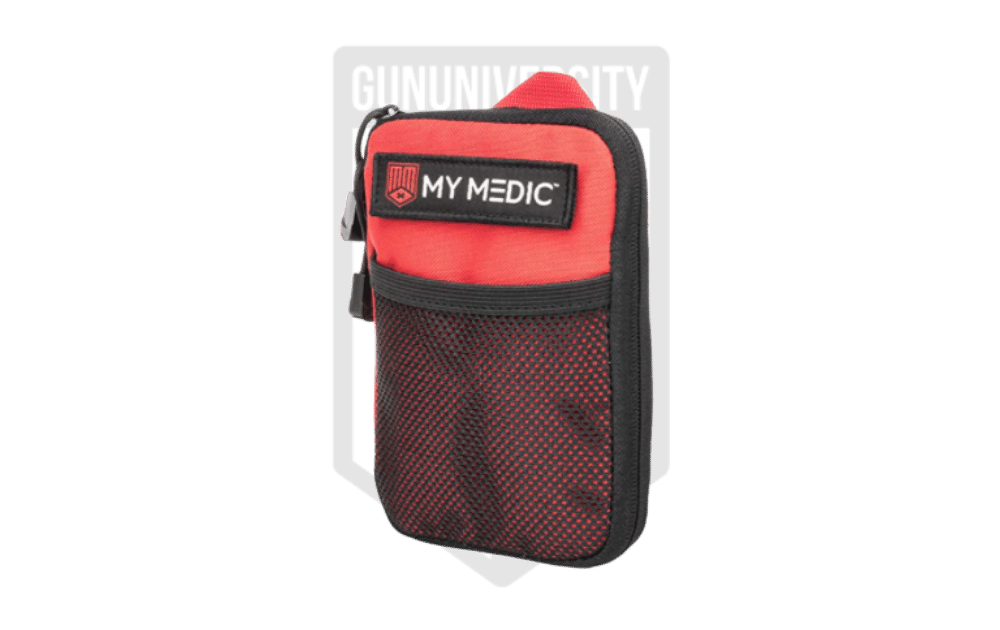
When you step onto a shooting range in 2026, safety is your top priority – but even the most experienced shooters can face unexpected incidents. Hot brass burns, lacerations from accidental firearm contact, overpressure ear injuries, and slip-and-fall trauma from uneven gravel or spent casing piles are common minor hazards, while severe but rare accidental discharge wounds require immediate, targeted care to improve survival odds. A generic home first aid kit falls short for these range-specific scenarios, as it lacks critical supplies like tourniquets, burn gel, and hemostatic gauze designed to stop life-threatening bleeding fast. This guide breaks down exactly what to pack in your shooting range first aid kit, how to use its supplies correctly, and how to stay compliant with legal and safety standards to protect yourself and everyone at the range.
Why a Range-Specific First Aid Kit Is Non-Negotiable
Generic first aid kits are designed for household cuts, scrapes, and mild allergic reactions, not the unique hazards of a shooting range. They rarely include bleeding control tools, burn care supplies, or overpressure injury treatments, leaving you unprepared for the most common and dangerous range incidents. A purpose-built kit not only reduces the risk of infection and permanent injury from minor wounds, but can also stabilize a victim of a severe accident until emergency medical services arrive, cutting response time and improving survival odds for life-threatening bleeding.
Core Kit Components: What You Actually Need (And What to Skip
The right supplies make the difference between a minor incident and a life-threatening emergency. Prioritize lightweight, durable, range-specific items that are easy to access and use under stress, and skip bulky, unnecessary supplies that slow you down.
Bleeding Control Supplies (Highest Priority)
Uncontrolled bleeding is the leading cause of preventable death in range incidents, so these items belong in an external, easy-to-reach pocket of your kit:
- A windlass-style tourniquet (CAT or SOF-T model, not a makeshift belt) for severe limb bleeding, applied 2–3 inches above the wound and tightened until bleeding stops. Note the time of application for EMS.
- An Israeli pressure dressing, which combines sterile gauze and a pressure bandage in one for fast, effective wound packing.
- Hemostatic gauze (e.g., QuikClot) for junctional wounds (groin, shoulder, neck) where a tourniquet cannot be applied, to speed up clotting.
- Nitrile non-latex gloves (2+ pairs) to protect yourself and the injured person from bloodborne pathogens.
A common mistake is storing tourniquets deep inside the kit; keep them in an external mesh pocket for 10-second access during an emergency. Following CDC emergency bleeding control best practices ensures correct application to avoid nerve or tissue damage.
Wound Care and Infection Prevention
Most range injuries are minor cuts, scrapes, or brass burns that require basic wound care to prevent infection:
- Sterile non-adherent gauze pads in 4×4 and 5×9 sizes for varying wound sizes, plus adhesive bandages in knuckle, fingertip, and standard sizes for small injuries.
- Alcohol-free antiseptic wipes (iodine or benzalkonium chloride) to clean wounds without stinging or damaging healthy tissue. Note: Hydrogen peroxide is no longer recommended for wound cleaning by modern first aid guidelines, as it destroys healthy cells and delays healing.
- Single-use antibiotic ointment packets to reduce infection risk, plus elastic bandages for sprains from slips on range floors.
Burn Care for Hot Brass and Muzzle Blast
Hot brass and muzzle blast are the cause of 60% of minor range injuries, so burn supplies are a non-negotiable addition to a standard kit:
- Water-based burn gel packets (avoid oil-based products, which trap heat) for 1st and 2nd degree brass burns.
- Sterile non-stick burn dressings for larger burns from hot gun parts or muzzle blast.
- Aloe vera gel for soothing minor skin irritation from repeated brass exposure.
For severe burns, do not apply ice or butter; cool (not cold) running water for 10–20 minutes, then cover with a sterile dressing and seek professional care.
Overpressure and Ear Injury Supplies
Indoor ranges and large-caliber firearm use can cause overpressure injuries, leading to eardrum rupture, tinnitus, or ear pain:
- A sterile saline bulb syringe for ear irrigation to flush out debris after an overpressure event.
- Pain relief gel for ear discomfort, plus earplugs for follow-up care if the injured person develops hyperacusis (sound sensitivity).
- Note: If you suspect an eardrum rupture, do not insert anything into the ear canal; cover the ear with a sterile gauze pad and refer the injured person to a doctor immediately.
Shock and Stabilization Gear
Blood loss, pain, and overpressure can cause shock to set in quickly, even for seemingly minor injuries:
- A mylar emergency blanket, which reflects 90% of body heat and takes up less space than a wool blanket, to keep injured shooters warm.
- Instant cold packs for sprains, bruises, and burn pain.
- A pocket CPR mask with a one-way valve, sized for both adult and pediatric use, to enable safe rescue breaths without risk of disease transmission.
 A fully stocked range first aid kit organized by injury type for fast access during emergencies
Customize Your Kit for Your Range Type
One-size-fits-all kits rarely meet the needs of every shooting scenario. Tailor your supplies to your regular range environment and use case for maximum preparedness:
Public vs. Private Range Kits
Public ranges almost always have on-site EMTs or range safety officers with advanced medical training, so your personal kit can focus on bridging care for minor injuries until help arrives. Private or remote ranges often have delayed EMS response, so prioritize heavy bleeding control supplies, a satellite messenger (if no cell service exists), and extra water and blankets for extended wait times.
Indoor vs. Outdoor Range Additions
Indoor range kits should include extra ear irrigation supplies, slip-resistant grip gloves for wet floors, and anti-fog safety glasses for better visibility. Outdoor range kits need extra supplies for environmental hazards: snakebite kits, insect sting relief, sunscreen, and extra water for dehydration. If you shoot in cold climates, add hand warmers to your kit to treat hypothermia risk from injured shooters.
Competitive vs. Recreational Use
Competitive shooters often carry smaller, lighter kits that fit in their range bag, focusing on fast access to tourniquets and burn gel for fast-paced event injuries. Recreational shooters with families may want to add pediatric-sized bandages, age-appropriate pain relievers, and extra epinephrine auto-injectors if anyone in the group has allergies to gunpowder, cleaning solvents, or insect stings.
For larger group outings, keep a secondary kit in a durable bulk storage at your home range or vehicle to carry extra supplies for multiple users.
Essential First Aid Tools for Range Emergencies
Tools are only useful if you know how to use them correctly, and range-specific tools are designed to work quickly even when you are wearing gloves or working under stress.
Cutting and Debris Removal Tools
Blunt-tip stainless steel scissors are mandatory for cutting clothing, bandages, and tape without causing additional injury to the patient. Fine-tip tweezers are ideal for removing hot brass shrapnel, splinters, or debris from wounds, and should be sterilized with alcohol wipes before each use. Keep your cutting tools sharp and sterile by following maintaining sharp edges best practices for stainless steel tools to avoid tearing gauze or causing additional injury during use.
Airway and Breathing Tools
A pocket CPR mask with a one-way valve eliminates risk of disease transmission during rescue breaths, and is required for all range first aid kits. For remote range trips, a portable suction device can help clear blood or vomit from an injured person's airway. Certifications aligned with OSHA first aid standards ensure you are trained to use these tools correctly for range-specific scenarios like overpressure-related breathing distress.
Stabilization and Signaling Tools
A triangle bandage can be used to immobilize sprained limbs or make a sling for arm injuries from heavy firearm recoil. A small, loud whistle can signal for help if cell service is unavailable at a remote range, and the reflective surface of your mylar blanket can be used to signal rescuers from a distance.
Range Safety Gear: Pair With Your First Aid Kit for Proactive Prevention
First aid kits treat injuries after they happen, but the right safety gear prevents many incidents entirely. Pair your kit with these certified safety essentials for every range trip:
Eye and Face Protection
ANSI Z87.1 rated safety glasses or goggles are mandatory for all shooters, as they block hot brass, debris, and muzzle blast particles that can cause permanent eye damage. For indoor ranges, anti-fog coated lenses improve visibility, while outdoor shooters may want tinted lenses to reduce sun glare. Shooters using high-recoil firearms or shooting at steel targets should wear a full face shield to protect against flying fragments. A common mistake is using regular sunglasses, which shatter on impact and do not meet impact safety standards.
Hearing Protection
Look for hearing protection with a Noise Reduction Rating (NRR) of 22 or higher for most firearms, with higher ratings required for indoor ranges or large-caliber rifles. Electronic hearing protection is ideal, as it amplifies soft sounds like range commands while blocking dangerous noise levels. For indoor ranges, dual protection (earplugs + earmuffs) is recommended to prevent permanent hearing damage from overpressure.
Hand and Body Protection
Cut-resistant, heat-resistant gloves made from leather or Kevlar blend protect against hot gun parts, sharp firearm edges, and hot brass burns. Long-sleeve, flame-resistant clothing reduces the risk of burns from muzzle blast or hot brass, and avoids loose fabric that can catch on firearm moving parts and cause accidental discharge or lacerations.
Emergency Response Steps: How to Use Your Kit Effectively
Having a kit is only half the battle – knowing how to use it correctly under stress is what saves lives. Follow these steps to respond effectively to a range emergency:
Initial Scene Assessment
Never approach an injured person until the scene is safe: confirm all firearms are unloaded and pointed in a safe direction, there is no ongoing fire (for outdoor ranges), and no unstable backstops (for indoor ranges). Do not touch a live firearm, even if someone is injured nearby. Once the scene is safe, check the injured person's responsiveness by tapping their shoulder and shouting "Are you okay?" If they do not respond, call 911 immediately and begin CPR if they are not breathing.
Prioritize Life-Threatening Injuries
Use the MARCH algorithm (taught in tactical first aid courses and aligned with Combat Casualty Care guidelines) to prioritize care in order of urgency:
- Massive bleeding: Apply a tourniquet 2–3 inches above the wound, tighten until bleeding stops, and note the time of application.
- Airway: Clear any obstructions (spent casings, debris) from the mouth, and use your CPR mask if rescue breaths are needed.
- Respiration: Check for chest wounds, and seal any open chest wounds with a vented chest seal (an advanced supply to add to your kit) to prevent lung collapse.
- Circulation: Check for a pulse, control any additional bleeding, and keep the person warm with a mylar blanket to prevent shock.
- Hypothermia: Even in warm weather, injured shooters can lose body heat rapidly from shock, so cover them with a blanket as soon as possible.
Call for Professional Help
Provide 911 dispatchers with exact location details: range name, bay number, nearest cross street, and the nature of the injury (e.g., "gunshot wound to the left thigh, tourniquet applied at 2:15 PM"). Do not hang up until the dispatcher says it is okay, as they may provide additional guidance while EMS is en route. If you are at a remote range with no cell service, send a companion to get help while you stay with the injured person.
Training and Kit Maintenance: Keep Your Gear Ready for Action
A well-stocked kit is useless if you don't know how to use it, or if your supplies are expired or damaged when you need them most.
Get Range-Specific First Aid Training
A standard home first aid course does not cover range-specific injuries like gunshot wounds, overpressure trauma, or hot brass burns. Look for courses certified by the American Red Cross, NRA, or tactical first aid organizations that include hands-on practice with tourniquets, hemostatic gauze, and CPR. Practice applying tourniquets and pressure dressings on a training mannequin at least twice a year to build muscle memory. A common mistake is assuming general first aid training is enough; range-specific training teaches you to prioritize massive bleeding over minor cuts, which can save lives.
Regular Kit Maintenance Schedule
Inspect your kit monthly, and immediately after every range trip to restock used supplies. Replace expired medications, ointments, and sterile dressings every 6–12 months, per manufacturer guidelines. Store your kit in a rugged weatherproof storage to protect against moisture, extreme heat, and cold, which can degrade medications and bandages. Use compartmentalized storage inside the kit to separate supplies by type (bleeding control, wound care, burn care) so you can find items in seconds during an emergency.
Practice Drills with Your Shooting Group
Run quarterly drills with your regular shooting partners to simulate common range emergencies: accidental discharge, severe bleeding, burn injury, and overpressure trauma. Assign roles (who calls 911, who applies first aid, who retrieves the kit) to avoid confusion during a real incident. Practice accessing your kit from your range bag or vehicle in under 10 seconds to ensure it is always within reach. Keep small, high-priority supplies like tourniquets and epinephrine in compact portable containers attached to the outside of your kit for instant access.
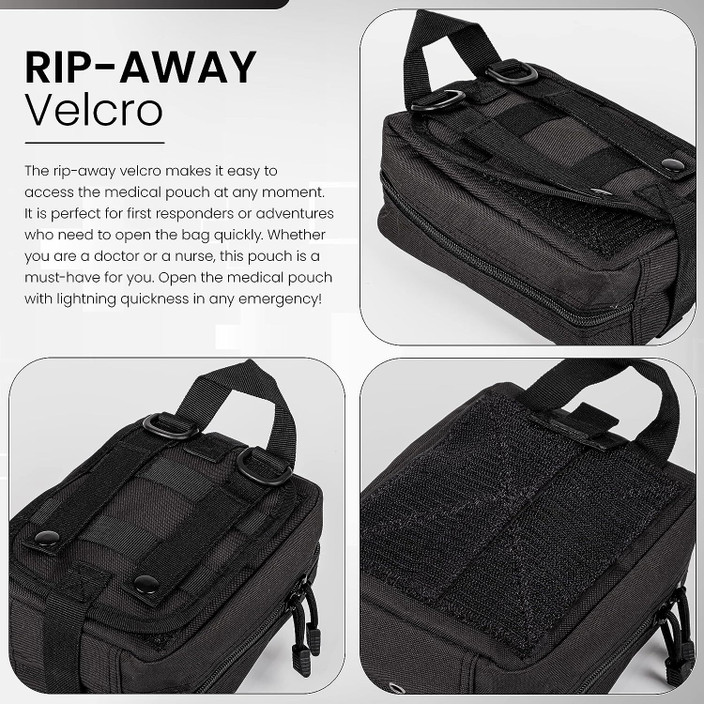 A portable first aid bag with external pockets to store tourniquets and CPR masks for 10-second access
Legal and Ethical Guidelines for Range First Aid
Providing first aid carries legal and ethical responsibilities that protect both you and the injured person. Familiarize yourself with these current 2026 guidelines to avoid liability and ensure you act appropriately during emergencies.
Good Samaritan Protections
All 50 U.S. states have Good Samaritan laws that protect bystanders who provide emergency first aid in good faith, as long as they do not act with gross negligence or willful misconduct. This means you will not be held liable for unintended outcomes if you provide reasonable care within your training level. These protections do not apply if you exceed your training (e.g., attempting a surgical procedure you are not trained for). To stay protected, always act within the scope of your first aid certification, and call 911 as soon as possible.
Consent and Privacy
If the injured person is conscious and alert, ask for explicit consent before providing care. If they are unconscious or unable to respond, implied consent applies, as any reasonable person would want life-saving care in that situation. Do not share details of the injury or the person's medical history with other range goers, as this violates HIPAA (if you are a healthcare provider) or basic privacy norms for bystanders. Only share information with EMS or range management as needed for care and incident reporting.
Incident Reporting Requirements
Most public and private ranges require incident reports for any injury that requires first aid, regardless of severity. Document the date, time, location, nature of the injury, care provided, and the injured person's contact information (if they consent to share it). Submit the report to range management within 24 hours, and notify local authorities if the injury was caused by a firearm discharge, as required by state law. Keep a copy of the report for your records in case of follow-up questions.
Top Mistakes to Avoid When Building Your Range First Aid Kit
Even experienced shooters make critical errors when building their first aid kits. Avoid these common pitfalls to ensure your kit is ready when you need it:
- Don't rely on a generic home first aid kit: it lacks range-specific supplies like tourniquets, burn gel, and hemostatic gauze.
- Don't store your kit in extreme temperatures: leaving it in a hot vehicle trunk or frozen garage in winter will degrade medications, ointments, and sterile dressings.
- Don't forget to restock after use: a kit with used gauze or expired supplies is useless during an emergency.
- Don't overcomplicate your kit: avoid bulky, unnecessary items that slow you down from accessing critical supplies in a crisis.
- Don't assume the range has a working first aid kit on site: many public ranges have outdated or inaccessible supplies, so always bring your own.
 A compact micro trauma kit designed for fast access to bleeding control supplies during range emergencies
Frequently Asked Questions
What essential items belong in a shooting range first aid kit?
A range-specific kit should include: a windlass tourniquet, Israeli pressure dressing, hemostatic gauze, sterile non-adherent gauze pads in multiple sizes, alcohol-free antiseptic wipes, burn gel packets, nitrile gloves (2+ pairs), blunt-tip scissors, fine-tip tweezers, a CPR mask with one-way valve, mylar emergency blanket, instant cold packs, ear irrigation saline, and over-the-counter pain relievers (acetaminophen and ibuprofen, single-use packets). Add pediatric supplies and epinephrine auto-injectors if you shoot with children or people with allergies. For remote range trips, add a satellite messenger and extra water.
How do I maintain my shooting range first aid kit?
Inspect your kit monthly, and immediately after any use to restock used supplies. Replace expired medications, ointments, and sterile dressings every 6–12 months, per manufacturer guidelines. Store your kit in a rugged weatherproof storage to protect against moisture and extreme temperatures that degrade supplies. Keep high-priority items like the tourniquet and CPR mask in external pockets for 10-second access during emergencies.
Why is a tourniquet important for shooting range first aid?
Tourniquets are the most effective tool for stopping severe bleeding from gunshot wounds or deep lacerations, the leading cause of preventable death in range incidents. When applied correctly 2–3 inches above the wound, a modern windlass tourniquet can stop blood loss in seconds, buying time for EMS to arrive. Per CDC emergency bleeding control guidelines, these tourniquets are safe for use for up to 2 hours without causing permanent tissue damage when applied correctly.
Can a shooting range first aid kit treat gunshot wounds?
A range first aid kit can provide critical pre-hospital care for gunshot wounds, including stopping massive bleeding with a tourniquet or hemostatic gauze, sealing open chest wounds, preventing infection with sterile dressings, and treating shock with a thermal blanket. However, all gunshot wounds require immediate professional medical care; first aid only stabilizes the victim until EMS arrives. Never attempt to remove embedded objects from a gunshot wound, as this can cause additional bleeding and tissue damage.
Do I need special training to use a shooting range first aid kit?
Yes, range-specific first aid training is highly recommended, as generic first aid courses do not cover firearm injuries, overpressure trauma, or bleeding control for severe wounds. Look for courses certified by the American Red Cross, NRA, or tactical first aid organizations that include hands-on practice with tourniquets, hemostatic gauze, and CPR. Even basic training improves response time and reduces panic during emergencies.
How often should I practice using my first aid kit?
Practice accessing and using your kit's critical supplies (tourniquet, pressure dressing, CPR mask) at least twice a year, and run full emergency drills with your shooting group quarterly. This builds muscle memory so you can act quickly under stress, without fumbling for supplies or second-guessing your steps.
Conclusion
A well-stocked, range-specific shooting range first aid kit is one of the most impactful investments you can make in range safety, for yourself and your fellow shooters. It bridges the critical gap between injury and professional medical care, reducing the risk of infection, permanent injury, and even death from preventable complications like uncontrolled bleeding or shock. Pairing your kit with regular first aid training, consistent maintenance, and group drills ensures you are ready to act calmly and effectively when seconds count. Don't wait for an emergency to realize your supplies are incomplete: build or upgrade your kit this week, sign up for a certified range first aid course, and share this guide with your shooting group to build a culture of shared safety on the range. Stay prepared, stay safe, and make every range trip a secure one.

I’m Abby Lu, a passionate home cook who loves simplifying everyday meals. At PlugChef.com, I share product reviews and cooking guides to help you find the best tools for your kitchen.
Related posts:
 Apple And Cream Cheese Recipes: Deliciously Easy Treats to Try
 What Time is the Brunch: Ultimate Guide to Perfect Timing
 Reheating Whole Brisket in Oven: Perfectly Juicy Every Time
 What Goes With Smoked Ham: Perfect Sides and Flavor Combos
 Diy Fruit Fly Drain Killer: Easy, Effective, and Natural Solutions
 How to Cook Chayote Vegetable: Easy & Delicious Recipes Revealed

