
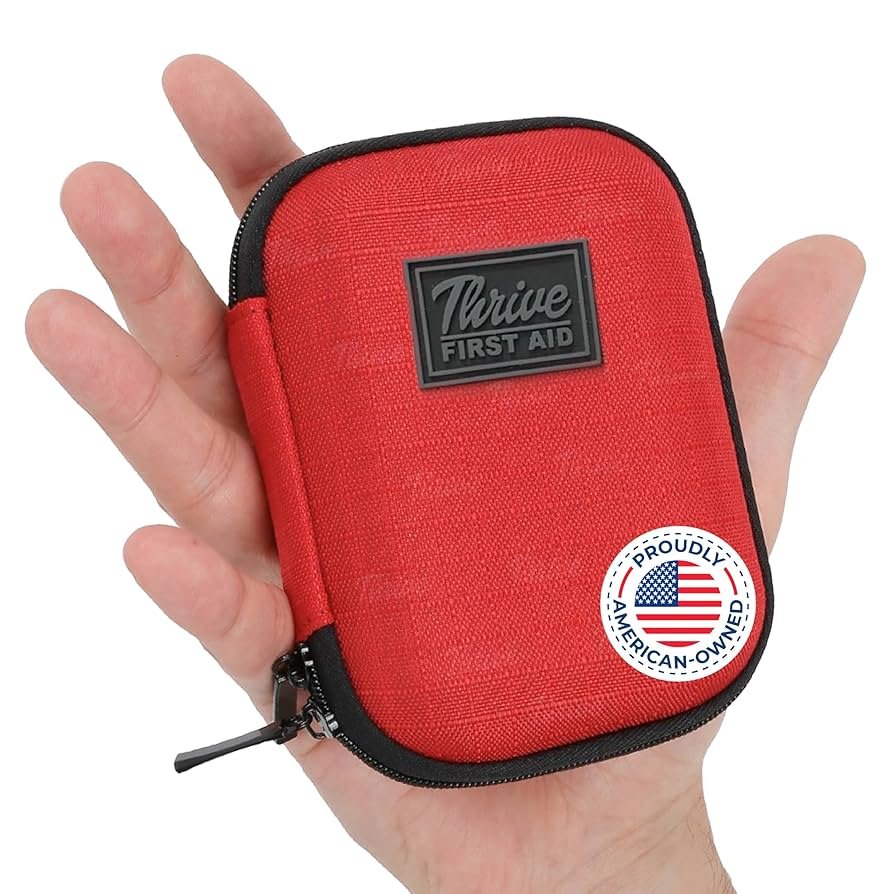
A Flexible Spending Account (FSA) first aid kit is one of the smartest, highest-impact ways to use your pre-tax healthcare dollars in 2026. With the 2026 individual FSA contribution limit set at $3,300 by the IRS, millions of employees forfeit hundreds of dollars in unspent funds each year when they don’t use their benefits before the plan deadline. A well-stocked, FSA-eligible first aid kit lets you prepare for minor household injuries—cuts, burns, sprains, and allergic reactions—while getting an effective 20-30% discount on all supplies, since you’re using untaxed income. This guide covers 2026 eligibility rules, step-by-step kit building, common pitfalls to avoid, and strategies to maximize your savings without wasting a cent of your FSA funds.
What Is an FSA-Funded First Aid Kit?
An FSA-funded first aid kit is a collection of IRS-qualified medical supplies purchased entirely with pre-tax FSA dollars, either via a linked FSA debit card or post-purchase reimbursement. Unlike a generic first aid kit, every item in an FSA-approved kit meets strict eligibility guidelines, so you can rest assured your purchase will be covered by your plan. For most people, this cuts the effective cost of a fully stocked kit by nearly a third, turning a routine household purchase into a straightforward way to reduce your overall healthcare costs.
FSAs are employer-sponsored accounts that let you set aside a portion of your paycheck before taxes are deducted, so the money you contribute is not subject to federal income tax, Social Security tax, or most state taxes. Funds are available in full at the start of the plan year, so you can purchase a full first aid kit immediately rather than saving up over time. For 2026, the IRS’s permanent CARES Act provision means over-the-counter (OTC) first aid supplies and medications no longer require a prescription to qualify for FSA reimbursement, making it easier than ever to stock your kit.
2026 FSA First Aid Kit Eligibility Rules
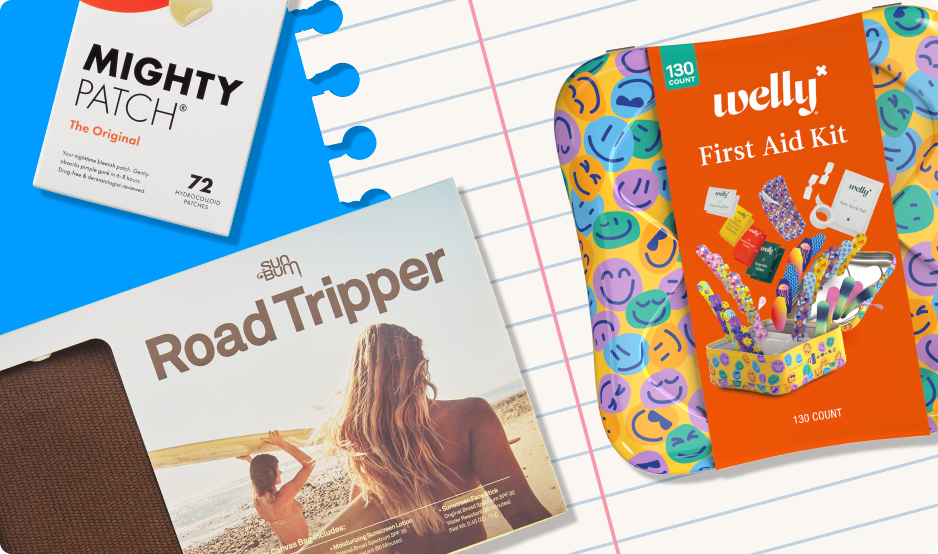
Eligibility for FSA reimbursement is governed by IRS guidelines, with minor variations allowed by individual employer plans. The table below breaks down common first aid items by their 2026 eligibility status to avoid checkout surprises:
| Category | Examples | 2026 Eligibility Status |
|---|---|---|
| Eligible First Aid Supplies | Adhesive bandages, sterile 4×4 gauze pads, antiseptic wipes, antibiotic ointment, OTC pain relievers (ibuprofen, acetaminophen), digital thermometers, instant cold packs, burn treatment gel, elastic bandages, medical tape, disposable nitrile gloves, sterile eye wash solution | Fully FSA-eligible per official IRS FSA eligibility guidelines |
| Conditionally Eligible Items | Prescribed epinephrine auto-injectors (EpiPens), compression sleeves for injury recovery, prescription-grade wound dressings | Eligible only with a valid prescription or letter of medical necessity from a licensed provider |
| Ineligible Items | Decorative non-medical bandages, general wellness supplements (e.g., elderberry gummies), cosmetic skin treatments, regular heating pads for non-medical soreness, first aid kits with non-eligible accessories (e.g., sunscreen, general hand lotion) | Not reimbursable under standard FSA plans |
Always check your employer’s specific FSA plan document for unique restrictions, and look for the FSA-eligible logo on product packaging to confirm an item qualifies before purchasing. In practice, most FSA administrators deny claims for decorative bandages and general wellness items, even if they are sold in the first aid aisle, so verifying eligibility upfront saves time and frustration.
How to Build a Custom FSA-Funded First Aid Kit
Pre-assembled first aid kits are convenient, but they often include items you don’t need and miss supplies tailored to your household’s specific risks. Building a custom kit with FSA funds lets you prioritize high-impact items while cutting costs. Follow these three steps to create a kit that fits your needs and maximizes your savings:
Step 1: Assess Your Household’s Unique Needs
Start by listing the most common injuries or health issues your family faces. For households with young children, add age-appropriate OTC pain relievers, extra small bandages, and a printed copy of poison control contact information. If you or a family member has severe allergies, add a prescribed EpiPen (eligible with a letter of medical necessity) and extra antihistamine cream. For households that enjoy camping, hiking, or road trips, add blister treatment, a tick removal tool, and extra cold packs for sprains. Note that the carrying case for your kit is typically not FSA-eligible, so budget for that out of pocket.
Step 2: Prioritize High-Impact Eligible Items
Focus on versatile, long-lasting supplies that cover the widest range of minor emergencies:
- Adhesive bandages in multiple sizes (including extra-small for fingers and extra-large for knee wounds)
- Sterile gauze pads and medical tape for larger wounds
- Antiseptic wipes and antibiotic ointment to prevent infection
- OTC pain relievers (ibuprofen, acetaminophen) for headaches, sprains, and fevers
- Digital thermometers (forehead temperature strips are often ineligible, so confirm product labeling)
- Instant cold packs for swelling and burns
- Burn treatment gel and sterile eye wash solution
- Disposable nitrile gloves for hygiene when treating wounds
Buying individual supplies instead of a pre-made kit is almost always cheaper per unit, and you can avoid paying for items you don’t need.
Step 3: Shop Strategically to Maximize Savings
Small shopping habits can add up to hundreds of dollars in extra savings over time:
- Use the FSA filter on major retailer websites (CVS, Walgreens, Amazon) to sort only eligible items and avoid checkout errors.
- Shop during January sales, when retailers discount first aid supplies heavily after the holiday injury season. Many also offer 20-30% off all FSA-eligible items in December to encourage year-end spending.
- Buy bulk packs of bandages, gauze, and antiseptic wipes, which are far cheaper per unit than small pre-assembled kits, and qualify for FSA reimbursement.
- Store bulk supplies in an airtight 2-gallon container to keep them dry and dust-free between uses, and use a 4-compartment sorting container to organize small items like bandages, wipes, and pain relievers for quick access in an emergency. For families with young children, store child-safe supplies in 16-oz child-safe storage containers to keep them out of reach of younger kids. If you need a full kit for camping or road trips, a spacious 10-gallon storage tote is large enough to hold a full family kit plus extra supplies.
Common FSA First Aid Kit Mistakes to Avoid
Even experienced FSA users make avoidable errors that lead to denied claims or wasted funds. Avoid these four common mistakes to get the most out of your benefits:
- Assuming all first aid items are eligible: Decorative non-medical bandages, general wellness supplements, and cosmetic creams are not FSA-eligible, even if sold in the first aid aisle. Always check product descriptions for FSA labeling before purchasing.
- Skipping receipt documentation: Even if you use an FSA debit card, keep itemized receipts for all purchases for at least 3 years in case of an IRS audit. Many plans require receipts for purchases over $75, so store digital copies in a dedicated FSA folder on your phone.
- Waiting until the last minute to spend funds: Most 2026 FSA plans have a 2.5-month grace period (or 3-month run-out period) after the plan year ends to incur eligible expenses, per DOL FSA consumer guidance. Rushing to spend leftover funds often leads to low-quality purchases you don’t need. Stock up on long-lasting first aid supplies months in advance to avoid waste.
- Buying pre-made kits without verifying eligibility: Many pre-assembled first aid kits include ineligible items like decorative accessories or non-medical creams, so you can’t use FSA funds for the full kit price without itemizing eligible items for reimbursement. This is often more hassle than buying individual eligible supplies.
Maximize Your FSA Savings Beyond First Aid Kits
A first aid kit is just one of many ways to use your FSA funds strategically. Follow these tips to stretch your benefits further in 2026:
Track Your Spending Year-Round
Most FSA providers offer mobile apps with real-time balance tracking, receipt scanning, and personalized eligible expense lists. Set a quarterly reminder to review your spending to avoid end-of-year surprises. Many apps also send alerts when you have a remaining balance at the end of the plan year, so you don’t forget to use it.
Plan Year-End Purchases Strategically
If you have leftover FSA funds in December, prioritize long-lasting eligible items you’ll use in the coming year: first aid supplies (bandages, gauze, and OTC pain relievers have a 2-3 year shelf life), prescription glasses, contact lens solution, and preventive care copays. These purchases have practical value and ensure you don’t forfeit unused funds.
Combine FSA Funds With Other Discounts
You can stack manufacturer coupons, store sales, and FSA funds for eligible items for even more savings. For example, if bandages are 50% off at your local pharmacy, using your FSA card to pay with pre-tax dollars cuts your effective cost by an extra 20-30%.
2026 FSA First Aid Kit Trends to Watch
FSA rules and product offerings are constantly evolving to meet consumer needs. Here are the top trends to watch in 2026:
Expanded Eligible Product Lines
More retailers are adding dedicated FSA sections both in-store and online, with clear labeling of eligible items to reduce checkout confusion. Some FSA providers now offer same-day reimbursement for eligible purchases, so you don’t have to wait weeks to get your money back after buying first aid supplies.
Higher Contribution Limits for 2026
The IRS increased the 2026 individual FSA contribution limit to $3,300 (up from $3,200 in 2025) to help employees cover rising healthcare costs. Check with your HR team to see if you can increase your contributions to cover more first aid and healthcare expenses throughout the year.
Greater Focus on Preventive Care
More employers are offering FSA education resources to help employees use their funds for preventive care items, including first aid supplies, to reduce long-term healthcare costs. Many FSA providers now offer personalized eligible expense lists based on your plan, so you can easily see which first aid items you can purchase with your funds.
Frequently Asked Questions
Can I use my 2026 FSA funds for a pre-assembled first aid kit?
Yes, if the entire kit is explicitly labeled as FSA-eligible. Most pre-made kits sold at pharmacies and on FSA-eligible retail sites are fully eligible, but always check the product description to confirm no ineligible items (like sunscreen or general wellness supplements) are included. If a kit has ineligible items, you can still buy it with FSA funds but will need to itemize the eligible portion for reimbursement, which is often more hassle than buying individual supplies.
Do FSA first aid kit purchases require a prescription?
No. Per 2026 IRS guidelines, all over-the-counter first aid supplies (bandages, antiseptics, OTC pain relievers) and medications are eligible for FSA reimbursement without a prescription, thanks to the permanent CARES Act provision passed in 2020.
What happens to my unused FSA funds if I don’t spend them on a first aid kit?
Most 2026 FSA plans have a 2.5-month grace period after the plan year ends (typically March 15 for calendar year plans) to incur eligible expenses, or a run-out period of 3 months to submit receipts. Any funds not used by the deadline are forfeited, so a first aid kit is a low-risk way to use remaining funds without wasting money on unnecessary items.
Are travel-sized first aid items FSA-eligible?
Yes, as long as they are the same eligible medical supplies as full-sized versions (e.g., travel-size adhesive bandages, travel antiseptic wipes). Many retailers sell FSA-eligible travel first aid kits perfect for keeping in a car, purse, or luggage.
Can I use my FSA for a first aid kit for my pet?
No. FSA funds can only be used for human medical expenses. Pet first aid supplies are not eligible for reimbursement, even if you use them for minor pet injuries.
Final Thoughts
A Flexible Spending Account first aid kit is one of the simplest, highest-impact ways to use your pre-tax healthcare dollars in 2026. Not only do you get an effective 20-30% discount on all eligible supplies by using untaxed funds, but you also ensure your family is prepared for minor injuries without last-minute store runs or out-of-pocket costs. By following eligibility rules, avoiding common mistakes, and shopping strategically, you can build a custom kit that fits your household’s needs without wasting a single dollar of your FSA funds. Don’t let your hard-earned FSA contributions expire—stock up on eligible first aid supplies today to protect both your health and your budget. For more practical savings guides, household tips, and product recommendations to make the most of your benefits, browse the Plug Chef savings blog for expert advice on budgeting, meal prep, and home organization.
 Credit: fsastore.com
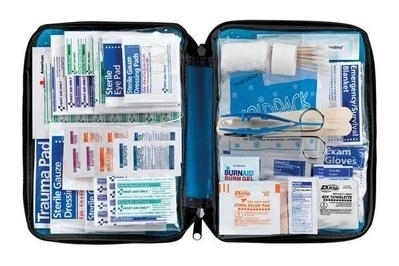
A well-stocked FSA-funded first aid kit covers common household injuries without out-of-pocket costs.
Credit: fsastore.com
A well-stocked FSA-funded first aid kit covers common household injuries without out-of-pocket costs.
 Credit: www.twc.health
EpiPens and other prescription first aid items are FSA-eligible with a letter of medical necessity.
Credit: www.twc.health
EpiPens and other prescription first aid items are FSA-eligible with a letter of medical necessity.
 Credit: www.nytimes.com
Pre-assembled FSA-eligible first aid kits are available at most pharmacies and online retailers.
Credit: www.nytimes.com
Pre-assembled FSA-eligible first aid kits are available at most pharmacies and online retailers.
What to Do If Your FSA First Aid Kit Claim Is Denied
Even with careful planning, claim denials happen. The most common reasons for FSA first aid kit claim denials include purchasing items not on your plan’s eligible list, missing itemized receipts, or buying a pre-assembled kit that includes ineligible accessories. If your claim is denied, first review the denial notice from your FSA administrator to identify the specific ineligible item. You can often appeal the decision by submitting a copy of the product’s FSA eligibility verification from the retailer, or a letter of medical necessity from your provider if the item is conditionally eligible (like a prescribed compression sleeve). For partial denials, you can resubmit a claim for only the eligible portion of the purchase, providing itemized receipts that separate eligible and ineligible items. Most FSA administrators resolve appeals within 10-14 business days, so don’t delay if you believe the denial was in error.
How long do FSA-eligible first aid supplies last?
Most FSA-eligible first aid supplies have a shelf life of 2-3 years if stored in a cool, dry place. Check expiration dates on antibiotic ointments, antiseptic wipes, and OTC pain relievers annually, and replace expired items as needed. Thermometers and reusable cold packs have no expiration date, but replace disposable cold packs every 1-2 years for maximum effectiveness.
FSA First Aid Kit Quick Reference Checklist
Use this checklist to ensure you don’t miss any eligible items or key steps when building your kit:
- Confirm your 2026 FSA plan’s specific eligibility rules and grace period deadline
- Assess your household’s unique injury risks (allergies, young children, outdoor activities)
- Prioritize eligible supplies: bandages, gauze, antiseptics, OTC pain relievers, thermometers, cold packs
- Verify each product’s FSA eligibility via retailer labels or your plan’s eligible item list
- Save itemized receipts for all purchases (digital or physical) for at least 3 years
- Store supplies in a dry, accessible location, out of reach of children and pets
- Keep bulk backup supplies in a 12-quart lidded storage bin to keep them dust-free and organized between uses
- Check expiration dates annually and replace expired items before they are needed
- Use any remaining FSA funds before the plan deadline to avoid forfeiture

I’m Abby Lu, a passionate home cook who loves simplifying everyday meals. At PlugChef.com, I share product reviews and cooking guides to help you find the best tools for your kitchen.
Related posts:
 How Does a Certified Organic Kitchen Clean Dishware Efficiently?
 How to Decorate With Wire Baskets: Chic and Creative Ideas
 Kitchen Organization Tips for Meal Prep: Boost Efficiency
 Dollar Tree Kitchen Organization Hacks: Budget-Friendly Tips
 Slate Kitchen Appliances With White Cabinets: Style Upgrade
 Small Electrical Appliances: Maximize Your Home Efficiency

