
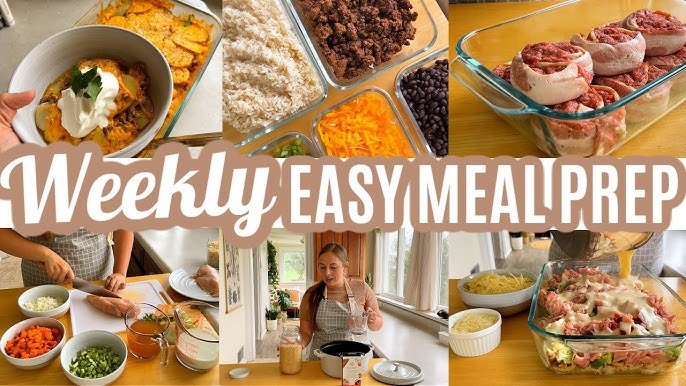
Becoming a new mom is equal parts joyful and overwhelming, and one of the first chores to fall by the wayside is cooking balanced, nutritious meals. Between sleep-deprived 45-minute wake cycles, unpredictable feeding schedules, postpartum recovery (whether vaginal or C-section), and the constant demand of caring for a newborn, even boiling water can feel like a monumental task. The guilt of relying on takeout three nights a week is real, but you don't need to spend hours in the kitchen to eat well. These easy recipes for new moms are designed for real-life constraints: 15 minutes or less of active prep, minimal cleanup, common pantry and fridge staples, and no fancy cooking skills required. We’ve tested every recipe to ensure they fit into chaotic schedules, accommodate common dietary needs, and align with current USDA postpartum nutrition guidelines to support healing, energy, and breast milk production if you’re nursing. A common mistake many new parents make is prepping elaborate, time-consuming meals that go bad before they have a chance to eat them — all these recipes include storage tips that work with unpredictable baby schedules, so nothing goes to waste.
 Credit: cooking.nytimes.com
Fresh, nutrient-dense ingredients that require minimal prep for fast, healthy meals.
Credit: cooking.nytimes.com
Fresh, nutrient-dense ingredients that require minimal prep for fast, healthy meals.
Core Nutritional Priorities for Postpartum Recovery
Your body is recovering from childbirth, and if you’re breastfeeding, you’re also producing nutrient-dense milk for your baby, so your nutritional needs are higher than they were pre-pregnancy. Prioritizing key nutrients doesn’t require fancy meal planning — simple whole foods paired in every meal will cover your needs, and help you avoid the fatigue and mood swings that come with nutrient gaps.
Key Nutrients to Prioritize for Healing and Energy
Current USDA guidelines recommend postpartum people who breastfeed prioritize the following nutrients daily:
- Iron (18mg): Replaces blood lost during childbirth and prevents fatigue and anemia. Pair iron-rich foods (lean beef, spinach, fortified oatmeal, lentils) with vitamin C (citrus, bell peppers) to boost absorption by up to 3x — a common mistake is taking iron supplements alone, which reduces how much your body can use.
- Protein (71g): Repairs tissue, supports muscle recovery, and helps maintain steady energy levels. Include a source of protein in every meal and snack: Greek yogurt, eggs, chicken, beans, or tofu.
- Omega-3 fatty acids (200-300mg): Reduce postpartum inflammation, support brain health for both you and your baby, and may lower the risk of postpartum depression. Top sources are salmon, chia seeds, walnuts, and flaxseeds.
- Calcium (1000mg): Supports bone health, which can be depleted during pregnancy and breastfeeding. Include dairy, fortified plant milks, leafy greens, or almonds in your daily intake.
- Fiber (25-30g): Prevents postpartum constipation, a common issue after childbirth, especially if you’re taking iron supplements. Sources include oats, whole grains, fruits, and vegetables.
No-Fuss Superfoods to Keep on Hand
Stocking your pantry and fridge with versatile, nutrient-dense staples eliminates the need for last-minute grocery runs and makes throwing together a meal in 5 minutes possible. Keep these items on hand at all times:
- Greek yogurt: High in protein and probiotics for gut health. Use it for smoothies, overnight oats, or as a substitute for sour cream in savory dishes.
- Spinach: Rich in iron and vitamin C. Toss a handful into smoothies, eggs, or soups for a nutrient boost without changing the flavor.
- Oats: High in fiber and slow-release carbohydrates to keep energy steady all morning. Use them for overnight oats, savory oatmeal, or as a binder for meatballs and energy bites.
- Salmon: Packed with omega-3s and protein. Buy pre-cooked frozen salmon fillets that can be reheated in the microwave in 2 minutes for a no-fuss protein source.
- Eggs: Contain choline, a nutrient that supports postpartum brain health, and essential amino acids for muscle repair. Hard-boil a batch on Sunday for grab-and-go snacks, or scramble them in 2 minutes for breakfast.
- Nuts and seeds: Offer healthy fats, protein, and minerals like magnesium to reduce fatigue. Keep a jar of mixed nuts on the counter for quick snacking, or add seeds to salads and oatmeal for extra crunch.
Time-Saving Kitchen Strategies That Actually Work
Finding time to cook as a new mom can feel impossible, but these strategies are built around the reality of newborn schedules, not idealized 30-minute cooking windows.
Cook in 10-Minute Windows Around Baby's Schedule
Newborn schedules are unpredictable at best, so trying to carve out an hour to cook is often unrealistic. Instead, adapt your routine to fit around your baby's wake windows:
- Chop vegetables or mix ingredients while your baby is on their playmat or being worn in a carrier.
- Set a timer for 5-10 minutes of active prep, then check on your baby before moving to the next step.
- Avoid cooking complex meals during short naps — if your baby only naps for 20 minutes, stick to tasks like scrambling eggs or reheating leftovers, not making a full stir-fry from scratch.
- A common mistake is trying to rush through cooking when you hear your baby startle, which can lead to burnt food or minor kitchen accidents. Prioritize safety over speed, and it's okay to order takeout if you don't have time to cook that day. If your baby is mobile, secure lower kitchen cabinets with cabinet safety locks to keep cleaning supplies and sharp utensils out of reach while you cook.
Low-Effort Batch Cooking for Unpredictable Days
Batch cooking doesn't mean spending 3 hours slaving over the stove on Sunday — for new moms, the best batch cooking is low-lift and versatile. Focus on prepping 2-3 staple ingredients that can be mixed and matched into meals all week, instead of full finished dishes:
- Roast 2-3 sweet potatoes, a tray of broccoli, and a pack of chicken thighs in 30 minutes on Sunday. Store them separately in airtight containers in the fridge for up to 5 days, then toss them into bowls, wraps, or salads as needed.
- Cook a large pot of quinoa or brown rice on the stovetop or in a rice cooker, then portion into single-serve containers and freeze for up to 3 months.
- Pick up a pre-cooked rotisserie chicken from the grocery store, shred the meat, and store it in the fridge for 3-4 days. Use it for salads, wraps, soups, or sheet pan meals in seconds.
- Pro tip: If you have a spare 30 minutes during a weekend when your partner is home to watch the baby, make a double batch of soup or chili and freeze individual portions. That way, on days when you can't even boil water, you can grab a container, heat it up, and have a hot meal in 3 minutes.
One-Pot & Sheet Pan Meals to Cut Cleanup
The last thing you want to do after a long day of caring for a newborn is scrub a pile of dishes, so prioritize meals that only require one pot, pan, or tray:
- One-pot lentil stew: Toss 1 cup rinsed lentils, 4 cups low-sodium vegetable broth, 1 can diced tomatoes, 1 cup frozen spinach, 1 tsp cumin, and ½ tsp garlic powder into a pot, simmer for 15 minutes. No chopping required, and leftovers last 4 days in the fridge.
- Sheet pan lemon garlic chicken: Toss 1 lb chicken thighs, 1 cup broccoli florets, 1 cup sliced bell peppers, 2 tbsp olive oil, 1 tsp garlic powder, salt, and pepper on a sheet pan. Bake at 400°F for 20 minutes, then serve over rice or eat as-is. Only one pan to wash, and you can line it with parchment paper to eliminate scrubbing entirely.
- One-pot pasta: Toss 1 lb pasta, 1 can crushed tomatoes, 1 cup frozen veggies, 4 cups water, and 1 tsp Italian seasoning into a pot, bring to a boil, then simmer for 10 minutes until pasta is cooked. Stir in a handful of spinach at the end for extra nutrients.
Gadgets That Earn Their Counter Space
Not all kitchen gadgets are worth the counter space or the cleaning time, but these three are game-changers for new moms:
- Slow cooker: Perfect for set-it-and-forget-it stews, soups, and shredded meat. Add ingredients in the morning before your baby wakes up, and come home to a hot, ready-to-eat meal at dinner time. Use slow cooker liners to eliminate scrubbing the pot entirely.
- Air fryer: Reheats leftovers in 3 minutes without making them soggy, and cooks frozen foods (like chicken nuggets or fries) faster than the oven. It’s also great for roasting veggies in 10 minutes with minimal oil.
- Rice cooker: Cooks rice, quinoa, and oats perfectly with zero effort, and many models have a keep-warm setting so you can add ingredients whenever you have a spare minute. Skip fancy gadgets like spiralizers or mandolines that take time to clean and require more prep than they save.
15-Minute Breakfast Recipes for Hectic Mornings
Starting your day with a nutritious breakfast sets the tone for steady energy, but when you're running on 3 hours of sleep, even making toast can feel like a task. These recipes require minimal effort and can be prepped ahead of time.
 Credit: sallysbakingaddiction.com
No-prep breakfast options that can be made the night before for busy mornings.
Credit: sallysbakingaddiction.com
No-prep breakfast options that can be made the night before for busy mornings.
No-Blend Protein Smoothies
Smoothies are a classic new mom breakfast, but blenders can be loud enough to wake a sleeping baby, and cleaning the blender is a chore most exhausted parents don't have time for. Try these no-blend options instead, or use a personal blender that’s easy to clean:
- Classic berry smoothie: 1 cup frozen strawberries, ½ cup Greek yogurt, 1 cup oat milk, 1 tbsp chia seeds, 1 handful spinach. If you have a blender, blend for 30 seconds. If not, mash the berries and mix all ingredients together for a smoothie bowl you can eat with a spoon one-handed.
- Chocolate peanut butter smoothie: 1 cup frozen banana, 2 tbsp peanut butter, 1 cup almond milk, 1 tbsp cocoa powder. This feels like a treat but packs 15g of protein to keep you full until lunch.
- Pro tip: Pre-portion smoothie ingredients into freezer bags on Sunday, so all you have to do is dump the bag into the blender (or a bowl) in the morning. No measuring, no mess.
Savory & Sweet Overnight Oats
Overnight oats are the ultimate make-ahead breakfast for new moms who don't have time to cook in the morning. Prep them the night before in 2 minutes, and they’re ready to grab and go when you’re rushing to a pediatrician appointment or trying to eat while holding a fussy baby:
- Sweet peanut butter banana overnight oats: Mix ½ cup rolled oats, ¾ cup almond milk, 1 tbsp peanut butter, 1 tsp maple syrup, and ¼ tsp cinnamon in a mason jar. Refrigerate overnight, then top with sliced banana and a sprinkle of chia seeds in the morning. The perfect ratio is 1 part oats to 1.5 parts liquid to avoid a runny texture — a common mistake is using too much milk, which makes the oats watery.
- Savory miso overnight oats: For when you don’t feel like eating something sweet, mix ½ cup rolled oats, 1 cup low-sodium chicken broth, 1 tsp white miso paste, and a dash of soy sauce in a mason jar. Refrigerate overnight, then top with a soft-boiled egg and a sprinkle of sesame seeds for a savory, high-protein breakfast.
- Both options last 3 days in the fridge, so you can prep 3 jars on Sunday for the whole week.
5-Minute Egg Hacks
Eggs are one of the most versatile, nutrient-dense foods you can eat as a new mom, and they can be prepped in 5 minutes or less with almost no cleanup:
- Microwave egg mug: Spray a microwave-safe mug with oil, add 2 eggs, a handful of spinach, and a sprinkle of cheese. Microwave for 60 seconds, stir, then microwave for another 30 seconds. No pan to wash, and you can eat it directly out of the mug while holding your baby.
- Hard-boiled egg batch: Boil 6-8 eggs on Sunday while you’re making other meals, peel them, and store them in the fridge in a sealed container for up to 5 days. Grab 2 with a piece of whole-grain toast for a complete meal in 2 minutes, or slice them onto a salad for lunch.
- Egg fried rice: Use leftover pre-cooked rice, frozen mixed veggies, 2 eggs, and a dash of soy sauce. Stir-fry in a pan for 5 minutes for a savory, filling meal that uses up leftovers. Eggs are a top source of choline, a nutrient that supports postpartum brain health and may reduce the risk of postpartum depression, per USDA guidelines. If your baby is mobile, secure lower kitchen drawers with no-drill drawer latches to keep them from pulling open cabinets where you store sharp utensils or cleaning supplies while you cook.
No-Fuss Lunches You Can Eat One-Handed
Lunches during the newborn phase need to be quick, nourishing, and easy to eat while holding a baby or pushing a stroller. These recipes require minimal prep and no utensils, so you can eat them anywhere.
No-Chop Protein Salads
Salads don’t have to be a chore, and they don’t require you to chop a single vegetable if you use pre-cut or frozen produce. These options are perfect for eating one-handed:
- Use pre-washed spinach or kale as a base, then add pre-cooked rotisserie chicken, canned tuna or salmon (drained), rinsed canned chickpeas, or pre-shelled frozen edamame (thawed in the fridge overnight) for protein.
- Top with pre-shredded cheese, a handful of pre-walnuts, and a store-bought vinaigrette (no guilt — store-bought dressing saves you 5 minutes of prep).
- If you’re worried about pre-cut veggies going bad, buy frozen pre-chopped carrots, bell peppers, and cucumbers that last for months, so you always have salad ingredients on hand even if you can't make it to the grocery store.
- Common mistake: Buying pre-cut fresh veggies that go bad in 2 days during busy weeks. Frozen pre-cut produce is just as nutritious, lasts longer, and is often cheaper.
No-Wrap Wraps & Handhelds
Wraps and handhelds are ideal for new moms because they’re portable, require no utensils, and can be eaten one-handed. Prep them the night before if you have a pediatrician appointment or playdate the next day:
- Use whole-grain tortillas or wraps for fiber and lasting energy, to avoid the 2pm energy crash.
- Fill with lean proteins like rotisserie chicken, hummus, canned beans, or deli turkey, plus pre-shredded veggies like carrots, lettuce, and bell peppers.
- Add avocado or a slice of cheese for healthy fats that keep you full longer.
- Pro tip: If you’re packing it for later, wrap it in parchment paper instead of plastic wrap to prevent sogginess, and it will stay fresh for up to 4 hours at room temperature.
15-Minute No-Chop Soups
Warm, comforting soups are perfect for lunch, especially on cold days, and you can make them in 15 minutes with zero chopping if you use pre-prepped ingredients:
- 4 cups low-sodium broth (vegetable or chicken)
- 1 can diced tomatoes, 1 can black beans (rinsed), 1 cup frozen mixed veggies
- 1 cup shredded rotisserie chicken, 1 tsp cumin, 1 tsp garlic powder
- Simmer all ingredients in a pot for 10 minutes, then serve with whole-grain crackers or a side of pre-cooked rice.
- Make a double batch and freeze individual portions for days when you can't even stand to heat up the stove. When you're done cooking, a quick scrub with a heavy-duty scrub brush eliminates stuck-on food from the pot in seconds, so you can get back to your baby faster.
 Credit: www.bbcgoodfood.com
A 5-minute protein-packed lunch that requires no cooking.
Credit: www.bbcgoodfood.com
A 5-minute protein-packed lunch that requires no cooking.
20-Minute Dinners With Almost No Cleanup
Dinners don't have to be a production on busy weeknights. These recipes take 20 minutes or less of active time, require minimal cleanup, and can be prepped ahead of time for even faster service.
Sheet Pan Meals for Zero Fuss
Sheet pan meals are the holy grail for new moms because all ingredients cook together on one tray, and cleanup is as simple as tossing the parchment paper. No scrubbing multiple pots and pans, no stress:
- Lemon garlic salmon with veggies: Toss 1 lb salmon fillets, 1 cup broccoli florets, 1 cup asparagus, 2 tbsp olive oil, 1 tsp garlic powder, 1 tsp lemon zest, salt, and pepper on a sheet pan. Bake at 400°F for 15 minutes for a complete, high-protein dinner.
- Honey mustard chicken with sweet potatoes: Toss 1 lb chicken thighs, 2 cubed sweet potatoes, 1 cup green beans, 2 tbsp olive oil, 1 tbsp honey, 1 tbsp Dijon mustard, salt, and pepper on a sheet pan. Bake at 400°F for 25 minutes.
- Pro tip: Line the pan with parchment paper or a silicone baking mat to eliminate scrubbing entirely. You can even serve the meal directly off the pan to avoid washing a serving dish.
Slow Cooker Favorites for Days You Can't Stand to Cook
Slow cookers are a new mom's best friend on days when you can't stand to stand over the stove. Add all ingredients in the morning (or even the night before), turn it on, and come home to a hot, ready-to-eat dinner:
- Slow cooker chicken chili: 1 lb ground chicken, 1 can diced tomatoes, 1 can kidney beans (rinsed), 1 cup frozen corn, 1 tbsp chili powder, 1 tsp cumin, 1 cup low-sodium broth. Add all ingredients to the slow cooker in the morning, cook on low for 6 hours or high for 3 hours. Top with shredded cheese or sour cream before serving.
- Slow cooker pulled pork: 1 lb pork shoulder, 1 cup bbq sauce, 1 cup apple cider, 1 tsp garlic powder. Cook on low for 8 hours, then shred with two forks. Serve on whole-grain buns or over roasted veggies.
- Common mistake: Adding dairy (milk, cheese, sour cream) to the slow cooker, as it will curdle during long cooking times. Add dairy only after serving, when the meal is done cooking.
10-Minute Stir-Fries for When You're Really Short on Time
If you only have 10 minutes to make dinner, stir-fries are your best bet. Use pre-prepped ingredients to cut down on even more time:
- Use frozen stir-fry veggie mixes (no chopping required) and pre-sliced chicken or tofu from the grocery store.
- Heat 1 tbsp of oil in a pan over high heat, add the protein and cook for 3 minutes, then add the veggies and cook for 2 more minutes.
- Add a simple sauce: 2 tbsp soy sauce, 1 tsp grated ginger, 1 tsp garlic, 1 tsp honey, and 1 tsp cornstarch mixed with 1 tbsp water. Stir until the sauce thickens, about 2 minutes.
- Serve over pre-cooked frozen rice (microwave in 2 minutes) for a full meal in 10 minutes, with only one pan to wash.
- For a quick no-cook dinner or snack option, arrange pre-cut cheese, crackers, and fruit on a charcuterie-style board. Learning even cheese cuts takes 30 seconds and makes the spread look polished with zero cooking effort. If you want to label prepped meals or storage containers to avoid mix-ups with baby's food, try making engraved food labels on reusable containers for a durable, easy solution.
Freezer-Friendly Make-Ahead Meals
On days when you have a spare 30 minutes, make a batch of meals that freeze well for up to 3 months, so you always have a backup option for busy weeks:
- Veggie-packed meatballs: Mix ground beef or turkey, oats, eggs, frozen shredded carrots, and Italian seasoning. Roll into 1-inch balls, bake at 400°F for 15 minutes, then freeze in single-serve portions. Reheat in the microwave in 2 minutes and serve with marinara sauce and whole-grain pasta.
- Lentil soup: Simmer lentils, diced tomatoes, carrots, celery, and low-sodium broth for 20 minutes. Freeze in individual portions for a quick, warming lunch or dinner.
- Chicken enchiladas: Shredded chicken, black beans, cheese, and enchilada sauce rolled in corn tortillas. Freeze unbaked, then bake for 20 minutes straight from the freezer when you're ready to eat.
- Pro tip: Freeze individual portions in silicone muffin tins, then pop them out and store them in a freezer bag for easy access. Label every container with the meal name and date so you don't have to guess what's inside. Keep curious toddlers out of your meal prep supplies with no-drill drawer latches that install in seconds without damaging your kitchen cabinetry.
Healthy On-The-Go Snacks That Don't Require Prep
Finding healthy snacks that fit into your busy day as a new mom can feel like a challenge, but these options require almost no prep, are portable, and provide steady energy without the sugar crash that comes with processed snacks.
No-Bake Energy Bites
Energy bites are the perfect grab-and-go snack for new moms — they require no baking, last for 2 weeks in the fridge, and are easy to eat one-handed while you hold your baby or push a stroller:
- Classic peanut butter chocolate bites: Mix 1 cup rolled oats, ½ cup peanut butter, ⅓ cup honey, ¼ cup mini chocolate chips, and 2 tbsp chia seeds in a bowl until combined. Roll into 1-inch balls, then refrigerate for 1 hour to set. Each bite has 4g of protein and 2g of fiber to keep you full between meals.
- No-bake cookie dough bites: Mix 1 cup almond flour, ¼ cup peanut butter, ¼ cup honey, 1 tsp vanilla extract, and ¼ cup mini chocolate chips. Roll into balls and refrigerate for 30 minutes. These taste like cookie dough but are packed with protein and healthy fats.
- Common mistake: Adding too much liquid, which makes the balls sticky and hard to roll. If the mixture is too wet, add 1 tbsp of coconut flour to thicken it.
- Store them in an airtight container in the fridge, and stash a few in your diaper bag for emergency snacks when you're out.
Pre-Portioned Veggie & Dip Packs
Prepping veggie packs ahead of time eliminates the need to chop vegetables when you're hungry and exhausted:
- Buy pre-cut frozen carrots, cucumber slices, bell peppers, and cherry tomatoes. Thaw a portion in the fridge overnight, then portion into small containers with a single-serve hummus, Greek yogurt dip, or guacamole packet.
- These packs last 5 days in the fridge, and you can grab one on your way out the door to the park or a playdate.
- If you're worried about sticky dip residue in the containers, use a small cleaning brush to scrub them out in seconds after use.
Customizable Nut & Seed Mixes
Nut and seed mixes are shelf-stable, require no refrigeration, and provide a perfect balance of protein, healthy fats, and fiber to fight fatigue:
- Mix 1 cup almonds, ½ cup pumpkin seeds, ½ cup sunflower seeds, ¼ cup dried cranberries, and 1 tsp cinnamon for a sweet and salty mix that’s perfect for stashing in your diaper bag or purse.
- Portion into ¼ cup servings in small reusable bags or containers, so you don't accidentally eat the whole bag in one sitting.
- For a savory option, add a dash of smoked paprika and a pinch of sea salt to the mix. These mixes are far better than vending machine snacks, which are high in added sugar and will cause an energy crash 1-2 hours after eating.
Meal Prep & Storage Tips That Reduce Waste
Meal prep helps new moms save time and eat healthy, but it only works if you store food safely and in a way that fits your chaotic schedule.
Safe Storage for Busy Schedules
Food safety is especially important for new moms, as your immune system may be slightly weakened in the early postpartum period. Follow these guidelines to keep your meals safe:
- Store perishable meals in the fridge within 2 hours of cooking, and keep your fridge temperature at or below 40°F (4°C) to prevent bacteria growth.
- Use shallow containers to cool food faster and more evenly, which reduces the risk of foodborne illness.
- Keep raw meats separate from cooked foods and ready-to-eat items to avoid cross-contamination.
- A common mistake is leaving leftovers on the counter for more than 2 hours, especially in warm kitchens. If you're not sure if a leftover is still safe to eat, throw it out — it's not worth risking food poisoning when you're taking care of a newborn.
- Perishable meals last 3-4 days in the fridge; if you won't eat them within that time frame, freeze them instead. The FDA advises reheating all leftovers to an internal temperature of 165°F (74°C) to eliminate harmful bacteria, as outlined in their home food safety resources. Avoid reheating meals multiple times, as this reduces quality and increases the risk of foodborne illness.
Freezing Meals Without Freezer Burn
Freezing meals is a great way to reduce food waste and ensure you always have a healthy option on hand, but improper storage can lead to freezer burn and ruined meals:
- Portion meals into single-serve containers before freezing, so you don't have to defrost an entire pot of soup when you only need one serving.
- Leave ½ inch of space at the top of each container to allow for expansion as the food freezes, which prevents the container from cracking.
- Use freezer-safe containers or silicone bags, and squeeze out as much air as possible before sealing to prevent freezer burn.
- Label every container with the meal name and date, using a dry-erase marker on the lid so you don't have to use stickers that leave residue.
- Meals last 2-3 months in the freezer for best quality; after that, they may develop freezer burn but are still safe to eat if stored properly.
Organizing Your Fridge & Freezer for Speed
When you're exhausted and hungry, you don't want to spend 5 minutes digging through your freezer to find a meal. Organize your storage spaces to make grabbing food as fast as possible:
- Keep ready-to-eat meals at eye level in the fridge, so you see them first when you open the door.
- Group similar meals together: breakfasts on one shelf, lunches on another, dinners in the freezer. Label each section so you can find what you need in 2 seconds.
- Keep a whiteboard on the fridge with a list of all the meals you have prepped and their dates, so you don't buy duplicate ingredients or forget about meals you made two weeks ago.
- Use stackable containers to save space, and keep frequently used items (like hard-boiled eggs, pre-cut veggies, hummus) at the front of the fridge so you don't have to move other items to reach them. Wipe down countertops and high chair trays after cooking with a multi-surface cleaning brush to tackle crumbs and sticky messes in seconds.
Staying Hydrated & Energized Without Extra Effort
Breastfeeding moms need 16-24 cups of water a day, per CDC guidelines, which can feel impossible when you're busy caring for a newborn. These tips make hydration easy and tasty, no extra work required.
No-Sugar Infused Water Recipes
Infused water adds flavor without extra sugar, making it easier to hit your hydration goals:
- Fill a 64-ounce pitcher with water, then add your choice of sliced fruit and herbs.
- Let it sit in the fridge for 2 hours to infuse, then sip throughout the day. The same pitcher can be refilled 2-3 times before the flavor fades.
- Top combos for when you're sick of plain water:
- Strawberries and mint
- Cucumber and lemon
- Orange slices and basil
- Blueberries and lime
- Pro tip: Add a splash of 100% cranberry juice for a tangy, vitamin C boost without added sugar.
Breastfeeding-Safe Herbal Teas
Herbal teas are a great way to stay hydrated and soothe nerves, but if you're breastfeeding, it's important to choose herbs that are safe for your baby:
- Safe options: Chamomile (supports relaxation and digestion), ginger (reduces nausea and inflammation), raspberry leaf (supports uterine recovery), and peppermint (soothes digestion, but limit to 1-2 cups a day as high amounts may reduce milk supply for some people).
- Avoid: Teas with licorice, sage, or high amounts of peppermint, as these can reduce milk supply. Avoid any teas with added caffeine or strong laxative effects.
- Drink warm or cold, depending on your preference. Always check with your OB-GYN or lactation consultant if you're unsure about a specific herb.
- Herbal teas can calm nerves and boost energy gently without the crash that comes with sugary drinks or caffeine.
Hydrating Snacks That Count Toward Your Water Intake
If you struggle to drink enough water, eat hydrating snacks that have a high water content to help you hit your goals:
- Watermelon cubes (92% water)
- Cucumber slices with hummus (96% water in cucumber)
- Greek yogurt with berries (yogurt is 85% water)
- Orange slices (87% water)
- Celery sticks with peanut butter (95% water in celery) These snacks not only hydrate you but also provide protein, fiber, and vitamins to keep your energy up all day long. Eat small portions every 2-3 hours to avoid energy crashes.
Frequently Asked Questions
What are the easiest recipes for new moms?
The easiest recipes require 15 minutes or less of active prep, use 5 or fewer ingredients, and require only 1 pot/pan to clean. Top picks include one-pot lentil stew, sheet pan lemon garlic chicken, no-bake energy bites, and overnight oats. All of these can be prepped in advance and reheated in 2 minutes, making them perfect for unpredictable newborn schedules.
How can new moms save time cooking?
Prioritize batch cooking versatile staples (roasted veggies, cooked grains, shredded protein) on days when you have a spare 30 minutes, use pre-cut or frozen produce to eliminate chopping, and choose meals that double as leftovers for lunch the next day. Wearing your baby in a carrier while you cook can also let you prep meals without putting them down for a nap. If you don't have time to cook at all, it's okay to rely on takeout or pre-made grocery store meals — you don't have to be perfect.
Which ingredients are best for quick meals?
Keep your pantry stocked with pre-cooked grains (rice, quinoa), canned beans, low-sodium broth, frozen vegetables, rotisserie chicken, eggs, Greek yogurt, oats, and nut butter. These ingredients require minimal prep and can be mixed and matched into dozens of meals without extra grocery trips.
Are there healthy snack ideas for new moms?
Yes, the best snacks are portable, require no refrigeration, and combine protein and fiber to keep you full between meals. Top picks include no-bake energy bites, pre-portioned nut and seed mixes, Greek yogurt with frozen berries, and veggie packs with hummus. Avoid snacks high in added sugar, which will cause an energy crash 1-2 hours after eating.
Can these recipes accommodate dietary restrictions?
Almost all of these recipes can be modified for gluten-free, dairy-free, or vegetarian diets. Use gluten-free tortillas or bread for wraps, swap cow's milk for oat or almond milk in smoothies and oats, and use tofu or tempeh instead of meat in stir-fries and sheet pan meals. Always check with your healthcare provider if you have specific dietary needs related to postpartum recovery or breastfeeding.
Conclusion
Becoming a new mom means redefining what "good enough" looks like, especially when it comes to mealtime. You don't need to make gourmet, Instagram-worthy meals every day to nourish yourself and your family — these easy, quick recipes are designed to fit into your chaotic, beautiful new life, no guilt allowed. Start small: pick one recipe to try this week, whether it's overnight oats for breakfast or a slow cooker chili for dinner. If you only manage to eat toast and peanut butter some days, that's okay too. The goal is to make healthy eating feel simple, not like another chore on your endless to-do list. For more tips on balancing new parenthood, home safety, and daily life, check out our blog for new parents.

I’m Abby Lu, a passionate home cook who loves simplifying everyday meals. At PlugChef.com, I share product reviews and cooking guides to help you find the best tools for your kitchen.
Related posts:
 Seville Expandable Cabinet And Pantry Organizer: Space Savior
 Glideware Pull Out Cabinet Organizer for Pots & Pans: Space Saver
 Small 3-Tier Shelf Organizer: Maximize Space Effortlessly
 Trader Joe’S Spicy Lentil Wrap: Delicious, Healthy, and Quick Meal!
 Easy Way to Peel Pumpkin: Quick Tips for Effortless Prep
 How Long Do Grapes Last: Ultimate Freshness Guide Revealed

