
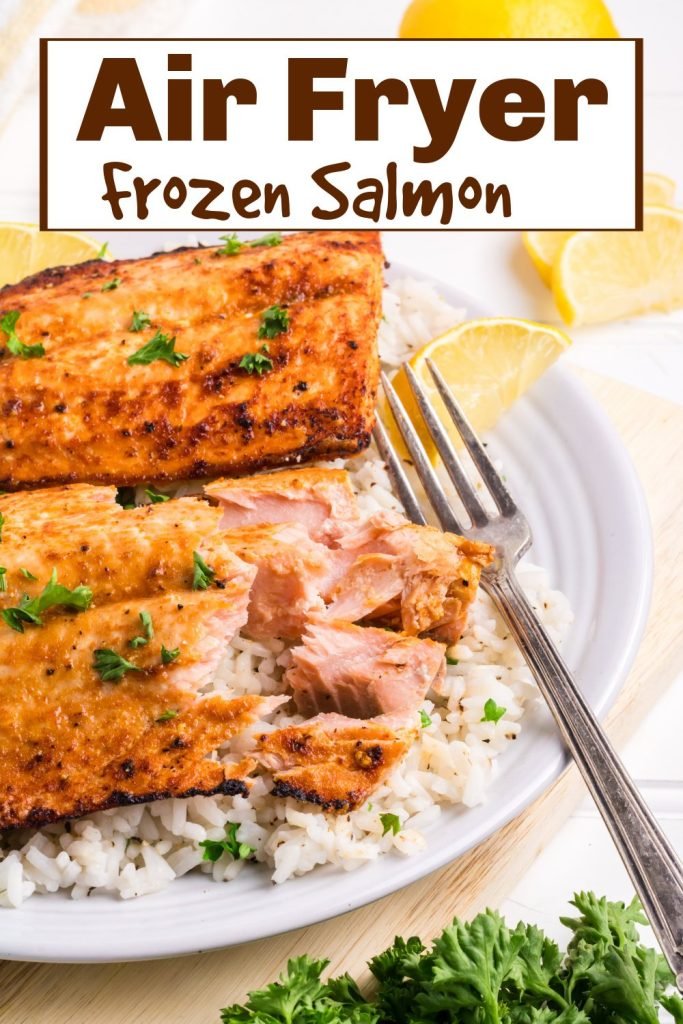
Busy weeknights, last-minute dinner plans, and tight budgets don’t have to mean sacrificing healthy, flavorful meals. Frozen salmon fillets are one of the most versatile, underrated staples in the freezer aisle: flash-frozen within hours of being caught, they retain the same bright flavor, firm texture, and high nutrient content as fresh salmon, often at a lower cost and with zero waste. Whether you have 10 minutes or 30 to spare, you can turn a plain frozen fillet into a restaurant-worthy dish with minimal prep and no special skills. Below are our favorite tested recipes, plus pro tips to avoid common pitfalls like dry, bland fish or stuck skin.
Why Frozen Salmon Fillets Are a Kitchen Staple
Contrary to outdated myths, frozen salmon is not "lower quality" than fresh. Modern flash-freezing technology chills fish to -30°F (-34°C) almost immediately after processing, which halts enzyme activity that causes spoilage and locks in peak freshness, flavor, and omega-3 nutrients. Unlike fresh salmon, which can sit on store shelves for 5–7 days after being caught, frozen fillets are preserved at their best, so you never have to worry about them going bad before you can use them. They’re also portion-controlled, making it easy to pull out exactly one or two fillets for a single meal without thawing an entire package.
How to Select High-Quality Frozen Salmon Fillets
Not all frozen salmon is created equal, and a few small checks when shopping will make a huge difference in your final dish. First, look for individually vacuum-sealed fillets: this packaging prevents freezer burn and stops ice crystals from forming on the fish, which degrades texture and flavor. Avoid any packages with visible frost, ice buildup, or discoloration (grayish or dull pink flesh), as these are signs the fish was partially thawed and refrozen, which compromises quality.
Check the use-by or best-by date, and choose the package with the furthest-out date for maximum freshness. If you care about sustainability, look for ASC (Aquaculture Stewardship Council) or MSC (Marine Stewardship Council) certifications, which guarantee the salmon was sourced responsibly. For flavor reference, wild-caught salmon has a firmer, richer taste and lower fat content, while farm-raised salmon is milder, fattier, and more moist – pick based on your recipe preferences. For guidance on identifying high-quality frozen seafood and safe handling practices, refer to the FDA’s seafood safety guidance.
 Look for individually vacuum-sealed fillets with no ice crystals for peak freshness
Thawing vs. Cooking Directly From Frozen
One of the biggest perks of frozen salmon is that you don’t always need to thaw it before cooking – most methods work perfectly with frozen fillets, saving you hours of planning time. That said, thawing is ideal for recipes that require even cooking or delicate seasoning, so choose the method that fits your schedule:
Refrigerator Thawing (Safest, Best Texture)
Place frozen fillets in a sealed airtight bag or container on a plate on the bottom shelf of your refrigerator. Allow 12–24 hours to thaw fully, depending on the thickness of the fillet (1-inch thick fillets take ~12 hours, 1.5-inch take ~24). This method keeps the fish at a consistent, safe temperature below 40°F (4°C), preventing bacteria growth and preserving the fish’s natural texture. Lay fillets on a sturdy prep surface once thawed to pat dry and season evenly.
Cold Water Thawing (Fast, 1–2 Hours)
Seal fillets tightly in a leak-proof plastic bag, then submerge the bag in a bowl of cold water. Change the water every 30 minutes to keep it cold, and allow 1–2 hours to thaw fully. Never use warm or hot water, as this can raise the fish’s temperature into the 40–140°F (4–60°C) danger zone where bacteria multiply rapidly. Cook thawed salmon immediately after using this method.
Microwave Thawing (Quickest, 5–10 Minutes)
Use your microwave’s defrost setting, placing fillets on a microwave-safe dish. Check and flip the fish every 30 seconds to avoid partially cooking the edges. Thaw until the fish is still slightly icy in the center, then cook immediately, as partial thawing can create warm spots where bacteria grow.
Cooking Directly From Frozen (No Thawing Needed)
For baked, air-fried, grilled, and stir-fry recipes, you can skip thawing entirely. Pat frozen fillets dry with paper towels to remove excess ice crystals (this helps seasoning stick and promotes even cooking), then add 5–7 minutes to the total cook time. This is a game-changer for last-minute dinners when you don’t have time to plan ahead.
Essential Seasoning and Flavor Bases for Frozen Salmon
Salmon’s rich, buttery flavor pairs well with almost every cuisine, so you can easily customize it to match your taste preferences. Start with a base of 1/4 teaspoon of salt and 1/8 teaspoon of black pepper per fillet, then build from there:
Simple Dry Rubs and Spice Blends
Dry rubs create a flavorful, caramelized crust when cooked, with zero prep time. Mix equal parts paprika, garlic powder, and dried dill for a classic savory blend, or add 1/4 teaspoon of brown sugar and smoked paprika for a sweet, smoky profile perfect for grilling. For a spicy kick, stir in 1/8 teaspoon of cayenne pepper or chili powder. Rub the blend onto both sides of the fillet before cooking – the dry seasonings will crisp up beautifully in the pan or oven.
Quick Marinades
Marinades infuse salmon with bold flavor in 15–30 minutes, no overnight wait required. For an Asian-inspired profile, mix 2 tablespoons of soy sauce, 1 tablespoon of honey, 1 teaspoon of grated fresh ginger, and 1 clove of minced garlic. For a zesty Mediterranean option, combine 2 tablespoons of olive oil, 1 tablespoon of lemon juice, 1 teaspoon of dried oregano, and 1 minced garlic clove. Avoid marinating for longer than 30 minutes, as the acid in citrus or vinegar can start to break down the fish’s texture and make it mushy.
No-Fuss Finishing Sauces
Toss cooked salmon in a quick sauce right before serving for extra flavor without extra prep. Classic options include lemon butter (melt 2 tablespoons of butter with 1 teaspoon of lemon zest and 1 clove of minced garlic), dill yogurt (mix 1/2 cup of plain Greek yogurt with 1 tablespoon of chopped fresh dill and a squeeze of lemon), or store-bought teriyaki or pesto for even faster meals.
Quick and Easy Frozen Salmon Recipes
All of these recipes use common pantry staples, take 30 minutes or less, and work with both thawed and frozen fillets (unless noted otherwise).
Pan-Seared Crispy Skin Salmon (10 Minutes Total)
This method delivers a shatteringly crispy skin and moist, flaky flesh in minutes, perfect for busy weeknights.
- Pat fillets dry with paper towels, then sprinkle the skin side generously with salt (salt draws out moisture, which helps crisp the skin).
- Heat 1 tablespoon of olive oil or butter in a non-stick skillet over medium-high heat.
- Place fillets skin-side down in the skillet, pressing gently with a spatula for 10 seconds to ensure full contact with the pan. A common mistake is moving the fillet too early, which tears the skin and causes sticking – cook undisturbed for 4–5 minutes until the skin is golden and crisp.
- Flip carefully, then cook for 2–3 more minutes, until the flesh flakes easily with a fork and reaches an internal temperature of 125°F (52°C) for medium doneness.
- Let rest for 2 minutes before serving to lock in juices. Serving suggestions: Pair with roasted asparagus, quinoa, or a simple green salad, and top with a squeeze of fresh lemon or a drizzle of garlic butter. For casual dinners, serve with a fresh charcuterie-style spread for a no-fuss meal.
Oven-Baked Frozen Salmon (20 Minutes Total, Hands-Off)
Baking is the most low-effort method, with no monitoring required and easy cleanup.
- Preheat your oven to 400°F (200°C), and line a baking sheet with parchment paper for no-scrub cleanup.
- Pat fillets dry, then season both sides with salt, pepper, and your choice of spices or herbs.
- Place fillets skin-side down on the baking sheet, and drizzle with 1 teaspoon of oil per fillet.
- Bake for 15–20 minutes (add 5 minutes if cooking from frozen), until the flesh flakes easily with a fork. Popular variations:
- Lemon Garlic: Top fillets with 2 minced garlic cloves and 2 lemon slices before baking, and sprinkle with fresh parsley after cooking.
- Honey Mustard: Mix 1 tablespoon of honey, 1 teaspoon of Dijon mustard, and 1 teaspoon of oil, then brush over fillets 10 minutes before cooking for a caramelized, tangy glaze.
- Pesto: Spread 1 tablespoon of store-bought or homemade pesto over fillets for the last 5 minutes of cooking for a bright, herby flavor.
 Baking frozen salmon locks in moisture for tender, flaky flesh with minimal prep
Air Fryer Frozen Salmon (12 Minutes Total, Ultra-Crispy)
The air fryer is the fastest way to cook frozen salmon, delivering crispy skin and perfectly cooked flesh with zero preheating and almost no cleanup.
- Preheat your air fryer to 400°F (200°C) (most models don’t require preheating, but check your manual).
- Pat fillets dry, brush with 1 teaspoon of oil, and season both sides generously.
- Place fillets skin-side down in the air fryer basket, making sure they don’t overlap. Cook for 10–12 minutes (add 2 minutes if cooking from frozen), flipping halfway through, until the skin is crisp and the flesh flakes easily. Serving suggestions: Toss with air-fried broccoli or zucchini for a low-carb meal, or serve over rice with a drizzle of teriyaki sauce.
Grilled Frozen Salmon (15 Minutes Total, Smoky Flavor)
Grilled salmon is perfect for summer cookouts, and frozen fillets work just as well as fresh when cooked properly.
- Preheat your grill to medium-high heat (400°F), and oil the grates well or use a non-stick grill basket to prevent sticking.
- Pat fillets dry, brush with oil, and season with salt, pepper, and your favorite dry rub or marinade.
- Place fillets skin-side down on the grill, close the lid, and cook for 6–8 minutes. If cooking from frozen, add 3–4 minutes to the cook time, and place fillets on the cooler side of the grill for the first 2 minutes to thaw slightly before searing.
- Flip carefully with a thin spatula, and cook for 2–3 more minutes until flaky. Cleanup tip: Scrub grill grates with a sturdy grill brush while warm to remove stuck-on salmon bits without scrubbing later.
 Marinated frozen salmon grills up smoky and flavorful in 15 minutes
20-Minute Salmon Stir-Fry
Stir-frying is a great way to use up leftover veggies and turn frozen salmon into a healthy, customizable meal in minutes. The best part? No thawing required.
- Heat 1 tablespoon of high-heat oil (like avocado or sesame oil) in a wok or large skillet over high heat.
- Add bite-sized frozen salmon pieces (no thawing needed) in a single layer, and cook for 3–4 minutes, stirring occasionally, until the exterior is opaque.
- Add 2 cups of pre-cut stir-fry veggies (bell peppers, broccoli florets, snap peas, sliced carrots, baby corn), and cook for 3–4 more minutes until crisp-tender.
- Pour in 1/4 cup of your favorite stir-fry sauce (soy-ginger, teriyaki, sweet chili, or peanut all work well), and toss to coat. Cook for 1 more minute until the sauce is heated through and the salmon is fully cooked.
- Serve over rice or noodles, and top with sesame seeds or sliced scallions. Pro tip: Don’t overcook the salmon – it will finish cooking from the residual heat when you add the sauce, so pull it off the heat as soon as it’s mostly opaque.
Creamy Dill Salmon Pasta (25 Minutes Total)
This rich, satisfying pasta dish is perfect for cold nights, and comes together faster than takeout.
- Cook 8 ounces of pasta (fettuccine, penne, or rigatoni work best) according to package instructions, reserving 1/4 cup of pasta water before draining.
- While the pasta cooks, sauté 1 pound of diced frozen salmon in 1 tablespoon of butter over medium heat for 5–6 minutes, until cooked through.
- In the same pan, add 2 minced garlic cloves and cook for 30 seconds until fragrant. Add 1 cup of heavy cream and simmer for 2 minutes until slightly thickened.
- Stir in 2 tablespoons of chopped fresh dill, 1/4 cup of grated parmesan cheese, and salt and pepper to taste.
- Add the drained pasta and cooked salmon to the sauce, tossing to coat. Add reserved pasta water 1 tablespoon at a time if the sauce is too thick. Serving suggestion: Top with extra parmesan and a sprinkle of black pepper before serving.
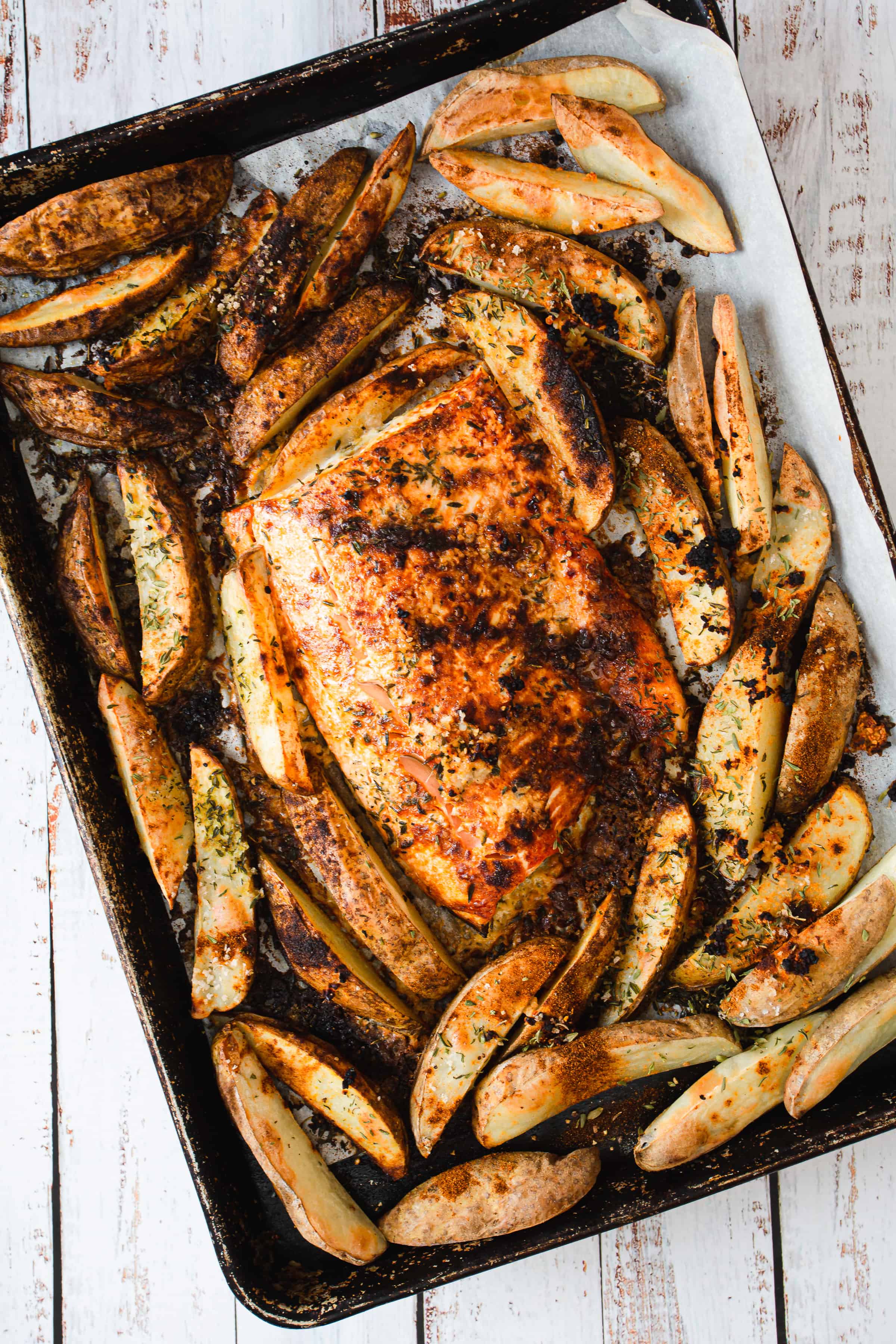 Creamy dill salmon pasta comes together in 20 minutes using frozen fillets
No-Cook Salmon Salad Bowls (10 Minutes Total, Meal Prep Friendly)
For a light, nutrient-packed lunch or dinner, skip the cooking entirely with these no-cook salad bowls. Use pre-cooked frozen salmon (available at most grocery stores) for zero prep, or thaw raw fillets in the refrigerator overnight and flake into the salad.
- Add 4–6 ounces of flaked salmon to a bowl of mixed greens.
- Top with your choice of add-ins: cherry tomatoes, cucumber, avocado, edamame, Kalamata olives, feta cheese, or roasted sweet potatoes.
- Dress with a simple lemon vinaigrette (3 tablespoons olive oil, 1 tablespoon lemon juice, 1 teaspoon Dijon mustard, salt and pepper to taste) and toss to combine. Variations: For a Mediterranean twist, add crumbled feta, red onion, and oregano. For a Southwest flair, add black beans, corn, cilantro, and a lime-cumin dressing. Portion into meal prep containers for grab-and-go lunches all week.
Pro Tips for Juicy, Flavor-Packed Salmon Every Time
Even the best recipe can fall flat if you make common cooking mistakes. Follow these expert tips to get perfect salmon every time:
- Don’t overcook: Overcooking is the #1 cause of dry, tough salmon. The USDA recommends cooking salmon to an internal temperature of 145°F (63°C) to eliminate harmful bacteria, though many home cooks and chefs prefer a slightly lower 125–130°F (52–54°C) for a moist, medium doneness, which is safe for flash-frozen salmon that has been stored properly. If you don’t have a food thermometer, look for opaque flesh that flakes easily with a fork.
- Pat dry before cooking: Whether using thawed or frozen fillets, always pat them dry with paper towels before seasoning. Excess moisture creates steam, which prevents crispy skin and makes the fish soggy.
- Rest after cooking: Let salmon rest for 3–5 minutes after cooking, loosely covered with aluminum foil. This lets the juices redistribute throughout the fillet, so every bite is moist instead of dry.
- Fix dry salmon: If you accidentally overcook your fillets, flake them into salads, pasta, sandwiches, or tacos, and toss with a sauce or dressing to add moisture back in.
- Cleanup hack: After cooking, wipe down countertops and scrub pans with a heavy-duty scrub brush to tackle stuck-on salmon bits without scratching non-stick cookware.
 Air fryer frozen salmon cooks in 12 minutes for a crispy, low-effort dinner
Frequently Asked Questions
Q: Can I refreeze thawed salmon fillets? A: Yes, if you thawed them in the refrigerator and haven’t left them at room temperature for more than 2 hours. Refreeze within 1–2 days of thawing for best quality, though the texture may be slightly softer after refreezing.
Q: How long do frozen salmon fillets last in the freezer? A: Properly stored in an airtight container or vacuum-sealed bag, frozen salmon fillets last 6–12 months in the freezer. For best flavor and texture, use them within 6 months of freezing.
Q: Can I cook salmon fillets directly from frozen? A: Absolutely! For baked, air-fried, grilled, and stir-fry recipes, you can skip thawing entirely. Pat fillets dry to remove excess ice, and add 5–7 minutes to the total cook time. Thawing is only necessary for recipes that require delicate seasoning or very even cooking.
Q: How do I prevent salmon from drying out? A: Avoid overcooking by using a food thermometer to check for an internal temperature of 125°F for medium doneness, and always let the fish rest for 3–5 minutes after cooking. Marinating for 15–30 minutes before cooking also helps retain moisture, and wrapping fillets in foil while baking adds extra steam to keep them juicy.
Q: Do I need to remove the skin before cooking frozen salmon? A: No! The skin protects the delicate flesh from sticking to the pan, and crisps up beautifully when cooked properly. If you prefer skinless, purchase skinless frozen fillets, or peel the skin off after cooking.
Q: Can I use frozen salmon for sushi or sashimi? A: Only if the salmon is explicitly labeled "sushi-grade" or "sashimi-grade", which means it has been frozen to -4°F (-20°C) for at least 7 days to kill harmful parasites. Regular frozen salmon is not safe to eat raw.
Conclusion
Frozen salmon fillets are the ultimate busy-cook hack: affordable, nutritious, and endlessly versatile, they let you pull together a healthy, delicious meal in 15 minutes or less with minimal planning. From crispy pan-seared fillets to creamy pasta and smoky grilled dishes, there’s a recipe to suit every taste and schedule. Stock your freezer with high-quality frozen salmon this week to eliminate last-minute dinner stress – no thawing required for most recipes, and cleanup is a breeze with the right tools. For families, portion leftover salmon into meal prep containers for quick lunches, and use installed kid-safe latches to keep snack containers out of reach of little ones. After cooking, wipe down counters with a multi-surface cleaning brush to tackle any grease splatters quickly and easily.

I’m Abby Lu, a passionate home cook who loves simplifying everyday meals. At PlugChef.com, I share product reviews and cooking guides to help you find the best tools for your kitchen.
Related posts:
 How to Make a Fruit Basket for a Gift: Easy DIY Guide
 Do You Need a Basket? Essential Guide for Air Fryers
 What Blenders Do Tropical Smoothie Use: Expert Insights
Stainless Steel Vs White Kitchen Appliances: Ultimate Showdown
What Blenders Do Tropical Smoothie Use: Expert Insights
Stainless Steel Vs White Kitchen Appliances: Ultimate Showdown
 Kitchen Appliances for Wedding Registry: Must-Have Essentials
 Top 10 Best Non-Toxic Cooking Utensils – Safe & Durable Choices for Healthy Homes

