
Have you ever dug a half-empty bag of chocolate chips out of the pantry, only to find they’ve turned chalky, stale, or lost their rich cocoa flavor? Whether you bake weekly or only break out the chips for the occasional batch of cookies, knowing how to preserve their freshness is a game-changer for cutting food waste and skipping last-minute grocery runs.
In this 2026 updated guide, we’ll walk through tested, no-fuss steps to freeze chocolate chips of every variety, answer common questions about texture and thawing, and share pro tips to avoid common pitfalls like bloom or freezer burn. No guesswork, just practical advice to keep your chips tasting fresh for up to two years.
Why Freeze Chocolate Chips?
Freezing chocolate chips is one of the simplest ways to extend their usability, cut household waste, and keep your baking supplies ready for spontaneous recipe nights. Below are the core benefits of freezing your extra chips:
Extend Shelf Life Dramatically
Pantry-stored chocolate chips typically last 6 to 12 months before fat oxidation and humidity cause flavor degradation and texture changes. Freezing slows this process exponentially: per USDA food storage guidelines for sweets, chocolate kept at a steady 0°F (-18°C) stays safe to eat indefinitely, and maintains peak flavor and snap for 16 to 24 months. That means you can stock up on bulk bags during holiday sales or baking supply discounts without worrying about waste.
Cut Food Waste and Save Money
Chocolate chips are one of the most commonly wasted baking ingredients, with many home bakers throwing out partially used bags that have gone stale or developed off flavors. Freezing lets you portion out extra chips from bulk buys, holiday baking stashes, or leftover recipe ingredients for future use, saving you money and reducing household food waste. For budget-friendly baking recipes to use your frozen chip stash, browse our full library of tested treats for crowd-pleasing options.
Prevent Unwanted Texture Changes
One of the biggest concerns bakers have about freezing chocolate is bloom: the white, chalky coating that forms when cocoa butter or sugar rises to the surface of the chocolate. Bloom is caused by temperature fluctuations or moisture exposure, not freezing itself. When stored correctly in an airtight, moisture-proof container, frozen chocolate chips will retain their smooth texture and rich flavor, with no noticeable difference from fresh chips when used in recipes. Per University of Minnesota Extension guidance, bloomed chocolate is still completely safe to eat and works perfectly for baking, melting, or hot cocoa, even if it lacks the glossy snap of fresh chocolate for snacking.
Which Chocolate Chips Freeze Best?
Not all chocolate chips freeze equally well, thanks to differences in cocoa butter content, added ingredients, and stabilizers. Choosing the right variety for your needs will ensure the best results when you thaw and use them.
Chocolate Types That Freeze Flawlessly
- Dark chocolate chips (70%+ cocoa solids) freeze with almost no quality change, thanks to their low sugar content and high cocoa butter stability.
- Semi-sweet chocolate chips, the most common baking variety, also hold up extremely well, retaining their signature sweet-tart flavor and smooth melt.
- Milk chocolate chips freeze fine for most uses, but their higher sugar and milk solid content makes them slightly more prone to fat bloom if not sealed tightly.
- White chocolate chips, which are made with cocoa butter, sugar, and milk solids but no cocoa solids, freeze well too, but require extra airtight packaging to avoid discoloration from air exposure.
Chips With Inclusions and Flavored Varieties: What to Know
Chocolate chips with add-ins like nuts, caramel, pretzel, or cookie dough freeze well as long as they’re sealed properly, but note that nuts may soften slightly if moisture seeps into the package. Flavored chips (pumpkin spice, peppermint, salted caramel) often contain added essential oils or flavor compounds that can degrade faster than plain chocolate, so label them with a freeze date and use within 12 months for best flavor.
Avoid freezing cheap candy-coated chips (like mini M&M’s-style baking chips) if possible: the thin sugar shell is prone to cracking from freezer burn, and added food coloring can fade over time. Chips made with coconut oil instead of cocoa butter (common in some budget or vegan varieties) will also develop a waxy, separated texture when frozen, so these are better stored in the pantry and used within their printed expiration date.
If you’re putting together a dessert charcuterie board with chocolate chips, cheese, and fruit, check out our guide to prepping asiago for boards for professional-looking results.
Step-by-Step Guide to Freezing Chocolate Chips
Freezing chocolate chips correctly takes less than 5 minutes of prep, and will keep them fresh for nearly two years. Follow these simple steps for perfect results every time:
- Prep your packaging first: Use heavy-duty freezer bags, airtight plastic or glass containers, or a vacuum sealer for long-term storage. If you’re using a bag, place it inside a second freezer bag for extra protection against moisture, especially if you’re storing chips for more than 6 months.
- Portion for easy use: Split large bags of chips into 1 to 2 cup portions, depending on how much you typically use for a single recipe. This eliminates the need to thaw and refreeze large batches, which degrades quality.
- Remove all excess air: For freezer bags, press out as much air as possible before sealing, or use a vacuum sealer to remove air completely. Air is the #1 cause of freezer burn and fat bloom.
- Label clearly: Write the type of chocolate and freeze date on the bag with a permanent marker. No one wants to mystery-thaw milk chocolate when they needed dark chocolate for a ganache.
- Store in the back of your freezer: Keep chips away from the freezer door, where temperature fluctuations cause condensation and increase the risk of bloom. Aim for a consistent 0°F (-18°C) or lower temperature for optimal storage.
A common mistake home bakers make is freezing chips in their original paper packaging without a secondary barrier. Paper is not moisture-proof, so even small amounts of freezer humidity can seep in and cause staleness or bloom over time.
Thawing and Using Frozen Chocolate Chips
Thawing frozen chocolate chips correctly is just as important as storing them properly to avoid texture changes. The good news is you can skip thawing entirely for most baking uses, saving you time on busy days.
Safe Thawing Methods for Every Use Case
If you need thawed chips for snacking, melting, or a recipe that requires room-temperature ingredients, use one of these two methods:
- Room temperature thaw: Transfer the sealed bag to your counter for 20 to 30 minutes. Do not open the bag until the chips are fully thawed, to avoid introducing moisture that can cause clumping or bloom.
- Cold water thaw (for quick use): Place the sealed bag in a bowl of cold water, changing the water every 10 minutes until thawed. Never use warm or hot water, as this can melt the cocoa butter unevenly and create a grainy texture.
A common error is thawing chips in the microwave on high power, which scorches the chocolate and causes the cocoa butter to separate, leading to a lumpy, unappetizing texture.
Using Frozen Chips Directly in Baked Goods
You can add frozen chocolate chips directly to cookie dough, muffin batter, pancake mix, or brownie batter without thawing at all. In fact, this is often recommended: frozen chips melt slower than room-temperature ones, creating distinct, gooey chocolate pockets instead of fully incorporating into the batter for that classic, melty cookie bite.
For recipes where you want evenly distributed chocolate (like chocolate chip banana bread or cupcakes), toss frozen chips in a tablespoon of all-purpose flour before adding them to the batter. The flour coating prevents the chips from sinking to the bottom of the pan during baking. If you’re making a sweet potato dessert with chocolate chips, frozen chips work perfectly, and pairing the treat with a dollop of sour cream adds extra richness for a cozy fall dessert. For a fresh, light pairing, serve thawed chocolate chips with sliced strawberries for a simple dessert board for easy entertaining.
Melting Thawed Chips for Sauces and Coatings
If you need melted chocolate for ganache, drizzle, or chocolate coating, always thaw chips fully at room temperature first for the smoothest results. To melt, place thawed chips in a microwave-safe bowl and heat in 10-second bursts at 50% power, stirring between each burst, or use a double boiler on low heat. Avoid overheating, as this can cause the chocolate to seize and become grainy. For a sweet and spicy twist, use melted chocolate chips as a glaze for breaded hot wings for a unique appetizer.
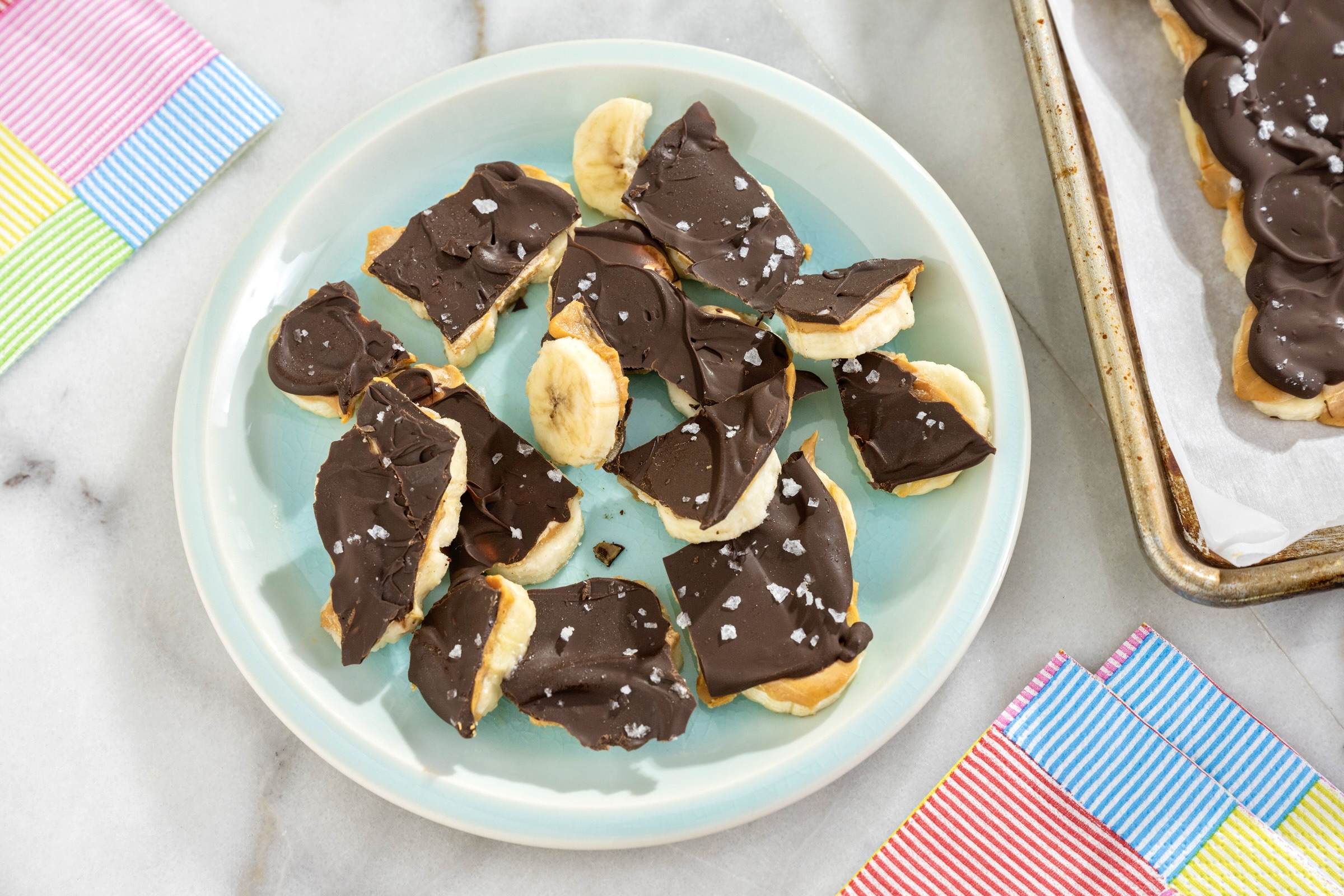 Homemade chocolate chip banana bark, a perfect use for frozen chocolate chips
Image source: fountainavenuekitchen.com
Homemade chocolate chip banana bark, a perfect use for frozen chocolate chips
Image source: fountainavenuekitchen.com
Common Mistakes to Avoid
Even small errors in storage or thawing can ruin your frozen chocolate chips. Avoid these common pitfalls to keep your chips fresh and flavorful:
- Skipping airtight packaging: Even a small amount of air exposure leads to freezer burn, which gives chips a stale, icy texture and off flavor. Always press out excess air from bags, or use a vacuum sealer for bulk batches.
- Storing near the freezer door: Temperature fluctuations from opening the freezer cause condensation to form on the bag when you remove it, leading to sugar bloom. Store chips in the back of the freezer on a shelf that stays consistently cold.
- Thawing and refreezing repeatedly: Every thaw introduces moisture and temperature changes that degrade texture and flavor. Portion chips into small bags before freezing, so you only thaw what you need for a single recipe.
- Using thin or non-freezer-safe packaging: Paper bags, regular plastic wrap, or containers with loose lids let air and moisture in. Use heavy-duty freezer bags, airtight containers, or vacuum-sealed bags for best results.
- Forgetting to label bags: Unmarked bags of chocolate lead to recipe mishaps, like using white chocolate in a recipe that calls for semi-sweet. Always write the type and freeze date on every bag.
To keep your freezer organized and easy to navigate, use stackable metal racks for kitchen storage to portion and label multiple baking ingredients at once.
 Frozen chocolate covered treats made with stored chocolate chips
Image source: courtneyssweets.com
Frozen chocolate covered treats made with stored chocolate chips
Image source: courtneyssweets.com
How to Spot Spoiled or Low-Quality Frozen Chocolate Chips
Frozen chocolate chips can last for years, but they will eventually degrade in quality. Here’s how to tell if your chips are still good to use:
Appearance Changes
Look for white, gray, or yellowish spots on the surface of the chips: this is fat or sugar bloom, which is not a food safety risk, but may give the chips a chalky texture for snacking. You can still use bloomed chips for baking or melting with no impact on flavor. Cracks, crumbling texture, or a dull, dusty appearance mean the chips have suffered severe freezer burn and will taste stale. If you see any fuzzy mold (green, black, or white fuzz) on the chips, discard them immediately.
Smell and Taste
Fresh chocolate chips have a rich, sweet cocoa aroma. If you smell sour, musty, rancid, or like old paint, the cocoa butter in the chips has gone rancid, and they should be thrown out. If they smell fine but taste bitter, sour, or waxy, they’re past their prime and will ruin your baked goods, so it’s best to discard them.
If you’re serving baked goods made with chocolate chips to a crowd, display food allergy awareness posters to alert guests to common allergens like dairy and soy found in most chocolate chips.
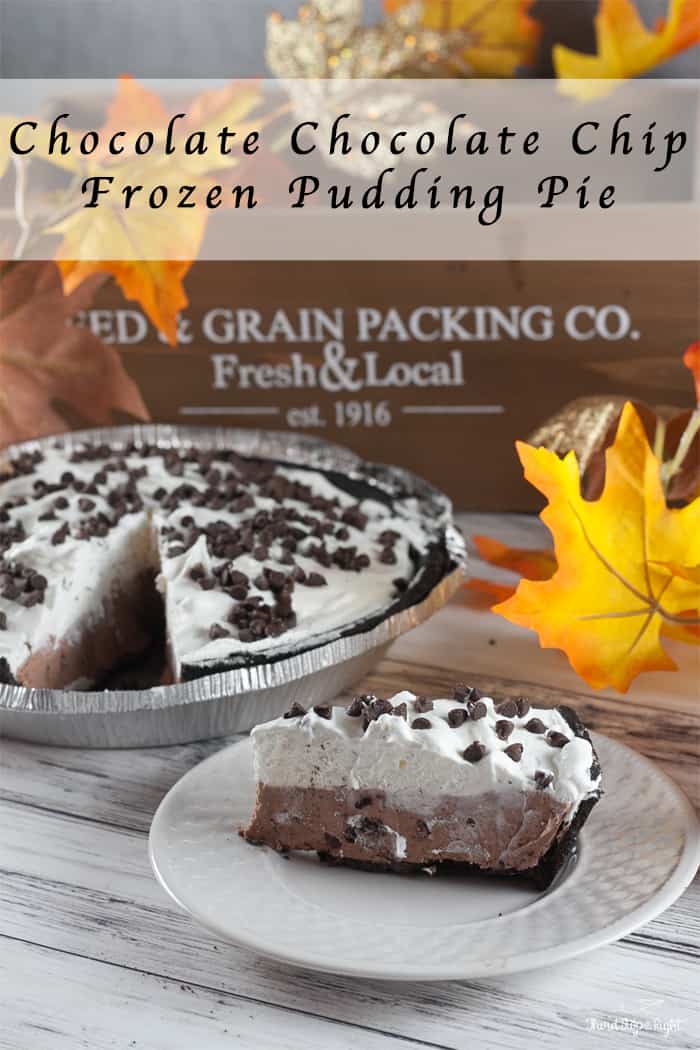 Frozen chocolate pudding pie, a creamy dessert using thawed chocolate chips
Image source: thirdstopontheright.com
Frozen chocolate pudding pie, a creamy dessert using thawed chocolate chips
Image source: thirdstopontheright.com
Frequently Asked Questions
Can chocolate chips be frozen for long-term storage?
Yes. When stored in an airtight, moisture-proof container at 0°F (-18°C) or lower, chocolate chips maintain their best quality for 16 to 24 months. They remain safe to eat indefinitely as long as they are kept frozen and protected from air and moisture, though flavor and texture may start to degrade after 2 years.
Will freezing chocolate chips affect their texture or flavor?
No, if stored and thawed correctly. Freezing slows the degradation of cocoa butter and flavor compounds, so chips taste nearly identical to fresh ones when used within the recommended storage window. The only common texture change is mild fat bloom if exposed to air, which does not impact taste in baked goods or melted chocolate.
Can I use frozen chocolate chips directly in baking without thawing?
Yes, and this is often recommended for most recipes. Frozen chips melt slower than room-temperature ones, creating distinct, gooey chocolate pockets in cookies, muffins, and pancakes instead of fully incorporating into the batter. For recipes where you want even chocolate distribution, toss frozen chips in a tablespoon of flour before adding them to the batter to prevent sinking.
Do I need to thaw chocolate chips before melting them for ganache or drizzle?
Yes, for the smoothest results. Thaw fully at room temperature for 20 to 30 minutes before melting. If you melt frozen chips, you risk uneven heating, which can cause the cocoa butter to separate and create a grainy, lumpy texture. Melt in short 10-second bursts at 50% power, stirring between each burst, to avoid scorching.
Can I freeze homemade chocolate chips or chocolate chunks?
Yes, homemade chocolate chips or chunks freeze just as well as store-bought ones. Follow the same airtight packaging and storage rules, and use within 12 months for best flavor, since homemade versions often lack the preservatives found in commercial products.
Final Tips for Freezing Chocolate Chips
Freezing chocolate chips is one of the easiest, most low-effort ways to cut food waste, save money on bulk baking ingredients, and always have your favorite sweet treat on hand for last-minute recipes. The key rules to remember are simple: use airtight, moisture-proof packaging, store in the back of your freezer at a consistent 0°F (-18°C), portion into small bags to avoid repeated thawing, and label every package with the type and date.
Whether you’re prepping for holiday cookie swaps, stocking up on sale finds, or just tired of throwing out stale half-bags of chips, freezing is a no-brainer hack that keeps your chocolate tasting fresh for up to two years. For more kitchen storage tips, tested baking recipes, and easy cooking hacks to make your time in the kitchen easier, check out our full blog for new content added weekly.

Hi, I’m Daniel Brooks—a food lover and kitchen gear enthusiast. I enjoy testing cookware, utensils, and gadgets to see what really works in everyday cooking. At PlugChef.com, I share honest reviews, comparisons, and simple guides to help you choose the best tools for a safer, smarter, and more enjoyable kitchen.
Related posts:
 How to Make a Fruit Basket for a Gift: Easy DIY Guide
 Do You Need a Basket? Essential Guide for Air Fryers
 Brown Kitchen Cabinets With Stainless Steel Appliances: Modern Elegance
 White Appliances in Kitchen Design: Elevate Your Space
 Kitchen Appliances Stainless Steel Vs White: Ultimate Showdown
 Kitchen Appliances Made in Usa: Quality and Innovation

