
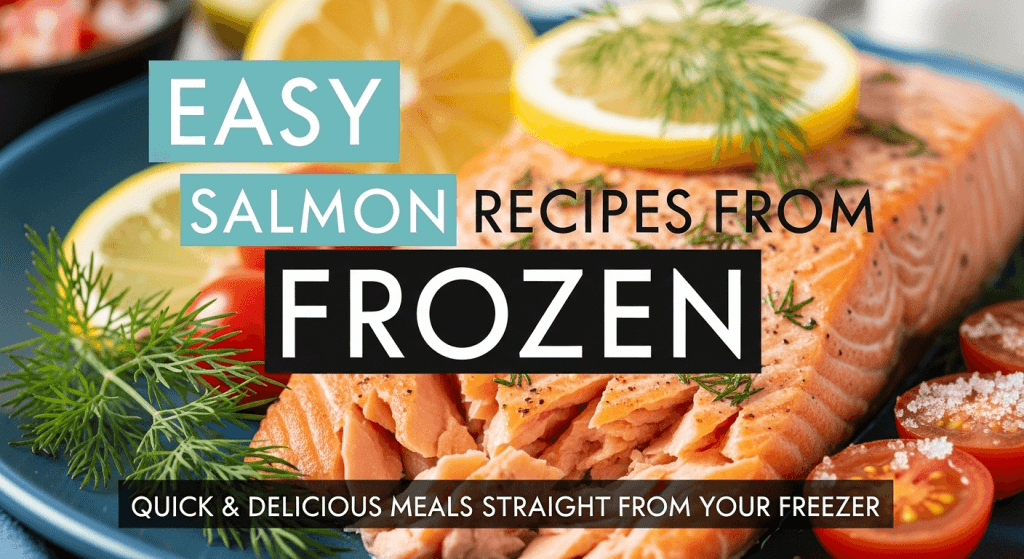
Forgetting to thaw salmon ahead of time is one of the most common reasons busy home cooks reach for takeout instead of a healthy, home-cooked meal. The good news? Cooking salmon straight from frozen is not only possible — it’s often easier, faster, and just as nutritious as cooking fresh fillets, with zero planning required. Whether you’re short on time, looking to cut down on food waste, or want a protein-packed meal that’s ready in 20 minutes or less, frozen salmon is a versatile, affordable staple that fits perfectly into any weeknight routine. In this guide, we’ll break down the best methods, recipes, pro tips, and safety guidelines to help you turn plain frozen fillets into quick, tasty, and healthy meals every time.
 Frozen salmon fillets retain their peak freshness and nutrients when flash-frozen, making them just as nutritious as fresh salmon when cooked correctly.
Why Cooking Salmon Straight from Frozen Is a Game-Changer
Many home cooks assume frozen salmon is lower quality than fresh, but modern flash-freezing technology locks in nutrients and flavor at the peak of freshness, often within hours of the fish being caught. Cooking from frozen eliminates the need for advance planning, reduces food waste, and delivers consistent, delicious results with minimal effort. For more on this, see our guide on healthy frozen meals trader joes.
Save Hours of Meal Prep Time
Thawing fresh salmon in the refrigerator can take 12-24 hours, and last-minute microwave thawing often leads to mushy, unevenly cooked fillets. Cooking frozen salmon straight from the freezer cuts total meal prep time by 30-45 minutes, making it ideal for busy weeknights, last-minute guests, or days when you don’t feel like grocery shopping. In practice, you can pull a pack of frozen fillets from the freezer and have a complete dinner on the table in under 30 minutes, no planning required.
Lock in Maximum Nutrients
Flash-freezing preserves salmon’s high levels of omega-3 fatty acids, B vitamins, protein, and minerals that can degrade during the transport and storage of "fresh" salmon. Thawing fresh salmon often causes nutrient-rich liquid to leach out, which is typically discarded before cooking — cooking from frozen eliminates that loss entirely. A common myth is that frozen salmon is less healthy than fresh, but this is only true for poorly stored fish with added fillers or preservatives. For more on this, see our guide on best chicken tortilla soup recipes.
Reduce Food Waste and Save Money
Frozen salmon is often 20-30% cheaper per pound than fresh, and it stays safe to eat for 6-12 months when stored properly at 0°F (-18°C), so you always have a healthy protein on hand without worrying about spoilage. Buying in bulk and portioning fillets before freezing also means you only cook what you need, reducing the risk of throwing away forgotten fresh salmon that has gone bad in the fridge. If you’re looking for more quick, affordable meal ideas, our Whole30-friendly meal prep ideas have dozens of options to cut down on cooking time without sacrificing flavor.
How to Choose the Best Frozen Salmon for Optimal Flavor
Not all frozen salmon is created equal — the variety, packaging, and storage of your fillets will make a big difference in the final texture and taste of your meal. For more on this, see our guide on best crock pot vegetarian recipes.
Best Salmon Varieties for Freezing
Skin-on varieties (sockeye, coho, and Atlantic farmed salmon) hold up best during cooking from frozen, as the skin protects the flesh from drying out and prevents sticking during flipping. Skinless fillets are more likely to fall apart during cooking, so they’re better suited for recipes where you’ll be flaking the salmon into salads or bowls. Keta (chum) salmon is leaner and works best for recipes with bold sauces or glazes that add moisture, while king (Chinook) salmon’s high fat content makes it extra forgiving and rich, even when cooked from frozen.
What to Look for (and Avoid) When Buying
- Look for vacuum-sealed packaging with no visible ice crystals or freezer burn, which indicates the salmon was properly stored and never partially thawed and refrozen.
- Avoid packages with added brine, sauces, or preservatives if you want to control sodium and flavor.
- Check the "best by" date and opt for the freshest package available, even if it’s a few months past the catch date, as long as it’s been frozen continuously.
- Wild-caught frozen salmon often has a firmer texture and more robust flavor than farmed, but both work well for most recipes.
Proper Storage to Maintain Quality
Store frozen salmon in the coldest part of your freezer, away from the door, to avoid temperature fluctuations that cause freezer burn. If you buy a large bulk pack, portion fillets into individual serving sizes before freezing, so you only cook what you need. For best quality, use frozen salmon within 3 months, though it remains safe to eat indefinitely if kept at 0°F. Just like precise trim work for home projects requires the right tools, proper storage ensures your salmon stays fresh and flavorful for months. For more on this, see our guide on no red sauce pasta recipes.
Essential Tools & Pantry Staples for Frozen Salmon Success
You don’t need fancy gear to cook great frozen salmon — most of the tools you need are already in your kitchen.
Basic Kitchen Equipment You Already Own
- A non-stick or cast iron skillet for pan-searing, or a rimmed baking sheet for oven-baking and sheet-pan meals.
- A fish spatula (or thin, flexible metal spatula) for flipping fillets without breaking them.
- An instant-read meat thermometer to check for perfect doneness without overcooking.
- A silicone hot handle holder for safe handling of hot bakeware and pans.
- Optional: an air fryer for ultra-crispy results in half the time of oven-baking.
- For safe, non-toxic cooking, use non-toxic cooking utensils for safe meal prep to avoid introducing harmful chemicals to your food.
Versatile Seasonings and Marinades
Keep these staples on hand to turn plain frozen salmon into any flavor profile you crave:
- Base seasonings: kosher salt, freshly ground black pepper, garlic powder, smoked paprika.
- Fresh aromatics: lemon, garlic, fresh dill, parsley, cilantro, ginger.
- Glaze ingredients: honey, maple syrup, low-sodium soy sauce (or tamari for gluten-free), Dijon mustard, sriracha.
- Fats: olive oil, avocado oil, butter (or vegan butter) for richness.
- Fresh lemon juice, along with other multi-purpose lemon juice for kitchen hacks, adds a bright, zesty finish to any salmon dish.
5 No-Fuss Frozen Salmon Cooking Methods
All methods below work for 6-8 oz frozen salmon fillets, unless otherwise noted. Always pat fillets dry with a paper towel before seasoning to help crisp the skin and help seasonings adhere.
1. Oven-Baking (Most Forgiving)
Preheat oven to 425°F (220°C). Line a rimmed baking sheet with parchment paper or a silicone mat. Place frozen fillets skin-side down, brush with 1 tsp oil per fillet, season generously, and add lemon slices or fresh herbs on top if desired. Bake for 20-25 minutes, until the internal temperature reaches 145°F (63°C) and the flesh flakes easily with a fork. For extra moisture, add 2 tbsp of water or broth to the corner of the baking sheet before cooking. Using best oil sprayers for even, mess-free cooking helps you get an even crisp on salmon skin without excess grease. For more on this, see our guide on can you get sick from drinking old opened.
2. Pan-Seared (Crispiest Skin)
Heat 1 tbsp of oil in a non-stick or cast iron skillet over medium heat. Place frozen fillets skin-side down in the pan, season the top side, and cook for 7-9 minutes without moving the fillet — this lets the skin crisp and release naturally from the pan. Flip carefully and cook for another 4-6 minutes, until the internal temperature hits 145°F. Finish with a squeeze of fresh lemon and a pat of butter for extra richness.
3. Air Fryer (Fastest, Crispiest Results)
Preheat air fryer to 400°F (200°C). Brush frozen fillets with oil, season, and place in the air fryer basket in a single layer, leaving space between fillets for air circulation. Cook for 12-15 minutes, flipping halfway through, until the internal temperature reaches 145°F. This method yields ultra-crispy skin and tender flesh in half the time of oven-baking.
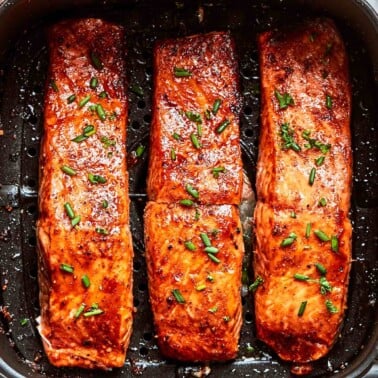 Air fryer frozen salmon cooks in under 15 minutes for a crispy, restaurant-quality result with minimal cleanup.
Image source: thebigmansworld.com
Air fryer frozen salmon cooks in under 15 minutes for a crispy, restaurant-quality result with minimal cleanup.
Image source: thebigmansworld.com
4. Grilled (Smoky, Charred Flavor)
Preheat grill to medium-high heat (400°F / 200°C) and lightly oil the grates with a high-heat oil like avocado oil to prevent sticking. Place frozen fillets skin-side down on the grill, close the lid, and cook for 8-10 minutes. Flip carefully and cook for another 3-5 minutes, until the internal temperature hits 145°F. For easy cleanup after grilling, use a bristle-free steam cleaning scrubber to wipe down grates without damaging them.
5. Poached (Tender, Moist Results for Salads and Bowls)
Bring 2 inches of simmering (not boiling) salted water or broth to a low boil in a deep skillet. Add frozen fillets, cover, and cook for 10-12 minutes, until the internal temperature reaches 145°F. Poached salmon is perfect for flaking into salads, pasta, or rice bowls, as it stays extra moist and mild in flavor. For ultra-quick prep when using salmon in salads or bowls, you can microwave frozen fillets on high for 8-10 minutes, turning halfway through, though this method won’t give you a crispy crust.
Quick, Tasty, and Healthy Frozen Salmon Recipes
All recipes serve 2, use 6-oz frozen salmon fillets, and cook to an internal temperature of 145°F for safety. Prep time is 5 minutes or less for every recipe. If you want more ideas, our frozen salmon fillet recipes for every taste have dozens of variations to try.
1. 3-Ingredient Maple Mustard Glazed Salmon
Sweet, tangy, and ready in 20 minutes, this glaze requires zero prep work.
- Ingredients: 2 tbsp Dijon mustard, 1 tbsp pure maple syrup, 1 tsp garlic powder.
- Instructions: Mix glaze ingredients in a small bowl. Brush over frozen salmon fillets, then bake at 425°F for 20-22 minutes, until the glaze caramelizes and the salmon flakes easily. Serve with roasted veggies or over a bed of greens.
2. Lemon Herb Sheet Pan Salmon with Veggies
A one-pan meal with zero cleanup, perfect for busy nights.
- Ingredients: 2 frozen salmon fillets, 1 cup broccoli florets, 1 cup sliced bell peppers, 2 tbsp olive oil, 1 lemon (zest and juice), 1 tsp dried oregano, ½ tsp salt, ¼ tsp black pepper.
- Instructions: Toss veggies with 1 tbsp oil, lemon zest, oregano, salt, and pepper on a rimmed baking sheet. Roast for 10 minutes, then add salmon fillets brushed with remaining oil, lemon juice, salt, and pepper to the sheet. Return to the oven for 15-20 minutes, until salmon is cooked through and veggies are tender.
3. Spicy Cajun Blackened Salmon
Bold, zesty, and perfect for serving over rice or with a side of roasted potatoes.
- Ingredients: 2 tbsp low-sodium Cajun seasoning, 1 tbsp olive oil, 2 frozen salmon fillets.
- Instructions: Brush fillets with oil, rub generously with Cajun seasoning, then pan-sear skin-side down for 7-9 minutes. Flip and cook for 4-6 more minutes, until the internal temperature reaches 145°F. The seasoning forms a crisp, flavorful crust that pairs perfectly with the tender, flaky flesh.
4. Honey Soy Glazed Salmon with Sesame
A savory-sweet take that’s ready in 25 minutes, great for meal prep.
- Ingredients: 2 tbsp low-sodium soy sauce (or tamari), 1 tbsp honey, 1 tsp grated fresh ginger, 1 tsp sesame oil, 1 tsp toasted sesame seeds for garnish.
- Instructions: Mix soy sauce, honey, ginger, and sesame oil in a small bowl. Brush over frozen salmon fillets, then bake at 425°F for 20-22 minutes, until the glaze is sticky and caramelized. Garnish with sesame seeds and serve with steamed rice or quinoa.
5. Garlic Butter Pan-Seared Salmon
Rich, buttery, and ready in 15 minutes, this is a weeknight staple.
- Ingredients: 2 tbsp unsalted butter, 2 cloves garlic (minced), 2 frozen salmon fillets, 1 tbsp fresh parsley (chopped), 1 lemon wedge.
- Instructions: Melt butter in a skillet over medium heat, add garlic and sauté for 30 seconds until fragrant. Add frozen fillets skin-side down, cook for 7-9 minutes, then flip and cook for 4-6 more minutes. Baste the top of the fillets with the garlic butter while cooking. Garnish with parsley and a squeeze of fresh lemon before serving. For a special occasion, try adding a crab topping to your baked salmon using tips from our crab-topped baked salmon for special occasions guide.
Pro Tips to Avoid Common Frozen Salmon Mistakes
Even experienced cooks run into issues with frozen salmon — these tips will help you get perfect results every time:
- Pat fillets dry before seasoning: Excess ice on the surface of frozen salmon will melt during cooking, creating steam that prevents crispy skin and stops seasonings from sticking. A quick pat with a paper towel makes all the difference.
- Don't flip too early: When pan-searing or grilling, wait 7-9 minutes before flipping — the skin will naturally release from the pan or grates when it's crispy. Flipping too early will tear the skin and leave you with a messy, stuck fillet.
- Avoid overcrowding pans: If cooking multiple fillets, leave 1 inch of space between each to allow air to circulate. Overcrowding causes the salmon to steam instead of sear, leading to soggy skin and bland flavor.
- Skip the microwave thaw: Thawing frozen salmon in the microwave cooks the edges of the fillet, leading to a mushy, uneven texture. It's always better to cook salmon straight from frozen for the best results.
- Use a meat thermometer: Overcooking is the most common mistake with frozen salmon, as it takes longer to cook through. A thermometer takes the guesswork out, so you never end up with dry, tough fish. Aim for 145°F in the thickest part of the fillet for safe, perfectly cooked salmon.
- For a tangy, sticky glaze, try our tangy brown sugar mustard honey glaze for fish that pairs perfectly with both salmon and white fish.
Food Safety Guidelines for Frozen Salmon
Cooking frozen salmon is safe as long as you follow basic food safety rules. The USDA recommends cooking all fish to an internal temperature of 145°F (63°C), measured with a food thermometer inserted into the thickest part of the fillet, to kill harmful bacteria like Salmonella and Listeria. Official USDA fish safety guidance outlines additional best practices for handling and storing raw fish.
- Never rinse raw salmon before cooking, as this can spread bacteria around your sink and kitchen surfaces.
- Use separate cutting boards, utensils, and plates for raw salmon and other foods to avoid cross-contamination. Learn about maintaining wooden cutting boards for food safety to extend their lifespan and reduce bacterial growth.
- Cooked salmon should be cooled within 2 hours of cooking and stored in an airtight container in the refrigerator for up to 3-4 days, or frozen for up to 2 months.
- Frozen salmon remains safe to eat indefinitely if stored continuously at 0°F (-18°C), though it will have the best flavor and texture if used within 3 months of purchase. After handling raw salmon, use our easy kitchen sink cleaning hacks to sanitize your sink and prevent cross-contamination.
Healthy Side Dish Pairings for Frozen Salmon
Round out your meal with these quick, nutritious sides that pair perfectly with any frozen salmon recipe:
- Roasted root vegetables: Toss carrots, sweet potatoes, and parsnips with olive oil and rosemary, and roast alongside your salmon on a sheet pan for a zero-cleanup meal. For a balanced, filling meal, pair your salmon with roasted sweet potato using tips from our salmon and sweet potato recipes for balanced meals.
- Quinoa or brown rice: Cook a batch ahead of time for a quick, fiber-rich base for your salmon. For extra flavor, cook the grains in low-sodium broth instead of water. For a hands-off, hearty side, try slow cooker brown rice recipes for easy sides that pair perfectly with salmon.
- Steamed green vegetables: Broccoli, asparagus, or green beans steam in 5 minutes and add a bright, fresh contrast to rich salmon. Follow proper storage tips for fresh produce to keep your side dishes crisp and fresh alongside your salmon.
- Fresh salad: Toss mixed greens, cherry tomatoes, cucumber, and avocado with a lemon vinaigrette for a light, refreshing side. For an easy appetizer or light side, serve with a creamy plant-based dip like our creamy vegan artichoke white bean dip for a flavorful, protein-packed addition. These side ideas work as well as pairings for tenderloin and other proteins, so you can use them for multiple meals throughout the week.
- Just like cooking frozen squash for quick side dishes, frozen salmon cooks quickly with minimal prep for a full meal in under 30 minutes.
Frequently Asked Questions
Can I cook salmon directly from frozen without thawing?
Yes, and it's actually the preferred method for most cooking styles to avoid the mushy texture that can come from thawing. Cooking time is typically 1.5x longer than fresh salmon, and you don't need to adjust your recipe — just pat the fillets dry, season, and cook as directed.
How long does frozen salmon take to cook?
Cooking time varies by method: oven-baking takes 20-25 minutes at 425°F, pan-searing takes 11-15 minutes total, air frying takes 12-15 minutes, and grilling takes 11-15 minutes total. Always check for doneness with a meat thermometer to ensure it reaches 145°F.
Is frozen salmon as healthy as fresh salmon?
Yes, when properly stored and cooked. Flash-freezing locks in nutrients at the peak of freshness, so frozen salmon often has equal or higher nutrient content than fresh salmon that has been transported and stored for several days. Look for wild-caught or responsibly farmed options with no added fillers for the best nutritional profile. Pairing your salmon meal with clean drinking water for better health helps you maximize the nutritional benefits of your meal.
Can I marinate frozen salmon?
Yes, but it's best to marinate after cooking for the strongest flavor, or marinate while the salmon thaws in the refrigerator for 1-2 hours. Avoid marinating frozen salmon at room temperature, as this can lead to bacterial growth.
What's the best way to reheat leftover frozen salmon?
Reheat leftover salmon gently in the oven at 300°F for 10-12 minutes, or in a skillet over low heat with a splash of broth or water to prevent drying. Avoid microwaving, as it can make the salmon rubbery.
Conclusion
Cooking easy salmon recipes from frozen is one of the simplest ways to get a quick, tasty, and healthy meal on the table with zero planning. With the right methods and a few simple seasonings, you can turn plain frozen fillets into restaurant-quality dishes in 20 minutes or less, no thawing required. Whether you prefer crispy skin-on pan-seared salmon, sweet glazed baked fillets, or smoky grilled cuts, frozen salmon is a versatile, affordable staple that fits perfectly into any busy schedule. If you love quick, flavorful meals, instant pot bo kho for cozy weeknight meals is another great option for busy nights. For nights when you want even faster meals, creamy penne chicken broccoli for family meals is a hit with kids and adults alike. These meals are perfect for anyone looking for easy recipes for new parents with limited time, or anyone who wants a healthy dinner without the hassle. For a special occasion, swap salmon for shrimp in creamy shrimp asparagus pasta for date night for a decadent, restaurant-quality meal. Try one of the recipes above this week, and experiment with your favorite flavor combinations to keep meals exciting. For more quick, healthy weeknight meal ideas, browse our full library of easy, tested recipes to cut down on cooking time without sacrificing flavor. Keep your kitchen floor dry with a non-slip kitchen rug to prevent slips while handling hot cookware.

I’m Abby Lu, a passionate home cook who loves simplifying everyday meals. At PlugChef.com, I share product reviews and cooking guides to help you find the best tools for your kitchen.
Related posts:
 How to Make a Fruit Basket for a Gift: Easy DIY Guide
 Do You Need a Basket? Essential Guide for Air Fryers
 How to Dispose of Small Kitchen Appliances: Easy & Eco-Friendly Tips
 Kitchen White Cabinets Stainless Appliances: Timeless Elegance
 How to Hide Appliances in a Kitchen: Clever Design Tips
 Where to Sell Old Kitchen Appliances: Top Platforms Revealed

