
You reach for the half-empty plastic water bottle on your desk that’s been sitting there for three days, twist off the cap, and pause: is this still safe to drink? You’re not alone in this daily dilemma—most people have wondered if old opened bottled water poses a health risk, especially if it’s been left in a hot car or forgotten in a gym bag. The short answer is yes, you can get sick in rare cases, but the actual risk is far lower than popular myths suggest for most healthy people. In this guide, we’ll break down evidence-based guidance from the U.S. Food and Drug Administration (FDA) and CDC to help you make safe, informed choices about your hydration, no unnecessary fear-mongering required. The U.S. Food and Drug Administration (FDA), which regulates all commercially sold bottled water as a packaged food product, sets strict safety standards for bottling facilities to minimize initial contamination risk U.S. FDA bottled water safety standards.
:strip_icc()/how-to-remove-water-stains-from-wood-1-5663121-b2f22185559a4c848075fc662c087021.jpg) An opened bottle left at room temperature, especially in heat, is at higher risk of bacterial contamination and chemical leaching.
Credit: www.bhg.com
An opened bottle left at room temperature, especially in heat, is at higher risk of bacterial contamination and chemical leaching.
Credit: www.bhg.com
What Happens to Opened Bottled Water Over Time?
Unopened, commercially regulated bottled water is sealed in a sterile, tested environment and remains safe indefinitely if stored in a cool, dark place, per FDA guidance. The moment you twist off the cap, however, you expose the water to new contaminants that can affect its safety and quality over time. Below are the three key changes that occur in opened bottled water:
Bacterial Contamination
When you open a bottled water bottle, you expose it to air, bacteria from your mouth (if you sip directly from the bottle), and environmental contaminants from the cap or surrounding surfaces. Unlike unopened water, which is sealed in a sterile environment, opened water becomes a potential breeding ground for microbes. In practice, the most common bacteria found in opened bottled water are normal oral flora (like Streptococcus and Staphylococcus species) introduced when you drink from the bottle, rather than rare dangerous pathogens like E. coli, which are almost never present in commercially regulated sealed water. Bacteria multiply fastest at room temperature (68–72°F / 20–22°C), so water left out on a desk will see bacterial counts rise far faster than water stored in the fridge.
Chemical Leaching from Plastic
Most single-use bottled water is sold in polyethylene terephthalate (PET) plastic, which does not contain bisphenol A (BPA) — a common outdated myth that still circulates online. That said, trace amounts of other chemicals, like antimony, can leach from PET plastic into water when bottles are exposed to high heat (above 120°F / 49°C) or direct sunlight for extended periods. For context, the EPA sets a maximum safe limit for antimony in drinking water of 6 parts per billion, and leaching from a single bottle left in a hot car for a day rarely exceeds 0.5 parts per billion, posing minimal risk for occasional consumption. Repeated exposure to heavily leached water, however, may pose longer-term risks, so it’s best to avoid drinking water stored in hot conditions regularly. Reusable stainless steel or glass bottles have virtually no leaching risk, making them a safer long-term option.
 Storing opened bottled water in a hot car accelerates bacterial growth and plastic chemical leaching.
Credit: www.springwellwater.com
Storing opened bottled water in a hot car accelerates bacterial growth and plastic chemical leaching.
Credit: www.springwellwater.com
Quality vs. Safety
Many people confuse expiration dates on bottled water with safety deadlines, but the FDA does not require expiration dates on bottled water at all. The dates printed on most bottles are for optimal taste quality, not safety: unopened bottled water stored in a cool, dark place will remain safe to drink indefinitely, though it may develop a slight plastic taste after 1–2 years. Once opened, however, the introduction of contaminants means safety declines over time, regardless of the printed date.
Real Health Risks of Drinking Old Opened Bottled Water
Not all old opened water will make you sick, but there are documented risks to be aware of, especially for vulnerable groups like children, elderly adults, and people with compromised immune systems:
Mild, Short-Term Gastrointestinal Illness
The most common risk of drinking old opened water is mild stomach upset, caused by bacteria introduced via saliva or contaminated caps. Symptoms include nausea, stomach cramps, diarrhea, and occasional vomiting, and usually resolve on their own within 24–48 hours without medical treatment. A common mistake people make is assuming that clear, odorless water is always safe, but bacteria that cause mild GI illness often don’t change the water’s appearance or smell.
Rare Pathogen Exposure
While extremely uncommon for commercially regulated bottled water, old opened water can harbor dangerous pathogens like E. coli or Salmonella if the bottle was contaminated before opening (for example, if the cap was touched with unwashed hands after opening) or stored in unsanitary conditions (like next to raw meat in a fridge). These pathogens cause more severe illness, including high fever, bloody diarrhea, and dehydration, and require medical attention in most cases.
Allergic Reactions from Mold
Pure water alone cannot support mold growth, as mold requires organic material (like saliva, food particles, or dust) to thrive. If you see mold in an opened water bottle, it’s almost always from introduced contaminants, not the water itself. For people with mold allergies or asthma, exposure to mold in contaminated water can trigger respiratory symptoms, including wheezing, coughing, and congestion.
Long-Term Chemical Exposure Risks
There is no conclusive evidence that occasional consumption of water with trace leached chemicals causes long-term health issues like cancer or hormone disruption for most people. That said, regular consumption of water stored in hot conditions (like a car left in the sun for weeks) may lead to higher cumulative exposure to leached chemicals, so it’s best to avoid this habit long-term.
How to Tell if Your Opened Bottled Water Has Gone Bad
Relying on your senses is the easiest way to avoid drinking contaminated water. Look out for these clear warning signs:
- Off taste or odor: Fresh bottled water should be tasteless and odorless. A sour, plastic-y, or foul smell is a clear sign of contamination, even if the water looks clear.
- Cloudiness or visible particles: Clear water should be fully transparent. Cloudiness, floating specks, or sediment indicate bacterial growth or foreign contamination.
- Damaged or dirty caps: Cracks in the bottle cap, visible grime, or mold growth on the lid mean bacteria can easily enter the water, even if the bottle is sealed.
- Questionable storage history: If the bottle has been left in a hot car, garage, or direct sunlight for more than 24 hours, or has been open for more than a week, it’s safer to discard it even if no other warning signs are present.
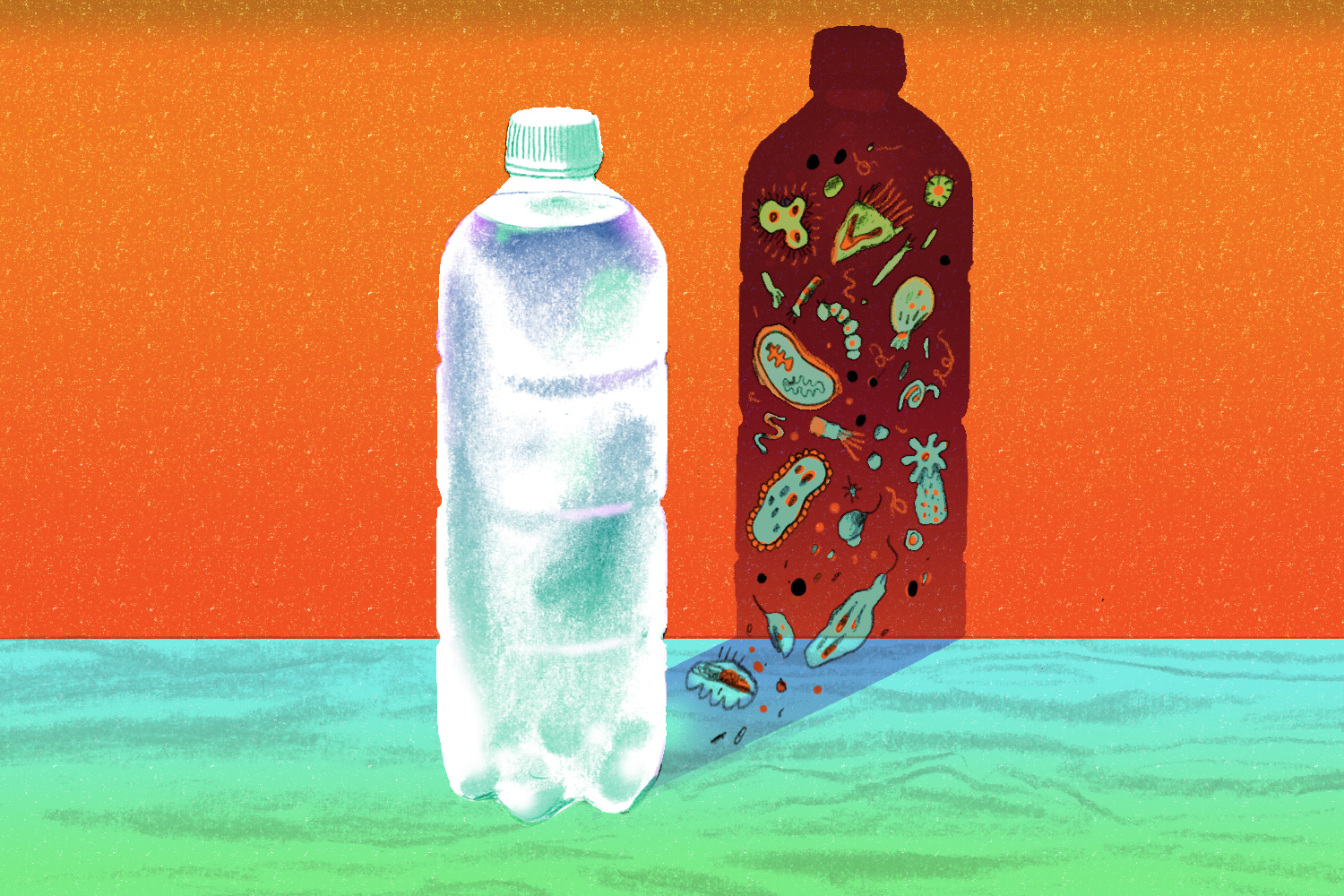 Checking for off odors or unusual tastes is the fastest way to identify contaminated opened water.
Credit: time.com
Checking for off odors or unusual tastes is the fastest way to identify contaminated opened water.
Credit: time.com
Safe Storage and Consumption Timeframes for Opened Bottled Water
Following simple storage guidelines can drastically reduce your risk of illness from old opened water. For evidence-based guidance on storing drinking water safely, the CDC recommends sealing containers tightly and storing them in cool, dark locations away from heat sources CDC safe drinking water storage guidelines:
- Refrigerated opened water: Safe to drink for 3–7 days if sealed tightly after each use. The cold temperature slows bacterial growth significantly.
- Room temperature (cool, dark) opened water: Safe for 1–2 days, as long as it’s stored away from direct sunlight and heat sources.
- Hot environment opened water (e.g., left in a car): Discard after 24 hours, as temperatures above 90°F (32°C) accelerate bacterial growth and chemical leaching rapidly.
- Best storage practices:
- Seal the cap tightly after every use to prevent contaminants from entering.
- Store in the refrigerator if you won’t finish the bottle within 24 hours.
- Avoid sharing water bottles, as this introduces additional bacteria from other people’s saliva.
- Never store opened water near cleaning chemicals, pesticides, or other hazardous substances to avoid cross-contamination.
Common Myths About Old Opened Bottled Water
Misinformation about bottled water safety is widespread online. Let’s clear up the most common myths that lead to unnecessary waste or risk:
Myth 1: Unopened bottled water expires and becomes unsafe after its printed date
Fact: The FDA does not require expiration dates on bottled water, as properly sealed, regulated bottled water remains safe indefinitely if stored in a cool, dark place. Printed dates are for quality (taste) only, not safety.
Myth 2: All plastic water bottles contain BPA and leach harmful levels of chemicals
Fact: Nearly all single-use bottled water is sold in BPA-free PET plastic. While trace chemicals can leach from plastic when exposed to high heat, levels are almost always below EPA safety limits for occasional consumption.
Myth 3: You will definitely get sick if you drink a week-old opened bottle of water
Fact: Risk depends on storage conditions, your immune status, and how the bottle was handled. Many healthy people drink week-old opened water stored in the fridge with no adverse effects, but it is not recommended as a regular habit, as bacterial counts rise over time.
Sustainable Alternatives to Single-Use Bottled Water
If you’re looking to reduce plastic waste and avoid the hassle of worrying about old opened water, these alternatives are safe, cost-effective, and eco-friendly:
Reusable Water Bottles
Stainless steel, glass, and BPA-free plastic reusable bottles are a one-time investment that eliminates the need for single-use plastic. Stainless steel keeps water cold for 12+ hours and doesn’t leach chemicals, while glass is completely non-porous and won’t retain flavors. To keep reusable bottles safe, wash them daily with hot soapy water and a bottle brush, and sanitize weekly with a diluted bleach solution (1 teaspoon bleach per quart of water) to kill hidden bacteria.
Home Water Filtration Systems
Faucet-mounted, under-sink, or pitcher water filters certified by NSF International remove impurities like chlorine, lead, and microplastics from tap water, providing safe, great-tasting water at a fraction of the cost of bottled water. For context, the average American spends $100+ per year on bottled water, while a high-quality pitcher filter costs $20–$30 per year to maintain.
Public Water Access
Most U.S. cities have safe, regulated public tap water, and many public spaces (parks, gyms, community centers) offer free water refill stations. For on-the-go hydration, carry a reusable bottle and refill it at public fountains to avoid single-use plastic waste.
Frequently Asked Questions
How long is opened bottled water safe to drink?
Opened bottled water is safe for 3–7 days if stored in the refrigerator and sealed tightly after each use. At room temperature, it’s safe for 1–2 days, and should be discarded after 24 hours if left in a hot environment like a car.
Can you get sick from drinking water left in a hot car?
Yes, water left in a hot car can develop high levels of bacteria and leach trace chemicals from plastic, increasing your risk of mild gastrointestinal illness. It’s best to discard any opened water left in a car for more than 24 hours.
Does the expiration date on bottled water mean it’s unsafe after that date?
No. The FDA does not require expiration dates on bottled water, and unopened bottled water remains safe indefinitely if stored properly. Printed dates are for optimal taste quality only, not safety.
Can mold grow in opened bottled water?
Mold can only grow in opened bottled water if organic material (like saliva, food particles, or dust) is introduced, as pure water does not support mold growth. If you see mold in a water bottle, discard the water immediately and clean the bottle thoroughly.
Is it safe to drink opened bottled water that’s been frozen and thawed?
Yes, freezing opened bottled water does not make it unsafe, though it may affect the taste. As long as the bottle was sealed properly before freezing and shows no signs of contamination after thawing, it is safe to drink.
Final Verdict
Drinking old opened bottled water can make you sick, but the risk is relatively low for most healthy people if the water was stored properly. The most common issues are mild, short-term gastrointestinal illness from bacteria introduced via saliva or contaminated caps, with rare cases of severe pathogen exposure or allergic reactions from mold. Chemical leaching from plastic is minimal under normal storage conditions, and unopened bottled water remains safe indefinitely regardless of printed expiration dates. To stay safe, refrigerate opened water, seal it tightly after each use, avoid leaving it in hot environments, and toss it if it smells, tastes, or looks off. For more evidence-based guidance on safe hydration, food storage, and reducing household plastic waste, explore our related guides to keep your family healthy and your environmental footprint low.

I’m Abby Lu, a passionate home cook who loves simplifying everyday meals. At PlugChef.com, I share product reviews and cooking guides to help you find the best tools for your kitchen.
Related posts:
 How Do You Pronounce Colander: Clear Guide & Tips
 Is Nylon Or Silicone Better for Cooking Utensils: Ultimate Guide
 How to Cut Skirt Board for Stair: Expert Tips & Techniques
 Vintage First Aid Kit Metal Box: Timeless Safety and Style
 First Aid Kit for Restaurant: Essential Safety Gear You Need Today
 First Aid Kit for Sports: Essential Items for Quick Injury Care

