
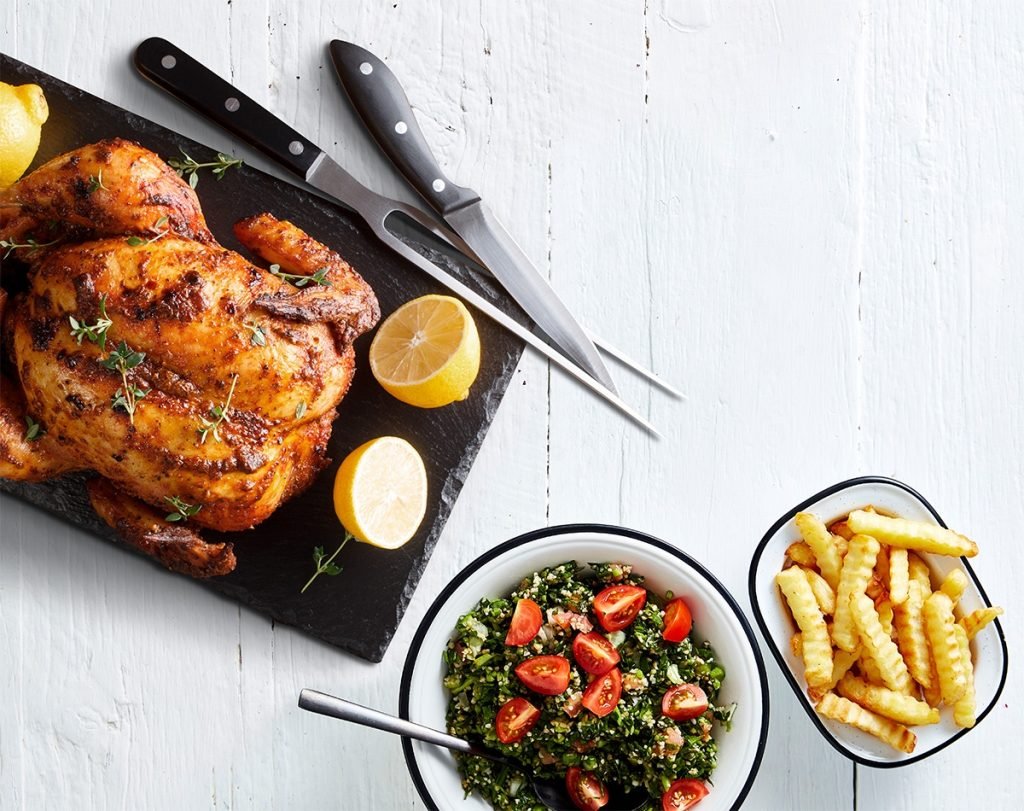
If you’ve ever stood in the grocery store poultry section staring at two seemingly identical whole chickens labeled “roaster” and “fryer,” you’re not alone. These USDA-mandated classifications aren’t just marketing labels — they signal critical differences in age, size, texture, and ideal cooking methods that can make or break your dish. Pick the wrong bird for your recipe, and you’ll end up with dry, tough meat or undercooked, bland poultry. This guide breaks down every key difference between roaster and fryer chicken, with actionable tips to help you choose the right bird every time, no guesswork required.
What Are Roaster and Fryer Chickens, Exactly?
These terms are not arbitrary marketing labels — they are official classifications defined by the U.S. Department of Agriculture to standardize poultry sold across the United States, so you know exactly what you’re getting no matter which store you shop at.
USDA Poultry Classification Basics
The USDA grades whole chickens based on three core factors: age at processing, weight, and muscle development. Fryer, roaster, and stewing hen are the three most common whole-bird grades for home cooks, with fryers and roasters making up the vast majority of whole chicken sales. The classification directly correlates to the bird’s texture, flavor, and ideal cooking use case.
Roaster Chicken Defined
A roaster is an older, larger bird processed at 8–12 weeks of age, weighing between 5 and 7 pounds at processing. It has fully feathered, firm flesh, a thicker layer of subcutaneous fat under the skin, and larger, more developed bones. Its dense muscle fibers and higher collagen content make it well-suited to slow, low-heat cooking methods that break down connective tissue for tender, juicy results.
Fryer Chicken Defined
A fryer is a young, smaller bird processed at 6–8 weeks of age, weighing between 2.5 and 4 pounds at processing. It has soft, downy feathers, delicate, underdeveloped muscle fibers, minimal connective tissue, and a thin layer of fat under the skin. Its tender texture and small size make it ideal for fast, high-heat cooking methods that lock in moisture without overcooking the meat.
Roaster vs Fryer Chicken: Side-by-Side Comparison
For a quick at-a-glance reference, use this table to match the bird to your needs:
| Category | Roaster Chicken | Fryer Chicken |
|---|---|---|
| Weight | 5–7 pounds | 2.5–4 pounds |
| Age at Processing | 8–12 weeks | 6–8 weeks |
| Muscle Development | Fully developed, dense muscle fibers | Underdeveloped, delicate muscle fibers |
| Fat Distribution | Thicker subcutaneous fat layer, moderate intramuscular fat | Thin subcutaneous fat, minimal intramuscular fat |
| Ideal Cooking Methods | Whole roasting, braising, stock making | Frying, grilling, air frying, quick pan-roasts |
| Average Total Cook Time (whole bird) | 2–2.5 hours (at 325°F) | 1–1.5 hours (at 375°F) |
| Internal Temp Target | 165°F (74°C) in thickest part of breast/thigh | 165°F (74°C) in thickest part of breast/thigh |
| Best Use Cases | Family dinners, meal prep, soups, stews, stock | Weeknight meals, fried chicken, grilled dishes, small households |
Texture, Flavor, and Nutritional Differences
While the two birds share a base of high-quality protein, their age and development lead to distinct differences in eating experience and nutritional profile.
Tenderness and Texture
Fryer chickens have underdeveloped muscles and very little connective tissue, so their meat stays tender and juicy even when cooked quickly over high heat. If you overcook a fryer, however, its delicate muscle fibers will seize up and turn dry in minutes. Roaster chickens have denser, more developed muscles and higher collagen content, which breaks down slowly over low, steady heat to produce fall-apart tender meat. If you cook a roaster too quickly over high heat, the exterior will burn long before the thick breast meat is cooked through, leaving you with tough, chewy results. A common mistake I see home cooks make is trying to deep-fry a whole roaster, expecting it to cook in 20 minutes like a fryer — this never ends well.
Flavor Profile
Fryer chickens have a mild, neutral chicken flavor, as their diet is almost exclusively starter feed, and their fat is less concentrated. This makes them a blank canvas for bold marinades, spices, and sauces. Roaster chickens have a deeper, more robust “chicken-forward” flavor, as they typically eat a more varied diet (including grains and forage for free-range varieties) and have more mature, flavorful fat that renders slowly and bastes the meat as it cooks.
Nutritional Profile
Per 3.5-ounce serving of roasted meat (skin on), roaster chicken has slightly higher protein content and lower total fat than fryer chicken, as their more active lifestyle builds more lean muscle. Roasters also contain marginally more iron due to their mature muscle development. Fryers have slightly higher fat content (concentrated mostly under the skin) and higher levels of niacin and phosphorus. Both are excellent sources of B vitamins, zinc, and lean protein when prepared without excess added oil or butter.
Best Cooking Methods for Each Bird
Matching your cooking method to the bird’s natural traits is the easiest way to get perfect results every time.
Perfecting Roaster Chicken Dishes
Roasters are built for low-and-slow cooking that breaks down their dense connective tissue. Their ideal use cases include:
- Whole slow roasting for family dinners
- Braising for stews, coq au vin, or chicken cacciatore
- Homemade stock, as their large, marrow-rich bones produce a far more flavorful base than fryer carcasses
Actionable tips for perfect roaster chicken:
- Truss the bird (tie the legs together with kitchen twine) for even cooking.
- Start at 425°F for 15 minutes to crisp the skin, then lower heat to 325°F to cook through (about 15–20 minutes per pound).
- Baste every 30 minutes with pan juices to keep the meat moist.
- Let the bird rest for 15 minutes after cooking before carving to lock in juices.
Getting the Most Out of Fryer Chicken
Fryers shine with fast, high-heat cooking that preserves their delicate, juicy texture. Their ideal use cases include:
- Deep frying or air frying for crispy chicken pieces
- Grilling for summer cookouts
- Quick whole roasts for 1–2 person meals
- Cutting into parts for weeknight sheet pan dinners
Actionable tips for perfect fryer chicken:
- Pat the skin completely dry before cooking for maximum crispness.
- Brine for 1–2 hours before frying to keep the meat juicy, even with high heat.
- Cook whole fryers at 375°F for 20–25 minutes per pound, or cut into parts for faster cooking (8–12 minutes for wings, 12–15 minutes for thighs).
- Avoid overcrowding the pan when frying, as this drops the oil temperature and leads to greasy, soggy skin.
When prepping either bird, always start by washing your hands thoroughly, and make sure all your prep surfaces follow proper kitchen sanitation protocols to avoid cross-contamination with raw poultry. If you’re cutting a fryer into parts for frying or grilling, use a sharp knife on a sturdy cutting board, and follow proper board care to prevent bacterial growth between uses. While your roaster slow-cooks for 2+ hours, you might need to open a cold beverage without a dedicated opener for a quick sip while you baste the skin. If your roasting pan ends up with stuck-on browned bits after cooking, you can lift them easily without harsh scrubbing using a paste of equal parts vinegar and baking soda.
Common Mistakes to Avoid
Even experienced home cooks make these errors when working with whole chicken:
- Choosing the wrong bird for your recipe: If you need a meal ready in 30 minutes, a roaster will leave you with undercooked meat. If you’re making fried chicken, a roaster will result in a burnt exterior and raw interior.
- Skipping the rest period: Both birds need 10–15 minutes of rest after cooking before carving. Cutting into them immediately will cause all the juices to run out onto your cutting board, leaving the meat dry.
- Relying on timer alone instead of a meat thermometer: Bird size and oven temperature vary, so always use an instant-read meat thermometer to confirm the thickest part of the breast and thigh reaches 165°F.
Storage and Leftover Tips
Both cooked chickens will stay fresh in an airtight container in the refrigerator for 3–4 days, or in the freezer for up to 3 months. Roaster leftovers are ideal for shredding for tacos, sandwiches, or soups, as their firmer meat holds up well to reheating. Fryer leftovers are perfect for cold chicken salad, wraps, or quick reheating in the air fryer to re-crisp the skin. You can also use the carcass of either bird to make homemade stock, but roaster carcasses yield richer, more flavorful stock due to their larger bones and higher marrow content. For full guidance on safe leftover handling and storage, check out practical food storage guides on our site.
Frequently Asked Questions
What is the actual difference between roaster and fryer chicken?
The core difference comes down to age and weight, as defined by USDA grading standards. Fryers are processed at 6–8 weeks old and weigh 2.5–4 pounds, while roasters are 8–12 weeks old and weigh 5–7 pounds. This difference in maturity directly impacts their texture, flavor, and ideal cooking methods.
Which chicken is better for roasting?
A roaster chicken is the best choice for whole roasting, as its size and firmer meat hold up to long, slow cooking, yielding juicy, flavorful results. That said, a fryer works for quick whole roasts if you’re feeding 1–2 people and need a meal ready in under an hour.
Can I substitute a fryer for a roaster (or vice versa) in a recipe?
Yes, but you’ll need to adjust cooking times. If a recipe calls for a roaster and you only have a fryer, reduce total cook time by 30–40% to avoid overcooking. If you’re using a roaster instead of a fryer, add 30–40% more cook time, and consider spatchcocking the bird to reduce cooking time and ensure even doneness.
Are roaster or fryer chickens safer to eat?
Both meet the same USDA food safety standards at processing, so there is no safety difference between the two. Regardless of which bird you select, always cook to the USDA Food Safety and Inspection Service’s safe minimum internal temperature of 165°F to eliminate harmful bacteria like Salmonella and Campylobacter, which can cause foodborne illness if poultry is undercooked.
Which is more budget-friendly?
Fryer chickens have a lower upfront cost per bird, making them a better pick for small households or quick meals. Roasters have a higher upfront cost, but their larger size means they provide more servings per dollar, making them more cost-effective for feeding 4 or more people, or for meal prepping leftovers.
Conclusion
Roaster and fryer chickens may look nearly identical in the grocery store, but their differences in age, size, and texture mean they’re suited for entirely different cooking tasks. Fryers are your go-to for quick, high-heat meals like frying, grilling, or fast weeknight roasts, with tender, mild meat that cooks in under an hour. Roasters are built for low-and-slow cooking, delivering rich, robust flavor and juicy meat perfect for whole roasts, braises, and homemade stock. The next time you’re shopping for poultry, match the bird to your recipe and timeline — your taste buds will thank you. Ready to put your new knowledge to work? Try slow-roasting a 5-pound roaster this weekend for a hearty family dinner, or air-fry a 3-pound fryer for a crispy, quick weeknight meal, and taste the difference for yourself.
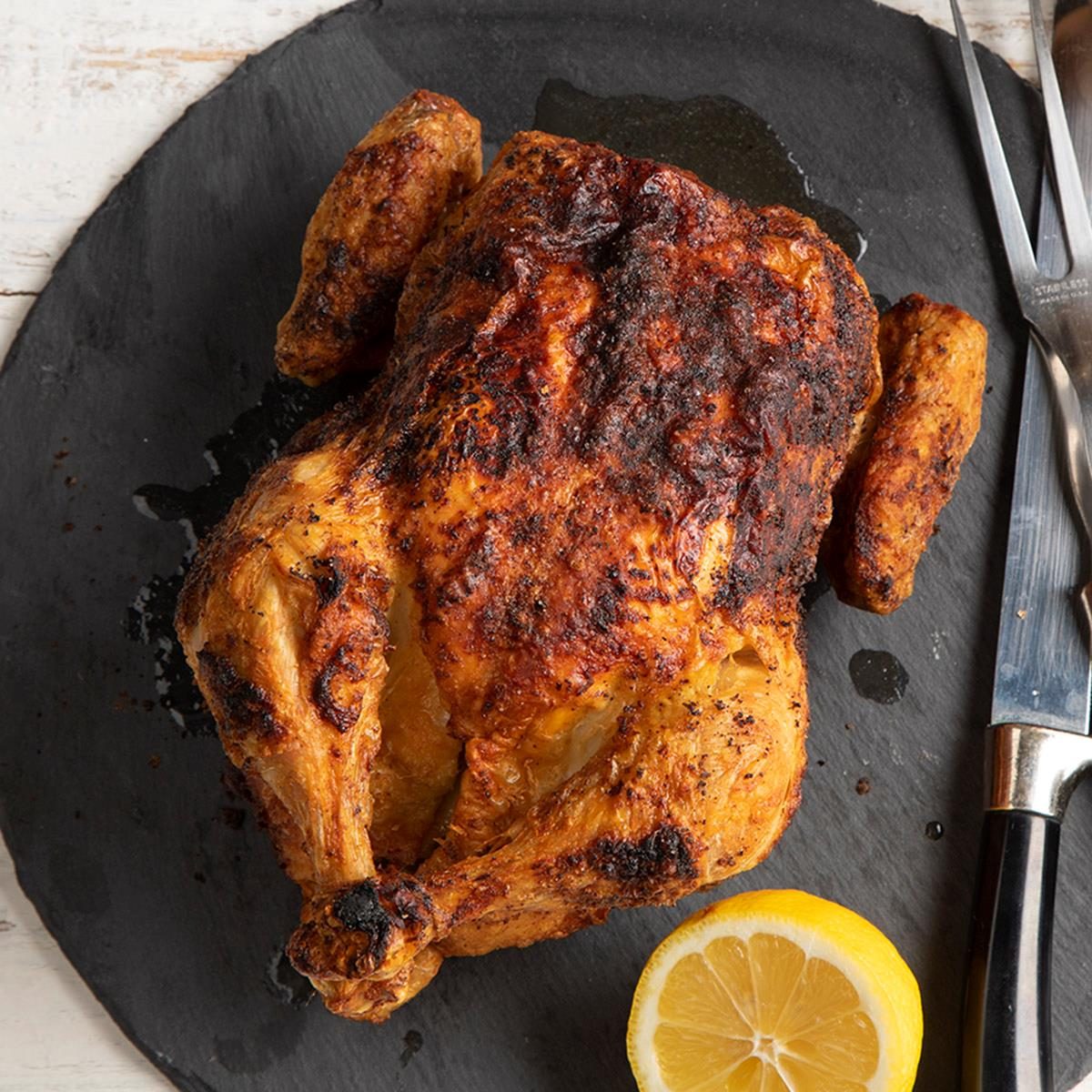 A perfectly roasted whole bird, ideal for family dinners and leftover meal prep.
Credit: www.tasteofhome.com
A perfectly roasted whole bird, ideal for family dinners and leftover meal prep.
Credit: www.tasteofhome.com
 Fryer chicken is the top choice for quick, crispy fried dishes.
Credit: www.express.co.uk
Fryer chicken is the top choice for quick, crispy fried dishes.
Credit: www.express.co.uk
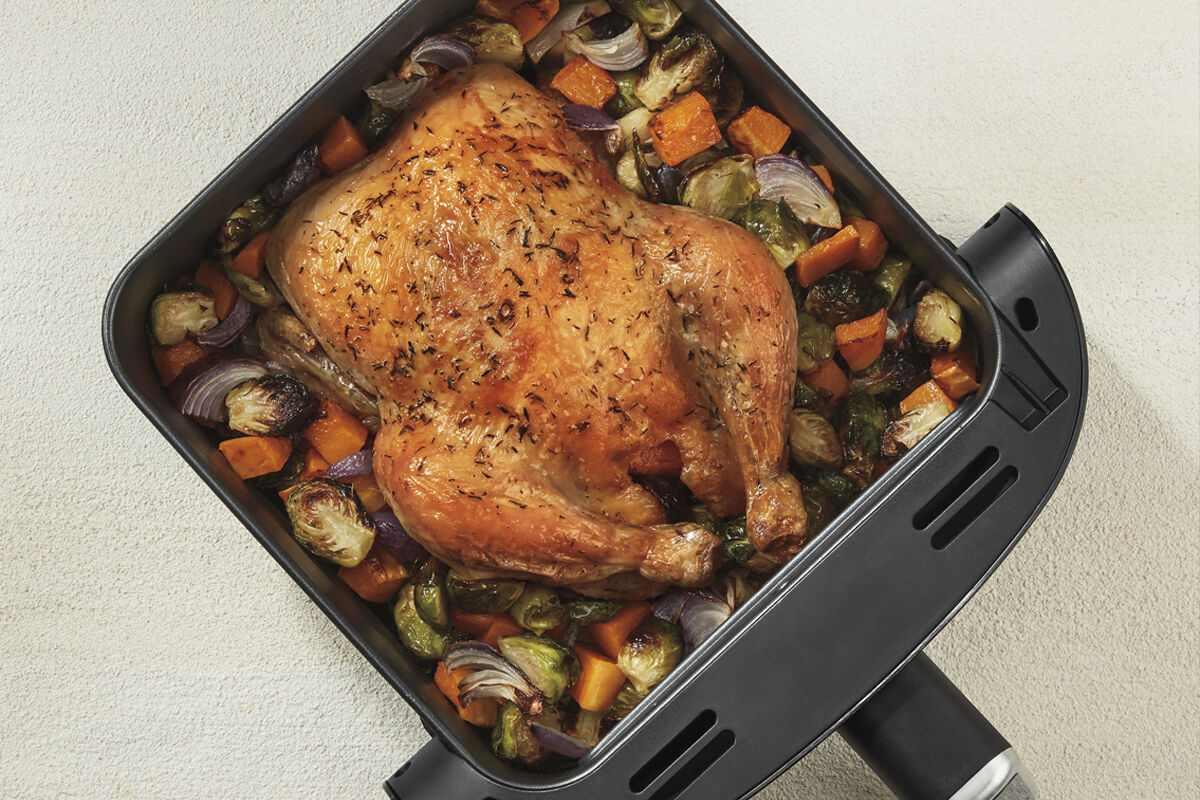 Roaster chickens yield juicy, evenly cooked meat when roasted low and slow.
Credit: www.cuisinart.com —
Roaster chickens yield juicy, evenly cooked meat when roasted low and slow.
Credit: www.cuisinart.com —
More Essential Kitchen Guides
Put your new poultry knowledge to use with our other simple, tested kitchen tutorials: master perfectly blistered shishitos for a fast, smoky side dish, or learn quick avocado ripening tricks to ensure you always have perfectly ripe produce ready for your meals.

I’m Abby Lu, a passionate home cook who loves simplifying everyday meals. At PlugChef.com, I share product reviews and cooking guides to help you find the best tools for your kitchen.
Related posts:
 How to Make a Fruit Basket for a Gift: Easy DIY Guide
 Do You Need a Basket? Essential Guide for Air Fryers
 Small Kitchens With Black Appliances: Maximizing Style
 Allied Blenders And Distillers IPO: Investment Insights
 Whirlpool 4 Piece Kitchen Appliance Package: Ultimate Upgrade
 Kitchen Sink Cleaning: Ultimate Tips for a Sparkling Shine

