
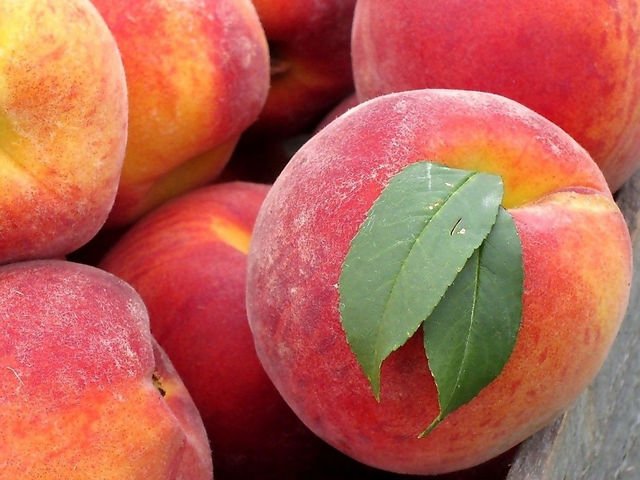
There’s nothing quite like biting into a perfectly ripe peach on a hot summer day—but standing in the produce aisle staring at nearly identical yellow and white peaches, you might wonder if there’s any real difference between the two. Beyond their subtle skin color variations, these varieties have distinct flavor profiles, structural differences, and even small nutritional variations that make each better suited for specific uses, diets, and preferences.
This guide breaks down every key difference between yellow and white peaches, from their taste and texture to their ideal culinary uses, storage tips, and health benefits, so you can make an informed pick the next time you’re stocking up on summer fruit. No guesswork, just clear, practical advice to help you get the most out of every juicy bite.
How to Tell Yellow and White Peaches Apart at the Market
At first glance, yellow and white peaches can look nearly identical, especially if they’re both covered in fuzzy skin and blushed with red. But a few quick checks will help you tell them apart in seconds:
- Skin color: Yellow peaches have a golden-yellow base coat, often with a deep red or orange blush over the top. White peaches have a pale, creamy ivory base, with a lighter pink to red blush that doesn’t cover the entire fruit.
- Flesh color: If you can scratch a small spot on the skin (most vendors allow this for stone fruit), yellow peaches will reveal golden-yellow flesh underneath, while white peaches have bright ivory flesh.
- Varietal clues: Common yellow varieties include Elberta, Georgia Belle, and Suncrest, while popular white varieties include Snow Beauty, Arctic Star, and White Lady. If market signage lists the variety, you can confirm its type instantly.
A common mistake shoppers make is confusing white peaches with donut (or flat) peaches, which are a separate shape variety that can come in either yellow or white flesh. The flat, squashed shape is the only giveaway for donut peaches, not flesh color.
Flavor and Texture Breakdown
The most noticeable difference between yellow and white peaches comes down to their balance of natural sugars and organic acids, primarily malic acid, which gives tart fruits their signature zing. This balance shapes everything from their taste to how they feel when you bite into them.
Sweetness and Acidity
Yellow peaches have a bolder, more complex flavor profile, with a rich, robust sweetness balanced by a bright, tangy acidity. This tang cuts through the sweetness, making them taste less cloying than many other stone fruits, and giving them a slightly zesty finish on the palate.
White peaches, by contrast, have very low malic acid content, so their sweetness is front and center, often described as honeyed, floral, or even slightly perfumed. Many people assume white peaches are less sweet than yellow varieties, but in practice, they have nearly identical sugar content—their low acidity just makes the sweetness taste more pronounced and less sharp.
Flesh Texture
Yellow peaches have firmer, slightly more fibrous flesh that holds up well to heat and handling. When fully ripe, they’re still juicy, but they have a slight "bite" that makes them satisfying to eat fresh, and ideal for recipes where you want the fruit to keep its shape.
White peaches have much softer, silkier flesh that almost melts in your mouth when fully ripe. Their high water content (up to 89% compared to 87% for yellow peaches) makes them exceptionally juicy, but also far more delicate. In practice, white peaches bruise easily when transported, so handle them gently when shopping, and use them within 3-5 days of purchase for the best texture.
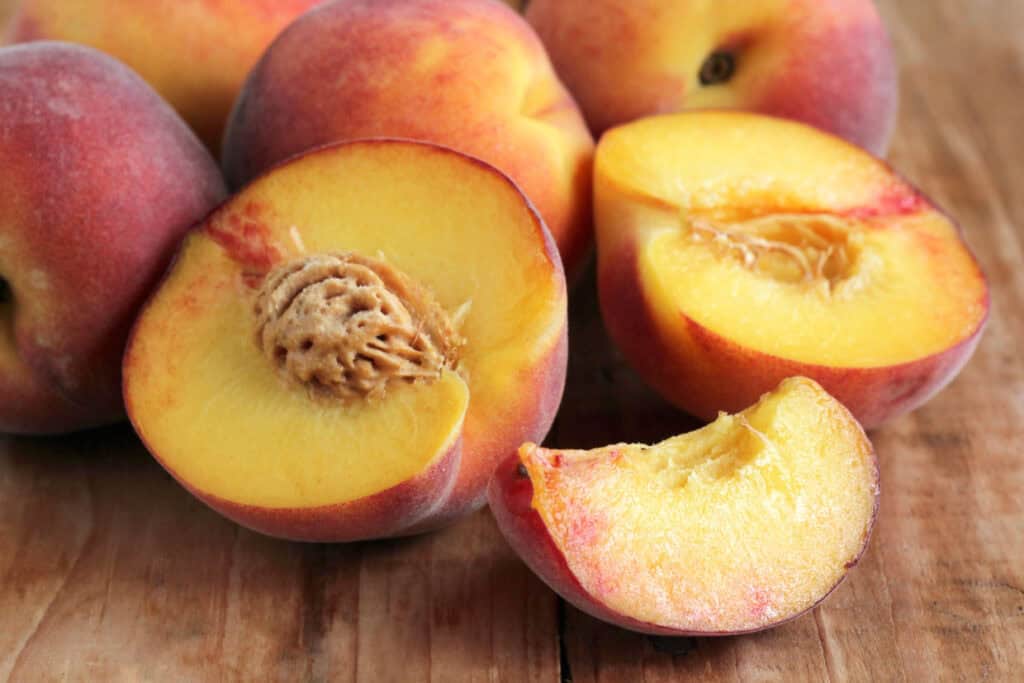 A cross-section reveals the golden flesh of a yellow peach (left) and ivory flesh of a white peach (right).
Credit: www.nbcrightnow.com
A cross-section reveals the golden flesh of a yellow peach (left) and ivory flesh of a white peach (right).
Credit: www.nbcrightnow.com
Nutritional Face-Off
Both yellow and white peaches are low-calorie, nutrient-dense snacks that fit easily into almost any diet, but they have small, targeted differences in their vitamin, mineral, and antioxidant profiles. Verified nutrient data from the USDA FoodData Central confirms the following breakdown for a medium, 150g peach:
| Nutrient | Yellow Peach | White Peach | Key Benefit |
|---|---|---|---|
| Calories | ~60 | ~58 | Low-calorie snack option |
| Natural Sugar | 13g | 12g | Minimal difference for most diets |
| Dietary Fiber | 2.2g | 1.9g | Supports digestion and gut health |
| Vitamin A | 15% DV | 9% DV | Supports eye health and immune function |
| Vitamin C | 10% DV | 12% DV | Supports collagen production and immunity |
| Potassium | 220mg (5% DV) | 210mg (5% DV) | Supports heart and muscle function |
| Antioxidants | Higher beta-carotene, lutein | Higher anthocyanins, chlorogenic acid | Reduces oxidative stress and inflammation |
As the table shows, the differences are minor for most people—unless you have a specific nutrient deficiency or health goal, either variety is an equally healthy pick. The highest concentration of fiber and antioxidants is found in the peach skin, so wash your peaches thoroughly and eat the skin to get the full nutritional benefit.
Culinary Uses: Best Ways to Use Each Variety
The structural differences between yellow and white peaches make each better suited for specific recipes, and using the right variety will drastically improve your final dish.
Best Recipes for Yellow Peaches
Yellow peaches’ firmer flesh and higher pectin content make them ideal for recipes where you want the fruit to hold its shape, even when heated:
- Grilled peach salad: Toss grilled yellow peach slices with mixed greens, crumbled goat cheese, toasted pecans, and a balsamic glaze.
- Peach bourbon BBQ sauce: Simmer chopped yellow peaches with apple cider vinegar, honey, Worcestershire sauce, and a splash of bourbon for a tangy, sweet sauce perfect for grilled chicken or pork.
- Classic peach cobbler: Toss sliced yellow peaches with cinnamon and sugar, top with biscuit or pie crust dough, and bake until golden. Their firm texture means they won’t turn to mush during baking.
- Canned or frozen peaches: Yellow peaches hold their texture far better when preserved, making them the best pick for stocking your pantry or freezer for off-season use.
If you’re prepping peaches for any of these recipes, make sure to properly sanitize your prep surface before handling produce to avoid cross-contamination.
Best Recipes for White Peaches
White peaches’ soft, juicy flesh and floral sweetness make them perfect for fresh, no-cook, or low-heat applications, where their delicate flavor can shine without being broken down:
- White peach bellini: Blend ripe white peach puree with chilled prosecco for a refreshing summer cocktail.
- Peach sorbet: Puree peeled white peaches with a splash of lemon juice and a touch of honey, then freeze for a bright, dairy-free treat.
- Peach yogurt parfait: Layer sliced white peaches with Greek yogurt, granola, and a drizzle of honey for an easy breakfast or snack.
- Fresh peach tart: Arrange thinly sliced white peaches on a pre-baked pastry crust, brush with apricot jam, and serve fresh for a light, elegant dessert.
If your peaches are still firm when you get home from the market, you can ripen fruit quickly at home using a paper bag and a ripe banana or apple to speed up the ripening process.
Universal Pairing Tips
Both peach varieties pair beautifully with a wide range of ingredients to elevate their flavor:
- Cheese: Pair with creamy brie, tangy goat cheese, or salty feta for a balanced sweet-savory bite.
- Herbs: Fresh basil, mint, or thyme enhance their natural sweetness without overpowering them.
- Nuts: Toasted pecans, almonds, or pistachios add a crunchy texture contrast.
- Summer produce: For a bright seasonal side, pair grilled peaches with complementary summer produce prep like roasted shishito peppers.
After prepping, if you have sticky peach residue on your countertops or utensils, cut through tough produce grime with a simple mix of vinegar and baking soda for a streak-free clean.
Growing and Harvesting Basics
While most people buy peaches from the market, understanding how they’re grown can help you pick the freshest fruit and even grow your own tree if you have the space. Research-backed growing guidelines from the UC Davis Fruit & Nut Research & Information Center note that both varieties require full sun (6-8 hours of direct light daily) and well-drained, slightly acidic soil with a pH between 6.0 and 6.8 to thrive.
Climate Preferences
Yellow peaches are generally hardier in hot, dry summer climates, but they require more chill hours (600-900 hours below 45°F) in the winter to produce fruit, making them better suited for cooler northern regions. White peaches need fewer chill hours (400-700), so they grow better in mild winter climates like the Southeast or California.
Both varieties are susceptible to fungal diseases like peach leaf curl, so good air circulation between trees and proper pruning are essential for healthy growth. If you’re growing your own, streamline your kitchen storage in the off-season to make room for your summer harvest.
Harvest Seasons
Harvest timing varies slightly by region and variety, but as a general rule:
- Yellow peaches ripen earlier in the season, with peak harvest running from late May to early August in most U.S. growing regions.
- White peaches ripen 2-3 weeks later, with peak harvest from mid-June to late August.
Peaches are harvested when they’re mature but not fully ripe, to survive transport to grocery stores. Look for fruit that feels heavy for its size, has a sweet, fragrant aroma, and gives slightly to gentle pressure at the stem end—don’t rely on red blush alone, as many varieties develop their red color weeks before they’re fully ripe.
Storage and Shelf Life
Yellow peaches have a slightly longer shelf life than white varieties, thanks to their firmer flesh:
- Store unripe peaches at room temperature, out of direct sunlight, for 2-3 days to ripen. Never refrigerate unripe peaches, as cold temperatures halt the ripening process.
- Once ripe, yellow peaches will keep for 5-7 days at room temperature, or up to 2 weeks in the crisper drawer of your refrigerator.
- White peaches are more delicate, so they only keep for 3-5 days at room temperature once ripe, or up to 1 week in the fridge.
To avoid bruising, store peaches in a single layer in a breathable container or perforated produce bag.
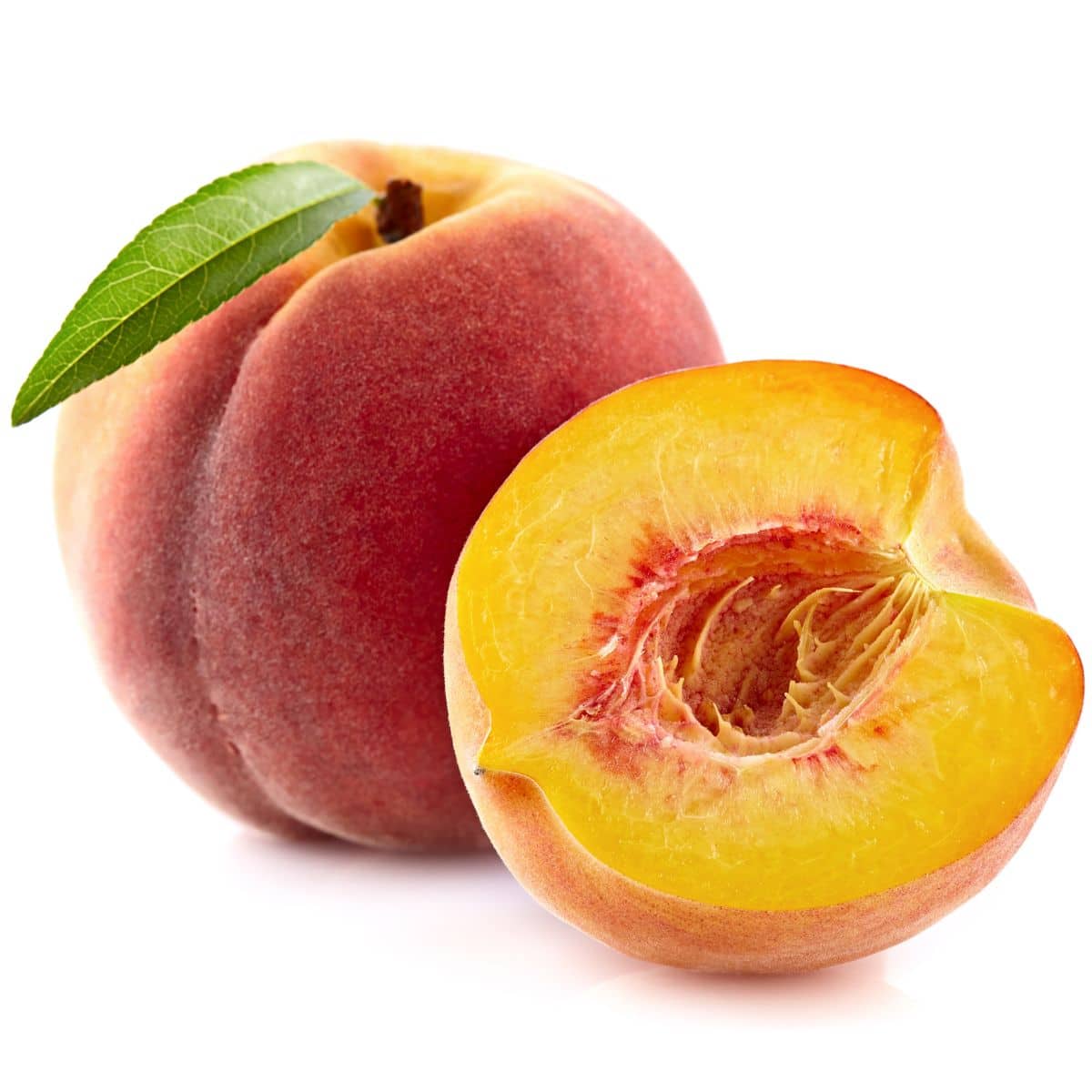 Suncrest is a popular yellow peach variety known for its sweet, tangy flavor and firm texture.
Image source: www.liveeatlearn.com
Suncrest is a popular yellow peach variety known for its sweet, tangy flavor and firm texture.
Image source: www.liveeatlearn.com
Common Peach Myths Debunked
Misinformation about peaches is common, especially around their sweetness and uses. Let’s clear up the most persistent myths:
- Myth: White peaches are less sweet than yellow peaches. Fact: White and yellow peaches have nearly identical sugar content. The lower acid levels in white peaches make their sweetness taste more pronounced and floral, not less sweet.
- Myth: All fuzzy peaches are the same. Fact: Fuzz is a natural protective layer that varies by variety—some peaches have almost no fuzz (called "fuzzless" or "nectarine-peach crosses"), while others are heavily fuzzy. Fuzz amount has no correlation to ripeness or sweetness.
- Myth: You should only eat peaches when they’re fully soft. Fact: Firmer, less ripe peaches are perfect for grilling, baking, and canning, while fully soft, fragrant peaches are best for fresh eating. There’s no "one right" ripeness for all uses.
- Myth: Peaches from the grocery store are always picked unripe and flavorless. Fact: Most commercial peaches are picked at "mature green" stage, when they’ve reached full size but aren’t yet soft. They will ripen fully at room temperature, developing their full flavor and sweetness. The only peaches that are picked truly unripe are those shipped long distances internationally, which rarely happens for U.S.-grown peaches.
Health Benefits: What Each Variety Excels At
Both peach varieties are packed with nutrients that support overall health, but their small compositional differences make each better suited for specific health goals.
Digestive Health
A medium peach of either variety provides ~2g of dietary fiber, which is 7% of your daily recommended intake. This fiber feeds good gut bacteria, supports regular bowel movements, and helps you feel full longer after eating.
Yellow peaches have slightly more insoluble fiber, which adds bulk to stool and supports regularity, making them a good pick if you struggle with occasional constipation. White peaches have more soluble fiber, which feeds beneficial gut bacteria and supports a healthy gut microbiome, which is linked to improved immunity and mood.
Both varieties are 87-89% water, so they also support hydration and help move waste through the digestive tract easily.
Immune and Skin Health
Yellow peaches are one of the best dietary sources of beta-carotene, an antioxidant your body converts to vitamin A. One medium yellow peach provides 15% of your daily vitamin A needs, which supports healthy skin cell turnover, eye health, and immune function. Regular consumption of beta-carotene-rich foods like yellow peaches is also linked to reduced risk of age-related vision loss.
White peaches have slightly higher vitamin C content, with one medium fruit providing 12% of your daily needs. Vitamin C is essential for collagen production, which keeps skin firm and youthful, and supports immune defense against common illnesses like colds and flu. White peaches also contain higher levels of chlorogenic acid, an antioxidant linked to reduced inflammation and improved heart health.
In practice, either variety is a great addition to a balanced diet—if you’re targeting specific health goals, choose yellow for vitamin A and gut regularity, or white for vitamin C and anti-inflammatory benefits.
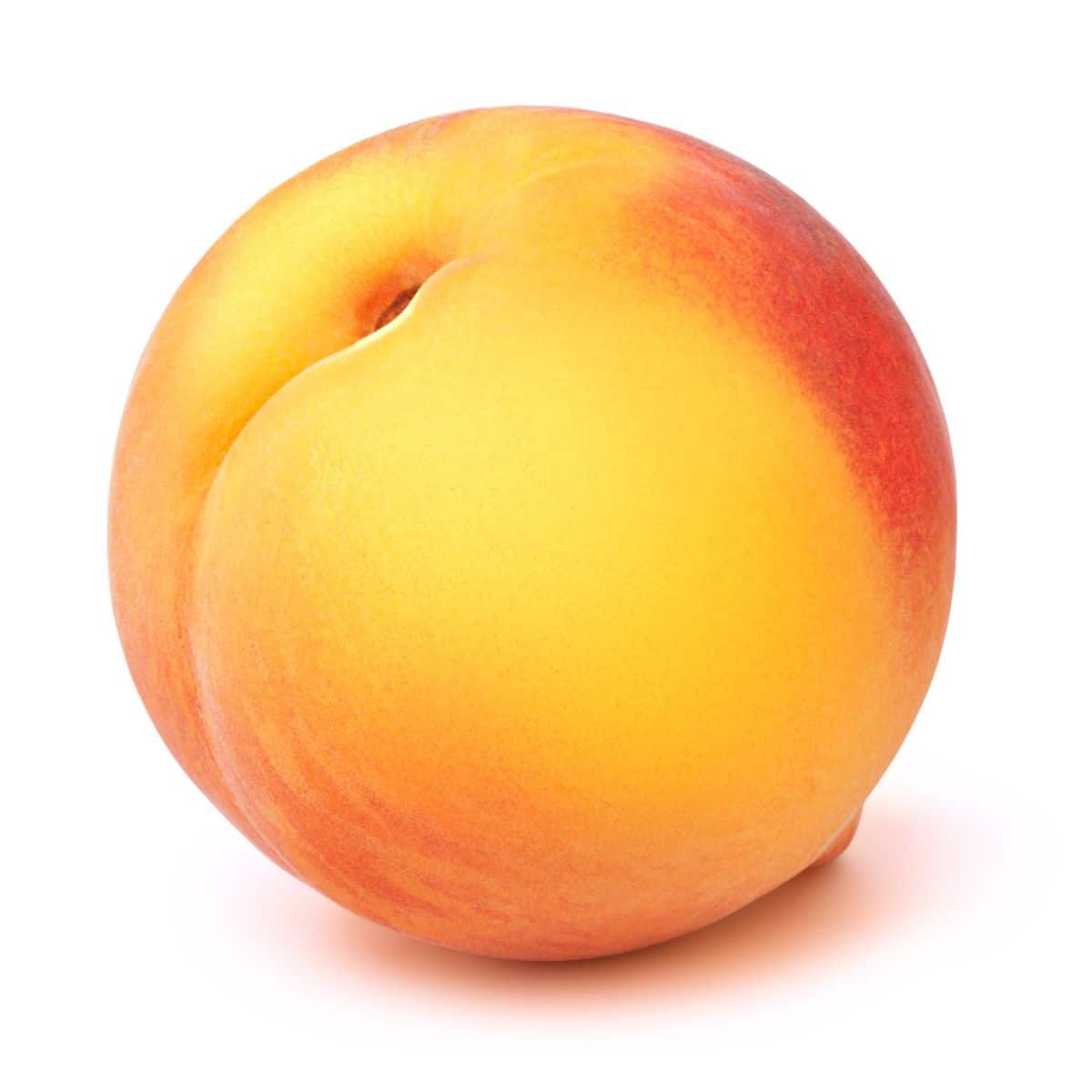 Elberta is a classic white peach variety prized for its floral sweetness and tender flesh.
Image source: www.liveeatlearn.com
Elberta is a classic white peach variety prized for its floral sweetness and tender flesh.
Image source: www.liveeatlearn.com
Frequently Asked Questions
What are the main differences between yellow and white peaches?
The core differences come down to flesh color, acid content, and texture. Yellow peaches have golden flesh, higher malic acid (giving a bright tang), and firmer, slightly fibrous flesh. White peaches have ivory flesh, very low acid (so sweetness is honeyed and floral), and soft, silky flesh that melts when fully ripe. Skin color also varies: yellow peaches have a golden base with red blush, while white peaches have a pale creamy base with lighter pink blush.
Which peach type is better for eating fresh?
Most fresh-eating fans prefer white peaches for their bright, floral sweetness and juicy, tender flesh, but if you enjoy a balance of sweet and tang, ripe yellow peaches are also excellent. Note that white peaches’ high water content can sometimes trigger mild acid reflux in sensitive people, while yellow peaches’ higher acid may also be a trigger—test small amounts first if you have digestive sensitivities.
Are yellow peaches or white peaches better for cooking?
Yellow peaches are the better choice for baked goods, grilled dishes, canning, and any recipe where you want the fruit to hold its shape, thanks to their firmer flesh and higher pectin content. White peaches work well for no-bake desserts, sorbets, sauces, and fresh applications, as they break down quickly when heated; if you use them in baked dishes, add them halfway through cooking to avoid mushiness.
How do yellow and white peaches differ nutritionally?
The differences are minor for most diets: yellow peaches have slightly more vitamin A and insoluble fiber, while white peaches have slightly more vitamin C and anthocyanin antioxidants (concentrated in the skin). Both are low-calorie, low-glycemic, and packed with nutrients, so either is a healthy pick for most people.
How do I pick a perfectly ripe peach, regardless of variety?
Look for fruit that gives slightly to gentle pressure at the stem end, has a strong sweet fragrance, and feels heavy for its size. Avoid peaches with green spots, large bruises, or wrinkled skin. If they’re firm, leave them at room temperature on the counter for 2-3 days to ripen; never refrigerate unripe peaches, as cold temperatures stop the ripening process.
Can I freeze peaches for later use?
Yes! Both varieties freeze well. Slice them, toss with a little lemon juice to prevent browning, and store in an airtight container in the freezer for up to 12 months. Yellow peaches hold their texture better when frozen, but both work well for smoothies, baked goods, and sauces.
Final Verdict: Which Peach Should You Choose?
There’s no universal "best" peach—your ideal pick depends entirely on your taste preferences, how you plan to use the fruit, and any specific health goals you have:
- Choose yellow peaches if you love a balance of sweet and tang, need a firm fruit that holds up to grilling, baking, or canning, or want to boost your vitamin A and insoluble fiber intake.
- Choose white peaches if you prefer soft, floral, honeyed sweetness for fresh eating, no-bake desserts, or sauces, or want to increase your vitamin C and anti-inflammatory antioxidant intake.
If you’re still unsure, grab one of each on your next market trip and test them in a simple recipe—grilled peach salad, a fresh sorbet, or even eaten plain over the sink to avoid the juice running down your arm. Both varieties bring unique, delicious flavor to the table, and there’s no wrong choice when it comes to enjoying peak summer peach season.
Ready to experiment? Pick up a mix of yellow and white peaches this weekend and try them in a simple grilled peach salad with goat cheese and balsamic glaze—you might just find your new summer go-to.

Hi, I’m Daniel Brooks—a food lover and kitchen gear enthusiast. I enjoy testing cookware, utensils, and gadgets to see what really works in everyday cooking. At PlugChef.com, I share honest reviews, comparisons, and simple guides to help you choose the best tools for a safer, smarter, and more enjoyable kitchen.
Related posts:
 How to Make a Fruit Basket for a Gift: Easy DIY Guide
 Do You Need a Basket? Essential Guide for Air Fryers
 Small Kitchens With Black Appliances: Maximizing Style
 Allied Blenders And Distillers IPO: Investment Insights
 Whirlpool 4 Piece Kitchen Appliance Package: Ultimate Upgrade
 Kitchen Sink Cleaning: Ultimate Tips for a Sparkling Shine

