
Meal prepping marinated chicken is a game-changer for busy weeknights – you can have flavorful, ready-to-cook protein on hand in minutes, no last-minute marinating required. But many home cooks hesitate to freeze marinated chicken, worried it will turn mushy, lose its flavor, or even cause foodborne illness. The good news? Freezing marinated chicken is completely safe and effective, as long as you follow a few simple, tested guidelines. In this guide, we’ll break down exactly which marinades freeze best, how to package and store your chicken for maximum quality, safe thawing and cooking methods, and common mistakes to avoid at all costs. By the end, you’ll be able to freeze marinated chicken with confidence, cut down on weekly cooking time, and reduce food waste without sacrificing taste or safety.
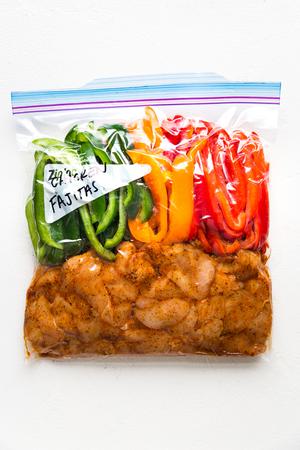 Portioning marinated chicken into individual bags prevents freezer burn and makes thawing faster.
Credit: themodernproper.com
Portioning marinated chicken into individual bags prevents freezer burn and makes thawing faster.
Credit: themodernproper.com
Why Freezing Marinated Chicken Works (and When It Doesn't)
Freezing marinated chicken locks in flavor and cuts down on daily cooking work, but not all marinades and chicken cuts perform equally well in the freezer. Understanding how freezing interacts with your marinade ingredients and meat will help you avoid common texture and flavor pitfalls.
Best and Worst Marinades for Freezing
The ingredients in your marinade are the biggest factor in how well your chicken holds up during freezing and thawing. Oil-based marinades perform best, as the oil creates a protective barrier that shields chicken from ice crystal damage, the main cause of mushy, watery texture after thawing. Mild acidic marinades (citrus, vinegar, yogurt, buttermilk) work for shorter marinating times but can soften chicken texture if left to marinate too long before freezing. Dairy-based and delicate fresh herb marinades perform poorly, as they separate or lose flavor when frozen.
| Marinade Type | Freezing Performance | Best Use Cases |
|---|---|---|
| Oil-based (soy sauce, olive oil, honey, mustard, dried herbs) | Excellent; flavors stay intact, no texture change | Grilled, roasted, or pan-seared chicken of all cuts |
| Mild acidic (citrus, vinegar, yogurt, buttermilk) | Fair; can soften texture slightly, intensify tang | Tender cuts like chicken thighs; limit marinating time to 30–60 minutes before freezing |
| Cream/dairy-based | Poor; separates and becomes grainy when thawed | Avoid freezing entirely; use fresh only |
| Fresh herb-heavy (basil, cilantro, parsley) | Fair; delicate herbs may turn dark or lose brightness | Use dried herbs for freezer-friendly marinades, add fresh herbs after cooking for brightness |
In practice, soy-ginger, honey-mustard, and garlic-herb oil marinades are the most reliable for freezing, as their flavors hold up well and they don’t alter chicken texture.
How Freezing Impacts Chicken Texture and Flavor
Ice crystals form when chicken freezes, and larger crystals (from slow freezing or fluctuating freezer temperatures) puncture muscle fibers, leading to watery, mushy texture after thawing. Fast freezing (by portioning chicken into thin, flat layers) creates smaller ice crystals that cause minimal damage. Flavor is well-preserved when frozen properly: the marinade’s aromatics are locked in with the chicken, though mild flavors like citrus or fresh herbs may mellow slightly. You can easily adjust seasoning after cooking to compensate for this.
For peak quality, use frozen marinated chicken within 3 months. It remains safe to eat for up to 6 months if stored at a consistent 0°F (-18°C), but beyond that, ice crystal damage accumulates, and marinade flavors will fade significantly.
Step-by-Step Guide to Freezing Marinated Chicken for Maximum Quality
Proper preparation and packaging are the difference between perfectly textured, flavorful frozen chicken and a disappointing, freezer-burned mess. Follow these steps for consistent results every time.
Prep Your Chicken and Marinade First
Start with fresh, high-quality chicken (breasts, thighs, tenders, or strips all work well) and trim excess fat to prevent rancidity in the freezer. Pat chicken dry with paper towels before marinating to help the marinade adhere evenly. Marinate for 30 minutes to 2 hours in the refrigerator for best results: this is enough time for salt and aromatics to penetrate the surface of the chicken without breaking down muscle fibers too much, which can lead to mushy texture after thawing. Overnight marinating is also safe, as long as the chicken stays refrigerated the entire time – never marinate chicken at room temperature, as it will sit in the bacterial danger zone (40°F–140°F) where harmful bacteria multiply rapidly. Avoid marinating for more than 24 hours before freezing, as extended exposure to acid or salt can denature proteins and make the chicken tough or mealy.
Always start with proper surface sanitation when prepping raw chicken to avoid cross-contaminating other ingredients.
Package for Zero Freezer Burn
Airtight packaging is non-negotiable to prevent freezer burn, which causes dry, discolored patches on the chicken and absorbs off-flavors from the freezer. Use heavy-duty freezer bags or airtight plastic/glass containers. For bags, squeeze out as much air as possible before sealing, or use a vacuum sealer for the best protection, especially for storage longer than 3 months.
Portion chicken into meal-sized bags (8 oz for single servings, 1 lb for 2–4 people) to avoid thawing more than you need, which reduces refreezing risk. Place bags flat in the freezer to freeze quickly, creating smaller ice crystals that preserve texture. Label each bag with the marinade type and freeze date – you’ll thank yourself when digging through the freezer in 2 months.
Portioning into single-serve bags also helps you optimize freezer storage so you can grab exactly what you need for each meal without digging through unlabeled packages.
Set the Right Freezer Temperature
Per USDA guidelines, your freezer must maintain a temperature of 0°F (-18°C) or lower to safely store poultry. At this temperature, bacterial growth is completely halted, and ice crystal formation is minimized. Fluctuating temperatures from frequent freezer door openings can cause partial thawing and refreezing, which creates larger ice crystals that damage muscle fibers. Use an inexpensive standalone thermometer to monitor your freezer temperature if it doesn’t have a built-in one, especially for chest freezers that can have temperature swings if the lid isn’t sealed properly.
How Long Can You Store Frozen Marinated Chicken?
For peak flavor and texture, use frozen marinated chicken within 3 months. It remains safe to eat for up to 6 months if stored at a consistent 0°F, but beyond that, the marinade flavors will fade significantly, and ice crystal damage will make the chicken drier and softer. Always use a first-in, first-out system, placing newer packages behind older ones so you use the oldest stock first.
Thawing and Cooking Frozen Marinated Chicken the Right Way
How you thaw and cook your frozen marinated chicken will make or break its texture, flavor, and safety. Follow these guidelines for perfect results every time.
Safe Thawing Methods
The safest thawing method is in the refrigerator, which keeps the chicken at a consistent 40°F or below, out of the bacterial danger zone. The 40°F–140°F temperature range is where bacteria like Salmonella and Campylobacter multiply fastest, per CDC safe food handling guidance, so avoid any thawing method that leaves chicken in this range for extended periods. Allow 12–24 hours for thawing, depending on portion size: 8 oz portions thaw in 12 hours, 1 lb portions take 24 hours.
If you need to thaw faster, use the cold water method: place the sealed freezer bag in a bowl of cold water, changing the water every 30 minutes, and cook the chicken immediately after thawing – do not refreeze chicken thawed via this method. Never thaw marinated chicken at room temperature, as it will sit in the bacterial danger zone for 2 or more hours, risking serious foodborne illness.
Pro tip: If you forgot to thaw your chicken, you can cook small portions (8 oz or less) directly from frozen – just add 50% more cook time, and use a meat thermometer to confirm the internal temperature reaches 165°F (74°C).
Preserve Flavor After Thawing
It’s normal for the marinade to separate slightly after thawing, as the water in the marinade freezes and thaws separately from the oil and solids. Simply shake the bag gently to reincorporate the marinade before cooking – do not rinse the chicken, as this will wash away the seasoned exterior and lead to bland, dry meat. If the marinade is very watery after thawing, pat the chicken dry with paper towels before cooking to get a better, crispier sear. If you used a fresh herb-heavy marinade, add a sprinkle of fresh herbs after cooking to bring back the bright, fresh flavor that may have mellowed during freezing.
Best Cooking Methods for Frozen Marinated Chicken
The cooking method you choose depends on the cut of chicken and your marinade:
- Grilling: Preheat to medium-high (400–450°F) for 6–8 minutes per side for breasts, 8–10 minutes per side for thighs, until the internal temperature hits 165°F (74°C), the safe minimum per USDA food safety guidelines for poultry. The high heat will caramelize the marinade’s sugars and add a smoky char that pairs well with most marinades.
- Baking: Preheat oven to 375°F (190°C) and bake for 20–25 minutes for breasts, 25–30 minutes for thighs, until the internal temperature reaches 165°F. This is the most hands-off method, perfect for weeknights.
- Pan-searing: Heat a tablespoon of oil in a skillet over medium-high heat, cook for 5–7 minutes per side for thin cuts, or sear for 3 minutes per side then finish in the oven at 375°F for 5–7 minutes for thick cuts. This method gives you a crispy, golden exterior with minimal effort.
Always let the chicken rest for 5 minutes after cooking to let the juices redistribute, so it stays juicy instead of running out onto your plate when you cut into it.
Common Mistakes That Ruin Frozen Marinated Chicken
Even small errors can lead to poor texture, lost flavor, or food safety risks. Avoid these common pitfalls to get perfect results every time.
Freezing Unportioned or Poorly Packaged Chicken
Freezing a large, unportioned batch of marinated chicken means you’ll have to thaw the entire bag to use what you need, leading to excess that you’ll be tempted to refreeze – a big no-no for texture and safety. Always portion into meal-sized bags, and use airtight packaging to avoid freezer burn, which causes dry, tough spots on the chicken.
Reusing Raw Marinade
Never reuse marinade that has touched raw chicken, even if you boil it. Raw chicken juices contain bacteria like Salmonella and Campylobacter that can form heat-resistant spores, so boiling may not eliminate all food safety risks. If you want to reserve extra marinade for basting or sauce, set aside a portion before adding the raw chicken to the marinade. If you did soak chicken in marinade and want to use the leftover, boil it for at least 1 full minute to kill bacteria, then use it as a sauce or basting liquid immediately – do not freeze reused raw marinade.
Thawing at Room Temperature or Refreezing Thawed Chicken
Thawing at room temperature puts the chicken in the bacterial danger zone for hours, allowing bacteria to multiply to dangerous levels. Refreezing thawed chicken also causes larger ice crystals to form, leading to mushy, dry texture, and increases the risk of bacterial growth if the chicken was left at room temperature for too long during thawing. If you thaw more chicken than you need, cook the excess immediately and freeze the cooked chicken for up to 2 months.
Using Dairy or Delicate Herb Marinades for Freezing
As noted earlier, dairy-based marinades separate when frozen, leading to a grainy texture, and delicate fresh herbs lose their flavor and turn dark. Stick to oil, soy sauce, honey, mustard, and dried herb marinades for the best freezing results. If you love citrus or yogurt marinades, use them for fresh chicken only, and marinate for no more than 2 hours before cooking.
Food Safety Rules You Can't Skip
Freezing stops bacterial growth, but it does not kill bacteria already present on raw chicken. Following these safety rules will keep your meals safe and avoid foodborne illness.
Handle Raw Chicken Correctly Before Freezing
Always marinate chicken in the refrigerator, never at room temperature, and freeze it within 2 hours of taking it out of the fridge (1 hour if your kitchen is above 90°F). Always wash your hands with soap and warm water for 20 seconds before and after handling raw chicken, and avoid cross-contaminating other foods by keeping raw chicken sealed in a bag on the bottom shelf of your fridge, and in a sealed bag in your freezer. Wipe down all surfaces and clean your sink thoroughly after handling raw chicken to eliminate any traces of raw poultry bacteria.
When prepping raw chicken, use a plastic cutting board, which is easier to sanitize than wood; learn safe plastic board care to prevent bacterial buildup in knife grooves.
Spot Signs of Spoiled Chicken
Never freeze marinated chicken that is already spoiled. Signs of spoilage include a sour, ammonia-like odor (not just a mild "chicken" smell), a sticky or slimy texture on the surface, and gray or greenish discoloration. If you notice any of these signs, discard the chicken immediately – do not cook or taste it to check if it’s still safe, as harmful bacteria do not always change the smell or appearance of spoiled chicken.
Cook to the Safe Internal Temperature
Always use a meat thermometer to confirm the chicken reaches an internal temperature of 165°F (74°C) before eating, regardless of cooking method. This temperature kills all harmful bacteria that may be present. Insert the thermometer into the thickest part of the chicken, avoiding bone, for an accurate reading.
Frequently Asked Questions
Can I freeze chicken after marinating it?
Yes, freezing marinated chicken is a safe, effective meal prep hack that saves time and reduces food waste. As long as you use airtight packaging and store it at 0°F or lower, it will stay safe for up to 6 months, with peak quality at 3 months.
How long can marinated chicken stay frozen?
For the best flavor and texture, use frozen marinated chicken within 3 months. It remains safe to eat for up to 6 months if stored at a consistent freezing temperature, but marinade flavors will fade and ice crystal damage will make the chicken drier over time.
Should I thaw marinated chicken before cooking?
Thawing in the refrigerator is recommended for the most even cooking and best texture, but you can cook small portions (8 oz or less) directly from frozen by adding 50% more cook time and confirming the internal temperature reaches 165°F (74°C).
Does freezing affect the marinade's flavor?
Most marinade flavors remain intact after freezing, though delicate fresh herbs like basil or cilantro may lose some brightness. Acidic marinades may mellow slightly, so you can add a squeeze of fresh lemon juice or a sprinkle of fresh herbs after cooking to boost flavor if desired.
Can I freeze marinated chicken with dairy-based marinades?
No, dairy-based marinades like buttermilk, cream, or yogurt-based sauces separate and become grainy when thawed, leading to poor texture. Stick to oil, soy sauce, or mild acidic marinades for freezing, and save dairy marinades for fresh chicken only.
Can I refreeze thawed marinated chicken?
No, never refreeze raw marinated chicken that has been thawed in the refrigerator or cold water. Repeated thawing and refreezing causes excess ice crystal damage, leading to mushy texture, and increases food safety risks. If you thaw more chicken than you need, cook the excess immediately and freeze the cooked chicken for up to 2 months.
Conclusion
Freezing marinated chicken is one of the easiest ways to streamline your meal prep, cut down on weekly cooking time, and reduce food waste without sacrificing flavor or safety. By choosing freezer-friendly marinades, using airtight packaging, storing at 0°F or lower, and following safe thawing and cooking guidelines, you can avoid common pitfalls like freezer burn, mushy texture, and foodborne illness. Stick to the 3-month peak storage window, always thaw in the refrigerator when possible, and never reuse raw marinade to keep your meals safe and delicious. If you’re looking for more easy, tested meal prep ideas to make your week easier, check out our collection of tested meal prep guides for dozens of recipes and storage hacks.
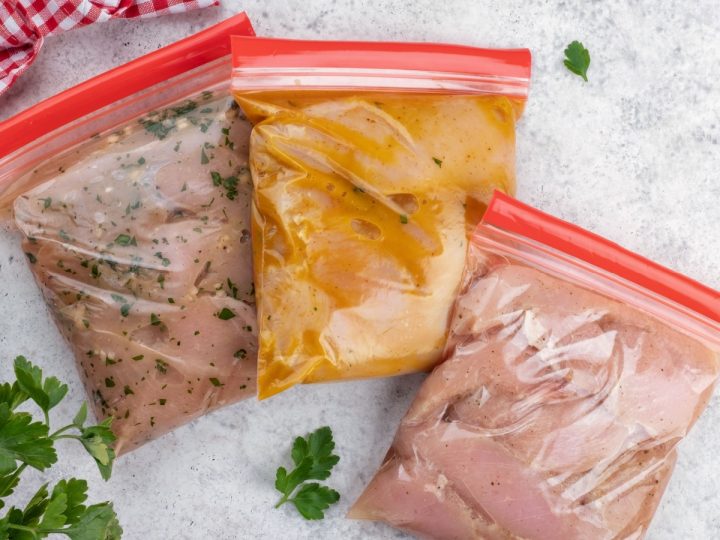 Airtight packaging is the most effective way to prevent freezer burn and lock in marinade flavor.
Credit: icookfortwo.com
Airtight packaging is the most effective way to prevent freezer burn and lock in marinade flavor.
Credit: icookfortwo.com
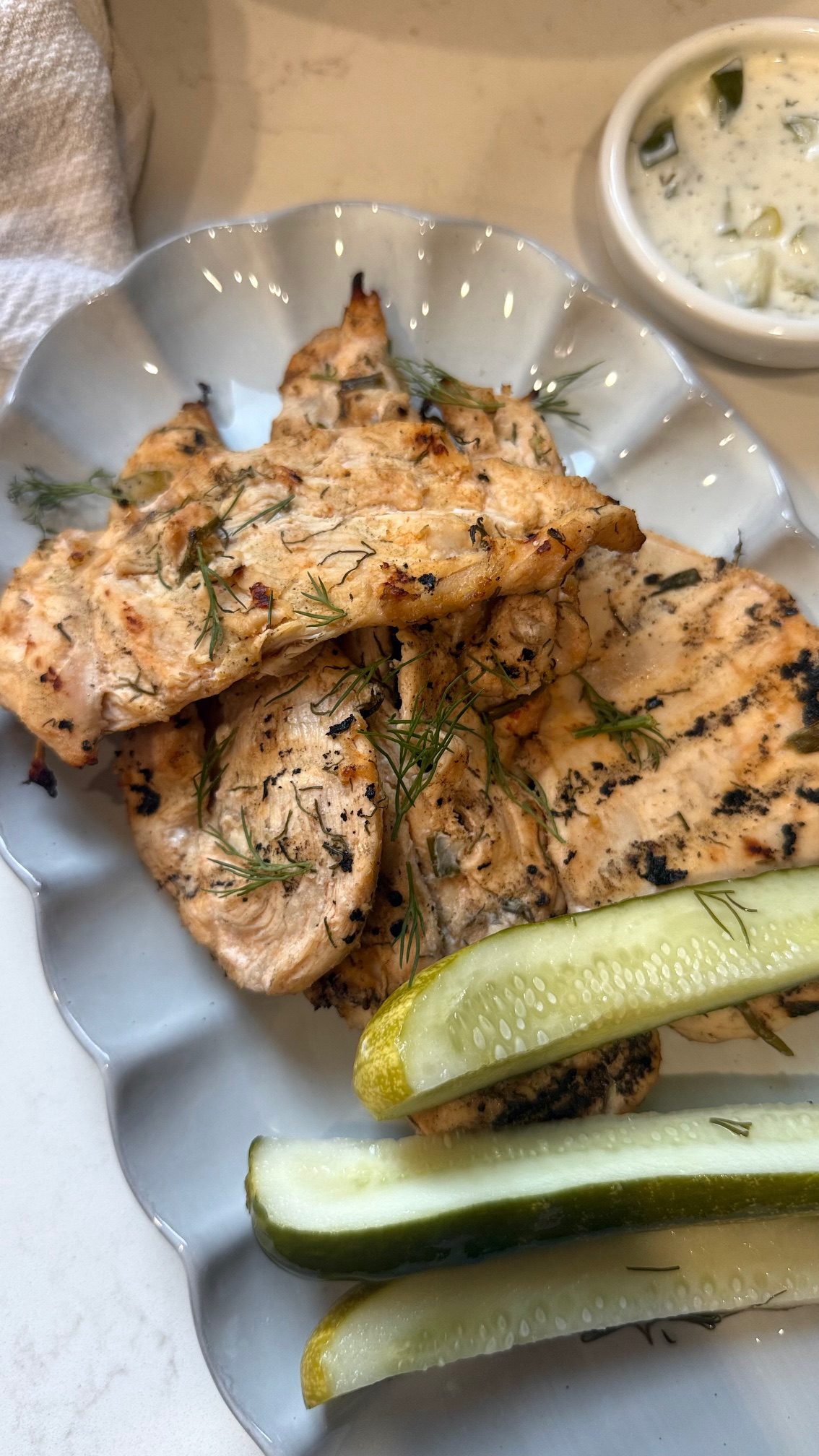 Thawing marinated chicken in the refrigerator overnight preserves its texture and infused flavor.
Credit: stokedathome.com
Thawing marinated chicken in the refrigerator overnight preserves its texture and infused flavor.
Credit: stokedathome.com
Preserve Flavor After Thawing
It’s normal for the marinade to separate slightly after thawing, as the water in the marinade freezes and thaws separately from the oil and solids. Simply shake the bag gently to reincorporate the marinade before cooking – do not rinse the chicken, as this will wash away the seasoned exterior and lead to bland, dry meat. If the marinade is very watery after thawing, pat the chicken dry with paper towels before cooking to get a better, crispier sear. If you used a fresh herb-heavy marinade, add a sprinkle of fresh herbs after cooking to bring back the bright, fresh flavor that may have mellowed during freezing.
Best Cooking Methods for Frozen Marinated Chicken
The cooking method you choose depends on the cut of chicken and your marinade:
- Grilling: Preheat to medium-high (400–450°F) for 6–8 minutes per side for breasts, 8–10 minutes per side for thighs, until the internal temperature hits 165°F (74°C), the safe minimum per USDA food safety guidelines for poultry. The high heat will caramelize the marinade’s sugars and add a smoky char that pairs well with most marinades.
- Baking: Preheat oven to 375°F (190°C) and bake for 20–25 minutes for breasts, 25–30 minutes for thighs, until the internal temperature reaches 165°F. This is the most hands-off method, perfect for weeknights.
- Pan-searing: Heat a tablespoon of oil in a skillet over medium-high heat, cook for 5–7 minutes per side for thin cuts, or sear for 3 minutes per side then finish in the oven at 375°F for 5–7 minutes for thick cuts. This method gives you a crispy, golden exterior with minimal effort.
Always let the chicken rest for 5 minutes after cooking to let the juices redistribute, so it stays juicy instead of running out onto your plate when you cut into it.
Common Mistakes That Ruin Frozen Marinated Chicken
Even small errors can lead to poor texture, lost flavor, or food safety risks. Avoid these common pitfalls to get perfect results every time.
Freezing Unportioned or Poorly Packaged Chicken
Freezing a large, unportioned batch of marinated chicken means you’ll have to thaw the entire bag to use what you need, leading to excess that you’ll be tempted to refreeze – a big no-no for texture and safety. Always portion into meal-sized bags, and use airtight packaging to avoid freezer burn, which causes dry, tough spots on the chicken.
Reusing Raw Marinade
Never reuse marinade that has touched raw chicken, even if you boil it. Raw chicken juices contain bacteria like Salmonella and Campylobacter that can form heat-resistant spores, so boiling may not eliminate all food safety risks. If you want to reserve extra marinade for basting or sauce, set aside a portion before adding the raw chicken to the marinade. If you did soak chicken in marinade and want to use the leftover, boil it for at least 1 full minute to kill bacteria, then use it as a sauce or basting liquid immediately – do not freeze reused raw marinade.
Thawing at Room Temperature or Refreezing Thawed Chicken
Thawing at room temperature puts the chicken in the bacterial danger zone for hours, allowing bacteria to multiply to dangerous levels. Refreezing thawed chicken also causes larger ice crystals to form, leading to mushy, dry texture, and increases the risk of bacterial growth if the chicken was left at room temperature for too long during thawing. If you thaw more chicken than you need, cook the excess immediately and freeze the cooked chicken for up to 2 months.
Using Dairy or Delicate Herb Marinades for Freezing
As noted earlier, dairy-based marinades separate when frozen, leading to a grainy texture, and delicate fresh herbs lose their flavor and turn dark. Stick to oil, soy sauce, honey, mustard, and dried herb marinades for the best freezing results. If you love citrus or yogurt marinades, use them for fresh chicken only, and marinate for no more than 2 hours before cooking.
Food Safety Rules You Can't Skip
Freezing stops bacterial growth, but it does not kill bacteria already present on raw chicken. Following these safety rules will keep your meals safe and avoid foodborne illness.
Handle Raw Chicken Correctly Before Freezing
Always marinate chicken in the refrigerator, never at room temperature, and freeze it within 2 hours of taking it out of the fridge (1 hour if your kitchen is above 90°F). Always wash your hands with soap and warm water for 20 seconds before and after handling raw chicken, and avoid cross-contaminating other foods by keeping raw chicken sealed in a bag on the bottom shelf of your fridge, and in a sealed bag in your freezer. Wipe down all surfaces and clean your sink thoroughly after handling raw chicken to eliminate any traces of raw poultry bacteria.
When prepping raw chicken, use a plastic cutting board, which is easier to sanitize than wood; learn safe plastic board care to prevent bacterial buildup in knife grooves.
Spot Signs of Spoiled Chicken
Never freeze marinated chicken that is already spoiled. Signs of spoilage include a sour, ammonia-like odor (not just a mild "chicken" smell), a sticky or slimy texture on the surface, and gray or greenish discoloration. If you notice any of these signs, discard the chicken immediately – do not cook or taste it to check if it’s still safe, as harmful bacteria do not always change the smell or appearance of spoiled chicken.
Cook to the Safe Internal Temperature
Always use a meat thermometer to confirm the chicken reaches an internal temperature of 165°F (74°C) before eating, regardless of cooking method. This temperature kills all harmful bacteria that may be present. Insert the thermometer into the thickest part of the chicken, avoiding bone, for an accurate reading.
Frequently Asked Questions
Can I freeze chicken after marinating it?
Yes, freezing marinated chicken is a safe, effective meal prep hack that saves time and reduces food waste. As long as you use airtight packaging and store it at 0°F or lower, it will stay safe for up to 6 months, with peak quality at 3 months.
How long can marinated chicken stay frozen?
For the best flavor and texture, use frozen marinated chicken within 3 months. It remains safe to eat for up to 6 months if stored at a consistent freezing temperature, but marinade flavors will fade and ice crystal damage will make the chicken drier over time.
Should I thaw marinated chicken before cooking?
Thawing in the refrigerator is recommended for the most even cooking and best texture, but you can cook small portions (8 oz or less) directly from frozen by adding 50% more cook time and confirming the internal temperature reaches 165°F (74°C).
Does freezing affect the marinade's flavor?
Most marinade flavors remain intact after freezing, though delicate fresh herbs like basil or cilantro may lose some brightness. Acidic marinades may mellow slightly, so you can add a squeeze of fresh lemon juice or a sprinkle of fresh herbs after cooking to boost flavor if desired.
Can I freeze marinated chicken with dairy-based marinades?
No, dairy-based marinades like buttermilk, cream, or yogurt-based sauces separate and become grainy when thawed, leading to poor texture. Stick to oil, soy sauce, or mild acidic marinades for freezing, and save dairy marinades for fresh chicken only.
Can I refreeze thawed marinated chicken?
No, never refreeze raw marinated chicken that has been thawed in the refrigerator or cold water. Repeated thawing and refreezing causes excess ice crystal damage, leading to mushy texture, and increases food safety risks. If you thaw more chicken than you need, cook the excess immediately and freeze the cooked chicken for up to 2 months.
Conclusion
Freezing marinated chicken is one of the easiest ways to streamline your meal prep, cut down on weekly cooking time, and reduce food waste without sacrificing flavor or safety. By choosing freezer-friendly marinades, using airtight packaging, storing at 0°F or lower, and following safe thawing and cooking guidelines, you can avoid common pitfalls like freezer burn, mushy texture, and foodborne illness. Stick to the 3-month peak storage window, always thaw in the refrigerator when possible, and never reuse raw marinade to keep your meals safe and delicious. If you’re looking for more easy, tested meal prep ideas to make your week easier, check out our collection of tested meal prep guides for dozens of recipes and storage hacks.

Hi, I’m Daniel Brooks—a food lover and kitchen gear enthusiast. I enjoy testing cookware, utensils, and gadgets to see what really works in everyday cooking. At PlugChef.com, I share honest reviews, comparisons, and simple guides to help you choose the best tools for a safer, smarter, and more enjoyable kitchen.
Related posts:
 How to Make a Fruit Basket for a Gift: Easy DIY Guide
 Do You Need a Basket? Essential Guide for Air Fryers
 Small Kitchens With Black Appliances: Maximizing Style
 Allied Blenders And Distillers IPO: Investment Insights
 Whirlpool 4 Piece Kitchen Appliance Package: Ultimate Upgrade
 Kitchen Sink Cleaning: Ultimate Tips for a Sparkling Shine

