Every year, thousands of workers suffer job-related eye injuries that require medical treatment, 90% of which could be prevented with proper protective eyewear, per the Occupational Safety and Health Administration (OSHA). Choosing between chemical splash goggles and standard safety goggles is one of the most critical safety decisions you can make for lab, industrial, or DIY work, as each style is engineered for distinct hazard types. Using the wrong pair for your task leaves you vulnerable to preventable harm, from temporary irritation to permanent vision loss. This guide breaks down the core differences between the two styles, their ideal use cases, top reviewed models, and how to select the right pair for your needs.
What Are Chemical Splash Goggles?
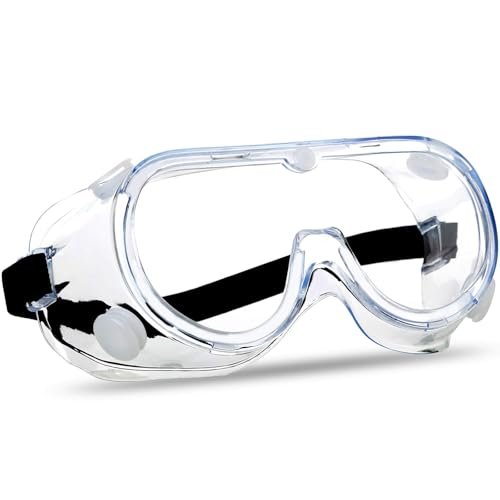
Chemical splash goggles are purpose-built to protect eyes from liquid hazards, including corrosive chemicals, cleaning agents, solvents, and pharmaceutical mists. Their defining feature is a full, compressive seal around the eye socket paired with indirect, covered ventilation ports that allow airflow to reduce fogging while blocking liquid from entering the goggle cavity. Unlike standard safety goggles, they have no direct open vents that could let splashes seep through to the eyes.
In the U.S., certified chemical splash goggles carry an ANSI Z87.1 D3 rating, indicating they have been tested to resist liquid penetration from all angles. They are the required eye protection for lab work, chemical manufacturing, janitorial tasks with harsh cleaners, and any environment where liquid splashes are a primary hazard.
What Are Standard Safety Goggles?
Standard safety goggles are optimized for impact protection against flying debris, dust, particles, and minor projectiles common in construction, woodworking, landscaping, and general industrial work. They feature a snug, comfortable seal around the eyes, with ventilation designed first to reduce fogging during long, physically demanding shifts. Many models have direct or indirect vents that prioritize airflow over full liquid blockage.
Certified standard safety goggles carry an ANSI Z87.1 D1 impact rating, meaning they have been tested to withstand high-velocity impacts without shattering or cracking. Some dual-certified models carry both D1 and D3 ratings, offering protection against both impact and liquid splashes for mixed-hazard work environments.
Head-to-Head Comparison of Key Protection Features
To clarify the core differences at a glance, review the side-by-side comparison below:
| Feature | Chemical Splash Goggles | Standard Safety Goggles |
|---|---|---|
| Primary protection purpose | Block liquid chemical splashes, mists, and vapors from contacting the eyes | Guard against flying debris, dust, particles, and minor impact hazards |
| Ventilation design | Indirect, covered vents that prevent liquid ingress while allowing airflow | Direct or indirect vents optimized for fog reduction, may allow small liquid entry |
| Seal tightness | Full, compressive seal around the eye socket to eliminate gaps for liquid entry | Snug but may have slightly less compressive seal to prioritize comfort for long wear |
| Impact resistance | Meets basic ANSI Z87.1 impact standards, but not optimized for high-velocity debris | Often meets high-velocity impact standards for construction and industrial use |
| Splash resistance | Tested to resist liquid penetration from all angles | Not rated for full splash protection; small splashes may seep through vents |
| Typical use cases | Laboratories, chemical manufacturing, pharmaceutical work, janitorial tasks with harsh cleaners | Construction, woodworking, landscaping, manufacturing, general industrial work |
| ANSI Z87.1 marking | Usually marked "Z87" with a "D3" splash rating | Usually marked "Z87" with a "D1" impact rating, some have dual D1/D3 |
Which Offers Better Protection for Your Specific Use Case?
There is no universal "better" option—the right choice depends entirely on the primary hazards in your work environment:
For laboratory and chemical handling work
Chemical splash goggles are the clear choice for any task involving liquid chemicals, acids, bases, or solvents. Even small splashes of corrosive substances can cause permanent eye damage in seconds, so the full, non-porous seal of splash goggles is non-negotiable. For labs that also handle glassware or heavy equipment, dual-certified D1/D3 goggles offer added impact protection without sacrificing splash defense.
For construction, woodworking, and industrial sites
Standard safety goggles offer superior protection against the high-velocity debris common in these environments: nails, wood chips, metal shavings, and concrete dust can cause severe eye injury at high speeds, and splash goggles are not rated to stop these projectiles. Look for models with high D1 impact ratings and indirect ventilation to reduce fogging during physically demanding shifts. For home workshops where you’re regularly maintaining tools, pairing these goggles with rust removal techniques for hand tools keeps equipment in good condition to reduce unexpected debris hazards.
For household and DIY use
Match your goggles to the task at hand. For projects involving harsh chemical cleaners, pool supplies, or paint, opt for chemical splash goggles. For lawn mowing, power tool use, or home repairs with risk of flying debris, standard safety goggles are the better pick. For at-home DIY projects that involve cutting or prying, knowing improvised opening techniques for sealed containers can reduce the need for forceful tools that create flying debris, making safety goggles a smart complement.
For food service and kitchen work
For tasks involving acidic ingredients (citrus, vinegar) or hot oil splatter, chemical splash goggles protect against burns and irritation. For general prep where impact from falling items or packaging is a risk, standard impact-resistant safety goggles work well. In commercial kitchens where food contact surfaces are regularly sanitized, following safe wooden board cleaning protocols alongside wearing impact-resistant safety goggles reduces cross-contamination and injury risks. For staff handling spicy produce like shishito peppers, proper roasting and handling techniques minimize splatter risks, making splash goggles a useful complement to standard PPE.
Critical Features to Prioritize When Choosing Either Style
Regardless of which style you select, these features will ensure your goggles deliver consistent, reliable protection:
- ANSI Z87.1 Certification: The current 2020 ANSI Z87.1 standard outlines minimum requirements for impact resistance, optical clarity, and splash protection for all occupational safety eyewear. Full standard details are available via ANSI’s official standards portal. Look for the "Z87" marking on the frame or lens, plus a D1 (impact) or D3 (splash) sub-rating matching your hazard needs.
- Anti-Fog Coating: High-quality hydrophobic anti-fog coatings prevent lens fogging even in high-humidity or high-heat environments, eliminating the need to remove goggles to wipe lenses (a major safety risk in hazardous settings). Indirect venting also helps reduce fogging, but coatings provide longer-lasting performance.
- Secure, Comfortable Fit: Adjustable headbands and soft foam or neoprene seals ensure a snug fit without pressure points for long shifts. For wearers of prescription glasses, over-glasses styles offer extra interior space, but always test fit to ensure no gaps form around the edges of your regular glasses.
- UV Protection: UV400-rated lenses block 99.9% of harmful UVA and UVB rays, critical for outdoor work, landscaping, or tasks under bright artificial lighting. For indoor lab or industrial work with no UV exposure, this is a useful extra but not a requirement.
- Optical-Grade Lenses: Distortion-free lenses prevent eye strain during precision tasks and ensure clear peripheral vision to stay aware of your surroundings. Anti-scratch coatings extend lens lifespan and maintain clarity over time.
OSHA requires employers to provide appropriate eye protection for workers exposed to hazards like flying debris, chemical splashes, or radiant energy, per their general industry safety guidelines.
Top Reviewed Models for Chemical Splash and Safety Goggles
We’ve vetted popular models against ANSI standards, user feedback, and real-world use cases to identify top picks for each category:
Top Chemical Splash Goggle Picks
These models carry ANSI Z87.1 D3 splash ratings for reliable liquid hazard protection:
MELASA ANSI Z87.1 Chemical Splash Goggles
 ANSI Z87.1 certified for reliable lab-grade eye protection
A budget-friendly lab workhorse, these goggles meet full D3 splash standards with a soft, lightweight frame that weighs just 0.18 pounds for all-day comfort. The anti-fog coating performs well in humid lab environments, and the adjustable strap fits most head sizes.
ANSI Z87.1 certified for reliable lab-grade eye protection
A budget-friendly lab workhorse, these goggles meet full D3 splash standards with a soft, lightweight frame that weighs just 0.18 pounds for all-day comfort. The anti-fog coating performs well in humid lab environments, and the adjustable strap fits most head sizes.
- Pros: Full ANSI D3 certification, ultra-lightweight build, effective anti-fog coating, affordable price point
- Cons: Only sold individually (no bulk discounts), limited color options, no UV protection To purchase the MELASA ANSI Z87.1 Chemical Splash Goggles for lab use, view the latest listing here.
keebomed Chemical Splash/Impact Safety Goggle
 Dual-certified for both chemical splash and impact hazards in mixed work environments
One of the few models with dual D1/D3 ANSI certification, these goggles are ideal for workspaces with both liquid and impact hazards, such as automotive shops or maintenance closets. The soft, adjustable frame and wide-vision lens reduce eye strain during long shifts, and the indirect vents block splashes while minimizing fogging.
Dual-certified for both chemical splash and impact hazards in mixed work environments
One of the few models with dual D1/D3 ANSI certification, these goggles are ideal for workspaces with both liquid and impact hazards, such as automotive shops or maintenance closets. The soft, adjustable frame and wide-vision lens reduce eye strain during long shifts, and the indirect vents block splashes while minimizing fogging.
- Pros: Dual D1/D3 certification, wide field of view, comfortable for 8+ hour shifts, affordable
- Cons: No UV coating, may feel snug for users with larger facial structures, not designed to fit over prescription glasses If you need dual splash and impact protection for mixed-hazard work, check out the keebomed Chemical Splash/Impact Safety Goggle here.
Super More Anti-Fog Chemical Splash Goggles
 Full view of the Super More anti-fog chemical splash goggles, designed for lab and industrial splash protection
Close-up of the soft foam seal and adjustable strap for a customizable, comfortable fit
A versatile entry-level option for labs, janitorial work, and DIY chemical handling. The wide-vision clear lens provides unobstructed peripheral sight, and the soft, lightweight frame reduces pressure during extended wear. The adjustable strap ensures a secure seal to block splashes.
Full view of the Super More anti-fog chemical splash goggles, designed for lab and industrial splash protection
Close-up of the soft foam seal and adjustable strap for a customizable, comfortable fit
A versatile entry-level option for labs, janitorial work, and DIY chemical handling. The wide-vision clear lens provides unobstructed peripheral sight, and the soft, lightweight frame reduces pressure during extended wear. The adjustable strap ensures a secure seal to block splashes.
- Pros: Affordable, anti-fog coated lenses, wide field of view, soft lightweight frame
- Cons: No UV protection, may not fit over prescription glasses, long-term strap durability is average For an affordable entry-level splash goggle for lab or DIY chemical tasks, view the Super More Anti-Fog Protective Safety Goggles here.
Top Standard Safety Goggle Picks
These models carry ANSI Z87.1 D1 impact ratings for reliable debris protection:
Honeywell Uvex Stealth Safety Goggles
 Trusted industrial-grade option with HydroShield anti-fog technology for long shifts
A favorite for construction and manufacturing teams, these goggles feature Honeywell’s proprietary HydroShield anti-fog lens that maintains clarity even in extreme temperature changes. The durable grey body resists scratches and impact, and the adjustable neoprene headband stays secure during physically demanding work.
Trusted industrial-grade option with HydroShield anti-fog technology for long shifts
A favorite for construction and manufacturing teams, these goggles feature Honeywell’s proprietary HydroShield anti-fog lens that maintains clarity even in extreme temperature changes. The durable grey body resists scratches and impact, and the adjustable neoprene headband stays secure during physically demanding work.
- Pros: Excellent long-lasting anti-fog performance, high impact resistance, trusted brand with consistent quality
- Cons: Neoprene headband may irritate users with sensitive skin, no UV coating, higher price point than entry-level options For industrial-grade impact protection with long-lasting anti-fog performance, shop the Honeywell Uvex Stealth Safety Goggles here.
NoCry Safety Goggles Over Glasses
 Designed to fit comfortably over most prescription glasses without compromising the seal
The best pick for prescription glasses wearers, these over-glasses goggles have extra interior space to fit most standard frames without creating gaps in the seal. They carry full ANSI Z87.1 impact certification, plus UV380 protection and anti-scratch, anti-fog coatings for all-day clarity.
Designed to fit comfortably over most prescription glasses without compromising the seal
The best pick for prescription glasses wearers, these over-glasses goggles have extra interior space to fit most standard frames without creating gaps in the seal. They carry full ANSI Z87.1 impact certification, plus UV380 protection and anti-scratch, anti-fog coatings for all-day clarity.
- Pros: Fits over most prescription glasses, UV400 protection, anti-scratch and anti-fog coatings, ANSI certified
- Cons: May feel tight for users with very large prescription frames, black frame shows fingerprints and smudges easily Prescription glasses wearers can find the NoCry Over-Glasses Safety Goggles with UV protection here.
3M Professional Goggle
 Outdoor-ready option with 99.9% UV blocking for extended sun exposure
Ideal for landscaping, construction, and outdoor DIY work, these goggles block 99.9% of UV rays to protect against long-term sun damage. The indirect ventilation system reduces fogging without compromising the seal, and the clear optical-grade lens provides distortion-free visibility for precision tasks. They also accommodate some smaller prescription glasses.
Outdoor-ready option with 99.9% UV blocking for extended sun exposure
Ideal for landscaping, construction, and outdoor DIY work, these goggles block 99.9% of UV rays to protect against long-term sun damage. The indirect ventilation system reduces fogging without compromising the seal, and the clear optical-grade lens provides distortion-free visibility for precision tasks. They also accommodate some smaller prescription glasses.
- Pros: 99.9% UV protection, indirect anti-fog ventilation, impact resistant, fits some prescription glasses
- Cons: May not fit large prescription frames, grey-tinted lens shows scratches more visibly than clear lenses, higher price point For outdoor work with UV protection, view the 3M Professional Goggle listing here.
OXG 6-Pack Protective Safety Goggles
 Bulk pack option ideal for shared workspaces, labs, or home DIY kits
A cost-effective option for teams, classrooms, or home users who need multiple pairs of backup goggles. Each pair has an anti-fog coating, adjustable strap, and ANSI Z87.1 impact certification, with a lightweight design that reduces fatigue during long shifts.
Bulk pack option ideal for shared workspaces, labs, or home DIY kits
A cost-effective option for teams, classrooms, or home users who need multiple pairs of backup goggles. Each pair has an anti-fog coating, adjustable strap, and ANSI Z87.1 impact certification, with a lightweight design that reduces fatigue during long shifts.
- Pros: Affordable bulk 6-pack, ANSI certified, anti-fog coating, lightweight for extended wear
- Cons: No UV protection, bulkier than single-pair options, not rated for full chemical splash protection For bulk purchases for teams or classrooms, check out the OXG 6-Pack Protective Safety Goggles here.
UKNOW Safety Goggles Over Glasses
 Over-glasses style with a comfortable fit for prescription eyewear users
A lightweight over-glasses option with full ANSI Z87.1 impact certification and anti-fog coating, designed for prescription glasses wearers who want a low-profile fit. The adjustable strap and soft seal reduce pressure during long lab or classroom sessions.
Over-glasses style with a comfortable fit for prescription eyewear users
A lightweight over-glasses option with full ANSI Z87.1 impact certification and anti-fog coating, designed for prescription glasses wearers who want a low-profile fit. The adjustable strap and soft seal reduce pressure during long lab or classroom sessions.
- Pros: Lightweight over-glasses design, ANSI certified, anti-fog coating, available in pink for high visibility
- Cons: Limited color options, may not fit very large prescription frames, no UV protection For a stylish over-glasses option with ANSI certification, view the UKNOW Safety Goggles Over Glasses here.
keebomed Science Chemical Splash/Impact Safety Eye Goggle
 Wide-vision design for precise lab work and detailed tasks
A dual-certified D1/D3 option built specifically for lab and science work, with a wide-vision clear lens that preserves accurate color perception for experiments and detailed tasks. The soft, adjustable frame fits most face shapes, and the lightweight build reduces strain during long lab sessions.
Wide-vision design for precise lab work and detailed tasks
A dual-certified D1/D3 option built specifically for lab and science work, with a wide-vision clear lens that preserves accurate color perception for experiments and detailed tasks. The soft, adjustable frame fits most face shapes, and the lightweight build reduces strain during long lab sessions.
- Pros: Dual D1/D3 certification, wide-vision accurate color lens, comfortable for long lab shifts, affordable
- Cons: No UV protection, may feel snug for users with larger faces For lab work requiring accurate color perception, check out the keebomed Science Chemical Splash/Impact Safety Eye Goggle here.
Common Mistakes to Avoid When Selecting Eye Protection
Even with the right style of goggle, these common errors can leave you unprotected:
- Choosing uncertified budget goggles: Many cheap, uncertified goggles fail impact and splash testing, offering false security. Always verify the ANSI Z87.1 marking before purchasing.
- Ignoring fit: A gap as small as 1mm between the goggle seal and your face can let chemicals or debris enter. Test the seal by pressing the goggles firmly against your face: they should stay in place without the strap for 2-3 seconds.
- Using splash goggles for impact-heavy work: Standard chemical splash goggles are not rated for high-velocity debris, and may shatter or fail to stop projectiles in construction or industrial settings.
- Using standard safety goggles for chemical work: Vents in standard safety goggles allow small splashes to seep through, which can cause severe chemical burns to the eyes in seconds.
- Neglecting maintenance: Scratched lenses reduce visibility and compromise impact resistance. Clean lenses with mild soap and water (not abrasive cleaners) and replace goggles immediately if frames are cracked, straps are broken, or anti-fog coating is worn off. For home workshop use, pairing goggles with rust removal techniques for hand tools keeps equipment in good condition to reduce unexpected debris hazards. When handling household cleaning agents under the kitchen sink, pairing splash goggles with regular under-sink maintenance reduces exposure to spills and splashes.
Frequently Asked Questions
What is the main difference between chemical splash goggles and safety goggles?
Chemical splash goggles are designed with a fully sealed, indirect ventilation system to block liquid chemicals, mists, and vapors from contacting the eyes, making them ideal for liquid hazard environments. Standard safety goggles prioritize impact resistance against flying debris and dust, with ventilation optimized to reduce fogging during long shifts in dry or high-heat environments. The core difference comes down to their primary hazard rating: splash goggles are tested for liquid penetration (ANSI Z87.1 D3 rating), while standard safety goggles are tested for high-velocity impact (D1 rating).
Can I wear safety goggles over my prescription glasses?
Yes, many brands offer over-glasses styles designed to fit comfortably over most standard prescription frames. Look for models with adjustable headbands and extra interior space to avoid pressure on your glasses. Note that very large or thick prescription frames may create gaps in the seal, reducing protection, so always test fit before purchasing for hazardous work.
Do chemical splash goggles protect against impact?
Some dual-certified models carry both ANSI Z87.1 D1 (impact) and D3 (splash) ratings, meaning they protect against both liquid splashes and flying debris. However, standard chemical splash goggles without D1 certification are not designed to stop high-velocity projectiles, so they should not be used in construction or industrial settings with impact hazards.
How often should I replace my safety goggles?
Replace goggles immediately if they have deep scratches, cracked frames, or broken straps, as these compromise their protective seal and impact resistance. Even if undamaged, most manufacturers recommend replacing anti-fog coated goggles every 1-2 years, as the coating wears off over time and reduces visibility. For heavy daily use, inspect goggles monthly for wear and tear.
Are safety goggles with direct vents safe for chemical work?
No. Safety goggles with direct, uncovered vents are designed to allow airflow to reduce fogging, but they also allow liquid chemicals to seep through and contact your eyes. Only use goggles with indirect, covered vents for chemical splash protection.
Do I need UV protection in safety goggles?
UV protection is critical for any work performed outdoors or in environments with bright artificial UV light (like welding, though welding requires specialized welding helmets). UV-blocking lenses (rated UV400) protect against long-term eye damage including cataracts and macular degeneration. For indoor lab or industrial work with no UV exposure, UV protection is a nice extra but not a requirement.
Conclusion
There is no one-size-fits-all answer to which goggle style is better: chemical splash goggles are the clear choice for environments with liquid chemical hazards, while standard safety goggles offer superior protection for impact-heavy work like construction and woodworking. For mixed-hazard environments, dual-certified D1/D3 models deliver the best of both worlds. No matter which style you select, prioritize ANSI Z87.1 certification, a secure seal against your face, and features like anti-fog coating and UV protection tailored to your work environment. Proper eye protection reduces the risk of work-related eye injury by 90%, so investing in the right pair is a small cost for long-term vision health. To find the right pair for your workflow, compare the top-rated models above against your specific hazard risks, and always inspect your eyewear for damage before each use.

Hi, I’m Daniel Brooks—a food lover and kitchen gear enthusiast. I enjoy testing cookware, utensils, and gadgets to see what really works in everyday cooking. At PlugChef.com, I share honest reviews, comparisons, and simple guides to help you choose the best tools for a safer, smarter, and more enjoyable kitchen.
Related posts:
 French Food Posters Vintage: Timeless Culinary Art for Kitchen Decor
 Grill-Gleam Bristle-Free Grill Brush – Ultimate Cleaner for Safe Grilling
 Non-Slip Christmas Kitchen Rugs: Cozy, Safe, and Festive Floor Decor
 Non Slip Runner Rug for Kitchen: Stylish, Safe, and Washable Floor Solution
 Washable Non Slip Kitchen Rugs for Safe, Stylish, and Easy Cleaning Floors
 Bbq Daddy Grill Brush Bristle Free Steam Cleaning Scrubber: Ultimate Grill Cleaner Guide