
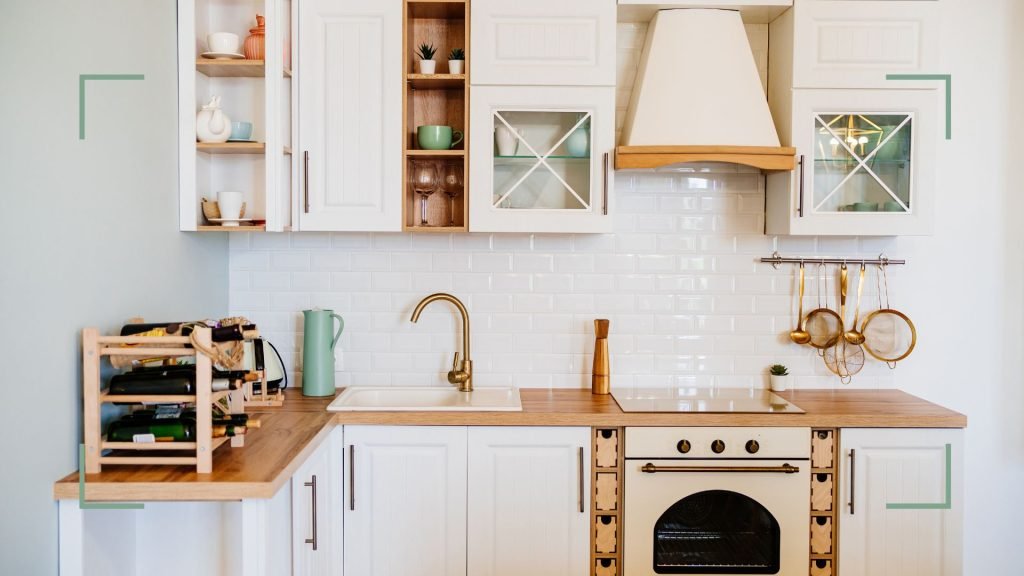
For the millions of renters and homeowners with a kitchen under 100 square feet, cluttered countertops, buried cookware, and overflowing cabinet corners can turn even simple meal prep into a frustrating juggling act. The good news is you don’t need a full renovation or expensive custom cabinetry to transform your space: intentional, space-saving organization can unlock hidden storage, streamline your cooking workflow, and make your small kitchen feel twice as large. Below are actionable, tested strategies to maximize every inch of your cooking area, no matter how tight your footprint.
 Clear countertops and categorized storage cut down on meal prep time by eliminating the need to search for items.
Credit: www.bhg.com
Clear countertops and categorized storage cut down on meal prep time by eliminating the need to search for items.
Credit: www.bhg.com
Assess and Declutter Before You Organize
The most common mistake small-kitchen owners make is buying storage bins and organizers before clearing out unused items. Start by pulling every item from your cabinets, drawers, and countertops, then sort them into three piles: keep (items you use at least once a month), donate (functional items you haven’t used in the past year), and discard (broken, expired, or duplicate items). In practice, 30% of items most people store in small kitchens are rarely used, so clearing them first eliminates the need for bulky, unnecessary organizers. Measure your cabinet, shelf, and floor dimensions before purchasing any storage solutions to avoid buying bins or dividers that don’t fit, which saves both money and frustration.
Maximize Vertical Storage to Free Up Floor and Counter Space
Vertical space is the most underutilized asset in small kitchens, and leveraging it can add 20-30% more storage capacity without taking up extra floor room. Start with your upper cabinets: opt for ceiling-height models (standard cabinets stop at 30 inches, leaving 12-18 inches of empty space above them) to store holiday serveware, extra pantry items, or small appliances you only use occasionally. For walls, install floating shelves 12-18 inches above countertops — this height is low enough to reach easily, but high enough to avoid blocking workflow while cooking. If you have open wall space near your stove or sink, mount a pegboard to hang pots, pans, utensils, and even small spice jars for instant access. Install under counter kitchen lights led under upper shelves and cabinets to illuminate dark corners, making it easier to spot stored items without fumbling in low light. For lower cabinets, add shelf risers to create extra layers for plates, bowls, and pantry goods, and use hooks on the inside of cabinet doors to hang mugs, measuring spoons, or pot lids.
Optimize Cabinet Storage for Every Item
Cabinets are the backbone of small kitchen organization, and small adjustments can make them far more functional.
For Everyday Dishware and Glassware
Use shelf risers to double cabinet shelf capacity, and group items by type (all plates together, all glasses together) for easy access. Add pull-out shelves for deep lower cabinets so you don’t have to rummage for items at the back of the cabinet. Adjustable best kitchen drawer storage solutions let you customize dividers for utensils, bakeware, and small appliances without permanent installation.
For Cookware and Utensils
Store frequently used pots and pans in lower cabinets for easy access, and use adjustable dividers to separate cookware by size to prevent scratching. Add hooks to cabinet doors for measuring spoons, pot holders, and small saucepans to free up shelf space. For lids, use a vertical door-mounted rack or magnetic strip to avoid the messy "lid pile" that’s impossible to sort through.
For Under-Sink Storage
The awkward space under your sink is ideal for cleaning supplies, trash bags, and extra paper goods. Use tiered organizers to make use of the cabinet’s height, add a sliding basket for heavy cleaning bottles, and keep corrosive cleaners away from food items to avoid accidental contamination. For the awkward space under your sink, tiered under kitchen sink cabinet storage ideas keep cleaning supplies, trash bags, and extra paper goods accessible without rummaging.
No-Cabinet and No-Pantry Small Kitchen Solutions
If your kitchen lacks built-in cabinets or a dedicated pantry, freestanding and wall-mounted solutions can fill the gap just as effectively. Open shelving is a popular, space-efficient alternative to upper cabinets: it makes dishes and glassware easily accessible and creates an airy, open feel. The tradeoff is that open shelves require regular dusting and intentional styling to avoid looking cluttered, so they’re best for cooks who don’t mind a quick 2-minute reset after each use. For extra storage and prep space, add a rolling cart or compact freestanding island with built-in shelves; a kitchen table with storage under 3 doubles as a dining surface and hidden storage for linens, small appliances, or pantry overflow. Over-the-door organizers are another underused solution: mount a slim rack on your pantry or cabinet door to store spices, snacks, or cleaning supplies, and use hook strips for towels, aprons, and small utensils. For pantry alternatives, use stackable airtight containers on upper shelves, and group dry goods by type (pastas, grains, baking supplies) for easy access. Follow U.S. Department of Agriculture food safety guidelines by storing dry goods in airtight, pest-proof containers to prevent spoilage and contamination from insects or moisture.
Optimize Countertops and Workflow for Efficiency
To cut down on unnecessary steps while cooking, follow National Kitchen & Bath Association (NKBA) workflow guidelines: keep your cooking zone (stove, pots, spices, cooking oils) within arm’s reach of the cooktop, your prep zone (cutting boards, knives, mixing bowls) adjacent to the sink for easy washing, and your cleaning zone (dish soap, drying rack, trash bin) near the dishwasher. This layout reduces unnecessary back-and-forth movement during meal prep, making cooking faster and less frustrating, per National Kitchen & Bath Association small kitchen design guidelines. Limit countertop items to 2-3 daily-use appliances (like a coffee maker or toaster) to keep space clear for prep work. If you need to store small appliances out of sight, a best smart appliance organizer for countertop lets you slide items out of the way when not in use, freeing up 6-12 inches of usable prep space. A common mistake is cluttering counters with decorative items that don’t serve a functional purpose — in practice, keeping only essential items on your counter at all times reduces cleanup time significantly.
Store Cookware and Bulky Items Without the Clutter
Pots, pans, and large bakeware take up more space than any other kitchen items, so smart storage is key. Nest smaller pots inside larger ones to cut their stored volume in half, and add thin felt separators between stacked non-stick pans to prevent scratching. Store lids separately in a vertical door-mounted rack or on a magnetic strip to avoid the messy pile that’s impossible to sort through. For your most-used cookware, install a wall-mounted pot rack near your stove for instant access, and store less-used items like stockpots or holiday bakeware on high upper shelves or in overhead storage if you have ceiling clearance.
Maintain Your Organized System Long-Term
Organization is not a one-time project — small, consistent habits keep your kitchen functional for months and years to come. Do a 10-minute daily reset after dinner to put items back in their assigned spots, and do a monthly 15-minute declutter check to remove expired food, broken items, or things you haven’t used in the past month. Reassess your storage setup every 6 months to adjust for changing cooking habits: if you start baking more regularly, for example, you may need to allocate extra cabinet space for flour, mixing bowls, and baking sheets.
 Wall-mounted pot racks free up cabinet space for infrequently used cookware, keeping everyday items within easy reach.
Credit: www.southernliving.com
Wall-mounted pot racks free up cabinet space for infrequently used cookware, keeping everyday items within easy reach.
Credit: www.southernliving.com
Frequently Asked Questions
What’s the fastest way to organize a small kitchen?
Start with a full declutter: remove every item from cabinets and counters, sort into keep, donate, and discard piles, and only put back items you use at least once a month. Next, implement zone-based storage (cooking, prep, cleaning) and add vertical storage solutions like wall shelves and door-mounted organizers to cut down on search time immediately.
How do I organize a small kitchen with no cabinets?
Prioritize open wall storage with floating shelves, pegboards, and magnetic strips for utensils and spices. Add a rolling cart for extra prep and storage space, use drawer organizers for cutlery and small tools, and keep countertops limited to 2-3 daily-use appliances to avoid clutter.
What’s the best way to store pots and pans in a tiny kitchen?
Nest pots by size to save cabinet space, use a wall-mounted pot rack for your most-used cookware, and store lids in a vertical door-mounted rack or magnetic strip to avoid the "lid avalanche" when opening cabinets. For non-stick pans, add thin felt separators between stacked pieces to prevent scratching.
How can I create more pantry space without a dedicated pantry?
Use stackable airtight containers on upper shelves, install an over-the-door organizer for snacks and spices, add pull-out shelves inside existing cabinets to double storage capacity, and use a freestanding rolling cart for dry goods overflow.
Conclusion
A well-organized small kitchen doesn’t require a full renovation or expensive custom cabinetry — just intentional, space-saving choices that align with your daily cooking habits. By combining vertical storage, zone-based organization, and regular decluttering, you can turn even the tiniest cooking space into an efficient, stress-free hub for meal prep. Start with one small zone, like your most-used cabinet or your countertop, this weekend, and build from there to avoid feeling overwhelmed. For more detailed storage guides to tackle every corner of your kitchen, browse our full library of home organization resources.

I’m Abby Lu, a passionate home cook who loves simplifying everyday meals. At PlugChef.com, I share product reviews and cooking guides to help you find the best tools for your kitchen.
Related posts:
 How Do You Organize Small Appliances in a Small Kitchen: Expert Tips
 What Innovations Could Blenders Make: Unleashing Future Tech
 How to Organize a Kitchen Cabinet: Expert Tips & Tricks
 Kamenstein 20 Jar Rotating Spice Rack: Organize Effortlessly
 Frozen Salmon How to Cook: Easy, Delicious & Quick Methods
 Roast Nuts in Air Fryer: Quick, Crispy, and Delicious Snacks

