
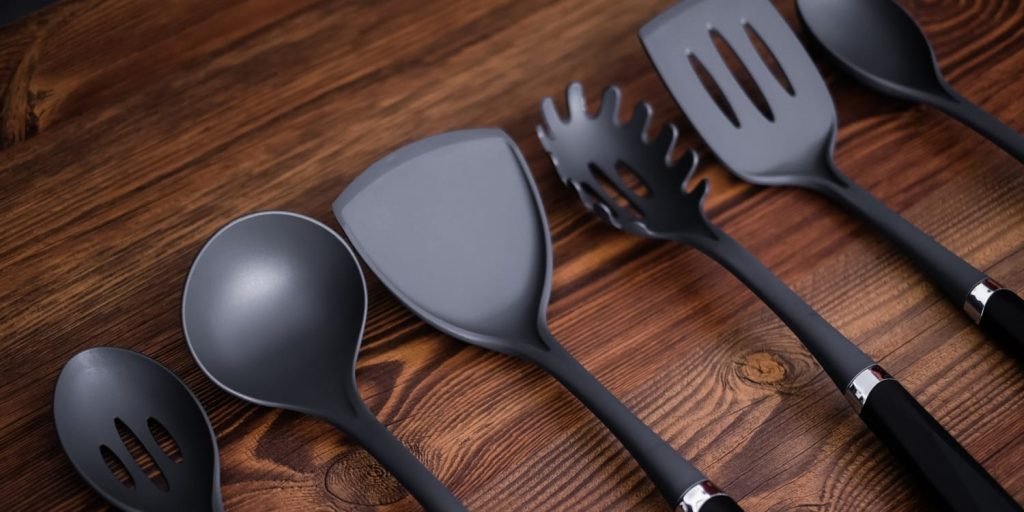
Have you ever wondered about the safety of the cooking utensils you use every day? Nylon cooking utensils have become a staple in many kitchens due to their affordability and non-stick properties.
But are they really safe for your health and your family? This question might have crossed your mind while stirring your favorite dish or flipping a pancake. Your kitchen is a place where you create delicious meals and unforgettable memories, so ensuring the tools you use are safe is crucial.
We will unravel the truth about nylon cooking utensils, diving into the facts and potential concerns, so you can make informed choices for your kitchen. Keep reading to discover whether your trusted spatula is truly a friend or a foe.

Credit: www.amazon.com
Nylon Material Properties
Nylon cooking utensils are generally safe for everyday use. They resist heat well but should not be used at extremely high temperatures to avoid releasing harmful chemicals. Always check the manufacturer’s instructions for safe temperature limits to ensure your kitchen tools are suitable for your cooking needs.
Cooking with the right utensils can make or break your culinary experience. When it comes to choosing the right tools, understanding the properties of materials like nylon is crucial. Nylon cooking utensils have become popular due to their durability and versatility. But are they really safe for your kitchen? Let’s dive into the properties of nylon to find out.What Is Nylon?
Nylon is a synthetic polymer, invented in the 1930s, known for its strength and flexibility. It’s widely used in various industries, from fashion to automotive, and yes, even in your kitchen. Its ability to withstand wear and tear without losing shape makes it a practical choice for cooking utensils.Heat Resistance
One of nylon’s standout features is its heat resistance. Nylon cooking utensils can typically withstand temperatures up to 400°F (204°C). However, prolonged exposure to high heat can cause them to melt or warp. Have you ever noticed your spatula becoming a bit bent after leaving it on a hot pan? That’s a sign it might have reached its heat limit.Non-stick Friendly
Nylon is gentle on non-stick surfaces. Unlike metal utensils, nylon won’t scratch or damage your pans. This makes them ideal for cooking delicate foods like eggs or pancakes. But remember, using them on extremely hot surfaces can lead to unwanted residue sticking to your food. Nylon utensils are known for their durability. They can last a long time if properly cared for. They’re resistant to cracks and chips, unlike wooden utensils that might split over time. But, just like any other tool, they require regular inspection. If you notice any discoloration or melting, it might be time for a replacement.Ease Of Cleaning
Cleaning nylon utensils is a breeze. Most are dishwasher safe, saving you time and effort. Their smooth surface prevents food particles from sticking, making hand washing a quick task. However, keeping them away from harsh chemicals will ensure they remain in top condition. Incorporating nylon utensils into your kitchen can offer several benefits, but it’s essential to use them correctly. Have you ever considered how the materials of your cooking tools could impact your dishes? Making informed choices can elevate your cooking game to the next level.Heat Resistance Of Nylon
When considering the safety of nylon cooking utensils, understanding their heat resistance is crucial. Nylon is a popular material for kitchen tools due to its durability and flexibility. However, knowing how it behaves under heat can help you make informed choices for your cooking needs.
Melting Point Concerns
Nylon has a lower melting point compared to other materials like stainless steel or silicone. Typically, nylon starts to melt at around 400°F (204°C). This might sound high, but when you’re cooking, temperatures can easily reach or exceed this level. Have you ever left a spoon resting on the edge of a hot pan, only to find it warped? That’s the melting point in action.
It’s essential to be aware of the melting point when you’re cooking with high heat. Frying, grilling, and even baking can push temperatures beyond what nylon can handle. A warped utensil isn’t just inconvenient; it can lead to melted plastic in your food, a scenario no one wants.
Safe Temperature Range
Despite melting point concerns, nylon can be safe for everyday cooking. The ideal temperature range for nylon utensils is below 400°F (204°C). If you’re cooking on medium heat or simmering sauces, nylon works perfectly fine. The key is to monitor the heat levels and avoid direct contact with intense heat sources.
Consider using nylon for tasks like stirring soups or serving dishes at lower temperatures. If you’re someone who enjoys precision cooking, knowing the safe range can help you pick the right tool for the job. This simple adjustment keeps your utensils intact and your meals free from unwanted plastic.
So, what’s your experience with nylon in the kitchen? Have you encountered melting mishaps, or do you find nylon fits perfectly into your cooking routine? Sharing your insights could help others navigate their culinary adventures more safely.
Potential Health Risks
Nylon cooking utensils are popular in modern kitchens. They are lightweight, affordable, and easy to use. But their safety is often questioned. Many wonder if they pose health risks. Let’s explore potential dangers associated with nylon utensils.
Chemical Leaching
Nylon can leach chemicals into food. High heat increases this risk. Cooking at high temperatures may cause nylon to break down. When nylon breaks down, harmful chemicals may enter food. These chemicals can affect health over time. Some studies link them to health issues. It’s wise to check the heat resistance of your utensils. Use them only within safe temperature limits.
Toxic Fumes
Heating nylon can release toxic fumes. These fumes may be harmful if inhaled. High temperatures can cause nylon to melt. Melting nylon emits fumes that could irritate lungs. Cooking with nylon at high heat might expose you to these fumes. Ensure good ventilation in your kitchen. This reduces the risk of inhaling harmful substances.

Credit: siliconemakers.com
Durability And Longevity
Nylon cooking utensils are popular in many kitchens. Their durability and longevity make them a frequent choice. Users seek tools that last. Understanding nylon’s durability helps consumers make informed decisions.
Wear And Tear
Nylon utensils handle everyday kitchen tasks well. They resist wear and tear better than some other materials. High heat can cause them to warp over time. Avoid leaving nylon utensils on hot surfaces. This prolongs their lifespan. Regularly inspect your utensils for any damage. Replace them if they show signs of wear.
Comparison With Other Materials
Compared to wooden utensils, nylon is more durable. Wood can crack and split over time. Metal utensils are sturdier than nylon, but they can scratch cookware. Silicone utensils resist heat well, like nylon, but are more flexible. This flexibility can be a downside for certain tasks. Each material has its advantages and disadvantages. Consider your specific needs when choosing.
Safety Tips For Nylon Utensils
Nylon cooking utensils are popular due to their non-stick nature. These tools are lightweight and easy to handle. But safety should be your priority. Knowing how to use and care for them is essential.
Proper Usage
Use nylon utensils at low to medium heat. High heat can melt nylon. Avoid leaving them on hot surfaces. Stir food gently to prevent damage. Do not use them for deep frying.
Maintenance And Care
Wash nylon utensils with mild soap and warm water. Avoid abrasive cleaners. Hand washing extends their life. Inspect regularly for cracks or discoloration. Replace damaged utensils promptly.
Alternatives To Nylon Utensils
Choosing safe cooking utensils is crucial for health and kitchen efficiency. Nylon utensils are popular, but some prefer alternatives. Let’s explore safer options that are durable and effective.
Silicone Options
Silicone utensils are a great choice for safe cooking. They withstand high temperatures without melting. Silicone is non-stick, making cleaning easy. It’s also flexible, which helps in scraping bowls or pans. Silicone utensils come in vibrant colors, adding a touch of style.
Wooden And Metal Choices
Wooden utensils have been used for centuries. They are gentle on non-stick surfaces and don’t scratch. Wood doesn’t conduct heat, so handles stay cool. Metal utensils, like stainless steel, are durable and long-lasting. They can handle intense heat and are dishwasher safe. Choose wooden or metal for a sturdy, safe cooking experience.
Consumer Insights
Nylon cooking utensils are popular in many kitchens. Their non-stick nature and affordability appeal to many cooks. Yet, questions about their safety linger in consumers’ minds. Understanding how users and experts perceive these tools helps address safety concerns. Let’s explore what real users and industry experts say.
User Experiences
Many home cooks praise nylon utensils for their ease of use. Users appreciate their lightweight design and comfortable grip. These utensils don’t scratch non-stick pans, which users find beneficial. Yet, some consumers express concerns about heat resistance. They notice nylon melts if left on hot surfaces. Such experiences shape varied opinions on nylon’s safety.
Expert Opinions
Experts often weigh in on the safety of nylon utensils. Many agree they are safe if used correctly. They advise using nylon below its melting point. This prevents harmful chemicals from releasing. Experts suggest avoiding high-heat cooking with nylon tools. They recommend using them for stirring or serving instead.

Credit: siliconemakers.com
Frequently Asked Questions
Do Nylon Utensils Leach Chemicals?
Nylon utensils can leach chemicals at high temperatures. Choose high-quality, BPA-free options to reduce risk. Avoid using nylon utensils for cooking at high heat. Always follow manufacturer guidelines for safe use.
What Is The Safest Cooking Utensil Material?
Stainless steel, cast iron, and glass are considered the safest cooking utensil materials. They resist leaching chemicals and are durable. These materials are non-reactive, ensuring food safety. Opt for high-quality brands to minimize health risks and enhance cooking performance. Choose wisely for a healthier kitchen experience.
Are Nylon Cooking Utensils Healthy?
Nylon cooking utensils are generally safe for everyday use. They withstand high temperatures without releasing harmful chemicals. Avoid using them at extreme temperatures to maintain safety. Always check labels for BPA-free products. Proper maintenance ensures durability and health safety. Regularly replace damaged utensils to prevent contamination.
Which Is Better Silicone Or Nylon Utensils?
Silicone utensils withstand high heat and are non-stick friendly, ideal for cooking. Nylon utensils are cheaper and sturdy but can melt at high temperatures. Choose silicone for durability and heat resistance, and nylon for budget-friendly options.
Conclusion
Nylon cooking utensils are common in many kitchens. They offer convenience and durability. Yet, safety is a concern for some cooks. Studies show they are generally safe. But, avoid high heat to prevent melting or leaching chemicals. Opt for high-quality brands when possible.
Regular inspection helps ensure they remain safe to use. Consider alternatives like silicone or wood for high-heat cooking. Making informed choices keeps your kitchen safe and efficient. Remember, quality and proper use matter most. Keeping your kitchen tools in good condition ensures a safe cooking experience.
Choose wisely for peace of mind.

Hi, I’m Daniel Brooks—a food lover and kitchen gear enthusiast. I enjoy testing cookware, utensils, and gadgets to see what really works in everyday cooking. At PlugChef.com, I share honest reviews, comparisons, and simple guides to help you choose the best tools for a safer, smarter, and more enjoyable kitchen.
Related posts:
 What Type of Cooking Utensils are Safe: Expert Picks
 What Innovations Could Blenders Make: Unleashing Future Tech
 Smart Strategies to Organize a Small Kitchen: Maximize Space
 How to Organize a Kitchen Cabinet: Expert Tips & Tricks
 How to Organize Kitchen Drawers: Expert Tips and Tricks
 How to Organize a Corner Kitchen Cupboard: Expert Tips

