
Hiking the Appalachian Trail (AT) means trading city convenience for rugged, remote wilderness, where emergency help can be two or more hours away even in a best-case scenario. A 2025 Appalachian Trail Conservancy (ATC) survey found that 68% of AT hikers experience at least one injury during their trek, with blisters, sprains, and insect bites topping the list. A purpose-built Appalachian Trail first aid kit isn’t just a “nice-to-have” – it’s the difference between a minor inconvenience and a trip-ending (or dangerous) situation. This 2026-updated guide breaks down exactly what to pack, how to maintain your kit, and what skills to learn to stay safe on the trail, aligned with current ATC and CDC wilderness safety guidance.
Why a Dedicated AT First Aid Kit Is Non-Negotiable
Remote Response Realities on the AT
More than 70% of the AT has no reliable cell service, per ATC data, meaning you can’t call for help in most remote stretches between trail towns. Emergency response times average 2.5 hours for hikers in the backcountry, and that number jumps to 4+ hours in the more isolated sections of Maine and Georgia. A generic home first aid kit won’t cut it here: it’s often missing trail-specific supplies for the most common AT injuries, and is frequently packed in a non-waterproof container that can ruin meds and dressings in sudden mountain rain. Carrying a dedicated AT first aid kit ensures you have the right tools to treat injuries fast, without waiting for help to arrive.
Common Injuries That Demand Quick, On-Trail Care
Blisters are the single most reported injury on the AT, affecting an estimated 90% of thru-hikers over the course of their 2,190-mile journey, per ATC 2025 hiker data. Sprained ankles from rocky, uneven terrain are the second most common, followed by lacerations from fallen branches, insect bites, and heat- or cold-related stress. Even small issues like an untreated blister can lead to serious infection if not addressed quickly, forcing hikers to leave the trail early. A well-stocked first aid kit lets you treat these issues on the spot, keeping you moving safely.
The Cost of Skipping Trail-Specific Supplies
A common mistake new AT hikers make is repurposing a generic home first aid kit for the trail, only to find it’s missing critical supplies like leukotape for blisters, electrolyte tablets for dehydration, or fine-tip tweezers for tick removal. Generic kits also often include outdated or unnecessary items, like hydrogen peroxide (no longer recommended for wound care by the CDC, as it damages healthy tissue and delays healing) that add bulk without adding value. Investing in a trail-specific kit, even a custom-built one, eliminates this risk and keeps your pack light without sacrificing safety.
How to Choose the Right First Aid Kit for Your Hike
Match Your Kit to Your Trip Type (Day, Section, or Thru-Hike)
Your first aid kit should align with the length and remoteness of your trip. Day hikers on well-marked, popular AT segments only need a compact 1-liter pouch with basic wound care and pain meds, as help is rarely more than an hour away. Section hikers tackling 3+ days between resupply points need a larger, more comprehensive kit with extra medication and blister care supplies. Thru-hikers should opt for a modular kit that can be easily restocked at trail towns, with separate pouches for daily use and backup supplies stored in their resupply boxes. If you’re hiking with a group, scale your kit up to cover the number of people in your party, plus an extra 20% of supplies for unexpected needs.
Weight vs. Function: Striking the Right Balance
Ultralight hikers often cut first aid supplies to save weight, but the most critical items for the AT add up to less than 8 ounces total, including blister pads, antiseptic wipes, pain meds, and tweezers. Prioritize multi-use items: leukotape can be used for blisters, sprains, and even gear repairs, cutting down on bulk. Avoid full-sized bottles of liquids or medications – opt for single-use packets or travel-sized containers instead, which cut weight by half without sacrificing effectiveness.
Container and Accessibility Considerations
Your first aid kit’s container should be waterproof, crushproof, and easy to open with cold or wet hands. Many hikers use a dedicated dry bag or hard-sided plastic case, stored in an external side pocket of their backpack for quick access – never bury your kit at the bottom of your pack, as you won’t be able to reach it if you’re injured. For added moisture protection, store your first aid kit inside a rugged dry bag before packing it in your backpack. Clear, labeled compartments make it easy to find supplies in a panic, even if you’re disoriented from an injury.
Core Non-Negotiable Items for Every AT First Aid Kit
Wound Care Basics
Every AT first aid kit should include a range of wound care supplies to treat cuts, scrapes, and blisters:
- Adhesive bandages in multiple sizes, including hydrocolloid blister pads that protect damaged skin and speed healing
- 4×4 sterile gauze pads for larger lacerations
- Hypoallergenic medical tape (leukotape is a hiker favorite, as it sticks to dirty or moist skin better than standard tape)
- Alcohol-free antiseptic wipes for cleaning sensitive skin, plus alcohol wipes for deep cleaning deeper wounds
- Single-use antibiotic ointment packets to prevent infection Keep all sterile supplies in sealed packaging to protect them from moisture and dirt, and replace any damaged or opened packages immediately.
Essential OTC Medications
Over-the-counter medications treat the most common trail ailments without a prescription:
- Ibuprofen for pain, inflammation, and sprain swelling
- Acetaminophen for general pain relief (ideal for hikers with sensitive stomachs who can’t take ibuprofen)
- Antihistamines for allergic reactions, insect bites, and hay fever
- Hydrocortisone cream 1% to reduce itching from bites, rashes, or allergic reactions
- Anti-diarrheal medication (a critical, often overlooked item, as gastrointestinal illness is a leading cause of unplanned trail exits)
- Electrolyte tablets to prevent dehydration and replace lost salts during hot weather or long hike days Keep all medications in a waterproof pouch, and check expiration dates every 6 months to ensure they remain effective.
Tools and Multi-Use Supplies
Small tools make it easy to treat injuries and solve unexpected trail problems:
- Fine-tip tweezers for removing splinters, ticks, and debris from wounds
- Small, sharp scissors for cutting tape, gauze, or clothing
- Safety pins for securing bandages or splinting fingers
- A compact, 2026-edition wilderness first aid guide that fits in your palm, with step-by-step instructions for common trail injuries
- Nitrile gloves (2 pairs) to protect yourself and injured hikers from bloodborne pathogens when treating open wounds Use small, resealable compact storage bags to sort supplies by category, so you can find what you need in seconds during an emergency.
Trail-Specific Add-Ons for High-Risk AT Conditions
Blister Care: The #1 AT Injury Prep
As the most common AT injury, blisters deserve dedicated space in your kit. Beyond standard hydrocolloid pads, pack leukotape for securing dressings to moist or dirty skin (a common issue on long, sweaty hike days) and a small packet of foot powder to keep feet dry and reduce friction. Many hikers also pack a small moleskin pad for hot spots before they turn into full blisters, and a disposable foot file to smooth calluses that can cause friction. In practice, treating a hot spot as soon as you feel it reduces the risk of a painful, trip-limiting blister by 80%.
Weather Extremes: Hypothermia, Heat Exhaustion, and More
The AT’s elevation changes and unpredictable weather mean hikers face temperature extremes even in mild seasons. For cold weather and high-elevation stretches, pack:
- An emergency space blanket that reflects 90% of body heat, for unplanned overnight stays or hypothermia treatment
- Disposable chemical hand and foot warmers
- A lightweight insulating hat and gloves, which can be packed into a small, labeled pouch to save space For hot, humid summer hikes, add a cooling towel, extra electrolyte tablets, and a small bottle of sunscreen (SPF 30+) to your kit. Many hikers sort first aid supplies into a modular sorting system to keep cold-weather and hot-weather items separated for quick access.
Tick-Borne Illness and Allergy Preparedness
Tick-borne illnesses, including Lyme disease and Rocky Mountain spotted fever, are a growing risk along the AT, particularly in the mid-Atlantic and Northeast sections. Pack fine-tip tweezers designed for tick removal, plus alcohol wipes to clean the bite area after removal. Keep a small card with the locations of urgent care clinics and trailheads along your route, so you can get care quickly if you develop a rash or flu-like symptoms after a tick bite. If you have known severe allergies, pack an epinephrine auto-injector (EpiPen) in an easily accessible external pocket – antihistamines are not enough to treat anaphylaxis, a life-threatening allergic reaction to insect stings or food. For hikers without severe allergies, a small bottle of insect bite relief spray can reduce itching and discomfort from mosquito, black fly, and chigger bites.
Emergency Preparedness Extras for Remote Stretches
Communication Tools for No-Service Areas
A cell phone is useless on most of the AT, so pack a dedicated emergency communication device. A personal locator beacon (PLB) sends a distress signal to emergency responders with your GPS coordinates, while a satellite messenger like a Garmin inReach lets you send non-emergency check-ins to family and request help in non-life-threatening situations (like a twisted ankle that makes it impossible to hike out). Always check your device’s battery before each hike, and keep it in an external pocket so you can access it quickly if you’re injured. To prevent accidental activation, store unused chemical warmers in an insulated tote in your pack’s outer pocket, away from direct sunlight and sharp objects.
Basic Life Support Skills for Remote Emergencies
Standard CPR training is a good starting point, but wilderness first aid (WFA) certification is far more valuable for AT hikers, as it covers remote-specific scenarios like splinting fractures, treating hypothermia, and managing severe bleeding when help is hours away. The CDC’s outdoor health resource hub recommends WFA certification for all hikers venturing into areas with delayed emergency response. Even if you don’t take a full course, practice basic skills like wrapping a sprain, removing a tick, and using your blister pads before your trip – muscle memory will kick in during an emergency, even if you’re panicking. Carry a compact CPR mask with a one-way valve in your kit, which is lighter than a full bag-valve mask and lets you perform CPR safely if needed.
Maintaining and Restocking Your Kit On and Off the Trail
Pre-Hike and Post-Hike Check Protocol
Before every hike, do a full inventory of your first aid kit: check expiration dates on all medications, replace any used or damaged supplies, and restock missing items. After your hike, restock any items you used immediately, so your kit is ready for your next trip. For thru-hikers, plan rest stops at major trail towns like Damascus, VA, or Harpers Ferry, WV, where gear shops sell replacement first aid supplies, so you don’t have to carry extra weight for the entire trek. Keep a simple checklist in your phone or on a small card in your kit to make inventory checks fast.
Seasonal and Trip-Length Adjustments
Adjust your kit’s contents to match the season and conditions of your hike. For winter hikes, add extra chemical warmers, a lightweight emergency bivvy, and hand/foot warmers, and store all meds in an inner pocket of your pack to protect them from freezing temperatures. For summer hikes, add extra insect repellent with DEET, sunscreen, and extra electrolyte tablets to combat dehydration. If you’re hiking during tick season (April through October in most AT regions), add a small tick removal card to your kit for quick reference.
Essential Training to Pair With Your First Aid Kit
Why Wilderness First Aid Beats Standard First Aid for the AT
Standard community first aid courses cover basic skills like treating cuts and performing CPR, but they don’t address the unique challenges of remote hiking, where help may be hours away and you don’t have access to hospital-grade supplies. A wilderness first aid (WFA) certification, offered by organizations like the American Red Cross and NOLS, teaches you to treat injuries in remote settings, including splinting fractures, managing hypothermia, and cleaning wounds with limited supplies. The 2-day course costs ~$150 and is valid for 2 years, making it a worthwhile investment for any regular AT hiker. To find a certified wilderness first aid course near you, check the American Red Cross’s upcoming class schedule, tailored for hikers and outdoor enthusiasts.
Practice Drills to Build Confidence
Even with WFA training, skills fade if you don’t practice them. Before your trip, do a 30-minute drill with your hiking group: practice applying a blister pad, wrapping a sprained ankle, removing a tick with your tweezers, and using your satellite messenger to send a test check-in. A common mistake hikers make is assuming they’ll remember how to use their supplies in a high-stress emergency, but practice builds muscle memory and reduces panic. Run through a mock emergency scenario, like a group member getting a severe allergic reaction, to practice decision-making and communication before a real crisis hits.
Frequently Asked Questions
What essential items go in an Appalachian Trail first aid kit?
Every AT first aid kit should include adhesive bandages, hydrocolloid blister pads, gauze, hypoallergenic medical tape, antiseptic wipes, OTC pain relievers, antihistamines, hydrocortisone cream, anti-diarrheal medication, fine-tip tweezers, small scissors, nitrile gloves, and a compact wilderness first aid guide. Add specialized supplies for your trip’s season and length, like chemical warmers for winter hikes or extra electrolyte tablets for summer treks.
How do I pack a lightweight first aid kit for the AT?
Prioritize multi-use, ultralight items: opt for single-use medication and antiseptic packets instead of full-sized bottles, use leukotape instead of multiple types of bandage tape, and pack supplies in a waterproof 1-liter pouch instead of a bulky hard-sided case. Most hikers can build a fully stocked AT first aid kit that weighs less than 1 pound, with no sacrifice to functionality.
How often should I update my AT first aid kit?
Do a full inventory check every 3 months, and replace any expired medications, damaged supplies, or used items immediately. For thru-hikers, restock at every major trail town to replace used supplies and adjust for changing weather conditions. Never use expired medications, as they may be less effective or even dangerous.
Can I customize my first aid kit for specific AT conditions?
Yes, customize your kit based on your trip length, the season, and your personal medical needs. If you have seasonal allergies, pack extra antihistamines; if you’re hiking with a dog, add a small pet first aid kit for paw pad injuries and tick removal. For hikers with chronic conditions, pack a 3-day extra supply of prescription medications in a waterproof pouch, plus a copy of your prescription in case you need a refill at a trail town pharmacy.
Do I need a first aid kit for day hikes on the AT?
Yes, even short day hikes can lead to unexpected injuries, particularly on remote, unmarked sections of the trail where cell service is unavailable. A compact, lightweight first aid kit weighs less than half a pound and can treat common day-hike injuries like blisters, cuts, and insect bites, eliminating the need to cut your hike short.
Should I pack prescription medications in my AT first aid kit?
Yes, pack a 3-day extra supply of all prescription medications in a waterproof, labeled pouch inside your first aid kit, along with a copy of your prescription. If you’re thru-hiking, carry a note from your doctor explaining your condition and medications, in case you need care from a provider unfamiliar with your medical history.
Conclusion
A well-stocked, trail-tested Appalachian Trail first aid kit is one of the most important pieces of gear you’ll carry on the trail. It lets you treat common injuries fast, prevents minor issues from turning into trip-ending emergencies, and gives you peace of mind as you hike through remote, unpopulated stretches. Pair your kit with basic wilderness first aid training, regular practice, and seasonal adjustments, and you’ll be prepared for almost anything the AT throws at you.
For more advice on planning your AT hike, from gear lists to trail etiquette, check out our AT gear and planning tips. For more trail safety guidance and gear recommendations, explore our latest AT hiking resources. For official, up-to-date AT safety guidance, visit the Appalachian Trail Conservancy safety page.
 Credit: adventuremedicalkits.com
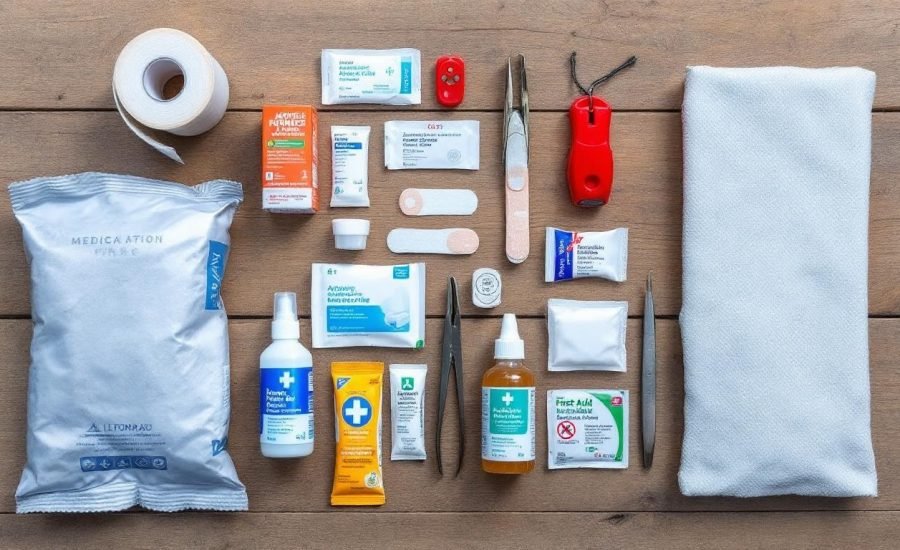
A well-organized ultralight first aid kit fits easily in a daypack or thru-hike backpack, with all supplies sorted for quick access during emergencies.
Credit: adventuremedicalkits.com
A well-organized ultralight first aid kit fits easily in a daypack or thru-hike backpack, with all supplies sorted for quick access during emergencies.
 Credit: uncommonwealth.virginiamemory.com
Organizing your kit by injury type (wound care, medications, tools) cuts down on search time when treating a blister or cut mid-hike.
Credit: uncommonwealth.virginiamemory.com
Organizing your kit by injury type (wound care, medications, tools) cuts down on search time when treating a blister or cut mid-hike.

Basic Life Support Skills for Remote Emergencies
Standard CPR training covers urban emergency scenarios, but remote AT hiking demands wilderness-specific life support skills that account for delayed response times, limited supplies, and harsh environmental conditions. Wilderness First Aid (WFA) certification, offered by groups like the American Red Cross and NOLS, teaches critical skills including how to manage severe bleeding with a tourniquet, splint fractures using trail gear like trekking poles, and recognize the early signs of hypothermia before it becomes life-threatening. Unlike standard first aid, WFA also covers how to evacuate an injured hiker safely when helicopter rescue isn’t an option, a common scenario in the AT’s dense forest and narrow ridgelines. The CDC’s outdoor health resource hub recommends WFA certification for all hikers venturing into areas with delayed emergency response. Even a basic 8-hour wilderness first aid course (costing ~$100 in 2026) dramatically improves your ability to stay calm and act effectively during a backcountry emergency, and many gear shops in trail towns offer discounted WFA courses for thru-hikers during pre-season months.
Maintaining and Restocking Your Kit On and Off the Trail
Pre-Hike and Post-Hike Check Protocol
Before every hike, do a full inventory of your first aid kit: check expiration dates on all medications, replace any used or damaged supplies, and restock missing items. After your hike, restock any items you used immediately, so your kit is ready for your next trip. For thru-hikers, plan rest stops at major trail towns like Damascus, VA, or Harpers Ferry, WV, where gear shops sell replacement first aid supplies, so you don’t have to carry extra weight for the entire trek. Keep a simple checklist in your phone or on a small card in your kit to make inventory checks fast.
Seasonal and Trip-Length Adjustments
Adjust your kit’s contents to match the season and conditions of your hike. For winter hikes, add extra chemical warmers, a lightweight emergency bivvy, and hand/foot warmers, and store all meds in an inner pocket of your pack to protect them from freezing temperatures (most liquid medications lose effectiveness below 32°F, per FDA guidance). For summer hikes, add extra insect repellent with 20-30% DEET, sunscreen, and extra electrolyte tablets to combat dehydration. If you’re hiking during tick season (April through October in most AT regions), add a small tick removal card to your kit for quick reference.
Essential Training to Pair With Your First Aid Kit
Why Wilderness First Aid Beats Standard First Aid for the AT
Standard community first aid courses cover basic skills like treating cuts and performing CPR, but they don’t address the unique challenges of remote hiking, where help may be hours away and you don’t have access to hospital-grade supplies. A wilderness first aid (WFA) certification, offered by organizations like the American Red Cross and NOLS, teaches you to treat injuries in remote settings, including splinting fractures, managing hypothermia, and cleaning wounds with limited supplies. The 2-day course costs ~$150 and is valid for 2 years, making it a worthwhile investment for any regular AT hiker. To find a certified wilderness first aid course near you, check the American Red Cross’s upcoming class schedule, tailored for hikers and outdoor enthusiasts.
Practice Drills to Build Confidence
Even with WFA training, skills fade if you don’t practice them. Before your trip, do a 30-minute drill with your hiking group: practice applying a blister pad, wrapping a sprained ankle, removing a tick with your tweezers, and using your satellite messenger to send a test check-in. A common mistake hikers make is assuming they’ll remember how to use their supplies in a high-stress emergency, but practice builds muscle memory and reduces panic. Run through a mock emergency scenario, like a group member getting a severe allergic reaction, to practice decision-making and communication before a real crisis hits.
Frequently Asked Questions
What essential items go in an Appalachian Trail first aid kit?
Every AT first aid kit should include adhesive bandages, hydrocolloid blister pads, gauze, hypoallergenic medical tape, antiseptic wipes, OTC pain relievers, antihistamines, hydrocortisone cream, anti-diarrheal medication, fine-tip tweezers, small scissors, nitrile gloves, and a compact wilderness first aid guide. Add specialized supplies for your trip’s season and length, like chemical warmers for winter hikes or extra electrolyte tablets for summer treks.
How do I pack a lightweight first aid kit for the AT?
Prioritize multi-use, ultralight items: opt for single-use medication and antiseptic packets instead of full-sized bottles, use leukotape instead of multiple types of bandage tape, and pack supplies in a waterproof 1-liter pouch instead of a bulky hard-sided case. Most hikers can build a fully stocked AT first aid kit that weighs less than 1 pound, with no sacrifice to functionality.
How often should I update my AT first aid kit?
Do a full inventory check every 3 months, and replace any expired medications, damaged supplies, or used items immediately. For thru-hikers, restock at every major trail town to replace used supplies and adjust for changing weather conditions. Never use expired medications, as they may be less effective or even dangerous.
Can I customize my first aid kit for specific AT conditions?
Yes, customize your kit based on your trip length, the season, and your personal medical needs. If you have seasonal allergies, pack extra antihistamines; if you’re hiking with a dog, add a small pet first aid kit for paw pad injuries and tick removal. For hikers with chronic conditions, pack a 3-day extra supply of prescription medications in a waterproof pouch, plus a copy of your prescription in case you need a refill at a trail town pharmacy.
Do I need a first aid kit for day hikes on the AT?
Yes, even short day hikes can lead to unexpected injuries, particularly on remote, unmarked sections of the trail where cell service is unavailable. A compact, lightweight first aid kit weighs less than half a pound and can treat common day-hike injuries like blisters, cuts, and insect bites, eliminating the need to cut your hike short.
Should I pack prescription medications in my AT first aid kit?
Yes, pack a 3-day extra supply of all prescription medications in a waterproof, labeled pouch inside your first aid kit, along with a copy of your prescription. If you’re thru-hiking, carry a note from your doctor explaining your condition and medications, in case you need care from a provider unfamiliar with your medical history.
Conclusion
A well-stocked, trail-tested Appalachian Trail first aid kit is one of the most important pieces of gear you’ll carry on the trail. It lets you treat common injuries fast, prevents minor issues from turning into trip-ending emergencies, and gives you peace of mind as you hike through remote, unpopulated stretches. Pair your kit with basic wilderness first aid training, regular practice, and seasonal adjustments, and you’ll be prepared for almost anything the AT throws at you.
For more advice on planning your AT hike, from gear lists to trail etiquette, check out our AT gear and planning tips. For more trail safety guidance and gear recommendations, explore our latest AT hiking resources. For official, up-to-date AT safety guidance, visit the Appalachian Trail Conservancy safety page.

I’m Abby Lu, a passionate home cook who loves simplifying everyday meals. At PlugChef.com, I share product reviews and cooking guides to help you find the best tools for your kitchen.
Related posts:
 Mint Juleps for a Crowd: Easy Recipes to Impress Everyone
 Oven Cleaner on Grill Grates: Ultimate Guide to Sparkling Clean BBQ
Easy Potluck Food to Buy: Quick, Tasty, and Crowd-Pleasing Ideas
Oven Cleaner on Grill Grates: Ultimate Guide to Sparkling Clean BBQ
Easy Potluck Food to Buy: Quick, Tasty, and Crowd-Pleasing Ideas
 Joanna Gaines Bow Tie Pasta: Delicious Recipe to Try Today
 How to Cut a PCB Board: Easy Steps for Precise DIY Results
 How to Cut PCB Circuit Board: Easy Steps for Precise Results

