
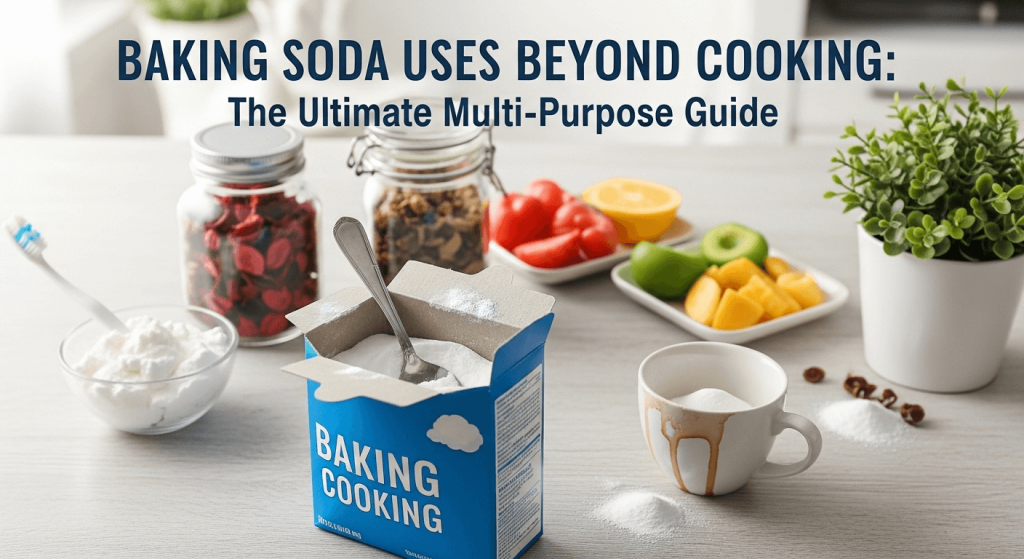
When you pull a box of baking soda from your pantry to make cookies or neutralize fridge odors, you’re using one of the most versatile, budget-friendly household staples available. Pure sodium bicarbonate, baking soda works as a mild alkali that neutralizes acidic stains, breaks down grease, and binds to odor-causing volatile organic compounds (VOCs) without releasing harsh chemicals. A 1-pound box costs less than $2, and it’s biodegradable and non-toxic, making it a go-to for eco-conscious households looking to cut back on specialty cleaners. This guide covers every practical baking soda use beyond cooking, from kitchen cleaning to garden care, plus critical safety guidelines to avoid damage to your home or belongings.
Why Baking Soda Is a Household Multi-Tasker
Baking soda’s widespread usefulness comes down to three core properties that make it far more valuable than a simple baking staple:
- Mild abrasive action: Its fine, soft granules scrub away stuck-on grime, stains, and buildup without scratching most smooth surfaces, unlike harsh chemical scouring pads.
- pH neutralization: As an alkaline substance, baking soda reacts with acidic compounds (like grease, sweat, and food stains) to break them down into water-soluble particles that rinse away easily.
- Odor absorption: Unlike air fresheners that mask smells with artificial fragrances, baking soda binds to odor-causing VOCs and traps them, eliminating smells at the source rather than covering them up.
The U.S. Environmental Protection Agency recognizes baking soda as a Safer Choice ingredient for household cleaning, as it breaks down naturally without releasing harmful pollutants Safer Choice Ingredient Profile.
Kitchen Cleaning & Food Prep Hacks
Baking soda’s mild abrasive and deodorizing properties make it a star for kitchen messes, from daily surface cleaning to deep appliance care. It’s safe for most sealed countertops, sinks, and cookware when used correctly, and costs a fraction of specialized kitchen cleaners.
For everyday surface cleaning, mix 2 tablespoons of baking soda with 1 tablespoon of warm water to form a paste. Apply to greasy stovetops, sink basins, or cabinet fronts, scrub with a stiff kitchen scrub brush to lift grime, then wipe clean with a damp cloth. For delicate stainless steel appliances or sinks, use a non-abrasive handle brush to avoid scratching the finish while polishing away smudges and water spots.
Other high-impact kitchen uses include:
- Cutting board deodorizing and stain removal: Sprinkle baking soda liberally over plastic or wood cutting boards, scrub with a brush to lift onion, garlic, or meat odors, and rinse. For set-in red wine or coffee stains, let the paste sit for 10 minutes before scrubbing.
- Microwave cleaning: Place a damp sponge sprinkled with baking soda inside the microwave and heat for 30 seconds. The moisture softens stuck-on food, and the baking soda lifts grime without harsh fumes.
- Oven degreasing: Make a thick paste of baking soda and water, coat the interior of your oven (avoiding heating elements), let sit overnight, then wipe clean with a damp cloth. For tough burnt-on buildup, add a spritz of white vinegar to react with the baking soda for extra lifting power.
- Coffee maker descaling: Add ½ cup baking soda to the water reservoir, run a full brew cycle, then rinse thoroughly with plain water to remove mineral deposits and old coffee oils that cause bitter brews.
- Dishware deodorizing: Add 2 tablespoons of baking soda to your dishwasher’s detergent compartment or the bottom of the sink when washing dishes to eliminate fish, onion, or garlic odors from plastic containers and dishware.
 Baking soda’s mild abrasive action makes it safe for most kitchen surfaces when paired with a soft-bristled brush
Laundry Boosters & Stain Removal
Baking soda is a powerhouse for laundry, cutting down on the need for harsh bleach, fabric softeners, and specialty stain removers. It works with your regular detergent to brighten fabrics, eliminate odors, and soften hard water, which improves detergent effectiveness for darker, brighter colors.
For general laundry boosting, add ½ cup of baking soda to your washing machine drum with your usual detergent for every load. This is safe for all machine types, including high-efficiency (HE) models, and won’t leave residue on clothes or inside your washer.
For tough stains like underarm sweat, grass, or fruit juice, make a thick paste of baking soda and water, apply it directly to the stain, and let it sit for 30 minutes before washing. For set-in stains, scrub the paste into the fabric with a small dish cleaning brush to lift the grime before running the cycle. Baking soda also works wonders for:
- Brightening dingy white towels and sheets that have grayed from hard water or body oils
- Deodorizing workout clothes, socks, and fabric shoes without adding artificial fragrances
- Neutralizing pet odors from bedding, blankets, and washable pet toys
Odor Elimination for Every Room
Unlike plug-in air fresheners or scented candles that only mask odors temporarily, baking soda eliminates smells at the source by binding to odor-causing molecules. It’s safe for use around kids and pets when used as directed, and costs pennies per use compared to disposable odor absorbers.
The most common odor-eliminating uses include:
- Fridge deodorizing: Place an open box of baking soda on a back shelf to absorb food odors, spills, and expired item smells. Replace the box every 3 months for best results.
- Carpet and upholstery deodorizing: Sprinkle a thin layer of baking soda over carpets, rugs, or fabric couch cushions, let sit for 15 minutes, then vacuum thoroughly. For pet accidents, let it sit for 1 hour to fully absorb odor and moisture.
- Shoe and locker deodorizing: Fill small cloth sachets with baking soda and tuck them into shoes, gym bags, or lockers overnight to eliminate sweat and mildew smells.
- Litter box deodorizing: Sprinkle a thin layer of baking soda on top of cat litter each time you change it, or mix ½ cup into the litter during changes to reduce ammonia odors.
- Garbage can deodorizing: Sprinkle 2 tablespoons of baking soda in the bottom of your kitchen garbage can before inserting a new bag to absorb food waste smells between disposals.
- Tupperware and food storage deodorizing: Make a paste of baking soda and water, coat the inside of smelly plastic containers, let sit for 10 minutes, then wash as usual to remove onion, garlic, or curry odors that linger in plastic.
A common mistake is using baking soda on wet surfaces, which causes it to clump and lose its odor-absorbing effectiveness. Always apply to dry surfaces, and vacuum or wipe away residue after the recommended sit time.
Personal Care & Beauty Uses (With Safety Guidelines)
Baking soda’s gentle abrasive and pH-balancing properties make it a popular natural alternative to commercial personal care products, but it’s important to use it correctly to avoid skin irritation or damage. The American Dental Association notes that while baking soda can remove surface stains from teeth, its abrasive texture may wear down tooth enamel with frequent use, so limit use to 2-3 times per week ADA Oral Health Tips.
Safe, effective personal care uses include:
- Gentle teeth whitening: Mix a pea-sized amount of baking soda with water to form a paste, brush gently over teeth for 1 minute, then rinse thoroughly. Do not use daily, as frequent abrasion can damage enamel.
- Natural deodorant alternative: Dab a small amount of baking soda paste on underarms to neutralize odor-causing bacteria. Test on a small patch of skin first, as some people experience irritation from prolonged use.
- Exfoliator for skin and scalp: Mix baking soda with water or your usual body wash to form a paste, scrub gently on calluses, elbows, or your scalp to remove dead skin and product buildup. Use a soft-bristled bath and kitchen brush for gentle, even exfoliation without irritating skin. Limit use to 2-3 times per week to avoid disrupting your skin’s natural pH barrier.
- Bug bite and sunburn relief: Make a thick paste of baking soda and water, apply to mosquito bites, bee stings, or mild sunburn to reduce itching and inflammation. Let sit for 10 minutes, then rinse with cool water.
- Foot soak for calluses: Add ½ cup of baking soda to a basin of warm water, soak feet for 15 minutes to soften calluses and reduce foot odor.
Baking soda can be used in multiple personal care routines, but always test for skin sensitivity first
Household Repair & Maintenance Hacks
Beyond cleaning and self-care, baking soda is a handy tool for small home repairs and maintenance tasks, often replacing expensive specialty products:
- Unclog slow drains: Pour ½ cup of baking soda down the clogged drain, followed by 1 cup of white vinegar. Let the mixture fizz for 10 minutes to break down grease and food buildup, then flush with a kettle of boiling water. Dislodge any loose grime first with a professional kitchen cleaning brush for extra clog-fighting power. Never use this method if you’ve recently used a chemical drain cleaner, as the reaction can produce dangerous fumes.
- Extinguish small grease fires: Keep a box of baking soda near your stove for emergency use. It smothers small, contained grease fires by releasing carbon dioxide and cutting off oxygen. Only use this for small, shallow fires; for large fires, evacuate immediately and call 911.
- Clean painted walls: Make a paste of baking soda and water, rub gently on crayon, pencil, or scuff marks on drywall or painted surfaces, then wipe clean with a damp cloth. It lifts marks without damaging the paint finish.
- De-ice walkways and driveways: Sprinkle baking soda on icy patches in winter. It’s less corrosive to concrete, asphalt, and pet paws than rock salt, making it a safer alternative for homes with kids and animals.
Garden & Outdoor Applications
Baking soda’s pH-adjusting and mild antifungal properties make it useful for low-toxicity garden care:
- Adjust soil pH for plants: Mix 1-2 tablespoons of baking soda per square foot of soil to raise pH levels for plants that prefer alkaline conditions, like hydrangeas (to encourage blue blooms) or lavender. Avoid using large amounts in garden beds, as high pH can harm beneficial soil microbes and acid-loving plants like blueberries or azaleas.
- Kill driveway weeds: Sprinkle baking soda directly on young weed sprouts growing in pavement cracks or patio gaps. It draws moisture out of the plants, killing them without the use of harsh chemical herbicides.
- Clean garden tools: Make a thick paste of baking soda and water, scrub rusty or dirty shovels, trowels, and pruning shears, then rinse and dry thoroughly to prevent further rust.
- Freshen compost bins: Sprinkle a thin layer of baking soda on top of kitchen compost waste to reduce odors and deter pests like fruit flies and ants.
Safety & Limitations to Know
While baking soda is non-toxic and safe for most household uses, it’s not appropriate for every surface or situation. Follow these guidelines to avoid damage or irritation:
- Avoid unsealed natural stone: Never use baking soda on unsealed granite, marble, travertine, or slate. Its mild abrasive texture can etch the surface, and its alkaline pH can cause permanent discoloration.
- Avoid aluminum surfaces: Baking soda reacts with aluminum, causing oxidation and dark, pitted marks on pots, pans, and aluminum siding.
- Test first: Always test baking soda on a small, inconspicuous area of any surface before full application, especially on delicate or finished materials.
- Store safely: Keep baking soda in a cool, dry place, and store it in high, locked cabinets if you have young children or curious pets. For extra security, use child-proof cabinet locks to prevent accidental access.
- Never mix with chemical cleaners: Do not combine baking soda with bleach, ammonia, or commercial drain cleaners, as the reaction can produce toxic fumes.
Quick Reference Comparison Table
| Use Case | Application Steps | Best For | Key Safety Note |
|---|---|---|---|
| Kitchen surface cleaning | Make a paste with water, scrub with a soft brush, rinse | Grease, stuck-on food, stainless steel smudges | Avoid unsealed stone and aluminum |
| Laundry brightening | Add ½ cup to the wash cycle with detergent | Dingy whites, sweat odors, hard water stains | Safe for all machine types, including HE |
| Odor elimination | Place an open box in enclosed spaces, or sprinkle on fabrics/carpets and vacuum after 15 minutes | Fridge, shoes, carpets, litter boxes | Don’t use on wet surfaces, as it can clump |
| Slow drain unclogging | Pour ½ cup down drain, add 1 cup white vinegar, wait 10 minutes, flush with boiling water | Minor clogs from grease and food debris | Never use after chemical drain cleaners |
| Gentle exfoliation | Mix with water or body wash to form a paste, scrub gently, rinse | Calluses, scalp product buildup, bug bites | Limit to 2-3 times per week to avoid skin irritation |
| Garden soil adjustment | Sprinkle on weed sprouts in pavement cracks, or mix small amounts into soil for plants that prefer alkaline conditions | Killing young weeds, raising soil pH for specific plants | Don’t apply to large garden beds, as it can harm beneficial microbes |
Frequently Asked Questions
- Can baking soda damage surfaces? Yes, if used on unsealed natural stone, aluminum, or delicate finished surfaces. Always test on a small hidden area first, and avoid prolonged contact with porous materials like unsealed grout or untreated wood.
- How often can I use baking soda on my skin? Limit baking soda exfoliation or personal care uses to 2-3 times per week. Its high pH can disrupt your skin’s natural acid barrier, leading to dryness, redness, or irritation if used daily.
- Is baking soda safe for septic systems? Yes, in moderate amounts. Baking soda is non-toxic and won’t harm the beneficial bacteria in your septic tank, unlike harsh chemical cleaners that can kill the microbes needed to break down waste.
- Can I use baking soda to clean my coffee maker? Absolutely. Add ½ cup baking soda to the water reservoir, run a full brew cycle, then rinse thoroughly with plain water to remove any residue. This removes mineral buildup and old coffee oils without harsh descaling chemicals.
- Does baking soda really whiten clothes? Yes, baking soda’s mild abrasive action lifts set-in stains, while its pH-neutralizing properties break down the acids in sweat and grass stains that cause dinginess. It also softens hard water, so your detergent works more effectively to brighten fabrics without fading colors.
- Can I use baking soda to kill fleas on my pet? No, baking soda is not an effective flea treatment for pets. While it may kill some fleas on contact, it won’t eliminate flea eggs or larvae, and can irritate your pet’s skin or cause stomach upset if ingested during grooming. Stick to vet-recommended flea treatments for pets.
Final Thoughts
Baking soda’s value extends far beyond the baking aisle: it’s a budget-friendly, non-toxic, eco-friendly alternative to dozens of specialized household products, from harsh cleaners to air fresheners to personal care items. By keeping a box in your pantry, cleaning closet, and garage, you can tackle almost any household mess without exposing your family to harmful chemicals or spending extra on single-use products.
For more simple, eco-friendly home hacks and product recommendations, browse our full library of household guides and reviews.

I’m Abby Lu, a passionate home cook who loves simplifying everyday meals. At PlugChef.com, I share product reviews and cooking guides to help you find the best tools for your kitchen.
Related posts:
 How to Make a Fruit Basket for a Gift: Easy DIY Guide
 Do You Need a Basket? Essential Guide for Air Fryers
 How to Adjust Syrup Dispenser Pressure: Expert Tips
 What Blenders Do Tropical Smoothie Use: Expert Insights
Stainless Steel Vs White Kitchen Appliances: Ultimate Showdown
What Blenders Do Tropical Smoothie Use: Expert Insights
Stainless Steel Vs White Kitchen Appliances: Ultimate Showdown
 Kitchen Appliances for Wedding Registry: Must-Have Essentials

