
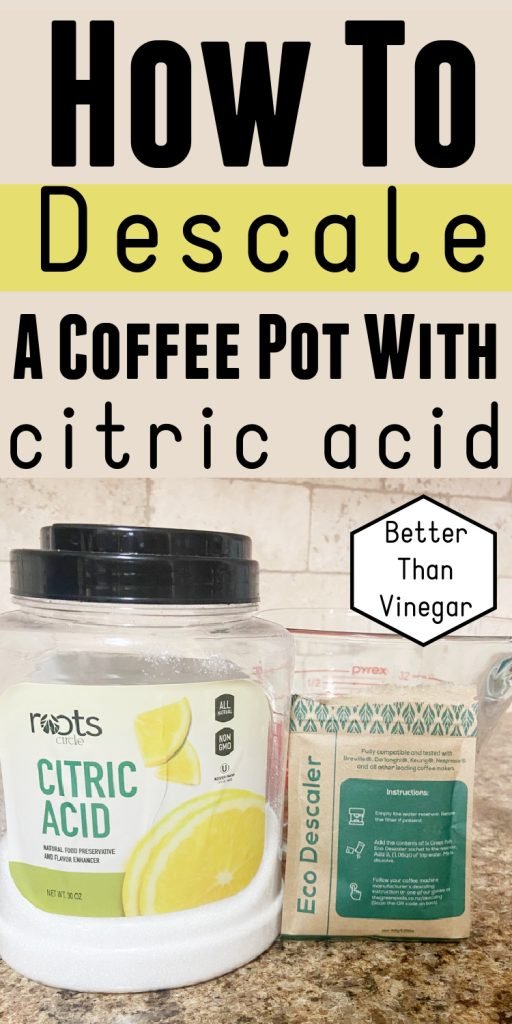
Stubborn limescale on your kettle, slow-brewing coffee maker, spotty glassware from your dishwasher, and low-water-pressure showerheads are all telltale signs of hard water mineral buildup. Many homeowners turn to harsh commercial descalers to fix these issues, but these products often contain toxic chemicals, leave strong fumes, risk corroding appliance components, and cost a fortune over time. Citric acid, a mild organic acid derived from citrus fruits, offers a far safer, cheaper, and equally effective alternative for removing limescale and preventing future buildup. In this guide, we’ll break down exactly how citric acid works as a descaler, its key benefits, step-by-step usage instructions for every common household appliance, how it stacks up against other descaling options, and critical safety tips to get the best results without damaging your home or your health.
What Is Citric Acid, And Why Does It Work As A Descaler?
Citric acid is a weak organic acid naturally found in citrus fruits like lemons, limes, and oranges, and is mass-produced for household use via fermentation of sugars by mold. Food-grade citric acid, the type sold for cleaning and cooking, has a pH of 2–3, making it acidic enough to dissolve mineral deposits without being corrosive to most household surfaces. Unlike harsh mineral acids like hydrochloric acid, citric acid is non-toxic, biodegradable, and safe for use on appliances that contact food, making it a go-to for kitchen and bathroom descaling. Its unique molecular structure also allows it to bind to metal ions, preventing them from re-depositing on surfaces after cleaning.
 Pure food-grade citric acid is the safest option for kitchen and appliance descaling.
Credit: www.amazon.co.uk
Pure food-grade citric acid is the safest option for kitchen and appliance descaling.
Credit: www.amazon.co.uk
Key Benefits Of Citric Acid For Descaling
Citric acid has become a top choice for natural descaling for good reason: it outperforms many conventional options while eliminating the downsides of harsh chemicals and strong odors.
Natural, Biodegradable, And Non-Toxic
Unlike many commercial descalers that contain harsh acids and synthetic fragrances, food-grade citric acid is recognized as a safe, low-toxicity cleaning option by university extension programs, including the University of Minnesota’s natural cleaning guidelines natural cleaning products guide. It breaks down into harmless components when rinsed away, leaves no toxic residues on surfaces, and is safe for septic systems, making it ideal for eco-conscious households.
Safe For All Common Household Surfaces
Citric acid works on stainless steel, glass, ceramic, plastic, chrome, and enamel without causing scratches, dulling, or corrosion. It’s also approved for use on food-contact surfaces by food safety authorities, so you don’t have to worry about chemical residue left in coffee makers, kettles, or dishwashers. The only exception is natural stone surfaces (marble, granite, limestone, travertine): its acidity will etch and dull these porous materials permanently, so avoid using it on stone countertops or tile.
Powerful Yet Gentle On Appliances
Citric acid dissolves limescale (primarily calcium carbonate) without corroding rubber seals, heating elements, or metal components like some acidic cleaners do. It also neutralizes alkaline hard water residues that cause future scale buildup, improving appliance efficiency and extending lifespan by preventing clogs and overheating. In practice, regular citric acid descaling can add 1–2 years to the life of your coffee maker, kettle, or dishwasher.
Cost-Effective And Widely Accessible
A 1-pound bag of food-grade citric acid costs less than $5 and can descale dozens of loads of laundry, coffee makers, and kettles, compared to $10+ per bottle of commercial descaler that only lasts a few uses. It’s available at almost every grocery store, bulk store, and online retailer, so you never have to go out of your way to pick it up.
How Citric Acid Removes Limescale And Mineral Buildup
Limescale forms when hard water (water with high levels of dissolved calcium and magnesium bicarbonate) is heated or evaporates, leaving behind mineral deposits made primarily of calcium carbonate (CaCO₃). Citric acid (C₆H₈O₇) removes these deposits via two complementary processes:
- Neutralization: Citric acid reacts with calcium carbonate in a chemical reaction that forms soluble calcium citrate, water, and carbon dioxide gas. The calcium citrate dissolves easily in water, so it rinses away with no heavy scrubbing required for light buildup.
- Chelation: Citric acid’s three carboxyl groups bind to free calcium and magnesium ions in hard water, preventing them from re-depositing on surfaces and forming new scale. This dual action makes it far more effective at long-term scale prevention than many other natural cleaners.
Common Household And Commercial Uses For Citric Acid Descaler
Citric acid works for almost any surface or appliance affected by hard water mineral buildup. Below are the most common use cases, with specific dilution and timing guidance for best results.
Coffee Makers And Electric Kettles
These are the most popular use cases for citric acid, as limescale buildup slows heating, causes bitter off-flavors in coffee and tea, and can clog internal components. For electric kettles: mix 1–2 tablespoons of citric acid per 1 liter of warm water, fill to the max line, bring to a boil, let sit 15–30 minutes for heavy buildup, then boil once more, empty, and rinse 2–3 times with plain water. For drip coffee makers: pour the same ratio of solution into the water reservoir, run a full brew cycle (without coffee grounds), let sit 15 minutes, then run 2–3 full cycles of plain water to rinse. For hard-to-reach crevices in coffee carafes or kettle spouts, a small-hole cleaning brush set removes leftover residue that rinsing alone can’t reach.
Showerheads And Faucet Aerators
Clogged showerheads reduce water pressure by up to 30% from limescale buildup in the nozzles, and faucet aerators spray unevenly when clogged with mineral bits. Mix 1 part citric acid to 4 parts warm water, remove the showerhead or aerator, submerge in the solution for 30 minutes to 1 hour for heavy buildup, then scrub with a soft brush to remove loosened scale, rinse, and reattach. For fixed showerheads, fill a plastic bag with the solution, tie it around the head with a rubber band, let sit, then remove and rinse. For stubborn leftover deposits, a stiff-bristled scrub brush agitates loosened scale without scratching sensitive surfaces like chrome or ceramic.
Dishwashers And Washing Machines
Scale buildup in these appliances reduces cleaning efficiency, leaves spots on dishware and clothing, and can damage internal pumps and heating elements. For dishwashers: add ½ cup citric acid to the bottom of the empty drum, run the hottest, longest cycle available, then wipe the door seal and filter. For washing machines: add ½ cup citric acid to the detergent dispenser, run a hot water cycle (no laundry), then wipe the drum seal and detergent drawer. Pair regular citric acid descaling with a heavy-duty kitchen scrub brush to scrub the filter and spray arms, removing trapped food particles and scale for better cleaning performance.
Humidifiers, Steam Irons, And Outdoor Fixtures
Scale buildup in humidifier tanks breeds mold and reduces mist output, while clogged steam iron vents cause water spots on clothing. Outdoor hose nozzles and garden faucets also get crusty scale from constant water exposure. Use the same 1–2 tablespoons per 1 liter of water ratio, soak removable parts for 15–30 minutes, rinse thoroughly. For steam irons, fill the water tank with the solution, turn on the steam function for 2–3 minutes, then empty and rinse with plain water.
 Warm (not boiling) water dissolves citric acid powder fully for even, effective descaling.
Credit: www.amazon.com
Warm (not boiling) water dissolves citric acid powder fully for even, effective descaling.
Credit: www.amazon.com
Step-By-Step Guide To Descaling With Citric Acid
Descaling with citric acid takes minimal time and effort, but following these steps will ensure you get the best results without damaging your appliances or surfaces.
Step 1: Prepare The Correct Solution
First, clear the appliance of any food, coffee grounds, or debris to avoid mixing scale with gunk. For light scale buildup, mix 1 tablespoon of food-grade citric acid powder with 1 liter of warm (not boiling) water; for heavy, crusty scale, use 2–3 tablespoons per liter. Stir until the powder is fully dissolved — undissolved grit can clog small openings in appliances like kettles or coffee makers. A common mistake is using boiling water to mix the solution, which can degrade the citric acid and reduce its effectiveness; warm water is sufficient to activate the acid.
Step 2: Apply And Soak
Pour the solution into the appliance, or submerge removable parts (showerheads, aerators) in a bowl of solution. Let it sit for 15 minutes for light buildup, up to 1 hour for heavy, years-old scale. For appliances with heating elements (kettles, coffee makers), you can bring the solution to a gentle boil to speed up the reaction, but don’t leave it unattended.
Step 3: Scrub Loose Deposits
After soaking, use a soft-bristled brush to agitate any loosened scale. For small crevices, use a toothbrush or precision brush to get into hard-to-reach spots. Avoid abrasive scrubbers like steel wool, which can scratch stainless steel, glass, or ceramic surfaces. Pair citric acid descaling with reusable cleaning tools like a long-handled kitchen brush to cut down on single-use plastic waste and reduce your household’s environmental footprint.
Step 4: Rinse Thoroughly
Empty the solution from the appliance, then rinse all surfaces and internal components with plain water 2–3 times. For coffee makers and kettles, run 2–3 full cycles of plain water to flush out any residual acid, which can leave a sour aftertaste if not fully removed.
Step 5: Dry And Maintain
Wipe all surfaces dry with a clean cloth to prevent new water spots. Descale every 1–3 months depending on your local water hardness: if you have very hard water (above 180 parts per million of dissolved minerals), descale every 4–6 weeks; if you have soft water, every 3 months is sufficient. Store citric acid in a locked cabinet alongside other cleaning supplies, using no-drill child locks for easy, damage-free installation if you have young kids or pets.
Citric Acid Vs. Other Common Descalers
While citric acid is a top choice for most household use cases, it’s helpful to compare it directly to other popular descaling options to pick the right tool for your needs.
| Feature | Citric Acid | White Vinegar | Commercial Chemical Descaler |
|---|---|---|---|
| Active Cleaning Agent | Citric acid (weak organic acid) | Acetic acid (weak organic acid) | Phosphoric acid, sulfamic acid, or harsh synthetic solvents |
| Scent | Mild, neutral | Strong, pungent vinegar smell | Often fragranced, sometimes chemical odor |
| Surface Safety | Safe for stainless steel, glass, ceramic, plastic, chrome | Safe for most surfaces, but can corrode rubber seals and metal with repeated use | Risk of corroding metal, damaging rubber components, and etching surfaces if misused |
| Corrosion Risk | Very low | Moderate (long-term use can damage appliance parts) | High for sensitive components like coffee maker heating elements |
| Cost Per Use | ~$0.10 per descaling cycle | ~$0.05 per cycle | ~$0.50+ per cycle |
| Environmental Impact | Biodegradable, non-toxic, safe for septic systems | Biodegradable, but strong acetic acid can harm aquatic life in large quantities | Often non-biodegradable, requires special disposal in some regions |
| Best Use Case | Food-contact appliances, regular household descaling, households with kids/pets | Outdoor fixtures, quick fixes for minor scale | Heavy industrial scale, severe buildup where speed is prioritized |
In practice, citric acid is the most versatile option for most household use cases. White vinegar is a close second for budget-conscious users, but its strong odor, risk of corroding rubber seals in coffee makers and dishwashers, and tendency to leave a lingering taste make it less ideal for food-contact appliances. Commercial descalers work quickly for extreme, long-term scale buildup, but their high cost, toxicity, and risk of damaging appliance components make them a poor choice for routine home use. A common mistake is assuming vinegar is a 1:1 swap for citric acid — while it works for outdoor faucets, it’s not recommended for regular use in coffee makers or electric kettles, as repeated exposure to acetic acid can degrade internal seals and lead to leaks over time.
 Citric acid removes limescale without scratching or dulling metal finishes.
Credit: www.amazon.ca
Citric acid removes limescale without scratching or dulling metal finishes.
Credit: www.amazon.ca
Safety Precautions And Proper Storage
Food-grade citric acid is low-toxicity, but following basic safety guidelines will prevent irritation, surface damage, and accidental exposure.
Handling And Usage Safety
Always wear gloves if you have sensitive skin, and avoid inhaling the powder when mixing solutions. Never mix citric acid with bleach, ammonia, or other household cleaners: this creates toxic chloramine or chlorine gas, which can cause serious respiratory harm. The U.S. Environmental Protection Agency warns that mixing acidic cleaning products like citric acid with bleach or ammonia-based cleaners can release toxic gases, so always use citric acid on its own for descaling Safer Choice product guidelines. If you get citric acid in your eyes, rinse with cool water for 15 minutes and seek medical help if irritation persists. Avoid using citric acid on natural stone surfaces (marble, granite, limestone) as its acidity will etch and dull the finish permanently.
Storage Guidelines
Citric acid is hygroscopic, meaning it absorbs moisture from the air, which can cause it to clump or degrade over time. Store it in an airtight, clearly labeled container in a cool, dry place away from direct sunlight. Keep it out of reach of children and pets: while food-grade citric acid is low-toxicity, ingestion of large amounts can cause stomach upset. Non-food-grade citric acid (marketed for industrial or pool use) may contain harmful additives, so only use food-grade citric acid for household cleaning and descaling.
Frequently Asked Questions
What Is Citric Acid Used For As A Descaler?
Citric acid is a mild organic acid that dissolves limescale and mineral deposits (primarily calcium and magnesium carbonates) from household appliances, fixtures, and surfaces. It’s commonly used to descale coffee makers, electric kettles, showerheads, dishwashers, washing machines, humidifiers, and steam irons, as well as to remove hard water spots from glass, tile, and chrome fixtures.
How Does Citric Acid Work To Remove Limescale?
Citric acid reacts with calcium carbonate (the main component of limescale) in a neutralization reaction, forming soluble calcium citrate that rinses away with water. It also acts as a chelating agent, binding to free calcium and magnesium ions in hard water to prevent them from re-depositing on surfaces and causing new scale buildup.
Can Citric Acid Be Used On All Appliances?
Citric acid is safe for most common household appliances, including coffee makers, kettles, dishwashers, and washing machines. However, avoid using it on natural stone surfaces (marble, granite, limestone) as it will etch the finish, and always check your appliance manufacturer’s guidelines before use, especially for high-end or vintage models with delicate internal components.
How To Use Citric Acid For Descaling Effectively?
For light scale buildup, mix 1 tablespoon of food-grade citric acid with 1 liter of warm water. For heavy buildup, use 2–3 tablespoons per liter. Apply the solution to the affected area, let it sit for 15 minutes to 1 hour, scrub with a soft brush if needed, then rinse thoroughly with plain water. For appliances, run 2–3 plain water cycles after descaling to remove all residual acid.
How Often Should I Descale With Citric Acid?
Descaling frequency depends on your local water hardness. If you have very hard water (above 180 parts per million of dissolved minerals), descale every 4–6 weeks. For moderate hard water, every 2 months is sufficient, and for soft water, every 3 months is enough. If you notice reduced appliance performance, off tastes in drinking water, or low water pressure, it’s time to descale regardless of your schedule.
Can Citric Acid Remove Rust?
Citric acid can remove light surface rust from metal fixtures and appliances, but it is not effective for heavy, deep rust. For rust removal, use a dedicated rust remover or a more concentrated acidic solution, and always test on a small hidden area first to avoid damaging the surface.
Conclusion
Citric acid is a low-cost, non-toxic, versatile solution for eliminating limescale and mineral buildup from every corner of your home. It outperforms vinegar for food-contact appliances, is safer and more affordable than commercial descalers, and is easy to use with minimal equipment. Regular descaling with citric acid extends the lifespan of your appliances, improves their performance, and eliminates the hassle of stubborn, unsightly scale. Ready to tackle your home’s worst limescale buildup? Stock up on food-grade citric acid and pair it with a professional-grade kitchen cleaning brush to agitate loosened scale and get your appliances and fixtures looking like new in no time.

I’m Abby Lu, a passionate home cook who loves simplifying everyday meals. At PlugChef.com, I share product reviews and cooking guides to help you find the best tools for your kitchen.
Related posts:
 How to Make a Fruit Basket for a Gift: Easy DIY Guide
 Do You Need a Basket? Essential Guide for Air Fryers
 How to Adjust Syrup Dispenser Pressure: Expert Tips
 White Appliances in Kitchen Design: Elevate Your Space
 Kitchen Appliances Stainless Steel Vs White: Ultimate Showdown
 Kitchen Appliances Made in Usa: Quality and Innovation

