
If you love the rich, bold, slightly spiced flavor of a classic Spanish carajillo but don’t have a bottle of Licor 43 on hand, you’re in luck: the iconic liqueur is a mid-20th century addition to a drink that dates back to the 1800s, and you can make an equally delicious, authentic version with pantry staples or easy-to-find substitutes. This guide walks you through the history of the carajillo, the best Licor 43 alternatives for every taste preference, a step-by-step recipe for a balanced, flavorful drink, and pro tips to avoid common mistakes that ruin the texture and taste. Whether you prefer your carajillo hot after dinner or iced on a warm afternoon, this easy recipe requires no special ingredients or fancy bar tools to make a perfectly balanced, café-worthy sip at home.
If you’re hosting a family gathering with both adult and child guests, installing child safety locks for cabinets on low storage units keeps alcohol out of reach while you serve.
What Is a Carajillo?
The carajillo is a beloved Spanish coffee cocktail defined by one simple rule: strong, bitter coffee mixed with a spirit, served hot or over ice. Unlike creamy coffee cocktails like Irish coffee, it has no dairy, letting the bold, roasted notes of the coffee and the warm, complex flavor of the alcohol take center stage.
Origins & History
The carajillo’s origins trace back to 19th-century Spanish colonial troops stationed in Cuba and the Philippines, who mixed strong, locally grown coffee with inexpensive aguardiente (sugarcane spirit) to cut the bitterness of low-quality coffee and warm up during cold morning patrols. The drink spread across the Iberian Peninsula and Latin America over the late 1800s, with each region adapting it to local spirits: in Spain, brandy de Jerez (sherry-aged brandy from the Jerez region) became the standard, while in Mexico, dark rum is often used. Licor 43, the vanilla-citrus liqueur most associated with carajillo today, wasn’t invented until 1948 in Cartagena, Spain — meaning the “classic” carajillo most people know is actually a mid-20th century variation of a much older, simpler drink. In practice, traditional Spanish carajillos almost never include Licor 43, making this recipe a more accurate nod to the drink’s original form.
Core Flavor Profile
A well-made carajillo balances three core flavors: bitter, roasted coffee; warm, oaky spirit; and a touch of sweetness to tie them together. The coffee provides a bold, earthy base, the spirit adds depth and a gentle alcoholic kick, and a small amount of sweetener rounds out harsh edges without making the drink taste like dessert. When made without Licor 43, the flavor profile shifts slightly depending on your substitute: brandy adds nutty, oaky notes, rum adds caramel and molasses, and non-alcoholic vanilla syrup adds bright citrus and vanilla for a lighter, daytime-friendly version. The key to authenticity is keeping the coffee stronger than the spirit, so the drink tastes like coffee first, cocktail second.
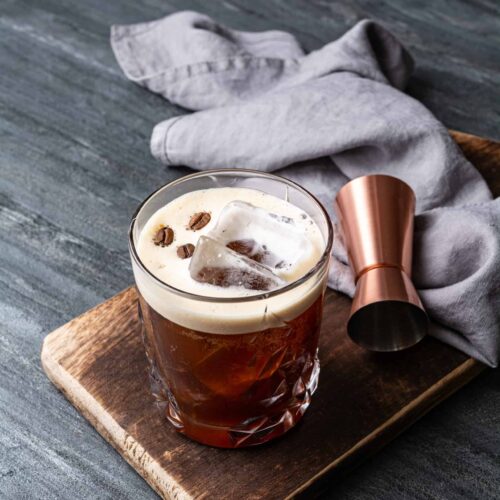 Credit: twistandtoast.com
A classic hot carajillo, traditionally served after meals in Spain.
Credit: twistandtoast.com
A classic hot carajillo, traditionally served after meals in Spain.
Why Skip Licor 43?
Licor 43 is the most famous carajillo liqueur for good reason: its unique blend of 43 secret ingredients (including vanilla, citrus, and spices) adds a bright, complex sweetness that pairs perfectly with coffee. But there are plenty of reasons to skip it for your at-home carajillo:
- It can be hard to find in some regions, especially outside of major cities or outside of Spain and Latin America.
- It is significantly more expensive than common substitutes like brandy or rum, making it a costly choice for casual use.
- Its 31% ABV is higher than many other common liqueurs, so it can make the drink overly boozy if you prefer a milder kick.
- Some people find its intense vanilla and citrus notes overpower the coffee’s natural flavor, preferring a more neutral spirit base.
This recipe delivers the same balanced, warm flavor of a traditional carajillo without the need to hunt for a niche, pricey liqueur.
Best Substitutes for Licor 43
The best Licor 43 substitute depends on the flavor profile you prefer and what you have on hand. Below are the most popular options, with specific ratios and use cases to help you choose:
Alcoholic Options
For a traditional, boozy carajillo, these substitutes work perfectly:
- Brandy de Jerez: The most authentic choice, with nutty, oaky, slightly sweet notes that pair perfectly with dark coffee. Use a 1:1 ratio with espresso for a balanced, traditional taste.
- Dark rum: Adds rich molasses and caramel notes, ideal for a sweeter, Caribbean-inspired version. Use a 1:1 ratio, and skip extra sweetener unless you prefer very sweet drinks.
- Amaretto: Nutty, almond-forward, and less sweet than Licor 43. Use a 0.75:1 ratio with espresso (0.75 oz amaretto per 1 oz espresso) and add 0.25 oz of hot water to thin it out if needed.
- Bourbon or whiskey: Adds vanilla and oak notes with a warm, smoky kick. Use a 1:1 ratio, and add a small pinch of cinnamon to mimic Licor 43’s spiced notes.
A common mistake is using a very light, neutral spirit like vodka, which adds no flavor and makes the drink taste like plain coffee with alcohol — stick to aged, flavorful spirits for the best results.
Non-Alcoholic Options
For a daytime, family-friendly, or sober version of carajillo, this non-alcoholic substitute mimics Licor 43’s vanilla-citrus profile perfectly:
- 1.5 oz strong brewed dark roast coffee
- 0.5 oz vanilla simple syrup (equal parts sugar and water, infused with 1 split vanilla bean)
- 0.25 oz orange extract or fresh orange juice
Mix all ingredients and serve hot or over ice. You can also add a splash of sparkling water for a light, fizzy version.
Authentic Carajillo Recipe Without Licor 43
This recipe serves 1 and takes 5 minutes to make, with no special equipment required. It delivers the same balanced, warm flavor of a traditional Spanish carajillo, using accessible ingredients.
Ingredients
- 2 oz (60ml) fresh espresso or strong dark roast coffee (espresso is preferred for its concentrated flavor)
- 1.5 oz (45ml) Licor 43 substitute of your choice (see options above)
- 0.25 oz (7ml) simple syrup, honey, or brown sugar (optional, adjust to taste)
- Ice (for iced version only)
- Optional garnish: cinnamon stick, orange peel, pinch of ground nutmeg
Step-by-Step Instructions
- Brew your espresso first: use freshly ground, medium-dark roast beans, and brew to the Specialty Coffee Association's espresso standards for the strongest, most flavorful base. If you don’t have an espresso machine, use 2 oz of highly concentrated dark roast coffee made with a French press or Aeropress.
- Add your chosen spirit (or non-alcoholic substitute) to a heatproof rocks glass or small mug. If using a less sweet substitute like brandy or bourbon, add your sweetener now to help it dissolve.
- Slowly pour the hot espresso over the spirit in a thin, steady stream. This blends the flavors gently without shocking the alcohol, which can make the drink taste harsh.
- Stir once to combine, then add your garnish if desired.
- Serve immediately while hot, or pour over ice for an iced version.
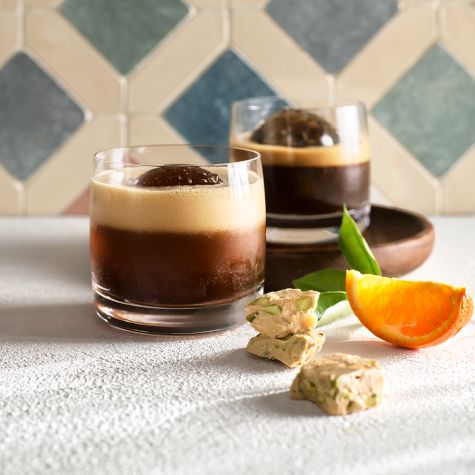 Credit: www.williams-sonoma.com
Pouring hot espresso over the spirit slowly is key to balancing flavors.
Credit: www.williams-sonoma.com
Pouring hot espresso over the spirit slowly is key to balancing flavors.
Serving & Pairing Suggestions
How you serve your carajillo can elevate the experience from a quick pick-me-up to a deliberate, enjoyable moment.
Glassware
For hot carajillo, use a small heatproof glass mug or a clear rocks glass: the clear glass lets you admire the drink’s rich dark color, while the mug keeps your hands warm as you sip. For iced carajillo, a short tumbler or rocks glass with a wide rim works best, as it lets the aromas hit your nose before you take a sip. Always wash your serving glasses with a mild, unscented dish soap and a soft dish washing brush with handle to avoid soap residue that can alter the carajillo’s delicate flavor.
Food Pairings
Carajillo is traditionally served as an after-dinner drink in Spain, so it pairs perfectly with sweet, rich, or savory small bites:
- Sweet pairings: Biscotti, shortbread cookies, dark chocolate, or flan balance the coffee’s bitterness with creamy, sweet notes.
- Savory pairings: Salted smoked almonds or aged manchego cheese cut through the drink’s sweetness and highlight its warm, spiced notes. For a full after-dinner spread, pair your carajillo with aged manchego, dark chocolate, and sliced cured meats — if you’re cutting your own cheese for the board, follow our guide to cutting round cheese for boards for uniform, elegant slices.
Pro Tips for Truly Authentic Flavor
Even with simple ingredients, small tweaks can make the difference between a mediocre carajillo and a café-quality drink:
- Use freshly ground coffee: Pre-ground coffee loses its flavor within hours of grinding, leading to a flat, stale base for your drink. Grind your beans right before brewing for the brightest, most robust flavor.
- Don’t over-sweeten: Licor 43 is already quite sweet, so if you’re using a less sweet substitute like brandy or bourbon, start with 0.25 oz of sweetener and taste before adding more. The goal is to balance the coffee’s bitterness, not make the drink taste like dessert.
- Brew strong coffee: Weak, watery coffee will get lost under the spirit’s flavor, leading to a drink that tastes mostly like alcohol. Use twice as much coffee as you would for a regular cup to get a concentrated, bold base.
- Clean your coffee equipment regularly: If you use an at-home espresso machine, cleaning the group head and portafilter with a kitchen cleaning brush set prevents old coffee oils from making your espresso taste bitter or rancid.
- Serve immediately: Carajillo is best served fresh, as the coffee will go bitter and the spirit will lose its bright notes if left to sit for more than 10 minutes.
Popular Carajillo Variations
Once you master the basic recipe, try these easy variations to switch up the flavor:
- Spiced carajillo: Add a cinnamon stick, 2 whole cloves, or a small slice of star anise to the glass before pouring the hot coffee. The spices infuse into the drink as it steeps, adding a warm, cozy note perfect for fall and winter. For a personal touch, carve a custom wooden stir stick to use with your carajillo using our easy engraving cutting boards tutorial — it’s a great way to make homemade gifts for coffee lovers too.
- Cold brew carajillo: Swap hot espresso for 2 oz of strong cold brew coffee, pour over ice, and add your chosen spirit. This version is smoother, less acidic, and perfect for warm weather. Use coffee ice cubes to avoid diluting the flavor as the ice melts.
- Boozy double carajillo: Add an extra 0.5 oz of your chosen spirit for a stronger kick, perfect for late nights or special occasions.
- Non-alcoholic spiced carajillo: Use the non-alcoholic vanilla-orange syrup base, add a pinch of cinnamon and nutmeg, and top with steamed oat milk for a creamy, dairy-free version.
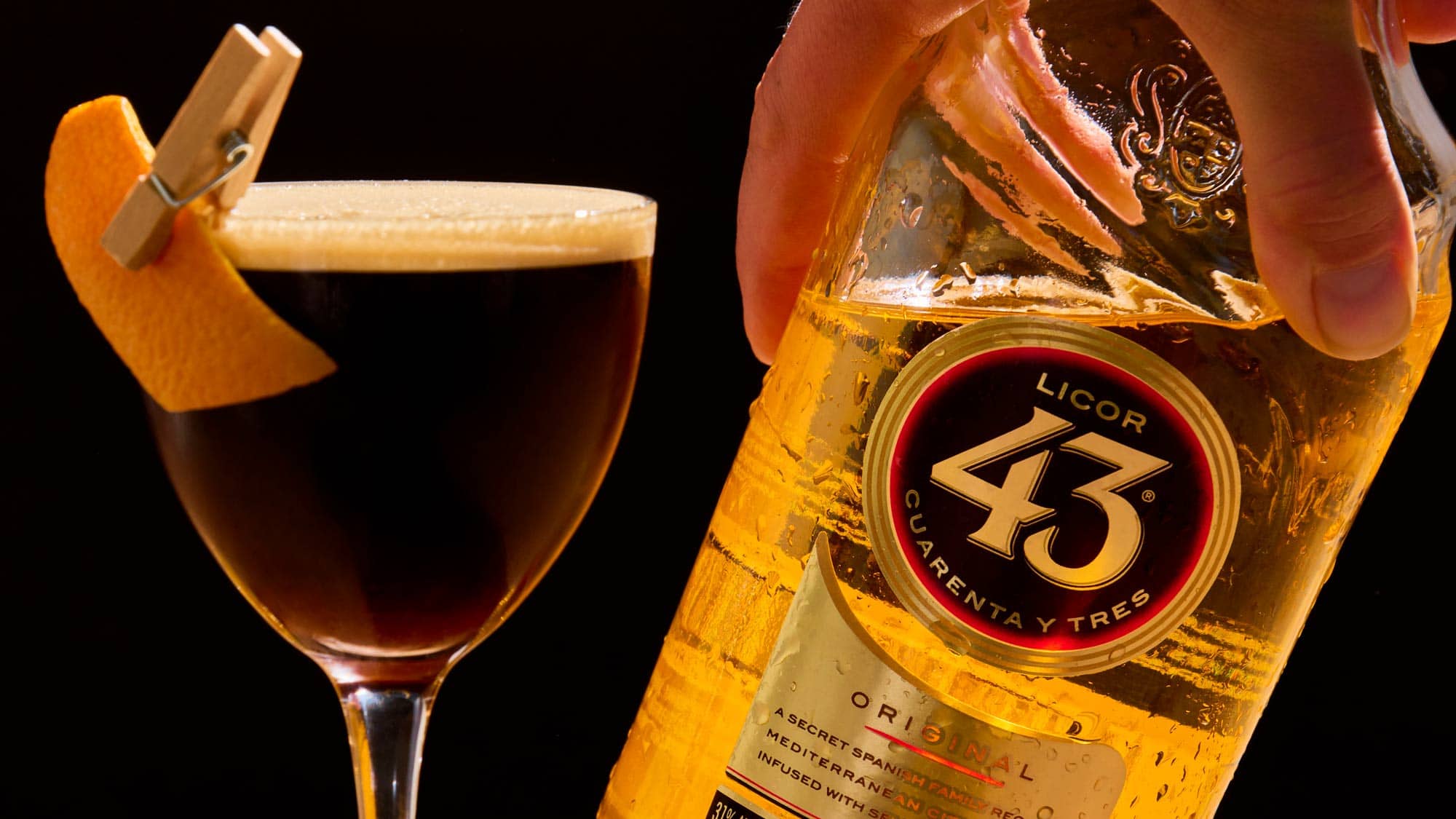 Credit: alittlespoon.com
Iced carajillo is a refreshing alternative for warm weather.
Credit: alittlespoon.com
Iced carajillo is a refreshing alternative for warm weather.
Frequently Asked Questions
What is a carajillo without Licor 43?
A carajillo without Licor 43 is a traditional Spanish coffee cocktail made with strong coffee and a substitute spirit or syrup, rather than the vanilla-citrus liqueur Licor 43. The drink predates Licor 43 by nearly a century, so this version is actually closer to the original 19th-century recipe than the Licor 43 variation most people know today.
How do I make carajillo without Licor 43?
Brew 2 oz of strong espresso, add 1.5 oz of your chosen substitute (brandy, rum, amaretto, or non-alcoholic vanilla-orange syrup), and sweeten to taste if using an unsweetened substitute. Serve hot or over ice, with a garnish of cinnamon or orange peel if desired.
Can I use non-alcoholic substitutes in carajillo?
Yes! Mix 1.5 oz strong dark roast coffee, 0.5 oz vanilla simple syrup, and 0.25 oz orange extract for a non-alcoholic version that mimics Licor 43’s flavor. You can also add a splash of sparkling water for a fizzy, refreshing twist.
Is carajillo without Licor 43 still authentic?
Absolutely. Traditional Spanish carajillos have always used brandy de Jerez or aguardiente de caña as the base spirit, with Licor 43 only becoming popular in the mid-1900s. Using brandy or another aged spirit delivers a more authentic, traditional flavor than the Licor 43 variation.
Can I make iced carajillo without Licor 43?
Yes! Use 2 oz of strong cold brew coffee instead of hot espresso, pour over ice, add 1.5 oz of your chosen spirit or non-alcoholic substitute, and stir to combine. Top with an orange peel garnish for extra brightness.
What’s the difference between carajillo and Irish coffee?
Carajillo uses spirits like brandy, rum, or amaretto and has no dairy, while Irish coffee uses whiskey and is topped with whipped cream. Carajillo also has a stronger coffee flavor, as it doesn’t have cream to dilute the espresso.
Is carajillo safe for kids?
Non-alcoholic carajillo is perfectly safe for kids and makes a great warm, spiced after-dinner drink. Alcoholic versions should only be served to adults over 21, and stored out of reach of children with childproof cabinet locks if you have little ones in the home.
Final Thoughts
This carajillo recipe without Licor 43 proves you don’t need niche, expensive ingredients to make a delicious, authentic Spanish coffee cocktail at home. With just coffee, a common spirit or simple syrup, and 5 minutes of time, you can enjoy a warm, balanced drink that honors the carajillo’s 19th-century roots, no special liqueur required. The recipe is also highly customizable: try different spirits, spices, and sweeteners to find your perfect flavor balance, and serve it hot after dinner or iced on a sunny afternoon for a versatile, satisfying sip.
As with any cocktail containing alcohol, enjoy your carajillo responsibly: the Federal Trade Commission recommends limiting intake to one standard drink per hour to avoid overconsumption.
When you’re done sipping, wipe up any coffee or spirit spills with an absorbent cloth, then use a high-quality best kitchen cleaning brush to scrub any sticky residue from countertops or glassware. Ready to try this easy, authentic twist on a Spanish classic? Brew a batch today and experiment with different substitutes to find your favorite flavor combination!

I’m Abby Lu, a passionate home cook who loves simplifying everyday meals. At PlugChef.com, I share product reviews and cooking guides to help you find the best tools for your kitchen.
Related posts:
 Seville Expandable Cabinet And Pantry Organizer: Space Savior
 Glideware Pull Out Cabinet Organizer for Pots & Pans: Space Saver
 Small 3-Tier Shelf Organizer: Maximize Space Effortlessly
 Trader Joe’S Spicy Lentil Wrap: Delicious, Healthy, and Quick Meal!
 Easy Way to Peel Pumpkin: Quick Tips for Effortless Prep
 How Long Do Grapes Last: Ultimate Freshness Guide Revealed

