

There’s nothing worse than pulling a pack of bacon out of the fridge only to find it slimy, gray, or past its prime halfway through the week. Freezing bacon strips is a low-effort, high-reward hack that cuts down on food waste, saves you money on grocery runs, and ensures you always have crispy, flavorful bacon on hand for breakfast, dinner, or snack time. According to official USDA freezing guidelines, properly frozen meat stays safe to eat indefinitely, though quality declines over time — and with the right prep and storage steps, you can keep bacon tasting fresh for up to 6 months. This guide walks you through every step, from selecting the right bacon to thawing and cooking it perfectly, no freezer burn or stuck-together strips included.
Choosing the Right Bacon for Freezing
Not all bacon freezes equally, and picking the right cut and style upfront will make a huge difference in texture and flavor when you thaw and cook it later. Freezing won’t improve the quality of low-grade or already aging bacon, so starting with fresh, high-quality product is the first step to great results.
Types of Bacon That Freeze Best
Most pork bacon varieties freeze well, but some hold up far better than others after thawing. Thick-cut bacon (1/8-inch or thicker) is the top choice, as its denser meat and fat structure resist the sogginess and crumbliness that often plagues thin-sliced bacon after freezing. Smoked, uncured bacon also freezes beautifully, as its lower moisture content and consistent curing reduce the risk of ice crystal damage to the meat fibers. Avoid pre-cooked, microwavable bacon strips, as their pre-rendered fat content leads to excessive sogginess when thawed, and skip glazed or heavily seasoned bacon (think maple-glazed, peppercorn-crusted, or honey-coated) — the added sugars can crystallize during freezing, altering texture and flavor. If you’re buying bacon specifically to freeze, opt for standard thick-cut, unsmoked or lightly smoked varieties for the most consistent results. A common mistake is assuming all bacon freezes the same: in practice, thin-sliced standard bacon often turns mushy when cooked after thawing, while thick-cut options retain their signature snap and chew.
How to Check Bacon Freshness Before Freezing
Freezing pauses spoilage, but it doesn’t reverse it — only freeze bacon that’s fully fresh to avoid foodborne illness or off-flavors when you thaw it later. Start by checking the color: fresh pork bacon has a bright, uniform pink meat layer and white or cream-colored fat, with no gray, brown, or green discoloration. Next, give the pack a quick smell: fresh bacon has a mild, smoky, meaty scent, while spoiled bacon will smell sour, rancid, or distinctly off. Inspect the packaging for any tears, leaks, or excessive liquid inside the pack, which are signs of bacterial growth. Finally, check the “use by” or “sell by” date: if the bacon is within 1-2 days of expiring, freeze it immediately; if it’s already past the date, discard it instead. Never freeze bacon that’s already slimy, discolored, or foul-smelling, as freezing will not make it safe to eat later.
Prep Steps to Prevent Freezer Burn and Sticking
A few minutes of prep before freezing will save you hours of frustration later, when you’re trying to pull apart stuck-together strips or scrape off freezer burn from ruined bacon. The two core goals of pre-freeze prep are eliminating excess moisture (the #1 cause of freezer burn) and separating strips so you can grab exactly the portion you need without thawing a full pack.
Separate Strips for Easy Portioning
If you freeze a full pack of bacon as-is, the strips will fuse together into a solid, unbreakable block once frozen, forcing you to thaw the entire pack to use one or two slices. To avoid this, lay the bacon out flat on a clean cutting board or countertop, and gently peel the strips apart using your fingers or a blunt butter knife, taking care not to tear the meat. For extra convenience, pre-portion the strips into meal-sized batches: 2 strips for a single breakfast, 4-6 for a family brunch, or 8-10 for a week’s worth of meal prep. If you’re prepping for charcuterie boards or party platters, you can even separate strips into 1-serving portions to grab and go, and pair it with perfectly sliced charcuterie for easy entertaining.
Pat Dry to Lock in Texture
Excess surface moisture on bacon turns to ice crystals in the freezer, which puncture meat and fat cells and lead to mushy, soggy bacon when thawed and cooked. To eliminate this risk, lay a few strips at a time on a layer of paper towels, then press another dry paper towel on top to blot both sides thoroughly. For extra dryness, you can pat the strips with a clean kitchen cloth after blotting with paper towels. This step is especially important for thick-cut bacon, which has more surface area to hold moisture.
 Flash-freezing separated bacon strips on a baking sheet prevents sticking before long-term storage.
Image source: dianesfoodblog.com
Flash-freezing separated bacon strips on a baking sheet prevents sticking before long-term storage.
Image source: dianesfoodblog.com
Proven Packaging Methods for Long-Term Freshness
How you package your prepped bacon strips is just as important as how you prep them: the right method will prevent freezer burn, keep strips from sticking, and extend the bacon’s storage life by months. Below are the four most effective packaging methods, ranked by ease of use and shelf life.
Quick Flash-Freeze for Bulk Portions
If you’re freezing a bulk pack of bacon or pre-portioning strips for future meals, flash-freezing is the easiest way to avoid sticking. Lay your separated, dried bacon strips in a single layer on a rimmed baking sheet lined with parchment paper, making sure none of the strips are touching. Place the baking sheet in the freezer for 1-2 hours, until the strips are completely solid to the touch. Once frozen, you can transfer the strips to any airtight packaging method without worrying about them sticking together. This method is ideal for bulk buyers who purchase bacon in family-size packs, as it lets you store all portions in a single container or bag without clumping.
Individual Wrap for Single-Serve Ease
For grab-and-go convenience, wrap each prepped bacon strip individually in a small square of parchment paper or wax paper, then wrap the paper-wrapped strip in aluminum foil or freezer paper for extra protection against air exposure. This method lets you pull out exactly 1 or 2 strips for a quick breakfast without thawing a larger batch, and the individual wrapping eliminates the risk of stuck-together strips. If you’re storing pre-cooked bacon, this is the best method to use, as it prevents the pre-rendered fat from soaking into adjacent strips and causing sogginess.
Airtight Bags and Reusable Containers
For standard home use, airtight freezer-grade zipper bags or reusable silicone bags are a simple, cost-effective option. Place your prepped strips (or flash-frozen strips) in the bag in a single layer, squeeze out as much air as possible before sealing, and lay the bag flat in the freezer to save space. Reusable BPA-free plastic or glass containers with tight-sealing lids also work well, and they stack neatly to maximize limited freezer space. Avoid using standard plastic wrap or thin sandwich bags, as they are not airtight and will lead to freezer burn within 1-2 months. For households with young kids, store sealed bacon packages on upper shelves or behind tamper-proof cabinet barriers to prevent accidental access to raw meat.
Vacuum Sealing for Maximum Shelf Life
If you freeze meat regularly or buy bacon in bulk, a vacuum sealer is a worthwhile investment that extends bacon’s freezer life by 2-3 months compared to standard airtight packaging. Vacuum sealing removes 99% of the air from the package, eliminating the oxygen that causes freezer burn and spoilage. You can vacuum seal individual strips for single-serve portions, or seal an entire pack of separated strips for bulk storage. Vacuum-sealed bacon stays high-quality for 4-6 months in the freezer, and the tight packaging prevents any odor transfer to other foods in your freezer. Keep your prep area as organized as your custom engraved boards by labeling all vacuum-sealed packages with the freeze date and bacon type for easy tracking.
Ideal Freezer Settings and Storage Timelines
Even with perfect prep and packaging, improper freezer storage will ruin your bacon’s flavor and texture over time. Following these guidelines will ensure your frozen bacon stays fresh and safe for as long as possible.
Safe Freezer Temperature Guidelines
According to official USDA freezing guidelines, freezers must maintain a temperature of 0°F (-18°C) or lower to safely halt bacterial growth in meat products. Avoid storing bacon in the freezer door, where temperatures fluctuate every time the door is opened, and don’t overload your freezer with too many items at once, as this blocks air circulation and leads to uneven temperatures. If you’re unsure if your freezer is cold enough, use an inexpensive freezer thermometer to check the temperature regularly. Follow standard kitchen safety rules to ensure freezer locks are secure if you have a bottom-freezer refrigerator, to prevent little ones from accessing frozen raw meat.
How Long Does Frozen Bacon Last?
Storage timelines vary based on packaging method and whether the bacon is raw or pre-cooked:
- Raw bacon in standard airtight bags or containers: 1-2 months for peak quality
- Raw bacon vacuum-sealed: 4-6 months for peak quality
- Pre-cooked bacon in standard packaging: 1 month for peak quality
- Pre-cooked bacon vacuum-sealed: 2-3 months for peak quality Note that bacon remains safe to eat indefinitely as long as it stays at 0°F or lower, but quality (texture, flavor, crispness) will decline after these timelines. Always label all packages with the freeze date to avoid forgetting how long your bacon has been stored.
 Properly frozen and thawed bacon cooks up just as crispy as fresh, with no loss of smoky flavor.
Image source: parade.com
Properly frozen and thawed bacon cooks up just as crispy as fresh, with no loss of smoky flavor.
Image source: parade.com
Safe Thawing Methods to Preserve Flavor
Thawing bacon the right way is just as important as freezing it correctly: improper thawing leads to bacterial growth, soggy texture, and off-flavors. Never thaw bacon on the countertop at room temperature, as this leaves it in the 40-140°F “danger zone” where bacteria multiply rapidly. Below are the three safest thawing methods, ranked by convenience.
Refrigerator Thawing (Best for Meal Planning)
This is the safest, most low-effort method, perfect if you plan your meals ahead of time. Place the sealed bacon package on a plate or tray on the bottom shelf of your fridge (to catch any drips and avoid cross-contamination with other foods) and let it thaw for 8-12 hours for a standard 1-pound pack. Once thawed, cook the bacon within 5-7 days for the best quality. Never refreeze raw bacon that’s been thawed in the fridge, as this will damage its texture and increase the risk of spoilage.
Cold Water Thawing (For Last-Minute Meals)
If you forgot to thaw bacon ahead of time, cold water thawing is a safe, fast option. Seal the bacon in a leak-proof plastic bag (to avoid water getting into the packaging) and submerge it in a bowl or sink filled with cold tap water. Change the water every 30 minutes to keep it cold, and thaw for 1-2 hours for a 1-pound pack. Cook the bacon immediately after thawing — do not refreeze cold-water thawed bacon, as the partial thawing will cause ice crystals to form and damage the meat’s texture.
Microwave Thawing (For Immediate Cooking)
If you need bacon ready to cook in 10 minutes or less, use your microwave’s defrost setting. Place the bacon on a microwave-safe plate and defrost in 30-second intervals, flipping the strips between intervals, until the bacon is pliable but still cold to the touch. Note that microwave thawing can partially cook the edges of the bacon, leading to uneven texture when you finish cooking it, so this method is best only if you’re cooking the bacon immediately after thawing.
Can You Cook Frozen Bacon Directly?
Yes! You don’t always need to thaw bacon before cooking it, which is a huge time-saver for busy mornings. For skillet cooking, place frozen strips directly in a cold pan, then turn the heat to medium-low to let the bacon thaw and cook evenly. Flip the strips frequently to avoid burning the outside before the inside thaws, and add 2-3 minutes to the standard cooking time for thawed bacon. Frozen bacon works great for oven and air fryer cooking too: add 5 minutes to the standard cooking time, and shake the air fryer basket or flip the strips halfway through for even crispness. This method is ideal for weekend breakfasts or when you’re cooking for a crowd, as it eliminates the thawing step entirely.
Cooking Tips for Perfect Texture Every Time
No matter if you’re cooking thawed or frozen bacon, these tips will help you get crispy, evenly cooked strips every time, with no burnt edges or soggy spots.
Skillet Cooking for Crispy Strips
Preheat a non-stick or cast iron skillet over medium heat, then add the bacon strips in a single layer — don’t overcrowd the pan, as this will steam the bacon instead of crisping it. Cook for 3-4 minutes per side for thawed bacon, or 5-7 minutes per side for frozen bacon, flipping frequently to avoid burning. Drain the cooked strips on a plate lined with paper towels to remove excess fat, and sprinkle with black pepper or your favorite seasoning if desired. For extra crispiness, add 1 teaspoon of water to the pan when you first add the bacon: the water evaporates quickly, helping the bacon render its fat evenly without burning.
Oven and Air Fryer Methods
Oven baking is the best method for cooking large batches of bacon with minimal mess. Preheat your oven to 400°F (200°C), place the bacon strips on a wire rack set over a rimmed baking sheet (to let fat drip away), and bake for 15-20 minutes for thawed bacon, or 20-25 minutes for frozen bacon. For an even crispier, faster result, use an air fryer preheated to 375°F (190°C). Cook thawed bacon for 8-10 minutes, or frozen bacon for 12-15 minutes, shaking the basket halfway through. After cooking, use a heavy-duty scrub brush to cut through stubborn grease on your pan or air fryer basket for easy cleanup.
Common Freezing Mistakes to Avoid
Even experienced home cooks make these common errors that ruin frozen bacon’s texture and flavor. Avoid them to get perfect results every time:
- Freezing unseparated strips: Stacking bacon directly into a bag or container without separating the strips first leads to a solid frozen block that can’t be broken apart without thawing the entire pack. Always separate and portion strips before freezing.
- Skipping the drying step: Excess moisture on bacon leads to ice crystals that cause freezer burn and mushy texture after thawing. Always pat strips thoroughly dry with paper towels before packaging.
- Using non-airtight packaging: Thin plastic wrap, sandwich bags, or containers with loose lids let air reach the bacon, leading to freezer burn within a month. Always use freezer-grade, airtight packaging, and squeeze out as much air as possible before sealing.
- Storing bacon in the freezer door: The door is the warmest part of the freezer, with frequent temperature fluctuations that speed up quality decline. Store bacon on a shelf in the main compartment of the freezer instead.
- Thawing on the countertop: Room-temperature thawing leaves bacon in the bacterial danger zone for hours, increasing the risk of foodborne illness. Always thaw in the fridge, cold water, or microwave.
- Refreezing thawed raw bacon: Thawing and refreezing raw bacon causes ice crystals to form that damage the meat’s structure, leading to mushy, bland bacon when cooked. If you thaw more bacon than you need, cook the extra fully before refreezing it as cooked bacon.
Frequently Asked Questions
Can I freeze opened packs of bacon?
Yes, as long as the bacon is still fresh. Repackage the strips in airtight packaging, label with the freeze date, and follow the standard storage timelines. If the opened pack has been in the fridge for more than 3 days, freeze it immediately to avoid spoilage.
Does freezing bacon affect its smoky flavor?
No, if packaged properly, freezing does not alter the smoky, salty flavor of cured bacon. Freezer burn can cause off-flavors, but proper airtight packaging prevents this entirely.
Can I freeze bacon fat?
Yes! Pour rendered bacon fat into a clean, airtight container (a mason jar or silicone freeze-safe container works best) and freeze for up to 6 months. Frozen bacon fat is perfect for roasting vegetables, frying eggs, or adding flavor to soups and stews.
Can I freeze homemade bacon?
Absolutely. Homemade cured and smoked bacon freezes just as well as store-bought, as long as it’s fully cured and cooked (if you’re making pre-cooked bacon) before freezing. Follow the same prep and packaging steps as store-bought bacon for best results.
How can I tell if frozen bacon has gone bad?
Thaw the bacon in the fridge and check for signs of spoilage: a sour or rancid smell, gray or green discoloration, or a slimy texture. If any of these are present, discard the bacon immediately, even if it was frozen within the recommended timeline.
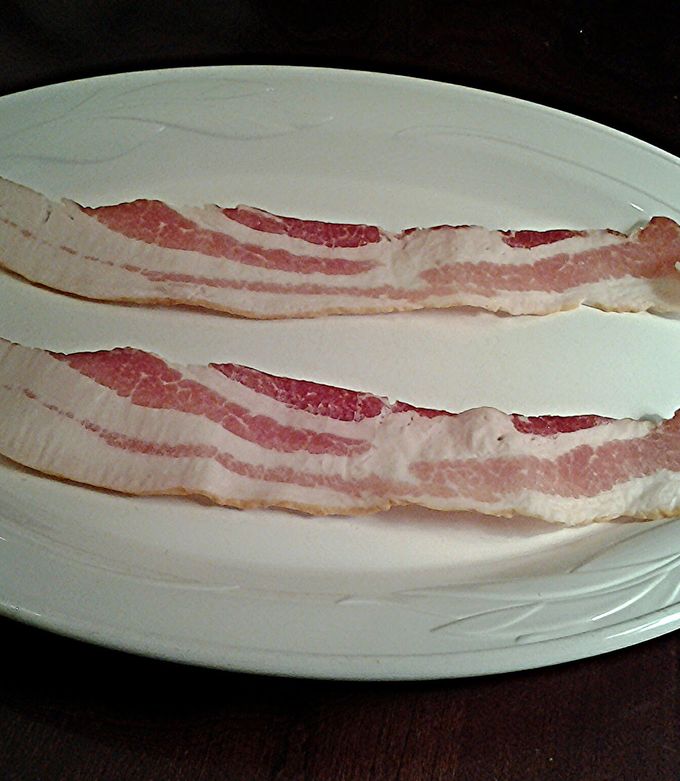 Wrapping individual strips in parchment before freezing lets you grab exactly the portion you need without thawing a full pack.
Image source: cookpad.com
Wrapping individual strips in parchment before freezing lets you grab exactly the portion you need without thawing a full pack.
Image source: cookpad.com
Conclusion
Freezing bacon strips is one of the easiest ways to cut down on food waste, save money, and always have a versatile, flavorful protein on hand for quick meals. By starting with fresh bacon, prepping it correctly, using the right packaging method, and following safe thawing and cooking guidelines, you can keep bacon tasting as fresh as the day you bought it for up to 6 months. For more quick meal prep hacks to simplify your week and reduce food waste, browse our full library of kitchen guides. With these tips, you’ll never have to rush to the store for last-minute bacon again — just grab a portion from the freezer and cook up a delicious meal in minutes.

I’m Abby Lu, a passionate home cook who loves simplifying everyday meals. At PlugChef.com, I share product reviews and cooking guides to help you find the best tools for your kitchen.
Related posts:
 Seville Expandable Cabinet And Pantry Organizer: Space Savior
 Glideware Pull Out Cabinet Organizer for Pots & Pans: Space Saver
 Small 3-Tier Shelf Organizer: Maximize Space Effortlessly
 Trader Joe’S Spicy Lentil Wrap: Delicious, Healthy, and Quick Meal!
 Easy Way to Peel Pumpkin: Quick Tips for Effortless Prep
 How Long Do Grapes Last: Ultimate Freshness Guide Revealed

