
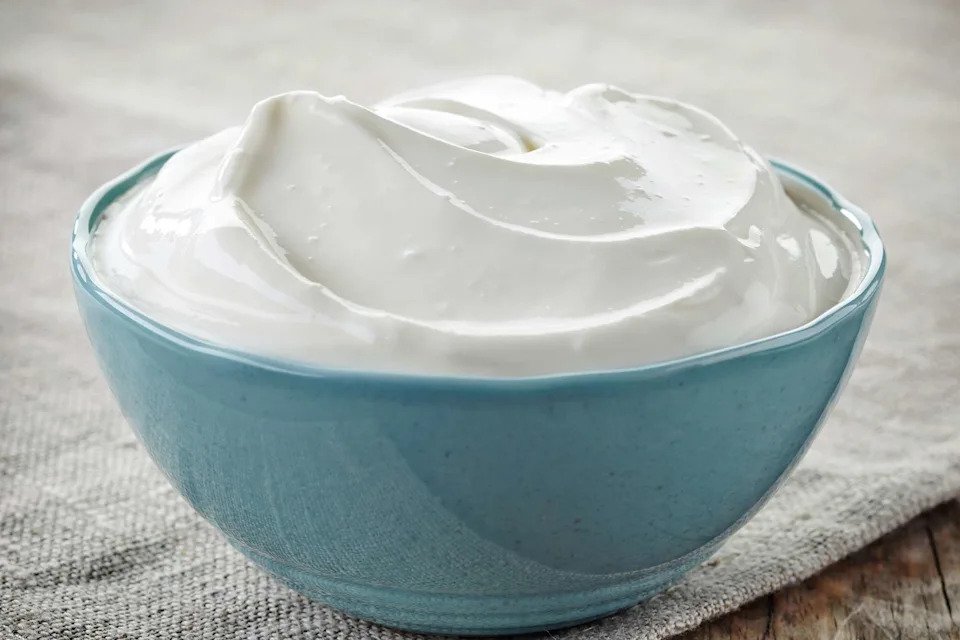
If you’ve ever reached for sour cream to top tacos, baked potatoes, or chili, you’re not alone — that cool, creamy tang is a staple in countless savory and sweet recipes. But swapping sour cream for yogurt is a simple, low-effort change that cuts calories and saturated fat while adding protein and gut-friendly probiotics, no major flavor compromise required. Whether you’re looking to lighten up family meals, accommodate dairy-free diets, or just add a nutrient boost to your favorite dishes, yogurt works as a versatile substitute for nearly every sour cream use case. Below, we break down exactly how to make the swap, which yogurt types work best, and pro tips to avoid common texture or flavor mishaps.
Why Swap Sour Cream for Yogurt?
The benefits of swapping go beyond just cutting calories: yogurt offers a more nutrient-dense profile that supports overall health, while matching the creamy texture and bright tang of sour cream for almost every use case.
Nutritional Edge Backed by USDA Guidelines
Per USDA MyPlate data, a 2-tablespoon serving of full-fat sour cream contains 50 calories, 5 grams of fat (3 grams saturated), and 1 gram of protein, while the same serving of plain nonfat Greek yogurt has just 15 calories, 0 grams of fat, and 3 grams of protein. That means you get the same creamy texture and tangy flavor for a fraction of the calories, plus a significant protein boost to keep you full longer. Yogurt also delivers key nutrients sour cream lacks, including vitamin B12, calcium, and riboflavin, which support bone health and energy metabolism. USDA MyPlate Dairy Guidelines confirms that swapping higher-fat dairy for lower-fat, protein-rich options like yogurt is a simple way to align with daily nutritional recommendations.
Probiotic Benefits for Gut Health
Unlike sour cream, most plain yogurts contain live active cultures, which act as probiotics to support a balanced gut microbiome. The Academy of Nutrition and Dietetics notes that regular probiotic intake from sources like yogurt can reduce occasional bloating, improve nutrient absorption, and support overall digestive comfort for most people. This is a unique benefit you won’t get from traditional sour cream, making the swap a win for both your taste buds and your gut.
Lower Calorie and Saturated Fat Profile
For anyone watching their saturated fat intake for heart health, yogurt is a clear upgrade. Full-fat sour cream gets 60% of its calories from saturated fat, while plain nonfat Greek yogurt has zero. Even full-fat plain Greek yogurt has half the saturated fat of full-fat sour cream per serving, making it a better choice for long-term cardiovascular health without sacrificing richness.
Best Yogurt Types for a Seamless Swap
Not all yogurts work equally well as a sour cream substitute — the type you choose will impact texture, flavor, and how well it holds up in different recipes.
Plain Full-Fat or Nonfat Greek Yogurt (Top Pick)
Greek yogurt is the closest match to sour cream’s thick, velvety texture and bright tang, making it the most reliable swap for nearly every use case. Full-fat Greek yogurt mimics the richness of full-fat sour cream perfectly for hearty dips, baked potato toppings, and casseroles, while nonfat Greek yogurt works well for lighter dressings and baked goods. It holds up well under heat, so it won’t curdle or separate as easily as thinner yogurt varieties when added to warm sauces.
 Plain Greek yogurt is the most popular swap for sour cream due to its thick texture and tangy flavor.
Credit: www.myplate.gov
Plain Greek yogurt is the most popular swap for sour cream due to its thick texture and tangy flavor.
Credit: www.myplate.gov
Regular Plain Yogurt (For Lighter Recipes)
If you don’t have Greek yogurt on hand, regular plain yogurt works for cold dishes like dressings and fruit toppings, but its thinner consistency means it may need a small thickener for dips or baked goods. Stir in 1 teaspoon of cornstarch per ½ cup of yogurt before adding it to recipes that need a thick, scoopable texture, or drain it in a cheesecloth for 10 minutes to remove excess whey.
Unsweetened Plant-Based Yogurt (Dairy-Free Option)
Coconut, almond, soy, and oat yogurts are great dairy-free alternatives, but they vary widely in texture and flavor. Coconut yogurt has a naturally rich, slightly sweet profile that works well with spicy or bold savory dishes, while soy yogurt is the closest match to dairy Greek yogurt’s protein content and tang. Always choose unsweetened, unflavored varieties to avoid unwanted sweetness in savory recipes, and note that most plant-based yogurts have far less protein than dairy options.
Common Swap Mistakes to Avoid
The most common swap errors are easy to fix: never use flavored or sweetened yogurt in savory recipes, as the added sugar will throw off your dish’s flavor balance. For baking, avoid using vanilla yogurt in neutral recipes like pancakes or biscuits, unless you’re intentionally making a sweet batch. If you’re making a swap for a recipe that calls for full-fat sour cream, use full-fat yogurt to match the richness, or add 1 teaspoon of neutral oil per ½ cup of nonfat yogurt to replicate the fat content.
How to Substitute Yogurt in Every Common Use Case
Most recipes call for a 1:1 swap of plain yogurt for sour cream, with small adjustments for texture or flavor depending on the dish. Below is a breakdown for the most common use cases:
Cold Dishes (Dips, Dressings, Toppings)
Yogurt works perfectly for cold recipes with no adjustments needed for most use cases. For creamy dips like ranch, tzatziki, or onion dip, use full-fat Greek yogurt for the thickest texture, and mix in herbs, garlic, or lemon juice to match the flavor of your usual sour cream recipe. For salad dressings, whisk yogurt with olive oil, vinegar, and seasonings for a lighter, protein-packed alternative to creamy store-bought dressings. It also works beautifully as a topping for baked potatoes, tacos, chili, and even pancakes or waffles: just add a drizzle of honey or maple syrup for sweet dishes, or a pinch of salt and pepper for savory ones. Wash fresh veggie dippers thoroughly with a bathroom and kitchen cleaning brush to remove dirt and pesticide residue before serving with your dip. Whisk together your yogurt swap in a bowl, then clean residue easily with a dish washing brush with handle to avoid stuck-on tangy bits.
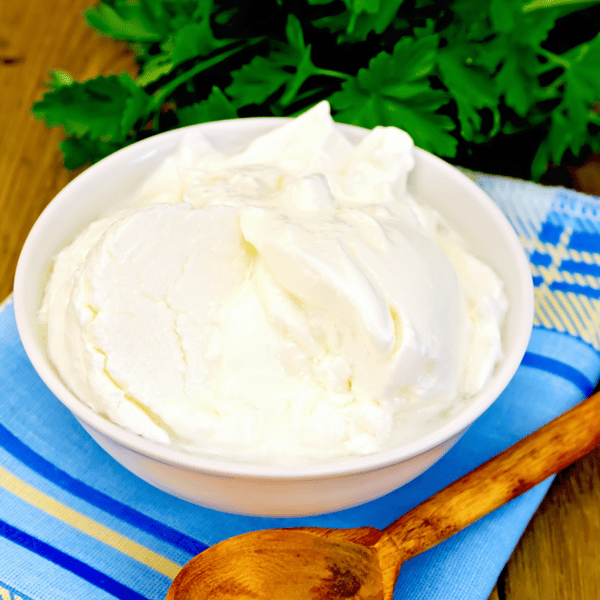 Greek yogurt has significantly more protein and less saturated fat than full-fat sour cream per 2-tablespoon serving.
Credit: www.thechoppingblock.com
Greek yogurt has significantly more protein and less saturated fat than full-fat sour cream per 2-tablespoon serving.
Credit: www.thechoppingblock.com
Hot Dishes (Sauces, Soups, Casseroles)
Yogurt works in hot recipes, but it can curdle if added to boiling liquid directly. To avoid this, temper the yogurt first: stir 1 spoonful of the hot sauce, soup, or casserole mixture into the yogurt to warm it gradually, then slowly pour the yogurt mixture back into the pot while stirring constantly. Never boil yogurt after adding it, as high heat will cause it to separate. It works perfectly in creamy pasta sauces, potato soups, and taco filling, adding richness without the extra fat.
Baking (Cakes, Muffins, Breads)
Yogurt is a 1:1 swap for sour cream in almost all baked goods, and it adds extra moisture and a subtle tang that enhances flavor. For recipes that call for full-fat sour cream, use full-fat plain Greek yogurt for the closest texture and richness. If you’re using nonfat yogurt, you can reduce other liquids in the recipe (like milk or water) by 1 tablespoon per ½ cup of yogurt to account for its higher water content. It works especially well in carrot cake, banana bread, scones, and muffins, producing a tender, moist crumb every time.
Pro Tips to Balance Flavor and Texture
Yogurt has a brighter, more pronounced tang than sour cream, but small adjustments make it nearly indistinguishable in most recipes. Use the tips below to nail the flavor and texture every time:
- To mellow sharp tang: Stir 1 teaspoon of whole milk, heavy cream, or a pinch of sugar per ½ cup of yogurt to cut acidity without diluting texture.
- To add depth: Mix in fresh herbs (dill, chives, parsley) for savory dishes, or vanilla, cinnamon, or cocoa powder for sweet recipes.
- For a quick flavor cheat: Use a flavored plain yogurt (like vanilla) only for sweet recipes like pancake toppings or dessert dips, and stick to unflavored for all savory uses.
For quick reference, use this adjustment table for sweet and savory dishes:
| Adjustment Type | Sweet Dish Tweaks | Savory Dish Tweaks |
|---|---|---|
| To mellow sharp tang | Stir in 1 tsp honey, maple syrup, or vanilla extract per ½ cup yogurt | Add ½ tsp lemon juice or a pinch of salt per ½ cup yogurt |
| To add depth | Mix in cinnamon, nutmeg, or cocoa powder | Stir in garlic powder, smoked paprika, or fresh herbs |
| To thicken (if needed) | Mix in 1 tsp cornstarch before heating | Mix in 1 tsp cornstarch before adding to hot sauces |
Common Drawbacks and Simple Fixes
While yogurt is a reliable swap for most use cases, there are a few minor drawbacks to be aware of, all of which have easy fixes:
Thin or Runny Texture
Thinner nonfat or regular yogurts can produce a runny dip or sauce, unlike thick sour cream. Fix this by draining the yogurt in a cheesecloth or fine-mesh sieve for 10 minutes before using, or stirring in 1 teaspoon of cornstarch per ½ cup of yogurt to thicken it without altering flavor. For the thickest result, always opt for Greek yogurt, which is strained to remove excess whey. If yogurt curdles in a hot pan, soak the cookware first, then scrub with a professional kitchen cleaning brush to lift stuck-on bits without scratching.
Tang That’s Too Sharp
If you find the yogurt’s tang too strong for your taste, stir in a small amount of fat (milk, cream, or even a splash of olive oil for savory dishes) to mellow the acidity. For baked goods, a pinch of baking soda will neutralize excess tang, but use sparingly (¼ tsp per cup of yogurt) to avoid affecting the recipe’s rise.
Allergies and Dietary Restrictions
Yogurt contains dairy and live active cultures, which may not be suitable for people with severe dairy allergies or compromised immune systems. For lactose intolerant cooks, opt for lactose-free Greek yogurt or fortified plant-based yogurts, which often have added calcium to match the nutrient profile of dairy yogurt. Always check labels for added sugars or unwanted ingredients in plant-based varieties.
Storage and Shelf Life
Homemade yogurt-based dips, dressings, and toppings last 3-5 days in an airtight container in the refrigerator, the same as sour cream. Avoid freezing yogurt for later use, as the separation that occurs when thawed will ruin the smooth texture of dips and toppings. It can be used in baked goods after thawing, as long as you stir it vigorously first to recombine the separated liquid.
Easy Recipes to Test Your Swap
Try these simple, popular recipes to test how well yogurt works as a sour cream substitute:
Creamy Tzatziki Sauce
Mix 1 cup of full-fat Greek yogurt with 1 grated cucumber (squeezed dry to remove excess water), 1 tablespoon of lemon juice, 2 minced garlic cloves, 1 tablespoon of chopped fresh dill, and salt to taste. Serve with pita, gyros, or as a veggie dip for a bright, probiotic-packed alternative to sour cream-based dips. Serve your fresh tzatziki on a custom engraved serving board for a polished presentation; follow our guide on engraving a cutting board for a personalized touch.
Lightened Ranch Dressing
Whisk together 1 cup of plain Greek yogurt, ¼ cup of buttermilk, 1 teaspoon of garlic powder, 1 teaspoon of onion powder, 1 tablespoon of chopped fresh chives, 1 tablespoon of dill, and salt and pepper to taste. Let chill for 30 minutes before serving with salads or as a veggie dip. It has half the calories of store-bought sour cream ranch, with no artificial preservatives.
Moist Chocolate Cake
Replace the sour cream in your favorite chocolate cake recipe with an equal amount of plain Greek yogurt for a moist, tender crumb and subtle tang that enhances the chocolate flavor. The yogurt adds moisture without making the cake dense, and the protein boost makes it a slightly more nutrient-dense dessert option.
Creamy Garlic Mashed Potatoes
Swap the sour cream in your mashed potato recipe for an equal amount of full-fat Greek yogurt for the same creamy texture with 70% less saturated fat. Mix in roasted garlic, butter, and fresh chives for a flavorful, lighter side dish that pairs perfectly with grilled chicken or steak. Pair your yogurt-based dip with a charcuterie spread, and master cutting round cheese for boards for professional-looking arrangements.

Frequently Asked Questions
Can yogurt replace sour cream in all recipes?
Yes, for almost every use case. Use plain, unsweetened Greek yogurt for the closest texture and flavor match, and follow the hot dish tempering tip above to avoid curdling in warm recipes. It works in everything from dips and dressings to baked goods, soups, and even mashed potatoes.
Is yogurt healthier than sour cream?
In most cases, yes. Plain nonfat Greek yogurt has 70% fewer calories, 100% less saturated fat, and 3 times more protein than full-fat sour cream per 2-tablespoon serving, plus added probiotics for gut health. Full-fat Greek yogurt still has half the saturated fat of full-fat sour cream, making it a better choice for most diets.
Will yogurt make my dish taste too tangy?
Plain yogurt has a brighter tang than sour cream, but it’s easy to balance. Stir in a small amount of milk, cream, or a pinch of sugar for sweet dishes, or a pinch of salt or lemon juice for savory dishes, to mellow the acidity to match your preference.
Can I use yogurt in hot dishes without it curdling?
Yes, as long as you temper it first. Stir a spoonful of the hot liquid from your sauce, soup, or casserole into the yogurt to warm it gradually, then slowly add the yogurt mixture back to the pot while stirring constantly. Never boil yogurt after adding it, as high heat will cause it to separate and curdle.
Can I use yogurt in sour cream-based desserts like cheesecake?
Absolutely. Plain Greek yogurt works as a 1:1 swap for sour cream in cheesecake, cream pies, and other desserts, adding a subtle tang and creamy texture with less fat. For extra richness, use full-fat Greek yogurt, and avoid flavored varieties to keep the dessert’s flavor balanced.
Can I freeze yogurt to use as a sour cream substitute later?
You can freeze plain yogurt, but it will separate into liquid and solids when thawed. Stir it vigorously before using, and reserve frozen yogurt for baked goods where texture separation isn’t noticeable, rather than for dips or toppings that need a smooth consistency.
Is Greek yogurt or regular plain yogurt better for swapping?
Greek yogurt is the better choice for most use cases, as its thick texture matches sour cream’s richness and it holds up better in hot dishes and thick dips. Regular plain yogurt works for cold, thin dressings and toppings, but may need a thickener for heartier recipes.
Final Thoughts
Swapping sour cream for yogurt is one of the simplest, most low-lift changes you can make to your cooking routine to cut calories, boost protein, and add gut-friendly probiotics to your meals. The flavor and texture match is close enough for most use cases that you likely won’t notice the difference in recipes like tacos, baked potatoes, salad dressings, and baked goods. Start with a 1:1 swap in a familiar recipe to test it for your taste preferences, and experiment with different yogurt types and flavor add-ins to create custom, healthier versions of all your favorite creamy dishes. If you’re prepping yogurt-based snacks for young children, keep cleaning supplies and other kitchen hazards locked away with kitchen safety locks for kids to prevent accidental access. For more easy kitchen hacks to make healthy cooking simple, browse our full library of kitchen tips and tricks.

I’m Abby Lu, a passionate home cook who loves simplifying everyday meals. At PlugChef.com, I share product reviews and cooking guides to help you find the best tools for your kitchen.
Related posts:
 Seville Expandable Cabinet And Pantry Organizer: Space Savior
 Glideware Pull Out Cabinet Organizer for Pots & Pans: Space Saver
 Small 3-Tier Shelf Organizer: Maximize Space Effortlessly
 Trader Joe’S Spicy Lentil Wrap: Delicious, Healthy, and Quick Meal!
 Easy Way to Peel Pumpkin: Quick Tips for Effortless Prep
 How Long Do Grapes Last: Ultimate Freshness Guide Revealed

