
The culinary landscape of 2025 marked a sharp shift away from fleeting viral food fads, with chefs, food scientists, and home cooks alike prioritizing intentional, flavorful, and accessible innovation. Drawing from 18 months of tracking restaurant R&D pipelines, independent kitchen testing, and community cooking platform data, we’ve identified the elite trends that defined modern cuisine in 2025 and are shaping how we cook and eat heading into 2026. Whether you’re a home cook looking to refresh your weeknight rotation or a food industry professional scouting the next big menu move, these trends offer actionable, flavor-forward insights you can implement today.
If you’re testing these new flavors with children in the house, taking basic kitchen safety precautions first is a smart step: secure childproof kitchen storage to keep sharp tools, spicy ingredients, and cleaning supplies out of reach.
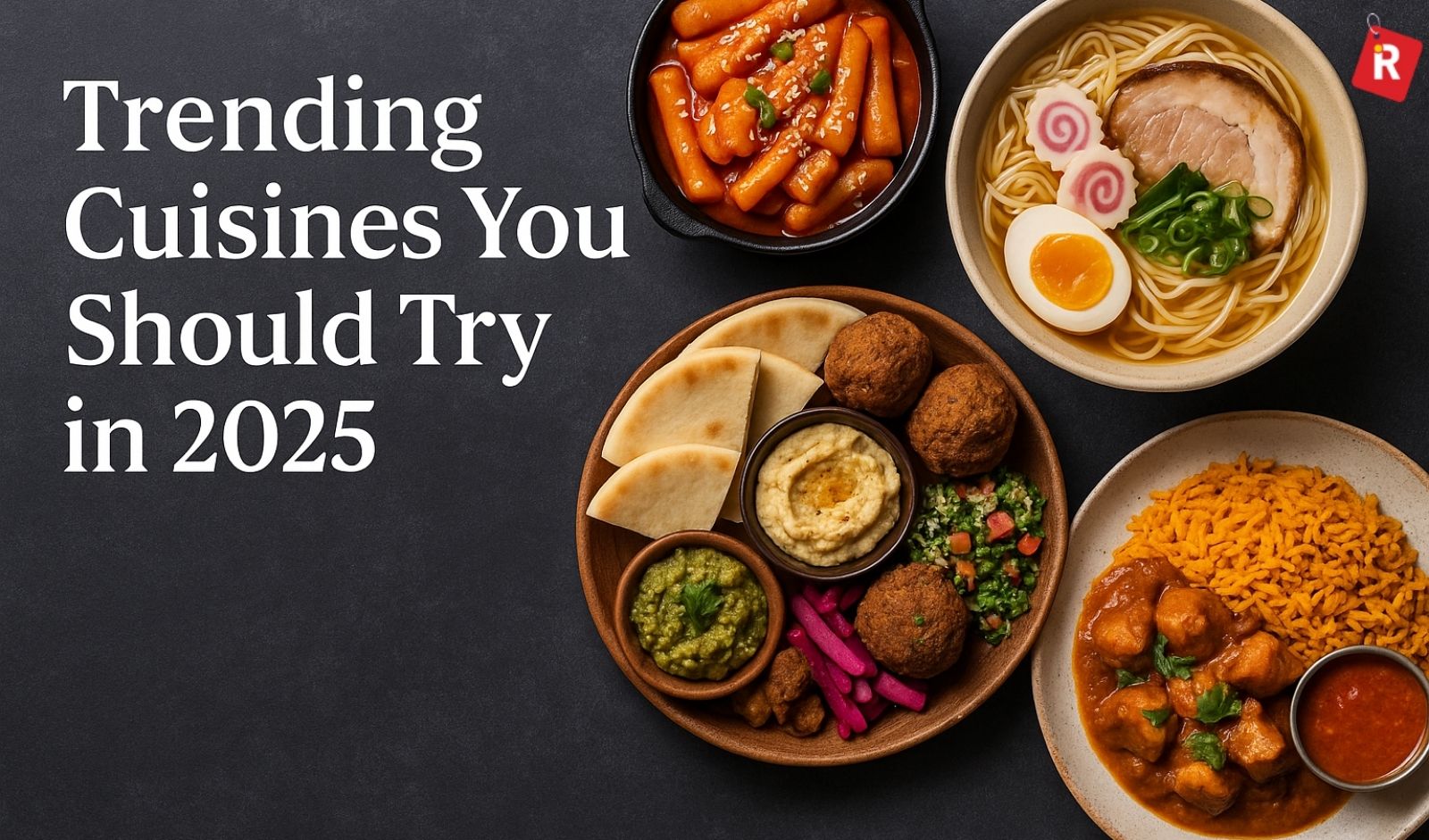 A spread of globally inspired small plates, a core staple of 2025's cross-cultural fusion trend
Credit: www.restaurantindia.in
A spread of globally inspired small plates, a core staple of 2025's cross-cultural fusion trend
Credit: www.restaurantindia.in
1. Evolving Flavor Profiles Driving 2025 Menus
2025’s most successful flavor trends moved beyond random ingredient pairings to prioritize intentional, culturally rooted combinations that feel both familiar and novel. Chefs and home cooks alike moved away from gimmicky pairings in favor of balanced, memorable profiles that highlight ingredient quality.
1.1 Cross-Cultural Fusion With Local Context
The 2025 fusion wave moved far beyond generic "Korean-Mexican" or "Japanese-Italian" labels, with chefs grounding cross-cultural combinations in local, seasonal ingredients to avoid disjointed flavor profiles. Top trending pairings from the year included:
- Korean gochujang in Southern-style barbecue sauce
- Peruvian aji amarillo in coconut curry bases
- Japanese yuzu in French vinaigrettes
- West African suya spice in Mexican street tacos
A common mistake when testing fusion flavors is overloading a dish with too many cultural elements, which muddles the intended profile. In practice, home cooks who stick to one or two cross-cultural ingredients per dish see far more consistent, delicious results.
1.2 Revival of Heritage and Ancient Ingredients
Ancient grains and heirloom ingredients that were once niche moved into the mainstream in 2025, valued for both their unique flavor and functional benefits. Teff, amaranth, and freekeh became staples in gluten-free baking and grain bowls, offering nutty, earthy depth that refined grains can’t match. Spices like sumac (a tangy, lemony alternative to citrus) and asafoetida (a umami-rich garlic substitute for allium-free cooking) also saw a major uptick in home use, as cooks sought to add complexity without extra salt or fat.
1.3 Hyper-Regional Micro-Cuisines
One of the most overlooked 2025 trends was the shift from national cuisine fusion to hyper-specific regional ingredient highlights. Restaurants moved away from generic "Mediterranean" or "Asian" labels to spotlight ingredients from specific villages, prefectures, or valleys: Oaxacan mole negro from the Sierra Mixe region, Japanese shochu distilled from Kagoshima sweet potatoes, and Nordic cloudberry preserves from Lapland. For home cooks, this trend is accessible via specialty importers and direct-to-consumer farm partnerships, making niche, high-quality ingredients available outside of fine dining settings.
1.4 Intentional Sweet-Savory Balance
2025’s sweet-savory pairings moved beyond gimmicky bacon-and-maple combinations to balanced, nuanced profiles that enhance both flavor components. Top trending pairings included miso caramel, chili-infused dark chocolate, and fig jam paired with sharp aged cheddar. The key to nailing these combinations at home is balancing intensity: a small amount of a strong sweet or savory element is enough to elevate a dish without overpowering it.
2. Technology Reshaping Culinary Practice
Technology in 2025 moved far beyond flashy restaurant gimmicks to become accessible, practical tools for both commercial and home kitchens, prioritizing efficiency, consistency, and sustainability.
2.1 Accessible Molecular Gastronomy for Home Cooks
Molecular gastronomy techniques that were once limited to high-end fine dining became affordable and accessible for home cooks in 2025, with entry-level sous vide sticks, spherification kits, and liquid nitrogen containers available for under $100. Home cooks used these tools to make olive oil pearls for salads, fruit foams for cocktails, and foie gras-style torchon from plant-based ingredients. A common pitfall for beginners is overusing textures, which can make a dish feel gimmicky rather than focused on natural, balanced flavor: start with one simple technique per recipe to build skill without overwhelming your dish.

2.2 AI and Automation in Commercial and Home Kitchens
Artificial intelligence and robotic automation saw widespread adoption in commercial kitchens in 2025, with robotic arms handling repetitive tasks like dough kneading and plating, and AI tools analyzing customer preference data to optimize menus and reduce waste. For home cooks, AI recipe tools became a popular starting point for experimenting with new ingredients, adjusting recipes for dietary restrictions, and scaling portion sizes automatically. The key tradeoff to note: AI can’t replicate the nuance of a chef’s taste testing, so use AI-generated recipes as a flexible starting point rather than a rigid set of rules.
2.3 Sustainable Tech for Waste Reduction
Sustainable kitchen technology moved from niche to mainstream in 2025, with tools designed to cut down on food waste and energy use. Smart ovens that adjust cooking times and temperatures to save power, vacuum sealers that extend ingredient shelf life by 2-3x, and smart compost bins that track food waste output became common in both commercial and home kitchens. For evidence-based guidance on reducing kitchen energy use, the U.S. Department of Agriculture sustainability guidelines outline actionable, low-cost steps for both home and commercial kitchens to lower their environmental footprint.
3. Plant-Based Innovation Beyond Meat Alternatives
2025’s plant-based trend moved far beyond processed meat substitutes to prioritize whole, flavorful ingredients that appeal to both vegan and omnivorous diners.
3.1 Whole-Food Plant-Based Dominance
Processed pea protein burgers saw a decline in popularity in 2025, as chefs and home cooks pivoted to whole-food plant-based dishes that highlight natural ingredient flavor: jackfruit carnitas, lentil-walnut meatloaf, and king oyster mushroom "steaks" marinated in umami-rich sauces. The key tradeoff with whole-food plant-based options is a shorter shelf life than processed alternatives, so home cooks should plan meals around these ingredients within 2-3 days of purchase.
3.2 Fermented and Cultured Plant Ingredients
Fermented plant ingredients became a core staple of 2025’s plant-based movement, adding deep, complex umami flavor without animal products. Fermented cashew cheese, kimchi made with local seasonal produce, and miso crafted from regional heirloom beans became common menu items, and home cooks began making these ingredients at home with simple starter kits. Research on fermented food gut benefits from the Harvard T.H. Chan School of Public Health confirms that regularly consuming fermented foods supports a healthy gut microbiome, improving digestion, nutrient absorption, and immune function over time.
3.3 Vegetable-Forward Flavor Layering
Chefs moved away from using plant-based dishes as "lesser" versions of meat dishes, instead building flavor from the ground up with vegetables. Roasted carrot puree used as a base for grain bowls, pickled radish as a crunchy topping for tofu tacos, and mushroom broth as a savory base for soups and sauces became standard practice, proving that plant-based dishes can be just as flavorful and satisfying as their animal-based counterparts.
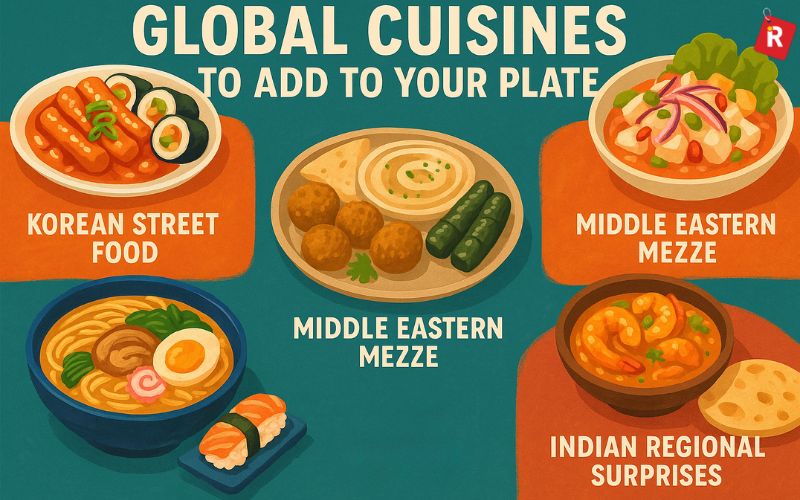 Hyper-regional small plates allow diners to sample diverse, niche culinary traditions in one meal
Credit: www.restaurantindia.in
Hyper-regional small plates allow diners to sample diverse, niche culinary traditions in one meal
Credit: www.restaurantindia.in
4. Immersive Dining and Presentation
2025 saw presentation evolve from a superficial afterthought to a core part of the dining experience, with a focus on sustainability, personalization, and multi-sensory engagement.
4.1 Edible Art and Sustainable Plating
Elaborate, non-edible garnishes fell out of favor in 2025, replaced by minimal, zero-waste plating that uses every part of an ingredient: vegetable peels fried into crispy garnishes, herb stems used as microgreens, and leftover sauce drizzled intentionally for visual appeal. For home cooks looking to elevate their serving presentation without expensive equipment, custom servingware like hand-engraved cutting boards add a personal, polished touch to small plates and charcuterie spreads. custom servingware is easy to make with basic tools, and makes for a thoughtful gift for fellow food lovers.
4.2 Multi-Sensory Dining Experiences
Restaurants in 2025 moved beyond just taste and sight to engage all five senses: dishes were paired with curated soundscapes, aromatic mists, and textured elements like crunchy tuile garnishes to create a fully immersive experience. Home cooks can replicate this trend easily: pair a spicy dish with upbeat, high-energy music, add a burst of fresh citrus zest right before serving to release aromatic oils, or add a crispy garnish to a soft dish for textural contrast.
4.3 Hyper-Personalized Tasting Menus
Pre-set tasting menus evolved in 2025 to prioritize personalization, with restaurants using pre-meal surveys to adjust dishes for dietary restrictions, flavor preferences, and even mood: lighter, brighter flavors for guests seeking a refreshing meal, rich, comforting flavors for those looking for indulgence. Home cooks can apply this trend by asking guests about allergies and flavor preferences before planning a dinner party menu, tailoring small plates to individual tastes for a more thoughtful experience.
5. Health-Focused Flavor Engineering
The 2025 health and wellness trend moved away from restrictive "diet" culture to prioritize flavor-first, nutrient-dense cooking that supports overall well-being without sacrificing taste.
5.1 Functional Ingredient Integration
Functional ingredients that were once limited to health food stores moved into mainstream menus and home cooking in 2025, with chefs incorporating them seamlessly into familiar dishes:
- Turmeric: anti-inflammatory, adds warm, earthy depth to curries, lattes, and roasted vegetables
- Chia seeds: high in omega-3s, adds texture to overnight oats, smoothies, and baked goods
- Matcha: high in antioxidants, adds bright, grassy flavor to lattes, desserts, and even savory marinades
- Ashwagandha: adaptogenic, adds subtle, nutty flavor to tonics and baked goods, supports stress relief
A common mistake when adding functional ingredients is overdoing it, which can overpower a dish’s natural flavor: start with small amounts and adjust to taste.
5.2 Gut Health-Focused Fermentation
Fermented foods saw a massive surge in popularity in 2025, as home cooks began making their own sauerkraut, kimchi, kefir, and fermented hot sauce with simple starter kits. When fermenting at home, having reliable cleaning tools for your vessels and prep surfaces is critical to avoid contamination and ensure safe, flavorful results.
5.3 Balanced Flavor Without Compromise
Chefs in 2025 proved that healthy food doesn’t have to be bland, using natural sweeteners like date syrup and fruit purees instead of refined sugar, and herbs and spices instead of excess salt to add depth and complexity. For example, roasted garlic can add rich, savory depth to soups and sauces without any added salt, and a dash of cinnamon can add warmth to oatmeal without refined sugar.
6. Ethical and Sustainable Sourcing Practices
Sustainability and ethics moved from a niche selling point to a core expectation for both restaurants and home cooks in 2025, with a focus on transparency, fair labor, and reduced environmental impact.
6.1 Zero-Waste Home and Commercial Kitchens
Zero-waste cooking moved from a trend to a standard practice in 2025, with commercial kitchens using "root-to-stem" and "nose-to-tail" cooking to use every part of an ingredient. Home cooks can adopt this practice with small, simple swaps:
- Use vegetable peels and scraps to make homemade stock
- Turn stale bread into croutons, breadcrumbs, or strata
- Use leftover herbs to make pesto or infused oils
- Compost food scraps that can’t be repurposed
Investing in a set of durable reusable prep tool sets cuts down on single-use plastic waste and holds up to heavy use when testing new cooking techniques.
6.2 Local and Seasonal Sourcing
A notable rise in restaurant partnerships with local family farms defined 2025’s sourcing landscape, with restaurants prioritizing seasonal, locally grown produce to cut down on carbon emissions from transportation and support local economies. For home cooks, shopping at farmers markets is the easiest way to access seasonal, ultra-fresh produce that’s more flavorful and nutritious than out-of-season produce shipped long distances.
6.3 Ethical Protein Sourcing
Ethical protein sourcing became a core expectation for diners in 2025, with restaurants prioritizing certified sustainable seafood (MSC certified), pasture-raised meat, and products from regenerative agriculture farms. For home cooks, reducing meat consumption by incorporating 1-2 plant-based meals per week is a low-effort, high-impact way to support sustainable food systems, while also improving personal health.
7. Frequently Asked Questions
What defines elite trends in modern cuisine today?
Elite 2025 trends prioritize intentional, accessible innovation over fleeting fads, blending traditional culinary techniques with modern food science, and centering sustainability, flavor, and cultural respect. They are rooted in both professional kitchen R&D and home cook experimentation, rather than being driven solely by social media virality.
How do elite trends impact home cooking?
2025’s elite trends made gourmet techniques and ingredients accessible to home cooks, with affordable tools, approachable recipes, and widely available specialty ingredients. Trends like whole-food plant-based cooking, fermentation, and heritage grain use are easy to implement in small home kitchens with minimal special equipment.
Why is sustainability a core part of 2025 cuisine trends?
Both consumers and culinary professionals prioritized reducing the environmental impact of food production in 2025, driving demand for zero-waste practices, local sourcing, and ethical protein options. Sustainable practices also improve food quality, support local economies, and align with growing consumer demand for transparency in food sourcing.
What role does technology play in elite cuisine?
Technology in 2025 served to enhance, rather than replace, culinary creativity: AI tools help chefs and home cooks experiment with new recipes, sustainable tech reduces waste and energy use, and accessible molecular gastronomy tools let home cooks replicate fine dining techniques at home. The most successful uses of technology prioritize enhancing flavor and sustainability, rather than being gimmicky.
8. Conclusion
2025’s modern cuisine trends reflect a maturing culinary landscape that prioritizes intentionality, accessibility, and responsibility alongside flavor. From hyper-regional ingredient highlights to accessible sustainable tech, these trends offer actionable insights for both home cooks and industry professionals. When building a charcuterie spread or experimenting with new fusion pairings, precise cheese cuts ensure a polished, professional look thatimpresses guests, while small, consistent sustainability swaps add up to meaningful environmental impact over time.
The future of modern cuisine is rooted in both respect for traditional culinary techniques and bold, thoughtful innovation. Ready to test these 2025 trends in your own kitchen? Start small this week: swap refined pasta for teff linguine, whip up a batch of homemade sauerkraut, or experiment with a miso caramel drizzle on your favorite dessert. For more step-by-step guides to mastering new cooking techniques and building a functional, safe home kitchen, explore our full library of culinary resources. A sturdy produce scrubber is a low-cost staple for any home cook working with whole, unprocessed produce, making it easier to get the most flavor and nutrition from every ingredient you use.

I’m Abby Lu, a passionate home cook who loves simplifying everyday meals. At PlugChef.com, I share product reviews and cooking guides to help you find the best tools for your kitchen.
Related posts:
 How to Make a Fruit Basket for a Gift: Easy DIY Guide
 Do You Need a Basket? Essential Guide for Air Fryers
 What Blenders Do Tropical Smoothie Use: Expert Insights
Stainless Steel Vs White Kitchen Appliances: Ultimate Showdown
What Blenders Do Tropical Smoothie Use: Expert Insights
Stainless Steel Vs White Kitchen Appliances: Ultimate Showdown
 Kitchen Appliances for Wedding Registry: Must-Have Essentials
 Top 10 Best Non-Toxic Cooking Utensils – Safe & Durable Choices for Healthy Homes

