
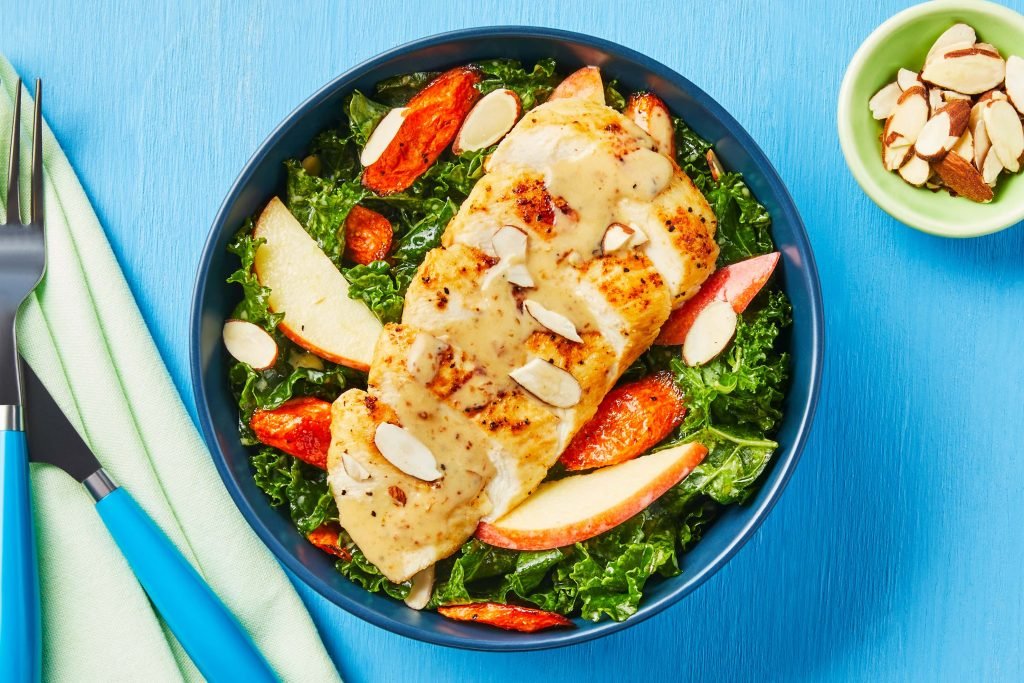
If you’ve ever stared at a pile of leafy greens wondering how to turn them into a meal that actually tastes good, you’re not alone. Chicken and kale is the ultimate underrated duo for busy home cooks: it’s fast to make, packed with protein and micronutrients, and endlessly customizable to fit any taste or diet. Whether you’re meal prepping for a busy work week, feeding a family, or looking for filling, low-calorie meals to support weight loss or muscle gain, these healthy chicken and kale recipes deliver on flavor and nutrition without hours of time in the kitchen.
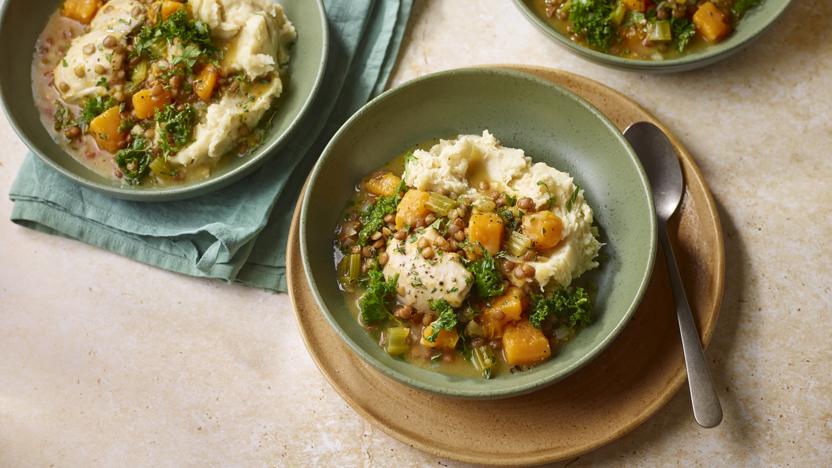 Hearty chicken and kale stew makes a cozy, nutrient-dense weeknight dinner
Image source: www.bbc.co.uk
Hearty chicken and kale stew makes a cozy, nutrient-dense weeknight dinner
Image source: www.bbc.co.uk
Why Chicken And Kale Is A Nutrient-Dense Power Duo
Combining lean chicken with nutrient-packed kale creates a balanced meal that fuels your body without empty calories. This pairing delivers a mix of high-quality protein, fiber, vitamins, and minerals that support everything from muscle repair to immune function, making it a staple for anyone prioritizing nutritious, satisfying meals.
Nutritional Profile Of Skinless Chicken Breast
Skinless chicken breast is one of the most accessible complete protein sources available, with a 3-oz serving providing ~26g of lean protein per USDA FoodData Central. It also contains B vitamins B6 and B12, which support energy production and brain health, plus minerals like phosphorus and selenium that strengthen bones and boost immune function. Choosing skinless cuts keeps saturated fat low (~3g per 3-oz serving), making it a heart-healthy option for daily meals. For budget-friendly meal prep, conventional lean cuts work just as well as organic or pasture-raised options, with minimal nutritional difference.
Kale's Superfood Benefits
Kale earns its superfood label for good reason: one cup of raw kale contains 133% of your daily recommended vitamin C (more than an orange), 684% of vitamin K for blood and bone health, and high levels of vitamin A for skin and immune support. It’s also rich in lutein, an antioxidant that supports eye health, and 2.5g of fiber per cup to aid digestion and promote satiety. The small amount of plant-based iron in kale is more easily absorbed when paired with vitamin C-rich ingredients like lemon juice, a common hack used in the recipes below.
The Science Of Pairing Protein And Fiber For Satiety
When paired together, chicken’s protein and kale’s fiber work synergistically to keep you full for 3–4 hours after eating, far longer than a meal with only protein or only carbs. The fiber in kale slows the absorption of protein from chicken, preventing blood sugar spikes and crashes that lead to mid-afternoon cravings. This makes the combo ideal for weight management, steady energy for workouts, and avoiding the sluggishness that comes with processed, low-fiber meals.
How To Prep Chicken And Kale For Optimal Flavor And Nutrition
Proper prep is the difference between a bland, mushy dish and a vibrant, flavorful meal. These steps ensure you get the maximum nutritional value and best texture from both ingredients every time you cook.
Selecting The Best Chicken Cuts For Healthy Recipes
For the leanest, most versatile results, opt for skinless chicken breast or tenderloins. If you prefer the richer flavor of dark meat, boneless, skinless chicken thighs work too, with only 5g of fat per 3-oz serving compared to 10g for skin-on thighs. A common mistake is buying pre-marinated chicken, which often contains hidden sodium and added sugars that cancel out its health benefits. Instead, marinate chicken at home with fresh herbs, citrus, and spices to control ingredient quality and flavor.
Nutrient-Safe Cooking Methods For Chicken
Grilling, baking, poaching, steaming, and stir-frying with minimal oil are the best methods to retain chicken’s nutrients without adding excess fat. Always use a meat thermometer to confirm chicken reaches an internal temperature of 165°F, the safe temperature to eliminate harmful bacteria like salmonella, without overcooking it (overcooked chicken dries out and loses B vitamin content). Poaching chicken in low-sodium broth is a great hack for adding savory flavor without extra fat, perfect for soups and salads.
Proper Kale Prep To Reduce Bitterness And Boost Nutrient Absorption
Always remove the tough, fibrous central rib of kale leaves before cooking—this part is extremely bitter and remains chewy even after extended cooking. Rinse leaves thoroughly under cold water to remove dirt and pesticide residue, then pat dry with a clean kitchen towel. For raw kale dishes like salads, massage chopped leaves with 1 tsp of olive oil and a pinch of salt for 30 seconds to break down tough cell walls. This not only softens the texture but also increases absorption of fat-soluble vitamins A and K. A common mistake is skipping the massage, which leaves kale tough and bitter even when dressed.
Quick And Easy 20-Minute Healthy Chicken And Kale Recipes
These recipes require minimal prep, use common ingredients, and come together in 20 minutes or less, making them perfect for busy weeknights. Each serving provides ~30g of protein and 5g of fiber for a filling, balanced meal.
Garlic Lemon Chicken And Kale Stir-Fry
Serving size: 2 | Prep time: 5 mins | Cook time: 12 mins Toss 1 lb of bite-sized skinless chicken breast with 1 tsp paprika, salt, and pepper. Heat 2 tbsp olive oil in a large skillet over medium-high, cook chicken for 5–6 mins until golden and cooked through. Add 3 minced garlic cloves, cook 30 seconds until fragrant, then add 4 cups of chopped kale (stems removed) and toss to coat. Cook 2–3 mins until kale is wilted but still vibrant green. Remove from heat, stir in 1 tbsp lemon juice and 1 tsp lemon zest. Serve over brown rice or quinoa for a complete meal.
One-Pan Roasted Chicken And Kale With Cherry Tomatoes
Serving size: 4 | Prep time: 10 mins | Cook time: 25 mins Preheat oven to 400°F. Toss 1.5 lbs of boneless, skinless chicken thighs (cut into 1-inch pieces), 5 cups of chopped kale, 1 pint of cherry tomatoes, 2 tbsp olive oil, 1 tsp dried rosemary, 1 tsp garlic powder, salt, and pepper on a large rimmed baking sheet until evenly coated. Roast for 22–25 mins, stirring halfway, until chicken is cooked through and tomatoes are burst. The kale wilts and crisps at the edges, soaking up the savory chicken juices for zero extra effort.
Light Creamy Chicken And Kale Soup
Serving size: 6 | Prep time: 10 mins | Cook time: 20 mins In a large pot, bring 6 cups of low-sodium chicken broth, 1 lb of diced skinless chicken breast, 1 cup of diced carrots, 1 cup of diced celery, 2 minced garlic cloves, and 1 tsp dried thyme to a boil. Reduce heat and simmer for 15 mins until chicken is cooked through. Stir in 4 cups of chopped kale and cook 2 mins until wilted. Remove from heat, stir in ½ cup of plain non-fat Greek yogurt (no heavy cream needed) for a creamy, tangy finish. Season with salt and pepper to taste.
 Grain bowls are a perfect meal prep option for busy weeks
Image source: www.homemademastery.com
Grain bowls are a perfect meal prep option for busy weeks
Image source: www.homemademastery.com
Creative Meal Prep And On-The-Go Chicken And Kale Ideas
These versatile ideas work for meal prep, packed lunches, or casual weeknight dinners, with easy swaps to fit dietary preferences like gluten-free or low-carb.
Hearty Chicken And Kale Salad Bowls
Serving size: 1 | Prep time: 10 mins Start with 2 cups of massaged raw kale as the base, then top with 4 oz of cooked grilled chicken, ½ cup of roasted sweet potato cubes, ¼ sliced avocado, 1 tbsp of toasted almonds, and a lemon-tahini dressing. Pro tip: store dressing in a separate small container to add right before eating, so the kale stays crisp. For a gourmet twist, add precisely sliced salami or aged cheddar from your charcuterie board toolkit for extra richness without extra prep work.
Whole-Grain Chicken And Kale Wraps
Serving size: 1 | Prep time: 5 mins Use a whole-grain tortilla or large collard green leaf as a low-carb wrap, then fill with 3 oz of sliced chicken, 1 cup of sautéed kale, 2 tbsp of hummus, sliced cucumber, and shredded carrot. Roll tightly and wrap in parchment paper for on-the-go eating. If you’re packing these for children, secure wrap ingredients with child-safe drawer locks to keep prepped ingredients out of reach of little helpers who might sneak a taste before meal time.
Quinoa Chicken And Kale Grain Bowls
Serving size: 1 | Prep time: 15 mins (batch-cook friendly) Cook 1 cup of quinoa according to package instructions, then top with 4 oz of cooked chicken, 2 cups of sautéed kale, ½ cup of roasted chickpeas, and a drizzle of balsamic vinaigrette. Add a poached egg on top for extra protein if desired. These bowls reheat perfectly in the microwave for 1–2 mins, making them ideal for busy work weeks. To prep veggies efficiently, scrub root vegetables like sweet potatoes with a sturdy produce brush before roasting to remove surface dirt without peeling off nutrient-rich skin.
Pro Tips For Storing And Reheating Chicken And Kale Meals
Proper storage keeps your prepped meals fresh, safe, and flavorful all week. Follow these guidelines to avoid sogginess, spoilage, and nutrient loss.
Food-Safe Storage Guidelines
Cooked chicken and kale dishes stay fresh in an airtight container in the refrigerator for 3–4 days. For longer storage, freeze portions for up to 3 months, and always label containers with the date to track freshness. Per USDA food safety guidelines for leftovers, reheated chicken must reach an internal temperature of 165°F to eliminate harmful bacteria like salmonella and campylobacter. Never leave cooked meals at room temperature for more than 2 hours (1 hour if the ambient temperature is above 90°F) to avoid foodborne illness.
Reheating Without Losing Texture Or Flavor
Avoid microwaving for long uninterrupted stretches, which makes kale soggy and chicken dry. Instead, reheat on the stovetop over medium heat, stirring halfway through, or use the microwave in 30-second bursts, stirring between each. Add a splash of water or low-sodium broth to prevent sticking. For meal prep, always store sauces and dressings separately to keep greens crisp until serving.
Common Storage Mistakes To Avoid
- Don’t store raw and cooked chicken in the same container to avoid cross-contamination. Always use a separate engraved cutting board for raw protein when prepping to further reduce risk.
- Don’t reheat chicken and kale dishes more than once, as repeated heating degrades nutrients and increases food safety risks.
- Don’t freeze dishes with dairy-based sauces (like the creamy soup above), as they will separate when thawed. Add dairy components fresh when reheating instead.
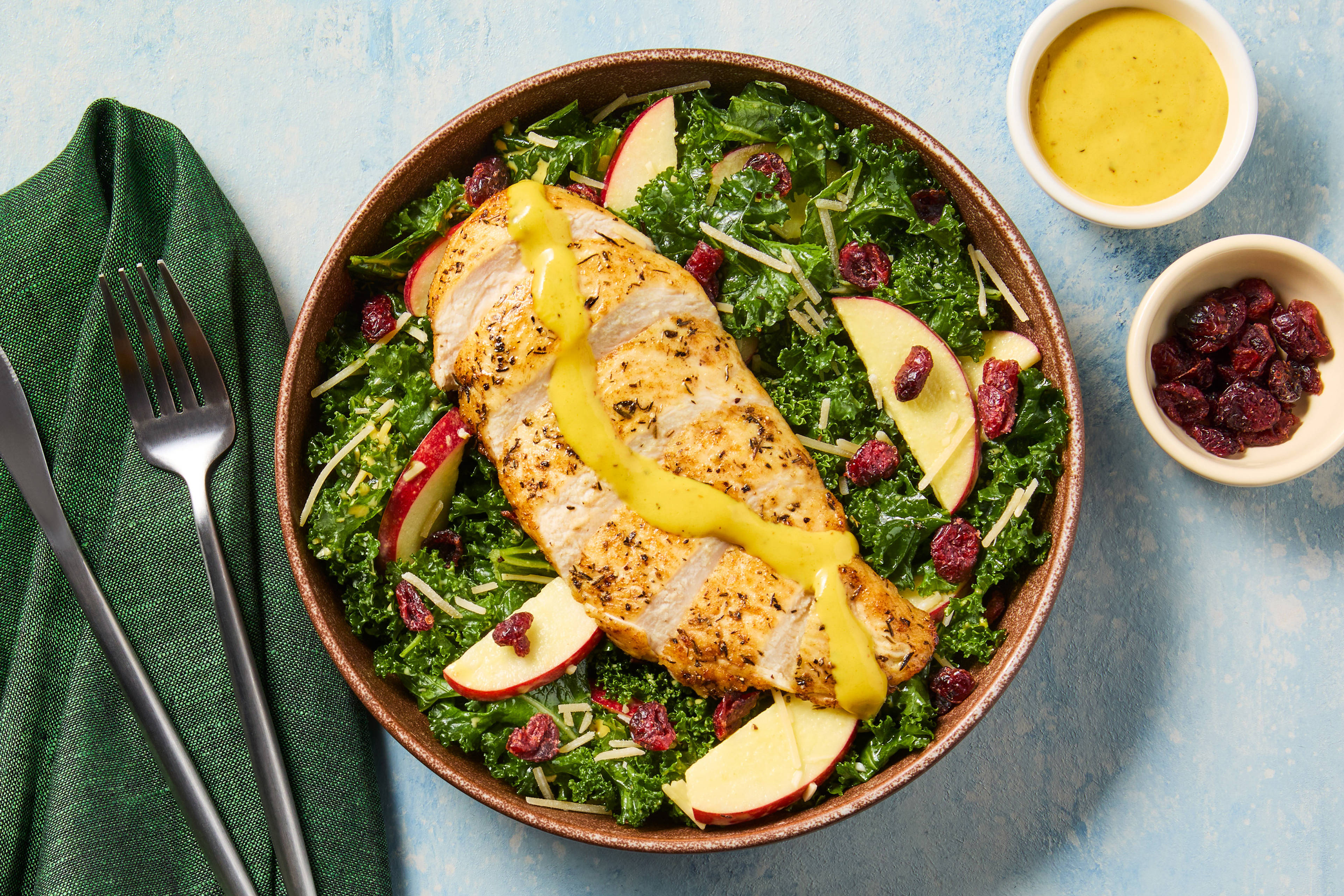 One-pan roasted chicken and kale requires minimal cleanup for busy nights
Image source: www.hellofresh.com
One-pan roasted chicken and kale requires minimal cleanup for busy nights
Image source: www.hellofresh.com
Frequently Asked Questions
What Are The Key Health Benefits Of Eating Chicken And Kale Together?
Chicken provides 20–30g of complete lean protein per 3-oz serving, which supports muscle repair, immune function, and long-lasting satiety. Kale is packed with fat-soluble vitamins A, C, and K, plus fiber and antioxidants that reduce inflammation and support digestion. Pairing the two creates a balanced meal that stabilizes blood sugar, keeps you full for 3+ hours, and provides a wide range of micronutrients without excess calories, making it ideal for weight management, athletic performance, and overall wellness.
How Do I Reduce The Bitterness Of Kale In Recipes?
The bitterness in kale comes from its tough central rib and natural glucosinolates. To reduce it: first, always remove the thick central rib before cooking, as it is far more bitter than the leaves. For raw kale dishes, massage chopped leaves with 1 tsp of olive oil and a pinch of salt for 30 seconds to break down fibrous cell walls. For cooked kale, pair it with acidic ingredients like lemon juice, balsamic vinegar, or a dash of honey to balance earthy, bitter notes. Younger kale leaves (like baby kale) are naturally less bitter than mature curly kale, so opt for those if you’re sensitive to bitter flavors.
Can I Use Frozen Kale Instead Of Fresh In These Recipes?
Yes, frozen kale is just as nutritious as fresh, and often more convenient for meal prep. There’s no need to thaw it first—just add frozen kale directly to soups, stir-fries, or roasted dishes, and cook as directed. It will wilt faster than fresh kale, so reduce cooking time by 1–2 minutes to avoid mushiness. Look for plain frozen kale without added sauces or sodium to keep your dish healthy.
Are Chicken And Kale Recipes Good For Weight Loss?
Absolutely. A typical serving of chicken and kale (3 oz chicken + 2 cups cooked kale) has ~250 calories, 35g of protein, and 7g of fiber, making it extremely filling for its low calorie count. The high protein and fiber content reduce cravings and prevent overeating later in the day, which supports sustainable weight loss without feeling deprived. For best results, pair with whole grains like quinoa or brown rice to add complex carbs for steady energy.
Can I Feed Chicken And Kale Dishes To Young Children?
Yes, as long as the chicken is cooked thoroughly to 165°F internal temperature and the kale is chopped into small, easy-to-eat pieces to avoid choking hazards. For picky eaters, start with small amounts of kale mixed into familiar dishes like chicken pasta or soup, and gradually increase the portion as they get used to the flavor. Avoid adding heavy spices or excess salt when cooking for kids.
How Long Can I Meal Prep Chicken And Kale Dishes Before They Spoil?
Cooked chicken and kale dishes stay fresh in an airtight container in the refrigerator for 3–4 days. If you want to prep for the full week, freeze portions for up to 3 months. Thaw frozen portions in the refrigerator overnight before reheating, and always reheat to 165°F internal temperature before serving. After prepping and cooking, use a heavy-duty kitchen scrub brush to scrub greasy pans and produce scraps off countertops without scratching surfaces.
Conclusion
Healthy chicken and kale recipes prove that nutritious eating doesn’t have to be boring, time-consuming, or flavorless. This versatile combo works for every meal of the day, from quick weeknight stir-fries to batch-friendly meal prep bowls, and fits a wide range of dietary needs from low-carb to high-protein. The key to success is simple: prep kale properly to avoid bitterness, use lean cooking methods for chicken, and get creative with seasonings and add-ins to keep meals interesting.
If you’re new to cooking with kale, start with the 20-minute garlic lemon stir-fry this week — it requires minimal prep and is a great way to test if you enjoy the flavor before investing in larger batches for meal prep. Small, consistent swaps like this make a big difference for long-term health, and you’ll likely find yourself reaching for this combo again and again as a go-to staple.

I’m Abby Lu, a passionate home cook who loves simplifying everyday meals. At PlugChef.com, I share product reviews and cooking guides to help you find the best tools for your kitchen.
Related posts:
 Ansi Approved First Aid Kit: Essential Safety Gear for Every Workplace
 My Medic First Aid Kit Review: Ultimate Safety Essential Uncovered
 How Many Classes of First Aid Kits are There: Ultimate Guide Revealed
 Arizona Private Senior Community Safety Inspection First Aid Kit: Essential Tips
 Yellow Peach Vs White Peach: Ultimate Flavor and Health Showdown
 Black Eyed Peas Stew Recipe: Easy, Hearty, and Delicious Guide

