
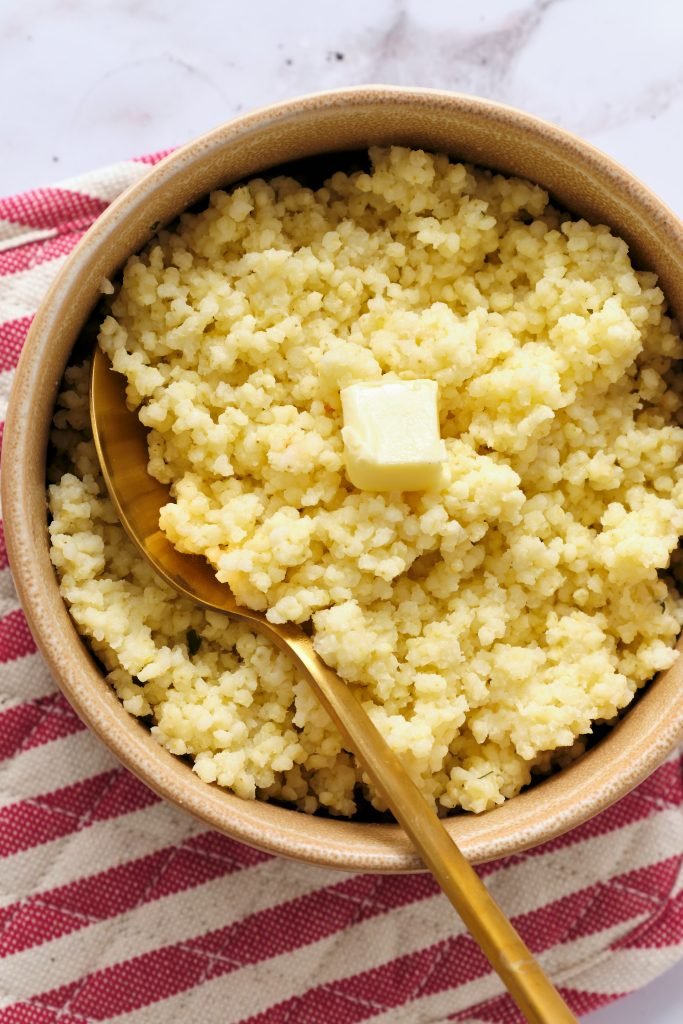
Are you curious about how to make millet a delicious part of your meals? Millet is a versatile, nutritious grain that’s easy to cook and perfect for a healthy diet.
Whether you want a tasty side dish or a base for your favorite recipes, knowing how to prepare millet can open up many new cooking possibilities. You’ll discover simple steps to cook millet perfectly every time, plus tips to make it flavorful and enjoyable.
Keep reading, and you’ll soon be ready to enjoy millet in your kitchen with confidence.
Choosing The Right Millet
Choosing the right millet is crucial for achieving the perfect texture and flavor in your dish. Different types of millet offer various tastes and cooking times, so knowing which one suits your recipe can make a big difference. Also, selecting high-quality grains ensures better nutrition and a more enjoyable eating experience.
Types Of Millet
Millet comes in several varieties, each with unique characteristics. Pearl millet is the most common and has a mild, nutty flavor that works well in savory dishes. Foxtail millet is smaller and cooks faster, making it a great choice for quick meals.
Barnyard millet has a slightly earthy taste and is often used in porridge or pilafs. Finger millet is rich in calcium and has a dense texture, perfect for baking or making traditional flatbreads. Knowing these differences helps you pick the millet that fits your cooking style and dietary needs.
Selecting Quality Grains
Look for millet grains that are uniform in size and color, avoiding any that appear discolored or damaged. Fresh millet should have a mild aroma and no off-putting smell, which can indicate spoilage. Buying from trusted sources or brands can reduce the risk of contamination and ensure freshness.
Consider purchasing millet in small quantities if you’re trying it for the first time, so you can test its flavor and cooking behavior. Have you ever noticed how stale grains affect the final dish? Paying attention to these details will save you from disappointing meals and wasted ingredients.

Credit: www.acouplecooks.com
Preparing Millet For Cooking
Preparing millet for cooking sets the stage for a tasty and fluffy dish. Proper preparation removes dust and bitterness. It also helps millet cook evenly and improves its texture.
Rinsing And Soaking
Start by placing millet in a fine mesh strainer. Rinse it under cold running water. Stir gently to wash away dust and impurities. Rinse until the water runs clear.
Soaking millet is optional but recommended. Soak in water for 20 to 30 minutes. This softens the grains and reduces cooking time. Drain the soaked millet well before cooking.
Measuring Millet And Water
Use the right water-to-millet ratio for perfect results. Usually, use 2 cups of water for every 1 cup of millet. This ratio gives fluffy, separate grains.
For creamier millet, add a little more water. For firmer millet, reduce water slightly. Measure water and millet using the same cup for accuracy.
Cooking Millet On The Stove
Rinse millet under cold water to remove dust. Boil water, add millet, cover, and simmer for about 20 minutes until soft. Fluff with a fork before serving.
Cooking millet on the stove is simple and rewarding. This grain is a great choice for a healthy meal. It cooks quickly and pairs well with many dishes.Boiling Method
To boil millet, measure one cup of millet. Rinse it under cold water. Use a fine mesh strainer. This removes dust and impurities. In a pot, bring two cups of water to a boil. Add the rinsed millet and a pinch of salt. Stir to combine. Cover the pot with a lid. Reduce heat to a simmer.Simmering Tips
Let the millet simmer for 15 minutes. Avoid lifting the lid too often. This helps the millet cook evenly. After 15 minutes, check the texture. The grains should be tender. Fluff the millet with a fork. Let it sit for five more minutes. This allows any excess moisture to evaporate. Serve warm or let it cool. Enjoy millet in salads or side dishes.Using A Rice Cooker Or Instant Pot
Using a rice cooker or Instant Pot makes cooking millet simple and hands-free. These appliances help keep the millet fluffy and perfectly cooked without constant checking. They are ideal tools for quick, healthy meals.
Setting The Cooker
Start by rinsing the millet under cold water to remove dust and bitterness. Add millet and water to the cooker. The usual ratio is 1 cup millet to 2 cups water. Use the “white rice” setting on a rice cooker for best results. On an Instant Pot, select the “porridge” or “manual” mode. Seal the lid tightly before cooking.
Timing And Texture
Rice cookers typically take 20 to 25 minutes to cook millet. The Instant Pot cooks millet faster, around 10 minutes under high pressure. Let the cooker release pressure naturally for 10 minutes after cooking. This step improves millet texture. Fluff millet gently with a fork before serving. Proper timing ensures soft, tender millet without mushiness.
Flavoring And Enhancing Millet
Millet has a mild, slightly nutty flavor that pairs well with many ingredients. Flavoring and enhancing millet makes it more enjoyable and exciting to eat. Simple additions can transform plain millet into a tasty dish full of texture and aroma.
Adding Herbs And Spices
Herbs and spices bring vibrant flavors to millet. Fresh herbs like parsley, cilantro, and basil add brightness. Dried spices such as cumin, turmeric, and cinnamon give warmth and depth.
- Sprinkle chopped herbs after cooking for a fresh taste.
- Toast spices in oil before adding millet for stronger aroma.
- Mix in garlic or ginger for added zest.
Experiment with different combinations to find your favorite flavor profile. These small changes create a big impact on the taste.
Mixing In Vegetables And Nuts
Vegetables and nuts add texture, color, and nutrition to millet. Cooked vegetables like carrots, peas, or bell peppers blend well. Toasted nuts such as almonds or walnuts add crunch and richness.
- Stir in sautéed vegetables for a warm, hearty dish.
- Add raw vegetables like cucumber for a refreshing contrast.
- Top with nuts for a satisfying crunch.
This mix boosts the meal’s flavor and makes it more filling. It also adds a variety of nutrients to your plate.

Credit: food52.com
Serving Suggestions
Millet is a versatile grain that fits well in many dishes. It has a mild flavor and a slightly nutty taste. This makes it easy to use in different meals. Here are some simple ways to serve millet for tasty results.
As A Side Dish
Cook millet until fluffy and light. Use it like rice or couscous as a side dish. Season it with herbs such as parsley or cilantro. Stir in a little olive oil or butter for richness. Serve millet alongside grilled meats or roasted vegetables. It pairs well with spicy or savory flavors. This makes your meal more filling and balanced.
In Salads And Bowls
Let cooked millet cool before adding it to salads. Mix it with fresh vegetables, beans, or nuts. Add a simple dressing of lemon juice and olive oil. Millet adds a nice texture and protein boost. Use it as a base for grain bowls with greens and your favorite toppings. This creates a healthy, colorful meal full of nutrients.
For Breakfast Porridge
Cook millet with milk or water until soft and creamy. Sweeten with honey, maple syrup, or brown sugar. Add fruits like berries, banana slices, or apples. Sprinkle cinnamon or nutmeg for extra flavor. This warm porridge is a comforting start to the day. It is gluten-free and easy to digest, perfect for breakfast.
Storing And Reheating Millet
Storing and reheating millet correctly can make a huge difference in its texture and taste. If you don’t handle it right, millet can turn dry or mushy, which takes away from its natural nutty flavor. Let’s look at how to keep your millet fresh and tasty after cooking.
Proper Storage Methods
Once your millet cools down, store it in an airtight container to keep moisture and odors out. Place the container in the refrigerator if you plan to eat it within a week. For longer storage, millet freezes well—just portion it out before freezing for easy reheating.
Have you noticed how some leftovers lose their appeal quickly? Millet holds up better than many grains if you keep it sealed and chilled promptly. Avoid leaving it out at room temperature for more than two hours to prevent spoilage.
Reheating Tips
Reheating millet gently preserves its fluffy texture. Use a microwave-safe dish and sprinkle a little water over the millet before heating to add moisture. Cover the dish with a microwave-safe lid or plate to trap steam and heat evenly.
If you prefer stovetop reheating, warm millet in a saucepan with a splash of water or broth over low heat. Stir occasionally to prevent sticking and to evenly distribute heat. This method helps restore the grain’s softness without making it mushy.
Have you tried reheating millet in the oven? Spread it in a shallow dish, cover with foil, and heat at 300°F (150°C) for 10–15 minutes. This is perfect if you’re reheating a larger batch and want even warmth without drying it out.
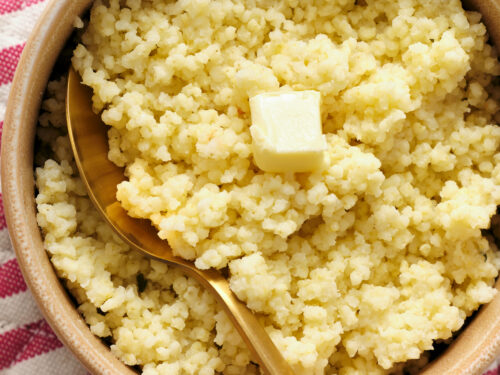
Credit: www.foodfaithfitness.com
Frequently Asked Questions
What Is The Best Way To Cook Millet?
The best way to cook millet is to rinse it first. Then, boil it in water with a 2:1 water-to-millet ratio. Simmer covered for 20 minutes until soft and fluffy. Let it rest for 5 minutes before serving.
How Long Does It Take To Cook Millet?
Millet typically takes about 20 minutes to cook. After boiling, reduce heat and simmer covered. Check for softness and water absorption. Let it stand covered for 5 minutes to finish cooking and fluff with a fork.
Can Millet Be Cooked Like Rice?
Yes, millet can be cooked like rice. Use a 2:1 water-to-millet ratio. Boil, then simmer covered until water is absorbed. Let it rest before fluffing. Millet’s texture is similar to rice when properly cooked.
Do You Need To Soak Millet Before Cooking?
Soaking millet is optional but recommended. Soaking for 1-2 hours reduces cooking time and improves digestibility. Rinse thoroughly before cooking. Skipping soaking will require slightly longer cooking time.
Conclusion
Making millet is simple and quick to do at home. Rinse the grains well to remove dust. Use the right water amount for fluffy texture. Cook on low heat until soft and tender. You can add spices or vegetables for flavor.
Millet is healthy, gluten-free, and easy to digest. It works well in many dishes like porridge or salads. Try cooking millet today and enjoy a tasty, nutritious meal. Simple steps lead to great results every time.

Hi, I’m Daniel Brooks—a food lover and kitchen gear enthusiast. I enjoy testing cookware, utensils, and gadgets to see what really works in everyday cooking. At PlugChef.com, I share honest reviews, comparisons, and simple guides to help you choose the best tools for a safer, smarter, and more enjoyable kitchen.
Related posts:
 What Type of Cooking Utensils are Safe: Expert Picks
 What Innovations Could Blenders Make: Unleashing Future Tech
 Smart Strategies to Organize a Small Kitchen: Maximize Space
 How to Organize a Kitchen Cabinet: Expert Tips & Tricks
 How to Organize Kitchen Drawers: Expert Tips and Tricks
 How to Organize a Corner Kitchen Cupboard: Expert Tips

