
If you’re tired of reaching for the same jar of marinara every pasta night, you’re not alone. Many home cooks avoid red sauce for reasons ranging from acid reflux and nightshade sensitivities to simple boredom with tangy tomato flavors. The good news? There are dozens of flavorful, restaurant-quality no-red-sauce pasta options that come together in 30 minutes or less, no fancy equipment required. From rich creamy classics to bright herb-forward dishes and plant-based twists, these alternatives deliver big on taste without a drop of tomato. We’ve rounded up the best options, plus pro tips to avoid common cooking mistakes and customize dishes for every dietary need.
Why Skip Red Sauce?
Red sauce is a classic for a reason, but it’s not the right fit for every meal or every eater. Some people avoid tomatoes due to acid reflux, arthritis flare-ups, or nightshade intolerances that cause digestive discomfort. Others are looking for lighter, lower-sugar options that don’t leave them feeling heavy after dinner. And for many home cooks, skipping red sauce is a chance to experiment with fresh, seasonal ingredients and global flavor profiles that don’t rely on tomatoes as a base. Whether you’re cooking for a crowd with diverse dietary needs or just want to switch up your weeknight rotation, these no-red-sauce options are sure to become staples.
Creamy White Sauce Classics
Creamy white sauce pastas are the ultimate comfort food, with rich, velvety coatings that cling to every strand of noodles. The most iconic option is classic Alfredo, a Roman-origin dish that relies on emulsified pasta water, butter, and freshly grated Parmigiano-Reggiano for its signature silky texture (the Americanized version adds heavy cream for extra indulgence, a great hack for home cooks who prefer a richer sauce).
Classic Alfredo Pasta
A common mistake when making Alfredo is adding the cheese too quickly or over high heat, which causes the sauce to curdle and turn grainy. To avoid this, remove the pan from heat before stirring in the cheese, and add a small ladle of reserved starchy pasta water to loosen the sauce as needed. Toss with fettuccine, pappardelle, or tagliatelle—thick, flat pasta shapes hold the rich sauce far better than thin spaghetti. For a rich, creamy boost without dairy, add sliced perfectly ripened avocado How To Ripen Avocado Overnight to your Alfredo or lemon herb pasta for a silky texture, extra fiber, and healthy fats.
Add-Ins for Extra Flavor
- Grilled chicken or shrimp for extra protein
- Sautéed cremini mushrooms for earthy depth
- Steamed broccoli or asparagus for a veggie boost
- Minced garlic sautéed in the butter base for extra savoriness
- Freshly cracked black pepper and chopped parsley for brightness
Vegan Alfredo Variation
For a dairy-free twist, blend soaked cashews, nutritional yeast, garlic, lemon juice, and a splash of plant-based milk until smooth. The result is a creamy, cheesy-flavored sauce that works just as well with any pasta shape.
Fresh Herb & Oil-Based Sauces
These sauces are light, bright, and come together in 10 minutes or less, making them perfect for busy weeknights. They rely on high-quality olive oil, fresh herbs, and aromatic ingredients to pack flavor without heaviness.
Basil Pesto Pasta
Classic basil pesto hails from Genoa, Italy, and is made by blending fresh basil leaves, pine nuts (or walnuts for a budget-friendly, earthier twist), garlic, Parmigiano-Reggiano, and extra virgin olive oil until smooth. The key to bright, vibrant pesto is to blend the ingredients quickly—over-blending can heat the basil and turn it brown. To store leftover pesto, freeze it in ice cube trays topped with a thin layer of olive oil to prevent oxidation, so you have single-serve portions ready for future pasta nights. Toss pesto with trottole, fusilli, or penne, which have crevices that hold the thick sauce better than smooth pasta shapes.
Alternative Pesto Flavors
Pesto is far more versatile than just basil:
- Arugula pesto adds a peppery, slightly bitter kick that pairs perfectly with grilled chicken
- Spinach or kale pesto is milder and kid-friendly, with a softer green color
- Sun-dried tomato pesto adds a sweet, tangy depth for a heartier flavor profile
Aglio e Olio (Garlic & Olive Oil Pasta)
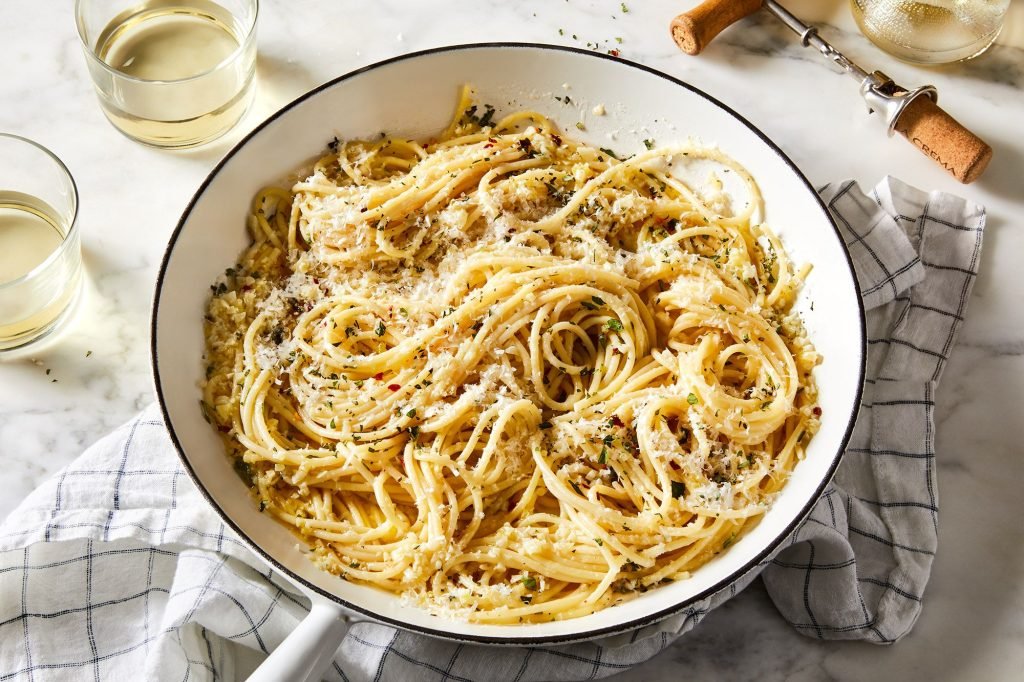
This iconic Neapolitan dish is proof that you don’t need fancy ingredients to make incredible pasta. The key to perfect aglio e olio is slow-cooking thinly sliced garlic in generous extra virgin olive oil over low heat until golden and fragrant—burning the garlic will make the sauce bitter and unpleasantly sharp. Add a pinch of red pepper flakes for gentle heat, a squeeze of lemon juice for brightness, and a handful of chopped parsley for freshness before tossing with al dente spaghetti or linguine. Reserve ½ cup of starchy pasta water to loosen the sauce if it gets too thick, creating a silky emulsion that coats every strand. For a simple, flavorful side, pair your garlic oil pasta with blistered shishito peppers How To Roast Shishito Peppers for a mild, smoky kick.
Lemon Herb Pasta
Bright, zesty, and perfect for warm weather, lemon herb pasta combines fresh lemon juice and zest with olive oil, garlic, and a mix of fresh herbs like basil, parsley, and chives. The citrusy sauce is light enough for spring and summer meals, but rich enough to satisfy. Add capers for a briny pop, toasted pine nuts for crunch, or a sprinkle of grated Pecorino Romano for extra savoriness. This dish pairs beautifully with grilled fish or a crisp green salad for a full meal.
 Caprese pasta with fresh mozzarella, basil, and lemon zest, a light no-red-sauce option
Image source: hilltoprecipes.com
Caprese pasta with fresh mozzarella, basil, and lemon zest, a light no-red-sauce option
Image source: hilltoprecipes.com
Vegetable-Forward No-Tomato Pastas
Vegetable-loaded pasta dishes are a great way to pack extra nutrients into your meal without relying on red sauce for flavor. The key to making them taste incredible is building layers of flavor through roasting, sautéing, and smart seasoning.
Roasting vs. Sautéing Vegetables
Roasting vegetables at 425°F (220°C) with a drizzle of olive oil, salt, and pepper caramelizes their natural sugars, creating a deep, sweet flavor that works perfectly in pasta dishes. Toss bell peppers, zucchini, cherry tomatoes, and broccoli on a sheet pan and roast for 20-25 minutes until tender and slightly charred for the best results. For quicker cooking, sauté leafy greens like spinach and kale, or mushrooms and asparagus, in a hot pan with a pinch of garlic for 3-5 minutes until just tender—you want them to retain a slight crunch, not turn mushy.
Best Vegetables for No-Red-Sauce Pasta
- Bell peppers: Add bright color and mild sweetness
- Zucchini and summer squash: Soak up sauce flavors while staying tender
- Cremini or shiitake mushrooms: Add umami depth and a meaty texture
- Roasted cherry tomatoes: Burst with juicy sweetness, no sauce required
- Broccoli or cauliflower: Add crunch and earthy flavor
- Artichoke hearts: Add a tangy, tender element that pairs well with creamy sauces To keep your prep space tidy and safe, start by sanitizing your cutting board How To Sanitize Wooden Cutting Board before chopping fresh produce to avoid cross-contamination.
Seafood No-Tomato Pastas
Seafood pasta dishes are elegant, light, and perfect for special occasions or date nights. The key to great seafood pasta is using fresh, high-quality seafood and cooking it gently to avoid a tough, rubbery texture.
Light Sauce Pairings for Seafood
Delicate seafood like shrimp, scallops, clams, and mussels pair best with light, subtle sauces that don’t overpower their natural flavor:
- Garlic and olive oil with a pinch of red pepper flakes
- Lemon butter sauce with fresh parsley
- White wine and garlic reduction (use vegetable broth for an alcohol-free option)
- Herb-infused olive oil with a squeeze of lemon To avoid foodborne illness, always cook shrimp, scallops, and finfish to an internal temperature of 145°F (63°C), per FDA seafood safety guidance.
Cooking Tips for Perfect Seafood
- Pat seafood dry before cooking to get a golden sear
- Sauté shrimp and scallops for 2-3 minutes per side over high heat
- Steam clams and mussels for 5-7 minutes until they open; discard any that remain closed
- Toss cooked seafood with pasta and sauce off the heat to prevent overcooking
- Use thin pasta shapes like linguine or angel hair, which let the seafood shine through
Creamy Nut & Plant-Based Sauces
Nut-based sauces are a fantastic option for vegans, dairy-free eaters, or anyone looking for a rich, unique flavor profile. They’re packed with healthy fats and protein, and create a velvety texture that coats pasta beautifully.
Cashew Cream Sauce
Cashew cream is the most versatile nut-based pasta sauce, with a mild, neutral flavor that works with almost any add-in. To make it, soak raw cashews in hot water for 30 minutes (or overnight in cold water), then blend with garlic, lemon juice, nutritional yeast, a pinch of salt, and enough water to reach your desired consistency. Toss with roasted vegetables, spinach, or grilled tofu for a filling vegan meal.
Walnut & Herb Sauce
Walnuts have a deeper, earthier flavor that pairs perfectly with hearty herbs like sage and rosemary. To make a walnut sauce, blend soaked walnuts with roasted garlic, olive oil, fresh sage, and a splash of vegetable broth until smooth. This sauce works especially well with short pasta shapes like rigatoni, which hold the thick, rich sauce in their crevices.
Flavor Pairings for Nut Sauces
- Cashew cream pairs well with basil, lemon, sun-dried tomatoes, and roasted red peppers
- Walnut sauce complements mushrooms, caramelized onions, and crispy fried sage
- Add a pinch of red pepper flakes for gentle heat, or a sprinkle of smoked paprika for a smoky depth A common trade-off of nut-based sauces is that they can separate if stored for more than 2 days, so it’s best to make them fresh for the best texture.
 Creamy vegan "marry me" pasta, a dairy-free no-red-sauce crowd-pleaser
Image source: itdoesnttastelikechicken.com
Creamy vegan "marry me" pasta, a dairy-free no-red-sauce crowd-pleaser
Image source: itdoesnttastelikechicken.com
Cheesy Baked No-Red-Sauce Pastas
Baked pasta is a crowd-pleasing, make-ahead friendly option that’s perfect for potlucks, family dinners, or meal prep. The gooey, golden-brown top and tender pasta interior make it a satisfying comfort food.
Choosing Cheeses for Baked Pasta
For the best melt and flavor, use a combination of cheeses:
- Low-moisture mozzarella for stretch and creaminess
- Sharp cheddar or Gruyère for bold, nutty flavor
- Parmigiano-Reggiano for a savory, crispy topping
- Ricotta for creamy, layered texture (mix with herbs and eggs for a stuffed pasta bake) Avoid cheeses that don’t melt well, like feta or halloumi, unless you’re using them as a crumbly topping.
Baking Tips for Perfect Results
- Use a baking dish that fits your pasta with a little extra room for bubbling
- Cover with foil for the first 20 minutes of baking to keep the pasta moist
- Remove foil for the last 5-10 minutes to get a golden, crispy cheese top
- Let the baked pasta rest for 5 minutes after removing it from the oven to let the cheese set and make serving easier
- Bake at 375°F (190°C) for 25-30 minutes total To keep your kitchen running smoothly for all your pasta projects, routine kitchen upkeep Kitchen Sink Maintenance like fixing leaky faucets and clearing drain clogs ensures you have hot, running water on hand for boiling pasta and cleaning up after meals. If you notice rust on your pasta tongs or other kitchen utensils, follow proper rust removal steps How To Remove Rust From Kitchen Utensils to keep them safe for food contact. After baking, avoid tough cheese residue by knowing how to remove stains from your cutting board How To Remove Stains From Cutting Board if you used it for prepping veggies.
 Freshly made no-red-sauce pasta served in a home Italian kitchen
Image source: hilltoprecipes.com
Freshly made no-red-sauce pasta served in a home Italian kitchen
Image source: hilltoprecipes.com
Customizing for Dietary Needs
One of the biggest benefits of no-red-sauce pasta is how easy it is to adapt for every dietary restriction:
- Gluten-free: Use any gluten-free pasta shape (rice, corn, or legume-based) and pair with oil-based, creamy, or pesto sauces. Legume-based pastas have extra protein and fiber, aligning with USDA MyPlate whole grain guidance for nutrient-dense meals.
- Vegan: Use nut-based sauces, olive oil and garlic, or vegan Alfredo made with cashew cream and nutritional yeast. Skip dairy cheese or use store-bought vegan Parmesan.
- Dairy-free: Opt for olive oil-based sauces, nut-based sauces, or dairy-free cream alternatives made from oats or cashews.
- Low-FODMAP: Use garlic-infused olive oil (to avoid FODMAPs in raw garlic) and skip high-FODMAP add-ins like onions, wheat pasta, and cashews. Use lactose-free cream or coconut milk for creamy sauces.
Pro Tips for Perfect No-Red-Sauce Pasta
Even the simplest pasta dishes can be elevated with a few small, tested tips:
- Match sauce to pasta shape: Thick, creamy sauces pair best with flat, wide pasta like fettuccine or pappardelle, as their wide surface area holds the sauce well. Short, ridged pasta like rigatoni, fusilli, and penne are perfect for chunky pesto or vegetable-loaded sauces, as their crevices trap bits of herbs and veggies. Thin pasta like linguine and angel hair work best with light oil-based sauces like aglio e olio and lemon herb sauce.
- Always reserve pasta water: The starchy liquid is the secret to emulsifying your sauce and making it cling to the pasta instead of sliding off. Add ¼ to ½ cup at a time to loosen thick sauces.
- Toss pasta in the sauce, don’t pour sauce on top: This ensures every strand is evenly coated, rather than having sauce pool at the bottom of the bowl.
- Prep ingredients ahead: Chop herbs, roast vegetables, and make sauces 1-2 days in advance to cut down on weeknight cooking time. Keep your prep space clutter-free by organizing under your kitchen sink How To Clean Out And Organize Under Your Kitchen Sink to store extra olive oil, pasta, and herbs easily.
Frequently Asked Questions
What are the most popular pasta dishes without red sauce?
The most beloved no-red-sauce pasta dishes include classic Alfredo, basil pesto, aglio e olio, cheesy baked ziti (made with white sauce instead of red), lemon herb pasta, and seafood linguine. These options span creamy, oil-based, and vegetable-forward profiles to suit every taste preference.
How can I make pasta flavorful without tomato sauce?
Flavor comes from building layers with high-quality ingredients: use fresh herbs, garlic, good olive oil, grated cheese, toasted nuts, and roasted vegetables. Seasoning with salt, pepper, and a squeeze of lemon juice brightens the dish and enhances the natural flavors of your ingredients.
Are there healthy no-red-sauce pasta options?
Absolutely. Oil-based pastas like aglio e olio, vegetable-loaded pasta with roasted seasonal veggies, and whole-grain pasta with pesto or nut-based sauces are low in added sugar and high in fiber, protein, and nutrients. For a balanced meal, follow MyPlate guidance and fill half your plate with vegetables alongside your pasta.
Can gluten-free pasta be used in no-red-sauce dishes?
Yes, gluten-free pasta works with every no-red-sauce profile we’ve covered. Opt for legume-based gluten-free pasta for extra protein, or rice-based pasta for a milder flavor. Just be sure not to overcook gluten-free pasta, as it can become mushy faster than wheat-based varieties.
Can I make no-red-sauce pasta ahead of time?
Yes! Creamy sauces like Alfredo and pesto can be made 2-3 days in advance and stored in the fridge. Reheat gently over low heat, adding a splash of pasta water to loosen the sauce if it thickens. Baked pasta can be assembled 1 day in advance, covered, and stored in the fridge before baking. Vegetable-loaded pasta can be prepped and roasted 3-4 days in advance for quick weeknight meals.
What pasta shapes work best for creamy vs. oil-based sauces?
Thick, flat pasta like fettuccine, pappardelle, and tagliatelle are ideal for thick, creamy sauces like Alfredo and cashew cream, as their wide surface area holds the sauce well. Short, ridged pasta like rigatoni, fusilli, and penne are perfect for chunky pesto or vegetable-loaded sauces, as their crevices trap bits of herbs and veggies. Thin pasta like linguine and angel hair work best with light oil-based sauces like aglio e olio and lemon herb sauce.
Conclusion
Pasta dishes without red sauce are far from boring—they’re a chance to explore global flavors, accommodate dietary needs, and create light, satisfying meals that don’t rely on tomatoes for taste. From rich, indulgent creamy Alfredo to bright, zesty lemon herb pasta and plant-based nut sauces, there’s an option for every preference and occasion. Many of these recipes come together in 30 minutes or less, making them perfect for busy weeknights when you don’t have time to simmer a slow-cooked red sauce. Ready to test out a new no-red-sauce recipe this week? Start with the classic aglio e olio for a quick, foolproof meal, or experiment with a creamy cashew sauce for a vegan twist. We’d love to see your homemade creations—tag us in your pasta night photos for a chance to be featured!

I’m Abby Lu, a passionate home cook who loves simplifying everyday meals. At PlugChef.com, I share product reviews and cooking guides to help you find the best tools for your kitchen.
Related posts:
 How to Make a Fruit Basket for a Gift: Easy DIY Guide
 Do You Need a Basket? Essential Guide for Air Fryers
 Small Kitchens With Black Appliances: Maximizing Style
 Allied Blenders And Distillers IPO: Investment Insights
 Whirlpool 4 Piece Kitchen Appliance Package: Ultimate Upgrade
 Kitchen Sink Cleaning: Ultimate Tips for a Sparkling Shine

