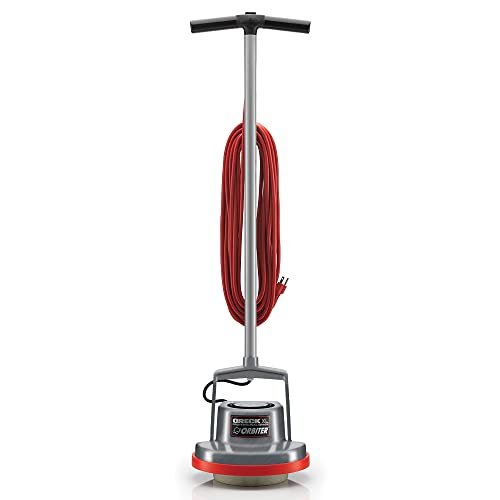
Commercial kitchen floors face constant abuse: baked-on grease from fryers, sugary drink spills, food debris, and heavy foot traffic make them one of the most challenging surfaces to clean in any food service environment. Unlike residential hard floors, these surfaces require specialized equipment to remove stubborn grime, meet strict FDA food safety standards for food service environments, and reduce slip and fall hazards for staff per OSHA slip and fall prevention requirements for commercial kitchens. A high-quality commercial kitchen floor cleaning machine cuts deep cleaning time significantly compared to manual scrubbing, extends the lifespan of your flooring investment, and ensures consistent, hygienic results shift after shift. Below, we break down the top models by use case, key features to prioritize for food service spaces, and maintenance tips to maximize your return on investment.
Why Commercial Kitchen Floors Require Specialized Cleaning Equipment
Standard residential mops and buffers can’t effectively handle the unique grime buildup in commercial kitchens. Grease and sugar residues harden quickly, creating sticky, slippery surfaces that harbor bacteria and fail health inspections. Manual scrubbing not only takes 3 to 5 times longer than machine cleaning, but it also often leaves inconsistent residue that leads to cross-contamination risks. In practice, a 500 sq. ft. kitchen floor that takes 45 minutes to scrub manually can be fully cleaned, rinsed, and dried in under 10 minutes with a purpose-built commercial scrubber. Beyond hygiene, proper cleaning extends the life of expensive flooring materials: epoxy and sealed concrete can last 10+ years with regular machine cleaning, versus 3 to 5 years with inconsistent manual care.
Key Features to Prioritize for Food Service Environments
Not all floor cleaning machines are suited for commercial kitchen use. Prioritize these features to ensure you get a model that meets your operation’s needs:
- Cleaning path width: Ranges from 14 inches for small cafe kitchens to 34 inches for large hospital or restaurant kitchens. Wider paths reduce cleaning time, but require enough open space to maneuver around fixed equipment like fryers and prep tables.
- Brush and pad compatibility: Look for models with interchangeable nylon brushes for grout and epoxy, and soft polishing pads for routine maintenance on tile and sealed concrete. Avoid abrasive brush heads on polished surfaces to prevent permanent etching.
- Tank capacity: Separate clean water and dirty water tanks are non-negotiable for food safety, as they prevent cross-contamination between cleaning solution and dirty grime. Small 2 to 4 gallon tanks work for spaces under 1,000 sq. ft., while 20+ gallon tanks minimize downtime for large operations.
- Power source: Corded models deliver consistent, uninterrupted power for long shifts with no battery degradation, ideal for fixed large kitchens. Cordless models eliminate tripping hazards from cords, a major safety plus in busy, high-traffic kitchens, with runtimes ranging from 90 minutes for compact units to 4+ hours for heavy-duty models.
- Suction and drying performance: Look for a suction width that matches or exceeds the cleaning path to pick up standing water immediately, reducing slip risk and meeting health code requirements for dry floors post-cleaning.
- Certifications: NSF/ANSI 3-2018 certification ensures the machine is constructed with food-safe materials and designed for use in food preparation areas with no cross-contamination risk.
Top Commercial Kitchen Floor Cleaning Machines for Deep Clean Efficiency
We’ve organized our top picks by use case to help you find the best fit for your operation, with honest tradeoffs and real-world performance notes from food service cleaning professionals.
Best Overall for Large Commercial Kitchens: SUNMAX RT120 34" Self-Propelled Floor Scrubber
 The SUNMAX RT120’s self-propelled drive and large tank make it ideal for high-volume kitchen operations.
The SUNMAX RT120 is built for large-scale commercial kitchens, including hospital cafeterias, hotel restaurant back-of-house areas, and high-volume fast food locations. Its 34-inch cleaning path and dual brush system tackle even baked-on grease from fryer vats and grill stations with ease, while the 33-gallon dual tank system supports extended cleaning sessions with minimal downtime for emptying. The self-propelled drive eliminates the upper body fatigue common with walk-behind models during 8-hour cleaning shifts, a feature operators consistently cite as a major quality-of-life upgrade for long workdays.
Pros
- Cleans up to 14,000 sq. ft. per hour, reducing large-floor cleaning time by more than half compared to manual scrubbing
- 4+ hour battery runtime supports full shift use without recharging
- 33-gallon dirty water tank reduces emptying stops by 70% compared to compact models
- Self-propelled drive minimizes operator strain during extended use
Cons
- 122lb weight requires two people to lift for storage or transport between locations
- Not suitable for kitchens with aisles narrower than 36 inches
- Higher upfront cost than compact or entry-level models
Common mistake to avoid: Overfilling the dirty water tank beyond the 3/4 full mark reduces suction efficiency and can cause clogs. Empty the tank when the fill line is reached for optimal performance. For storage in small back-of-house areas, pair this machine with space-efficient cabinet storage to keep it out of the way of daily operations.
Best for Medium to Large Kitchens with Fast Turnaround: SUNMAX RT50 Walk-Behind Floor Scrubber Dryer
 The RT50’s combined scrubbing and drying function lets you clean and leave floors safe for foot traffic in one pass.
The SUNMAX RT50 is a workhorse for medium to large commercial kitchens that need to reopen quickly after deep cleaning, such as restaurant dining room floors, school cafeteria kitchens, and retail food court back areas. Its 22-inch cleaning path and 200 RPM brushes lift grease and grime effectively, while the 31-inch suction width dries floors immediately after scrubbing to meet health code requirements for slip-free surfaces. The 14.5-gallon dirty water tank supports 2+ hours of continuous use before emptying.
Pros
- Cleans and dries in one pass, eliminating the need for a separate mopping step and reducing total cleaning time by 40%
- 50-foot cord provides extended reach without frequent outlet switching in large open kitchens
- Compact 37-inch height fits under most prep tables for easy storage
Cons
- Walk-behind design causes mild fatigue during shifts longer than 2 hours
- Corded design limits mobility around fixed equipment
- Not suitable for kitchens with narrow aisles or high clutter
Common mistake to avoid: Using too much cleaning solution leaves sticky residue that attracts grease and fails health inspections. Always follow the manufacturer’s recommended dilution ratio for food-safe degreasers. To avoid tripping hazards from the long cord, use cord management solutions to secure excess cord along walls and under tables.
Best Compact for Small Kitchens & Tight Spaces: Battery-Powered Walk-Behind Mini Automatic Floor Scrubber
 This 22lb mini scrubber fits easily around prep stations and fryer vats in small commercial kitchens.
Designed for small commercial kitchens with limited space, including cafes, bakeries, food trucks, and pop-up locations, this 22lb mini scrubber fits in aisles as narrow as 24 inches and can be lifted onto countertops to clean around fixed equipment like coffee machines and sandwich prep stations. Its 15-inch cleaning path and 170 RPM brushes deliver enough power for routine deep cleaning of tile and sealed concrete, while the 90-minute battery runtime supports full cleaning of spaces up to 800 sq. ft. without needing to recharge.
Pros
- Lightweight enough for one-person operation, even for users with limited strength
- Cordless design eliminates tripping hazards in busy, cluttered kitchen spaces
- Compact 17×17 inch base fits in small storage closets and under prep tables
Cons
- Not suitable for kitchens larger than 800 sq. ft. or with heavy grease buildup
- 1-gallon dirty water tank requires emptying every 30 minutes of use
- Lower scrubbing power than heavy-duty models
Common mistake to avoid: Letting the battery drain completely before charging reduces its long-term lifespan. Plug the machine in to charge immediately after each use for maximum runtime. For small back rooms or food trucks, use under-sink supply storage to store the machine, brushes, and cleaning solutions in a compact, accessible spot.
Best Heavy-Duty for Grease-Heavy Kitchens: HHQ Commercial Heavy-Duty Floor Scrubber
 The HHQ heavy-duty model’s dual brush system tackles baked-on grease and grout buildup in high-volume kitchens.
The HHQ heavy-duty scrubber is built for high-volume restaurants, diners, and catering facilities with heavy grease buildup from fryers, grills, and wok stations. Its dual interchangeable brush system lifts baked-on grease from quarry tile grout without requiring harsh manual scrubbing, while the included polishing pads make it easy to switch to routine maintenance cleaning. The ergonomic handle design reduces operator strain during extended use, a key feature for cleaning crews working long shifts.
Pros
- Aggressive brush action removes baked-on grease and grout stains without harsh chemical degreasers
- Interchangeable brush and pad system supports both deep cleaning and routine polishing
- 39lb weight is light enough for one-person operation in most kitchen layouts
Cons
- Narrow 13-inch cleaning path increases cleaning time for large open kitchens
- Heavier than compact models, making it harder to maneuver up ramps or over door thresholds
- Not compatible with carpeted areas (carpet is not permitted in most commercial kitchen food prep zones per health codes)
Common mistake to avoid: Using stiff, abrasive brushes on sealed concrete or epoxy can cause permanent etching. Stick to the included nylon brushes for grout and soft pads for smooth surfaces. Keep brushes, pads, and cleaning solutions organized with dedicated drawer storage to reduce time spent searching for supplies during shifts.
Best Versatile Entry-Level Option: HHQ Compact Commercial Floor Scrubber Polisher
 The compact HHQ model is a budget-friendly pick for mixed flooring in small commercial kitchens.
For startup cafes, food trucks, and pop-up kitchens with limited budgets, the HHQ compact scrubber polisher delivers reliable performance for a fraction of the cost of heavy-duty models. Its 13-inch cleaning path and ergonomic handle make it easy to maneuver around tight prep stations, while the interchangeable brush and pad system works on tile, sealed concrete, and epoxy. At 39lb, it’s light enough for one-person operation and small enough to store in tight closets or under counters.
Pros
- Affordable entry point for small businesses with limited cleaning budgets
- Lightweight design reduces operator fatigue during short cleaning sessions
- Works on multiple hard floor types common in small commercial kitchens
Cons
- Lower RPM than heavy-duty models, so it’s not suitable for baked-on grease buildup
- Small 1-gallon tank requires frequent emptying for spaces larger than 600 sq. ft.
- Less durable than commercial-grade models for daily high-volume use
Common mistake to avoid: Applying too much pressure while scrubbing can damage the motor over time. Use light, consistent strokes for best results, and let the machine’s brush rotation do the work.
Best Budget Corded Option: Global Industrial 17" Corded Floor Machine
 The heavy-duty 17" corded buffer delivers consistent power for large, open kitchen floors.
For large, open-plan commercial kitchens with minimal fixed equipment, such as warehouse-style restaurant kitchens or school cafeteria serving areas, the 17-inch Global Industrial corded floor machine delivers consistent, uninterrupted power for long shifts. Its heavy 116.8lb weight provides stability during polishing and scrubbing, while the wide 17-inch cleaning path covers large areas quickly to reduce total cleaning time.
Pros
- Consistent power with no battery degradation, ideal for 8+ hour cleaning shifts
- Wide cleaning path covers large open floors 30% faster than compact models
- Durable construction withstands daily rigorous use in high-traffic environments
Cons
- 116.8lb weight makes it difficult to maneuver in tight spaces or lift for storage
- Corded design limits mobility around fixed equipment
- Not suitable for kitchens with narrow aisles or high clutter
Best for: Large, open commercial kitchens with minimal obstacles and access to nearby electrical outlets.
Best NSF-Certified for Food Prep Areas: Powr-Flite Multiwash 14" Commercial Floor Scrubber
 The NSF-certified Multiwash is safe for use in food prep zones with no cross-contamination risk.
For kitchens with open food prep areas, catering facilities, or school cafeterias that require strict compliance with health codes, the NSF-certified Powr-Flite Multiwash is a safe, reliable choice. Its 14-inch cleaning path and lightweight 55lb design make it easy to maneuver around prep tables and serving stations, while the dual tank system prevents cross-contamination between clean and dirty water. The machine is compatible with all food-safe, low-foam degreasers, making it easy to integrate into your existing cleaning workflow.
Pros
- NSF/ANSI 3-2018 certified for safe use in food preparation and serving areas
- Lightweight design reduces operator fatigue during daily cleaning sessions
- Durable construction withstands daily use in high-traffic commercial environments
Cons
- Narrow 14-inch cleaning path increases cleaning time for large open floors
- 2-gallon dirty water tank requires frequent emptying for spaces over 1,000 sq. ft.
- Lower scrubbing power than heavy-duty models for heavy grease buildup
Maintenance Tips to Maximize Efficiency and Lifespan
Even the highest-quality commercial floor cleaning machine will underperform without regular maintenance. Follow these guidelines to extend your machine’s lifespan and ensure consistent cleaning results:
- Rinse the clean and dirty water tanks thoroughly after each use to prevent grease buildup and bacterial growth, which can cause odors and cross-contamination.
- Inspect brushes and pads weekly for wear; replace them every 3 to 6 months depending on usage intensity to maintain optimal scrubbing power.
- For battery-powered models, charge after each use and avoid letting the battery drain completely to extend its overall lifespan. Store batteries in a cool, dry area away from direct heat.
- Wipe down the motor housing, controls, and handle daily with a food-safe degreaser to prevent grease and cleaning solution damage to internal components.
- Use only manufacturer-approved, low-foam, food-safe cleaning solutions. Avoid bleach or abrasive chemicals, which can corrode internal parts and leave harmful residues on kitchen floors.
- Store the machine in a dry, well-ventilated area away from direct water exposure to prevent rust and electrical damage. For compact models, use dedicated drawer storage to keep brushes and pads organized and accessible.
Frequently Asked Questions
What types of floors are compatible with commercial kitchen floor cleaning machines?
Most commercial kitchen floor cleaning machines are designed for non-porous surfaces standard in food service environments: sealed concrete, quarry tile, epoxy, and vinyl composition tile (VCT). Always check the manufacturer’s guidelines to avoid damaging delicate surfaces, and avoid using abrasive brushes on polished or sealed floors to prevent permanent etching. Note that carpet is not recommended for commercial kitchen zones, as it fails most local health code requirements for food preparation and serving areas.
Are battery-powered floor scrubbers safe for use around food preparation areas?
Yes, as long as the model is NSF-certified for food service use. Cordless models eliminate tripping hazards from cords, which is a major safety plus in busy kitchens. Always charge batteries in a well-ventilated area away from food, heat sources, and open flames to reduce fire risk.
How often should I deep clean my commercial kitchen floor with a machine?
For high-volume restaurants and hospital cafeterias, deep clean 2 to 3 times per week, paired with daily light spill cleaning. For low-volume cafes, food trucks, or pop-up kitchens, a weekly deep clean is sufficient, with daily spot cleaning for high-traffic zones like near fryers and prep stations.
Do I need special cleaning solutions for these machines?
Yes, use only low-foam, food-safe degreasers approved for use with your machine’s tank system. High-sudsing soaps can clog the suction system, leave sticky residues that attract grease, and fail health inspections. Always follow the manufacturer’s recommended dilution ratios for optimal performance.
What’s the difference between a floor scrubber and a floor buffer?
Floor scrubbers spray cleaning solution, scrub the floor, and suction up dirty water in one pass, making them ideal for deep cleaning grease and grime. Floor buffers only polish the existing floor surface, so they’re best for maintaining shine between deep cleans, not for removing built-on dirt. For commercial kitchen use, a scrubber dryer is the better investment, as it eliminates the need for a separate mopping and drying step.
Final Thoughts
Choosing the right commercial kitchen floor cleaning machine is one of the most impactful investments you can make for your food service operation. The right model reduces labor costs, ensures consistent compliance with health and safety guidelines, reduces slip and fall risks for staff, and extends the life of your flooring by years. When evaluating options, prioritize your kitchen’s square footage, floor type, and daily cleaning volume over flashy extra features: a compact mini scrubber will outperform a large self-propelled model in a small 800 sq. ft. cafe, while a heavy-duty 34-inch unit is the only practical choice for a 5,000 sq. ft. hospital kitchen. Pair your new machine with adequate under-cabinet lighting to illuminate dark corners and spills, and space-efficient cabinet storage to keep your cleaning area organized and accessible. For more guidance on optimizing your commercial kitchen’s workflow and maintaining a compliant, hygienic space, explore our full library of food service operation resources.

I’m Abby Lu, a passionate home cook who loves simplifying everyday meals. At PlugChef.com, I share product reviews and cooking guides to help you find the best tools for your kitchen.
Related posts:
 Rubber Feet for Kitchen Appliances: Enhance Stability & Protect Surfaces
 Best Way to Pack Kitchen Appliances: Tips for Space-Saving Solutions
 Best Single Serve Coffee Makers: Discover Top Picks for Quick Brews
 Best Vegetable Chopping Tools for Effortless and Precise Kitchen Prep
 Best Spinner for Northern Pike: Top Lures to Catch Trophy Fish
 Best Non Toxic Kitchen Utensil Set for Safe and Stylish Cooking