Every time you fry, sear, or sauté on your stovetop, tiny particles of grease, smoke, and moisture are pulled into your kitchen exhaust system. Over time, these particles accumulate into thick, sticky layers of grime that do more than just leave lingering cooking smells: they create serious fire hazards, reduce your range hood’s efficiency by up to 40% per ENERGY STAR guidelines, and degrade your home’s indoor air quality. For homeowners, regular residential kitchen exhaust cleaning is a simple, low-cost maintenance task that protects your family, your appliances, and your home. This guide breaks down the top tools, step-by-step techniques, and pro tips to get sparkling, safe results with minimal effort, no professional experience required.
According to the National Fire Protection Association (NFPA), cooking equipment is the leading cause of home fires, with grease buildup in exhaust systems a major contributing factor NFPA Kitchen Fire Safety. Beyond fire risk, clogged ducts force range hood fan motors to work 30% harder, increasing energy bills by an estimated $15–$20 per year and shortening appliance lifespan by 2–3 years. Grease particles released back into your kitchen air can also aggravate asthma, allergies, and other respiratory conditions, making regular cleaning a non-negotiable part of home maintenance.
Essential Tools for Residential Kitchen Exhaust Cleaning
The right tools make the difference between a 30-minute quick clean and a hours-long struggle with caked-on grime. Skip automotive or HVAC-specific cleaners, which are not formulated for food-based kitchen grease, and stick to tools designed explicitly for residential exhaust systems.
Long-Handle Flexible Vent Brushes
For standard 4-inch or 6-inch residential exhaust ducts, a 24 to 30-inch flexible nylon or steel brush is the most versatile option. The flexible shaft navigates 90-degree bends without damaging flexible aluminum or PVC ducting, while stiff bristles dislodge caked grease and lint without tearing duct material. Look for a brush with a comfortable grip to reduce hand fatigue during deep cleans.
 This flexible brush navigates 90-degree exhaust duct bends to remove caked grease and lint.
While this tool is commonly marketed for dryer vents and refrigerator condenser coils, it is a staple for kitchen exhaust cleaning, reaching deep into duct runs to remove buildup you can’t see from the hood or exterior vent.
This flexible brush navigates 90-degree exhaust duct bends to remove caked grease and lint.
While this tool is commonly marketed for dryer vents and refrigerator condenser coils, it is a staple for kitchen exhaust cleaning, reaching deep into duct runs to remove buildup you can’t see from the hood or exterior vent.
Heavy-Duty Degreasers
Avoid harsh acidic or abrasive cleaners, which can corrode aluminum range hood components or leave toxic residues on surfaces near food. Opt for pH-balanced, biodegradable degreasers formulated explicitly for kitchen grease:
- EcoGen Hood Cleaner: A concentrated, biodegradable degreaser that breaks down fatty, cooked-on grease without damaging stainless steel or aluminum. Dilute 1:10 with warm water for light buildup, or 1:4 for heavy, caked grime. It works on both the hood exterior, filters, and interior duct surfaces, and is safe for repeated residential use.
 Concentrated pH-balanced formula breaks down grease without damaging range hood materials.
 - TECHNICHEM ELBO GREZ: A non-toxic, all-purpose concentrated degreaser that works on range hoods, filters, and even stovetop grease splatters. Its low-fume formula is safe for use in enclosed kitchen spaces, and it rinses cleanly without leaving sticky residue.
 Safe for use on range hoods, filters, and surrounding kitchen surfaces.
Products Not Recommended for Kitchen Exhaust Cleaning
Not all heavy-duty cleaners are suitable for kitchen exhaust systems, as they are not formulated to break down food-based grease and may leave toxic residues:
- Automotive exhaust pipe cleaners are designed to remove rust and road grime from metal car parts, not fatty kitchen grease. Their harsh solvents can leave toxic residues on surfaces that come into contact with food.
- HVAC evaporator coil cleaners, like the ComStar Coil Safe, are formulated to remove dust and light debris from air conditioning coils, not the thick, sticky grease that accumulates in kitchen ducts. They will not effectively break down kitchen grime.
 Automotive cleaners are not formulated for food-based grease and may leave toxic residues.
 HVAC coil cleaners are ineffective at breaking down thick kitchen grease buildup.
Step-by-Step Residential Kitchen Exhaust Cleaning Process
For standard residential setups (duct runs under 10 feet, 1–2 90-degree bends), you can complete a full deep clean in 30–45 minutes with basic tools.
Pre-Cleaning Prep
Start with safety first: shut off power to your range hood at the circuit breaker to avoid accidental electric shock while cleaning electrical components. Remove the range hood’s metal or mesh filters and set them aside. Lay down drop cloths or old towels on your stovetop and countertops to catch degreaser drips, and open a window or turn on a fan for ventilation. Use appliance sliders to easily move small countertop appliances out of the way, avoiding scratches on your surfaces. Wear rubber gloves and safety glasses to avoid skin and eye contact with degreasers—this is a common oversight that leads to irritation for many DIYers.
Clean the Range Hood Exterior and Filters
Spray diluted degreaser on the hood exterior and let it sit for 5–10 minutes to break down surface grease. Wipe clean with a microfiber cloth, using a soft brush for crevices and seams. For mesh filters: soak in warm soapy water mixed with degreaser for 15–20 minutes, scrub with a soft brush, rinse thoroughly, and let air dry completely before reinserting. For stainless steel hoods, use a non-abrasive cleaner and wipe with the grain to avoid scratching. Most manufacturers allow mesh filters to be run through a dishwasher on a hot cycle for extra convenience.
Scrub Interior Ductwork
Insert the flexible end of your vent brush into the duct opening, feeding it slowly through straight sections and gently wiggling it to navigate 90-degree bends. As you pull the brush back out, rotate it to scrape caked grease and lint off the duct walls. For ducts longer than 10 feet, repeat this process 2–3 times to remove all buildup from the full length of the run. For extremely stubborn grease, spray a small amount of diluted degreaser directly into the duct 2–3 minutes before brushing to loosen residue. Use bright under-cabinet LED lighting to illuminate dark corners of the duct and hood, so you don’t miss hidden buildup.
Clean the Exterior Vent Cap
Head outside to the exhaust vent on your home’s exterior wall. Remove the vent cap, brush off any lint, grease, leaves, or debris buildup on the flaps and screen. Spray with degreaser, let sit 5 minutes, scrub with a stiff brush, rinse with a hose, and let dry completely before reattaching. Make sure the flaps move freely to avoid restricted airflow—blocked exterior vents are a common cause of reduced range hood performance.
Reassemble and Test
Once all parts are completely dry, reattach the vent cap, reinsert the clean filters, and restore power to the range hood at the circuit breaker. Turn the hood on high and check for strong suction at the exterior vent cap. If airflow feels weak, there may still be partial clogs in the duct that need additional brushing. A common mistake is reassembling the system before parts are fully dry, which can lead to mold growth inside the duct over time.
Pro Tips for Long-Lasting Results
Small, consistent habits reduce the need for frequent deep cleans and keep your exhaust system running smoothly:
- Deep clean your exhaust every 3–6 months if you cook daily (especially with high-heat methods like frying or searing), or every 6–12 months for occasional cooking. Mark it on your calendar to avoid forgetting.
- Wipe down the range hood exterior and filters monthly with warm, soapy water to prevent heavy grease buildup between deep cleans.
- Never run your range hood on the lowest setting while cooking, as this does not remove enough grease and moisture, leading to faster duct buildup.
- Avoid abrasive scrubbers or steel wool on stainless steel or aluminum components, as these can scratch the surface and trap grease in hard-to-clean grooves.
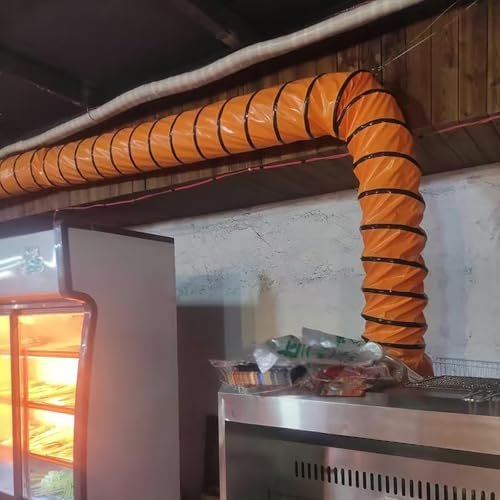
- Inspect your ducting annually for tears, kinks, or loose connections that restrict airflow. For damaged sections, use durable flexible ducting rated for exhaust use, such as this 300mm diameter, 5-meter long PVC option that fits most standard range hood ports and operates in temperatures from -20 to 180°F. Its flexible design navigates tight cabinetry spaces, but its 11lb weight requires secure mounting, and it only fits 300mm diameter fittings, so measure your existing duct before purchasing.
 This durable flexible ducting fits standard range hood ports and navigates tight cabinetry spaces.
 - Keep small brushes and scrapers organized in dedicated drawer compartments so they’re ready to use for quick touch-ups between deep cleans. Store degreasers and cleaning supplies under your sink with sink cabinet organization to keep hazardous chemicals out of reach of children and pets.
Critical Safety Considerations
- Always shut off power to your range hood at the circuit breaker before cleaning any electrical components to avoid electric shock.
- Never mix degreasers with bleach or ammonia-based cleaners, as this can create toxic fumes.
- Ensure your exterior exhaust vent is clear of obstructions like bird nests, leaves, or snow to avoid carbon monoxide buildup in your home, especially if you have a gas range. The EPA recommends venting range hoods directly outdoors to remove combustion byproducts safely EPA Indoor Air Quality.
- If you suspect a large, hard-to-reach grease clog, or notice a persistent burning smell when using your range hood, hire a NADCA-certified professional rather than attempting to disassemble ductwork yourself, as improper disassembly can lead to costly repairs.
- Never use flammable cleaning products near open flames or hot stovetops.
Frequently Asked Questions
What Is The Best Ducting For Kitchen Exhaust Fans?
For most residential setups, 4-inch or 6-inch diameter flexible aluminum or PVC ducting is ideal, as it accommodates standard range hood port sizes and navigates tight spaces around cabinetry. PVC ducting is more durable and heat-resistant than flexible aluminum, making it a better choice for setups where the duct runs close to hot stove components. Always check your range hood manufacturer’s recommendations for duct size and material before purchasing.
How Does EcoGen Hood Cleaner Work For Kitchen Grease?
EcoGen uses a blend of biodegradable surfactants and solvents that break down the molecular structure of fatty, cooked-on grease, making it easy to wipe or rinse away. Unlike harsh acidic cleaners, its pH-balanced formula won’t corrode aluminum or stainless steel range hood components, making it safe for repeated residential use.
Can I Use Car Exhaust Cleaner For Kitchen Vents?
No. Automotive exhaust cleaners are formulated to remove rust, road grime, and carbon deposits from metal car parts, not the fatty, food-based grease that accumulates in kitchen exhaust systems. They often contain harsh solvents that can leave toxic residues on surfaces that come into contact with food, and they are not effective at breaking down the thick, sticky grease common in kitchen ducts.
How Often Should I Clean My Residential Kitchen Exhaust?
For homes where you cook daily (especially with high-heat methods like frying, searing, or grilling), deep clean your exhaust system every 3–6 months. For occasional cooks, 6–12 month intervals are sufficient. Wipe down the range hood exterior and filters monthly to prevent heavy buildup between deep cleans.
Can I Clean My Kitchen Exhaust Duct Myself, or Do I Need a Professional?
You can safely clean most standard residential exhaust ducts (up to 10 feet long, with 1–2 90-degree bends) yourself using a flexible vent brush and degreaser. Hire a NADCA-certified professional if your duct run is longer than 10 feet, has multiple complex bends, or if you suspect a large, hard-to-reach grease clog that you can’t dislodge with brushing. Professionals use specialized rotary brush systems that can clean long, complex duct runs safely, and they will also inspect for rust, tears, or pest infestations you might miss.
What Should I Do If My Range Hood Has Weak Airflow After Cleaning?
First, check that the exterior vent cap is clear of obstructions like leaves, bird nests, or snow. Next, inspect the duct for kinks, tears, or loose connections that are restricting airflow. If the duct is clear and undamaged, the issue may be with your range hood’s fan motor, which may need repair or replacement. Opt for non-toxic formulas when selecting cleaning supplies to avoid damaging sensitive range hood components.
Conclusion
A sparkling clean kitchen exhaust system isn’t just a cosmetic win—it’s a critical safety feature that protects your home and family from fire risk, improves your indoor air quality, and saves you money on energy bills and appliance repairs. With the right tools (a flexible vent brush, pH-balanced degreaser, and basic protective gear) and 30 minutes of effort every 3–6 months, you can keep your exhaust system in top shape without breaking the bank. Don’t wait for a lingering burning smell or weak airflow to remind you to clean: add exhaust maintenance to your regular home cleaning routine today to enjoy a safer, fresher kitchen for years to come.

I’m Abby Lu, a passionate home cook who loves simplifying everyday meals. At PlugChef.com, I share product reviews and cooking guides to help you find the best tools for your kitchen.
Related posts:
 Rubber Feet for Kitchen Appliances: Enhance Stability & Protect Surfaces
 Best Way to Pack Kitchen Appliances: Tips for Space-Saving Solutions
 Best Single Serve Coffee Makers: Discover Top Picks for Quick Brews
 Best Vegetable Chopping Tools for Effortless and Precise Kitchen Prep
 Best Spinner for Northern Pike: Top Lures to Catch Trophy Fish
 Best Non Toxic Kitchen Utensil Set for Safe and Stylish Cooking