
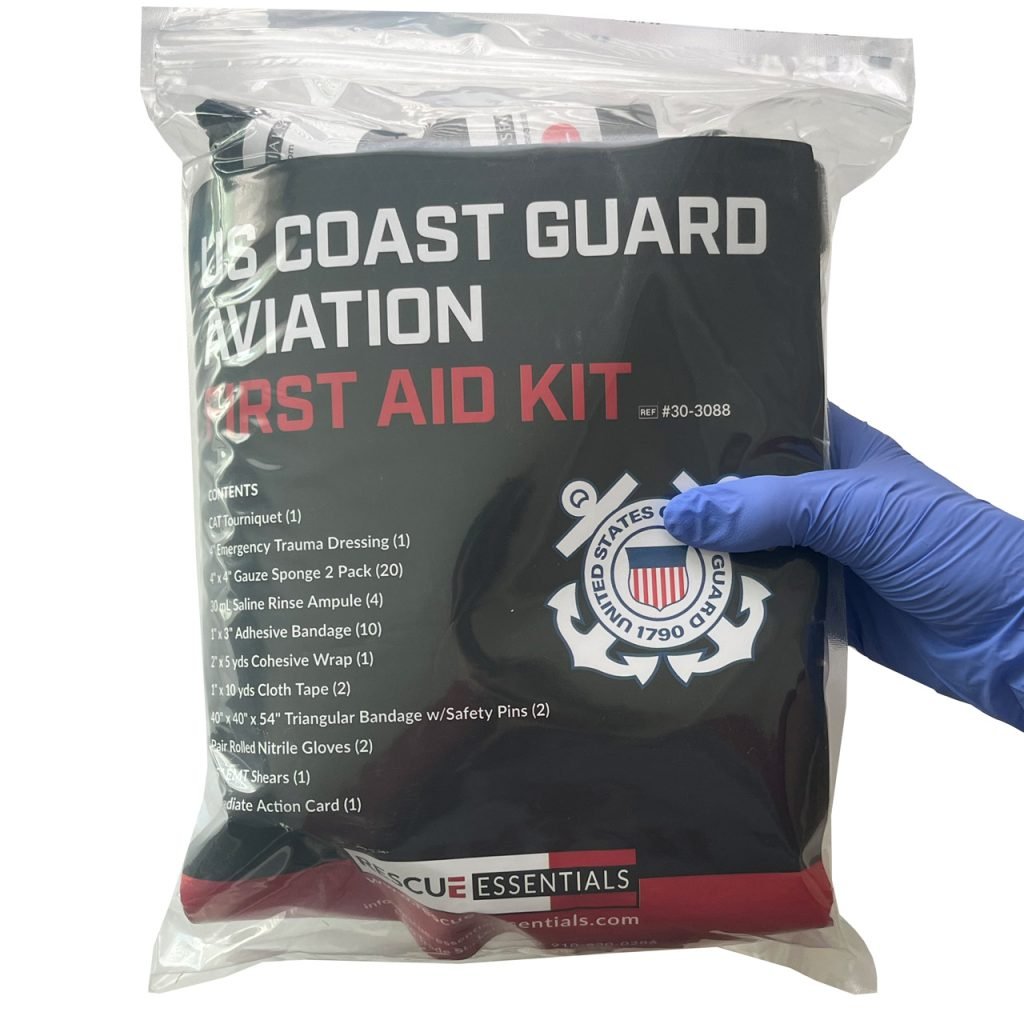
Slips on wet decks, fish hook injuries, engine contact burns, and unexpected seasickness are all common hazards of time on the water—and when you're miles from the nearest emergency room, a well-stocked first aid kit is often the only line of defense between a minor injury and a life-threatening situation. As of 2026, U.S. Coast Guard (USCG) regulations require all recreational and commercial vessels operating in U.S. waters to carry a USCG approved first aid kit, but compliance is only half the equation: a properly selected, stored, and maintained kit can mean the difference between a quick recovery and a catastrophic outcome for you or your passengers.
This guide breaks down exactly what makes a kit USCG compliant, what supplies it needs, how to choose the right one for your boat, and how to keep it ready for any emergency on the water.
Why USCG Approval Is Non-Negotiable for Boaters
USCG approval isn’t just a bureaucratic checkbox—it’s a guarantee that your kit meets strict standards for durability, supply completeness, and suitability for the unique hazards of marine environments. Generic over-the-counter first aid kits often lack critical marine-specific supplies and use packaging that degrades quickly when exposed to saltwater, humidity, and sun, leaving you unprepared when you need it most.
Regulatory Compliance
As outlined in the latest USCG boating safety equipment mandates, all operating vessels in U.S. waters must carry a compliant first aid kit, with requirements scaling based on vessel length, passenger capacity, and whether the vessel is used for recreational or commercial purposes. Failure to carry an approved kit can result in fines of up to $1,000 for recreational boaters, and much higher penalties for commercial operators. For vessels operating beyond 3 miles from shore, additional first aid and trauma supply requirements apply to account for longer emergency response times.
Real-World Preparedness
In practice, many boaters underestimate how quickly salt spray and high humidity degrade adhesive bandages and liquid medications—kits stored in uninsulated glove compartments can have compromised supplies after a single hot summer weekend, even if they’re within their printed expiration date. USCG-approved kits are tested to withstand marine conditions, with waterproof seals, corrosion-resistant components, and supplies rated for use in high-moisture environments. A common mistake is assuming a generic camping first aid kit meets requirements, only to find its bandages are soggy and its medications spoiled after a day on the water.
What’s Inside a Compliant USCG First Aid Kit?
USCG first aid kits have two core components: mandatory minimum supplies required for all compliant kits, and optional marine-specific add-ons that address the unique injuries and hazards of boating. Requirements vary slightly by vessel type, as outlined in the table below:
| Vessel Type/Length | Minimum USCG First Aid Kit Requirement |
|---|---|
| Recreational vessels < 16 ft, non-powered | Basic kit with wound care, burn treatment, and basic pain relief supplies |
| Recreational vessels 16–40 ft, or powered vessels < 16 ft | Standard kit with expanded gauze, elastic bandages, and additional trauma supplies |
| Vessels > 40 ft, or carrying 6+ passengers | Large kit with splinting materials, extra burn care, and additional pairs of disposable gloves |
| Commercial vessels | Varies by operation type; must meet USCG subchapter-specific requirements |
Mandatory USCG Minimum Supplies
All compliant kits must include the following core items, which are tested for quality and durability:
- Adhesive bandages in 1-inch and 2-inch sizes for small cuts and abrasions
- 3×3 inch sterile gauze pads for larger wounds, such as those from propeller strikes or sharp fishing tackle
- Adhesive medical tape to secure dressings
- Antiseptic swabs to clean wounds and reduce infection risk
- Burn gel or ointment for engine contact burns, sunburn, or grill-related injuries
- 2 pairs of disposable nitrile gloves to reduce contamination risk during care
- Medical-grade scissors and blunt-tip tweezers for cutting clothing and removing debris
- Over-the-counter pain relievers (ibuprofen or acetaminophen) for headaches, muscle pain, or injury-related discomfort
- A basic first aid guide with instructions for treating common marine injuries
 A fully stocked USCG-approved kit includes both basic wound care and marine-specific emergency supplies.
Marine-Specific Add-Ons That Fill Critical Gaps
While not required for basic compliance, these supplies address the unique hazards of boating and are strongly recommended for all vessel types:
- Non-drowsy seasickness medication: Unlike standard motion sickness pills, non-drowsy formulas let you continue operating the vessel while treating nausea.
- Waterproof instant cold packs: Reduce swelling from sprains or impact injuries without leaking fluid that could damage electronics or deck surfaces.
- Emergency thermal blanket: Retains body heat even when wet, critical for treating hypothermia from cold water immersion.
- Splinting materials: Immobilize broken bones or severe sprains until emergency help arrives.
- Waterproof whistle or signal mirror: Attract help if you’re separated from the vessel or unable to radio for assistance.
- Saline wound wash: A gentler alternative to alcohol or hydrogen peroxide for cleaning deep wounds, which can damage healthy tissue.
You can also add personal supplies to your kit as needed, including prescription medications, EpiPens, glucose gel, or extra gauze for extended trips, as long as you do not remove any USCG-mandated items.
How to Choose the Right USCG-Approved First Aid Kit for Your Boat
Not all USCG-approved kits are created equal—your ideal choice depends on your vessel size, typical trip length, and the number of people you usually carry onboard. A kit that works for a solo weekend kayaker will be completely insufficient for a 10-person offshore fishing charter.
Match Kit Size to Your Use Case
For short day trips on small skiffs or pontoon boats, a compact, waterproof kit that fits in a glove compartment or under a seat is sufficient. For multi-day coastal cruises or offshore voyages, opt for a larger kit with expanded trauma supplies, extra medications, and additional cold packs. For skiffs or jon boats with limited stowage, a compact waterproof storage carrier works as an impact-resistant first aid case that fits easily under a seat or in a storage locker.
Prioritize Marine-Grade Durability
Cheap plastic first aid cases often crack in cold temperatures, and standard zippers seize up after a single season of saltwater exposure. Look for kits with UV-stable hard or soft cases, corrosion-resistant zippers or latches, and IPX7 waterproof ratings that guarantee the contents stay dry even if the case is fully submerged for 30 minutes. Avoid kits with paperboard inserts that warp when exposed to moisture.
 A waterproof, clearly labeled case protects supplies from saltwater and sun damage during storage.
Avoid Common Selection Pitfalls
Never assume a generic "camping first aid kit" is USCG compliant, even if it is labeled as water-resistant. Many lack the minimum supply counts required by the USCG, and their packaging is not tested for prolonged exposure to marine conditions. Also avoid kits with single-use hygroscopic packets (desiccant) that can degrade adhesive supplies and medications over time if not replaced regularly.
Proper Storage and Maintenance to Keep Your Kit Ready
Even the best-stocked USCG first aid kit is useless if it’s stored out of reach, damaged by the elements, or full of expired supplies. Follow these best practices to keep your kit ready for any emergency:
Accessible, Protected Storage Locations
Your primary first aid kit should be stored in a clearly marked, easy-to-reach location near the helm or main cabin, so you can access it in seconds even if the boat is moving. Avoid stashing it in lockers stacked with fishing gear, coolers, or other bulky items that block access. For overnight or multi-day trips, keep a secondary kit in the berth or below-deck cabin in case someone is injured while away from the helm.
Many boaters repurpose rugged reusable food storage containers as secondary dry storage for backup first aid supplies or temperature-sensitive medications on extended trips. Using 4-compartment sorting containers lets you separate wound care supplies, medications, and trauma items so you can find what you need in seconds during an emergency. If you frequently boat in heavy rain or spray, storing your kit inside a large waterproof storage bin adds an extra layer of protection that keeps supplies dry even if the cabin takes on water. For multi-day offshore trips, many boaters pack extra gauze, medications, and cold packs in a heavy-duty bulk storage container to keep supplies dry and secure, even in rough seas.
Avoid storing your kit near the engine, galley, or other heat sources, as high temperatures can degrade medications and adhesive supplies. If you need to keep temperature-sensitive items cool for day trips, a small insulated storage container works well to prevent heat damage.
Routine Inspection and Replacement Schedule
Perform a full inspection of your kit at least once a month, rather than just once a year. Check for:
- Expired medications, antiseptic wipes, and sterile gauze (most have a 2–3 year shelf life, but heat and humidity can shorten this significantly)
- Damaged or opened packaging that compromises sterility
- Missing or used supplies that need to be replaced immediately
- Corrosion on metal tools like scissors or tweezers
Tape a waterproof inventory list to the inside of the kit lid to make inspections faster, and replace the entire kit every 3–5 years, or sooner if it has been exposed to extreme cold, heat, or saltwater.
Using Your Kit Effectively During an Emergency
Having a fully stocked kit is only half the battle—knowing how to use it correctly can make the difference between a minor injury and a serious medical event.
Pre-Trip Preparation
Before leaving the dock, do a 2-minute check of your kit to confirm all supplies are present and in good condition. Ensure at least two people on board know where the kit is stored and how to use basic supplies like gauze, burn gel, and cold packs. The USCG and American Red Cross offer free or low-cost basic first aid and CPR training for boaters, which is strongly recommended for all vessel operators.
Step-by-Step Emergency Response
If an injury occurs, follow these USCG-recommended steps:
- Ensure the scene is safe: Shut off the engine if there is a fuel leak near the injured person, or move them to a secure area if there is a risk of further injury.
- Call for help via VHF radio on channel 16 before administering care for serious injuries, so emergency services are dispatched as soon as possible.
- Use kit supplies to stop bleeding, clean wounds, treat burns or sprains, and address hypothermia or seasickness as needed.
A common mistake to avoid: do not use alcohol wipes on deep or open wounds, as they can damage healthy tissue and delay healing. Use sterile saline wound wash or clean running water instead. If someone is experiencing a severe allergic reaction, administer an EpiPen (if you carry one as a personal add-on) immediately, then call for Coast Guard assistance.
Complementary Safety Gear to Pair With Your First Aid Kit
A USCG-approved first aid kit is just one component of a complete marine safety setup. The USCG requires all vessels to carry additional gear, including:
- A wearable personal flotation device (PFD) for every person on board
- Visual distress signals (flares or signal lights) for night or low-visibility conditions
- A fire extinguisher rated for marine use
- A sound-producing device (whistle or air horn) to signal for help
Add-on gear that works with your first aid kit to boost preparedness includes a VHF radio to call for medical evacuation, a satellite messenger if you regularly boat outside of cell service range, trauma shears for cutting clothing away from injuries, and a waterproof medical ID tag if you have a pre-existing condition like diabetes or heart disease. Always carry a 7–10 day supply of any prescription medications in a separate waterproof pouch, in case your main kit is lost or damaged.
Frequently Asked Questions
Do I need a USCG-approved first aid kit for non-powered vessels like kayaks or paddleboards?
Yes. 2026 USCG guidelines require all vessels operating in U.S. waters, including non-powered crafts under 16 feet, to carry a basic compliant first aid kit with core wound care and burn treatment supplies.
Can I add personal supplies to my USCG-approved first aid kit?
Absolutely. You can add personal medications, EpiPens, glucose gel, extra gauze, or cold packs as long as you do not remove any of the USCG-mandated minimum supplies.
How often should I inspect and replace my first aid kit?
Perform a full inspection of your kit monthly: check for expired medications, damaged sterile packaging, or degraded adhesive supplies. Replace any used or compromised items immediately, and replace the entire kit every 3–5 years, or sooner if it has been exposed to extreme heat, cold, or saltwater.
What’s the difference between a USCG-approved kit and a generic camping first aid kit?
USCG-approved kits meet strict minimum supply counts, use marine-grade waterproof and corrosion-resistant packaging, and include supplies tailored to boating-specific injuries (e.g., burn gel for engine contact, non-drowsy seasickness medication). Generic camping kits often lack these items and are not tested for durability in saltwater, high-humidity marine environments.
Do I need a separate first aid kit for offshore or multi-day trips?
For trips more than 3 miles from shore, or voyages longer than 24 hours, the USCG recommends carrying a larger kit with expanded trauma supplies, plus a separate waterproof pouch with personal medications and critical items in case the main kit is lost or damaged.
Conclusion
A USCG-approved first aid kit is far more than a box to check off for regulatory compliance—it’s a critical piece of safety gear that can save lives when emergency medical help is 30 minutes or more away. By selecting a kit tailored to your vessel and crew, storing it in an accessible, protected location, and inspecting it regularly, you’ll be prepared to handle everything from minor cuts to serious trauma on the water.
Pairing your kit with basic first aid and CPR training will further boost your readiness. Before your next trip, take 10 minutes to check your kit’s inventory, expiration dates, and storage location—this small step can make all the difference for you and everyone on board.

I’m Abby Lu, a passionate home cook who loves simplifying everyday meals. At PlugChef.com, I share product reviews and cooking guides to help you find the best tools for your kitchen.
Related posts:
 Chicken Salad Recipe With Cucumbers: Refreshing & Easy to Make
 Reheat Ham Slices in Oven: Easy Tips for Juicy, Perfect Results
 Upside Down Apple Cranberry Cake: Irresistibly Delicious & Easy Recipe
 Chicken Breast With Parchment Paper: Easy, Juicy, and Healthy Recipe
 How to Use Apple Peels: Creative Ideas to Reduce Waste and Save
 French Toast With Challah Bread: Irresistibly Fluffy & Sweet Recipe

