
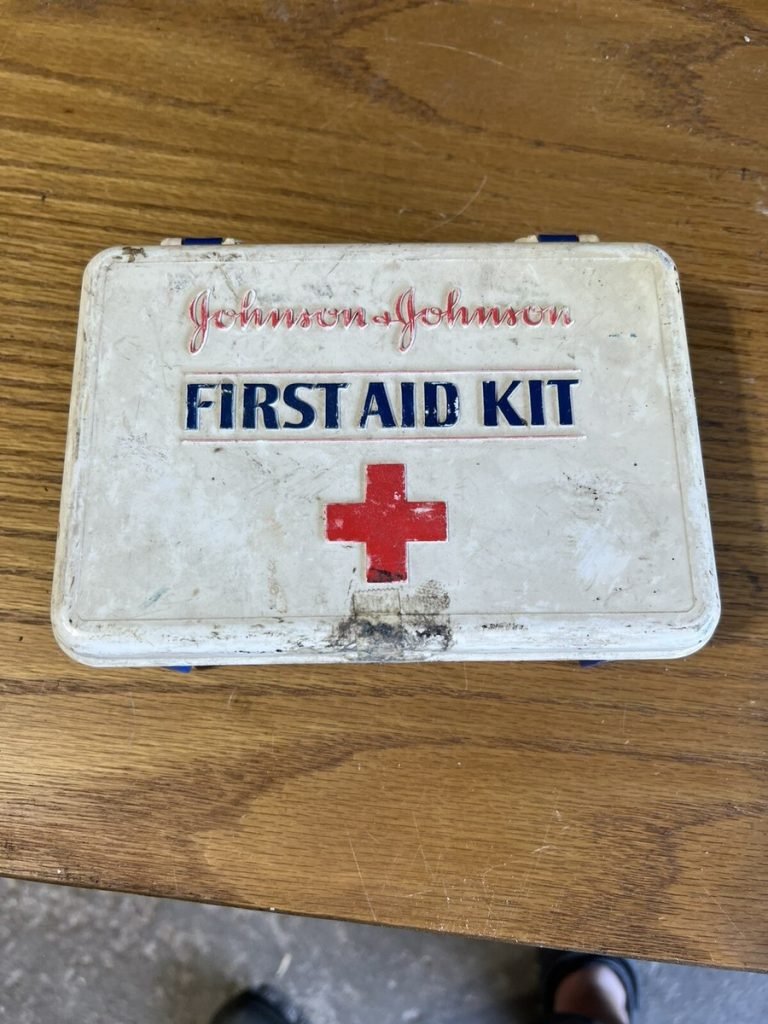
Have you ever wondered what it’s like to own a piece of history that also offers practical value? The Vintage Johnson and Johnson First Aid Kit is more than just a collection of old medical supplies—it’s a glimpse into the past that could surprise you.
Whether you’re a collector, a history lover, or someone who appreciates well-made, reliable products, this kit holds a special charm. You’ll discover why this vintage first aid kit stands out, what makes it unique, and how it can add character to your home or collection.
Ready to explore something both nostalgic and useful? Let’s dive in.
History Of Johnson And Johnson First Aid Kits
The history of Johnson and Johnson First Aid Kits reveals more than just a timeline—it shows how preparedness and care became accessible to everyday people. These kits have been part of countless households and workplaces, quietly making a difference in emergencies. Understanding their past helps you appreciate the design and contents that protect you today.
Origins And Evolution
Johnson and Johnson introduced their first aid kits in the late 19th century, aiming to bring sterile medical supplies to the public. Back then, infections from minor injuries were a serious risk, so the company focused on clean, ready-to-use bandages and antiseptics. Over time, the kits evolved to include a wider range of supplies, reflecting advances in medical knowledge and user needs.
Think about your own first aid kit—does it have everything you need? The original Johnson and Johnson kits set a standard by including essentials like adhesive bandages, gauze pads, and antiseptic wipes, many of which remain staples today. This thoughtful selection makes it easier for you to handle common injuries quickly and safely.
Popularity And Impact
Johnson and Johnson First Aid Kits quickly gained popularity because they were reliable and easy to use. Their presence in homes, schools, and workplaces helped reduce complications from injuries by encouraging prompt treatment. This widespread use changed how people viewed first aid—not as something only for professionals, but as a skill and resource everyone should have.
Have you noticed how many different versions of first aid kits are now available? The success of Johnson and Johnson’s kits inspired many variations tailored to specific needs, such as travel, sports, or camping. This shows how their impact goes beyond the original product, influencing how you prepare for emergencies in your daily life.

Credit: www.ebay.com
Design And Features Of Vintage Kits
The design and features of vintage Johnson and Johnson first aid kits reveal much about the era they were made in. These kits were built not just for function but also durability and style. Understanding their design helps you appreciate why they remain collectible and useful even today.
Materials And Construction
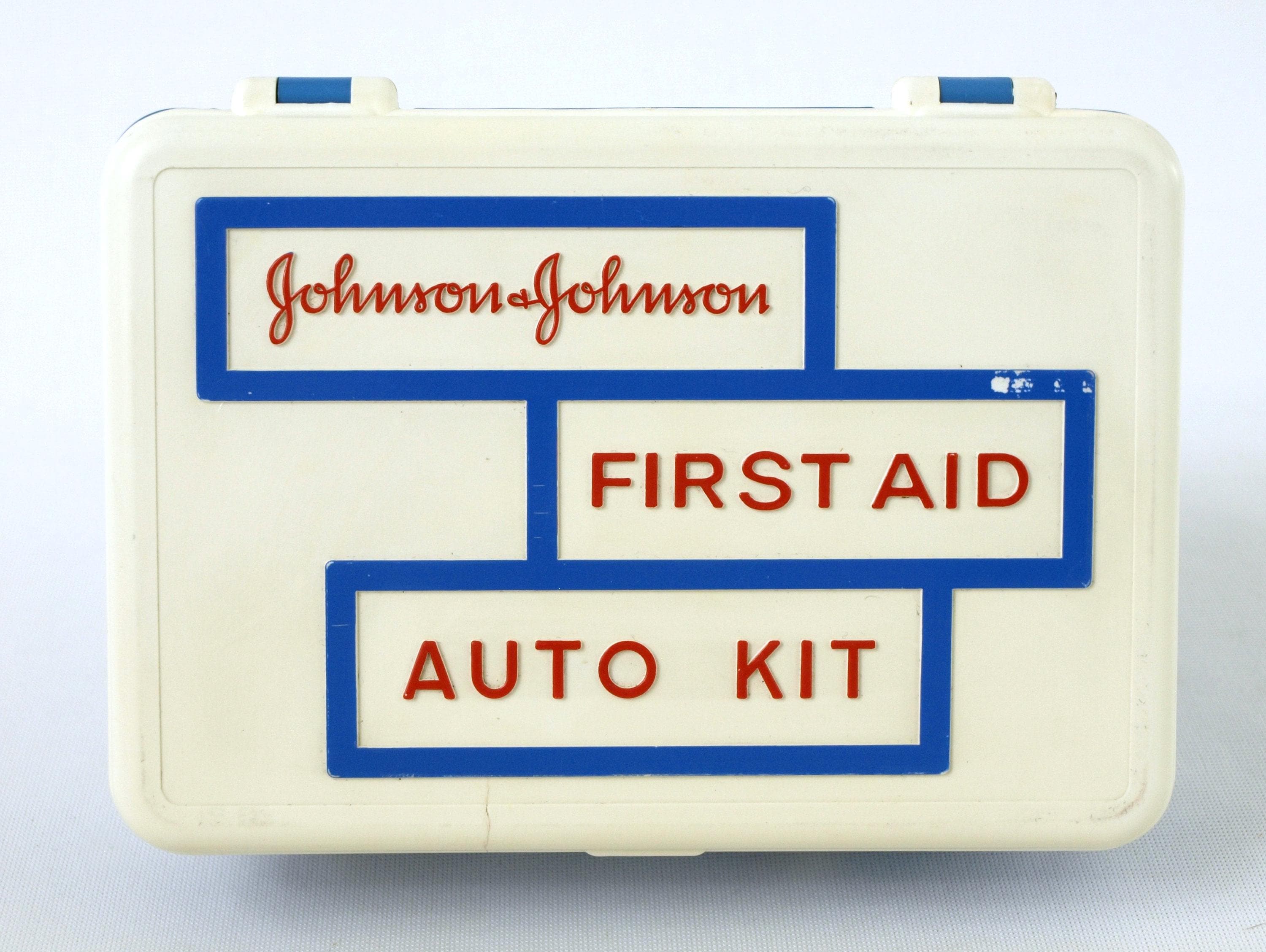
Vintage Johnson and Johnson kits often used sturdy metal or thick plastic cases. These materials protected the contents well and stood up to rough handling. The metal cases sometimes had a smooth enamel finish that resisted rust and made cleaning easy.
The interior was thoughtfully arranged with compartments or elastic straps to keep bandages and tools in place. This careful construction meant you could grab what you needed quickly during an emergency. Have you noticed how modern kits sometimes lack this kind of attention to detail?
Iconic Design Elements
One standout feature is the classic red cross logo prominently displayed on the lid. This symbol made the kit instantly recognizable and reassured users of its medical purpose. The logo was often embossed or printed in a way that wouldn’t fade over time.
Many vintage kits included a metal latch or clasp that clicked securely shut, giving a satisfying sense of reliability. The compact, rectangular shape fit easily on a shelf or in a glove compartment, blending practicality with a timeless look. How often do you come across designs that stay relevant for decades?
Contents And Their Uses
The Vintage Johnson and Johnson First Aid Kit holds more than just nostalgic value. Its carefully selected contents reflect a time when first aid was straightforward yet effective. Understanding what’s inside and how each item serves a purpose can help you appreciate its practical design and even inspire you to create your own reliable kit.
Common Items Found
- Adhesive Bandages:Various sizes for cuts and scrapes.
- Gauze Pads:For covering larger wounds and absorbing blood.
- Antiseptic Cream or Ointment:To prevent infection in minor wounds.
- Medical Tape:To secure bandages and gauze in place.
- Scissors:Compact and sharp for cutting tape or dressings.
- Tweezers:For removing splinters or debris.
- Alcohol Prep Pads:Used to clean the skin before applying bandages.
- Safety Pins:Handy for fastening bandages or slings.
Purpose Of Each Component
Every item in this kit has a clear, practical use that addresses common injuries. Adhesive bandages protect small cuts from dirt and bacteria, speeding up healing. Gauze pads offer a breathable barrier for bigger wounds, reducing the risk of infection.
Antiseptic creams kill germs at the injury site, which is crucial to avoid complications. Medical tape keeps dressings secure without restricting movement. Scissors and tweezers are tools that let you handle wounds carefully—cutting tape to fit or removing harmful materials.
Alcohol prep pads sanitize the skin quickly, reducing infection risk before applying dressings. Safety pins may seem old-fashioned, but they’re great for emergencies when you need to fix or adjust bandages fast. Have you ever thought about how these simple items can make a big difference in a stressful situation?
Collecting Vintage First Aid Kits
Collecting vintage first aid kits offers a glimpse into medical history. These kits show how people treated injuries in the past. Vintage Johnson and Johnson first aid kits are popular among collectors. They represent quality and trust from a well-known brand. Each kit tells a story of care and safety from years ago.
Why Collectors Value Them
Collectors love vintage kits for their design and history. The old packaging often features unique logos and artwork. Kits from Johnson and Johnson are known for durability and neat organization. Many kits still contain original bandages and tools. These items provide a sense of authenticity. The kits also reflect changes in medical technology over time. They connect collectors to a simpler, yet important, time in healthcare.
Tips For Collecting
- Check the kit’s condition carefully before buying.
- Look for original contents inside the kit.
- Research the kit’s age and model number.
- Store kits in a dry, cool place to avoid damage.
- Collect different styles and sizes for variety.
- Join collector groups to share knowledge and find rare kits.
The Role In Modern First Aid Practices
The Vintage Johnson and Johnson First Aid Kit holds a special place in modern first aid practices. It shows how early health care tools shaped today’s emergency care. This kit offers insights into basic wound care and safety. It reminds us that simple, reliable supplies remain important for treating injuries.
Many items from the vintage kit are still useful. Bandages, antiseptics, and splints laid the foundation for modern first aid. Understanding these tools helps people appreciate current medical advances. The kit also teaches the value of being prepared for minor accidents.
Legacy In Contemporary Health Care
The vintage kit influenced how first aid kits are designed today. Its compact size and organized layout set a standard. Health care providers and emergency responders use similar principles now. The kit’s contents inspired the inclusion of essential items in modern packs.
Many first aid concepts started with these early kits. Cleanliness, quick response, and easy access to supplies remain key. The vintage kit represents early efforts to prevent infection and manage wounds effectively. It paved the way for safer, more effective care.
Adapting Old Techniques
Some techniques from the vintage kit are still taught in first aid courses. Basic wound cleaning and dressing methods have not changed much. These approaches protect wounds and reduce infection risks. Modern first aid builds on these tried-and-true practices.
New materials and products replace older ones but follow the same principles. For example:
- Antiseptic lotions have safer, more effective formulas.
- Bandages now use advanced adhesives and breathable fabrics.
- Splints come in lightweight, flexible designs.
These updates improve comfort and healing but keep the original goals. The vintage kit’s lessons guide the balance between tradition and innovation in first aid.

Credit: www.ebay.com
Preservation And Care
Preserving a vintage Johnson and Johnson first aid kit requires careful attention. These kits hold historical value and charm. Proper care keeps their condition intact and prevents damage. Preservation helps maintain their look and function over time. Follow simple steps to protect your kit and enjoy it for years.
Maintaining Condition
Check the kit regularly for dust and dirt. Use a soft, dry cloth to clean the surface gently. Avoid harsh chemicals or water, which can damage materials. Keep the metal parts free from rust by wiping them carefully. If fabric parts are present, use a low-suction vacuum to remove dust. Handle the kit with clean hands to prevent oils from causing stains. Repair small tears or loose parts early to avoid bigger damage. Keep fragile items inside well supported to reduce wear.
Storing And Displaying
Store the kit in a cool, dry place away from direct sunlight. Light and heat can fade colors and weaken materials. Use acid-free tissue paper inside to protect contents from moisture. Choose a display case with UV-protective glass for visible storage. Ensure the case has good ventilation to prevent mold buildup. Place the kit away from high humidity areas like bathrooms or kitchens. Avoid stacking heavy objects on top to keep its shape. Rotate the kit occasionally if displayed to reduce exposure to light on one side.
Influence On Modern Kit Design
The Vintage Johnson and Johnson First Aid Kit holds a special place in the history of medical supplies. Its design principles still influence how modern first aid kits are made. The balance of portability, practicality, and clear organization set a standard. These kits show how simplicity can meet effectiveness, guiding today’s designs.
Lessons From Vintage Kits
Vintage kits teach the value of compactness. They fit essential items into small, sturdy cases. This approach saves space and makes carrying easy. Clear labeling helped users find items fast. Each tool had a specific place, reducing confusion during emergencies. The choice of durable materials ensured long-lasting use. These features remain key in modern kits.
Innovations Inspired By Tradition
Modern kits build on vintage ideas with new materials. Lightweight plastics replace heavy metal boxes, keeping cases easy to carry. Transparent compartments improve item visibility without opening every section. Modular designs allow users to customize contents for different needs. The focus on quick access and clear instructions reflects vintage values. Technology also adds sterile, single-use items that increase safety. These updates enhance the user experience while honoring the original concepts.
Credit: www.etsy.com
Frequently Asked Questions
What Makes Vintage Johnson And Johnson First Aid Kits Special?
Vintage Johnson and Johnson first aid kits are collectible due to their historical design. They often contain original medical supplies and packaging, reflecting early 20th-century healthcare. Their rarity and nostalgic value make them unique for collectors and vintage enthusiasts.
How Can I Identify An Authentic Vintage Johnson And Johnson Kit?
Look for original branding, logos, and packaging style typical of early Johnson and Johnson products. Check for age indicators like materials used and manufacturing dates. Authentic kits often include classic medical supplies consistent with the era.
Are Vintage Johnson And Johnson First Aid Kits Still Usable?
Most vintage kits are not recommended for medical use due to expired or deteriorated supplies. They are best kept as collectibles or decorative items. Always replace old contents with modern, sterile supplies if planning to use one.
Where Can I Buy Vintage Johnson And Johnson First Aid Kits?
You can find vintage kits on online auction sites, vintage stores, or specialty collector markets. Check trusted sellers to ensure authenticity. Prices vary depending on condition, rarity, and completeness of the kit.
Conclusion
Vintage Johnson and Johnson first aid kits hold a special place in history. They show how people cared for health long ago. Collectors and history fans find these kits valuable and interesting. Each item tells a story of past safety and care.
Owning one connects us to earlier times. These kits remind us of simple, trusted medical tools. They keep memories alive and teach us about old health practices. A vintage kit is more than just supplies—it’s a piece of history. Treasure it for its charm and meaning.

I’m Abby Lu, a passionate home cook who loves simplifying everyday meals. At PlugChef.com, I share product reviews and cooking guides to help you find the best tools for your kitchen.
Related posts:
 What Type of Cooking Utensils are Safe: Expert Picks
 What Innovations Could Blenders Make: Unleashing Future Tech
 Smart Strategies to Organize a Small Kitchen: Maximize Space
 How to Organize a Kitchen Cabinet: Expert Tips & Tricks
 How to Organize Kitchen Drawers: Expert Tips and Tricks
 How to Organize a Corner Kitchen Cupboard: Expert Tips

