
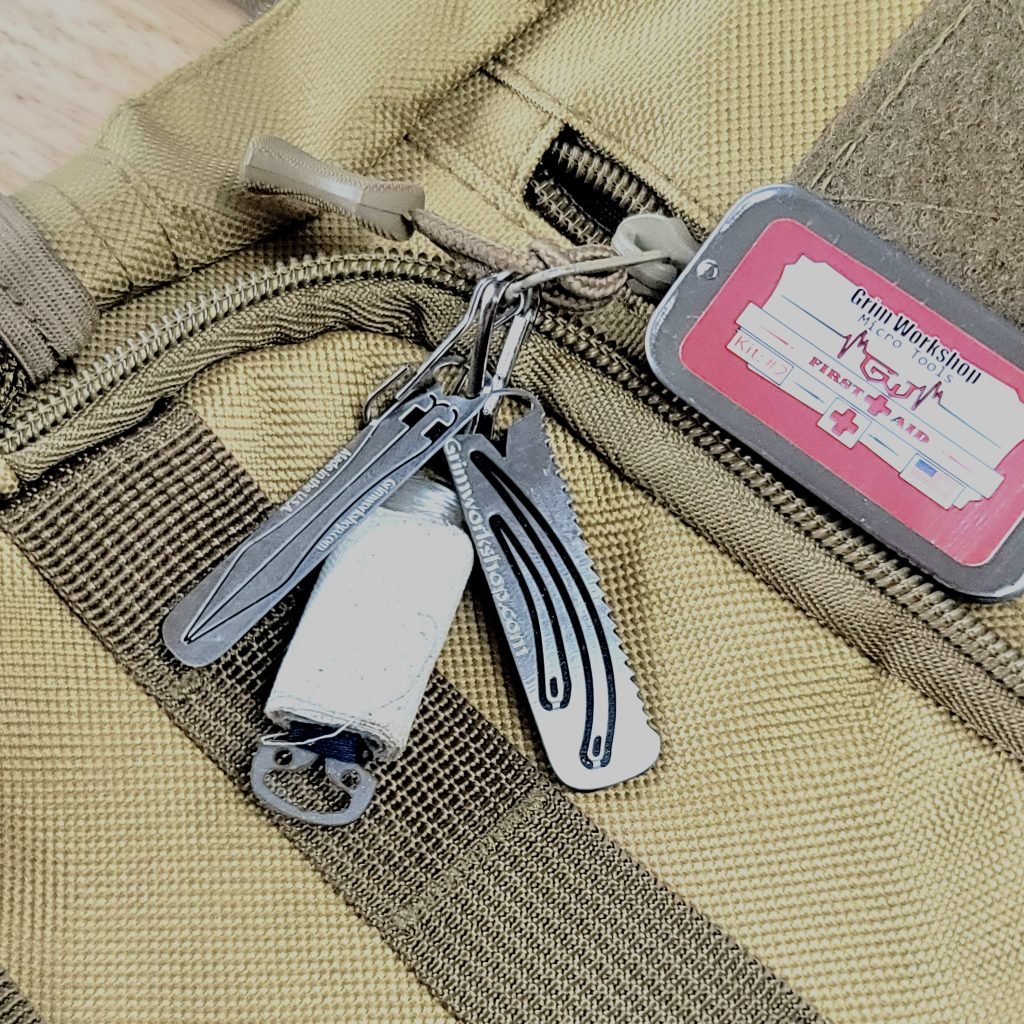
Imagine having the power to handle small injuries and emergencies wherever you go. Your Everyday Carry First Aid Kit is more than just a box of supplies—it’s your personal safety net.
Whether you’re at work, out for a hike, or just running errands, being prepared can make all the difference. You’ll discover exactly what to include in your kit and how it can protect you and those around you. Keep reading to learn how easy it is to stay ready for the unexpected.
Compact First Aid Kit Basics
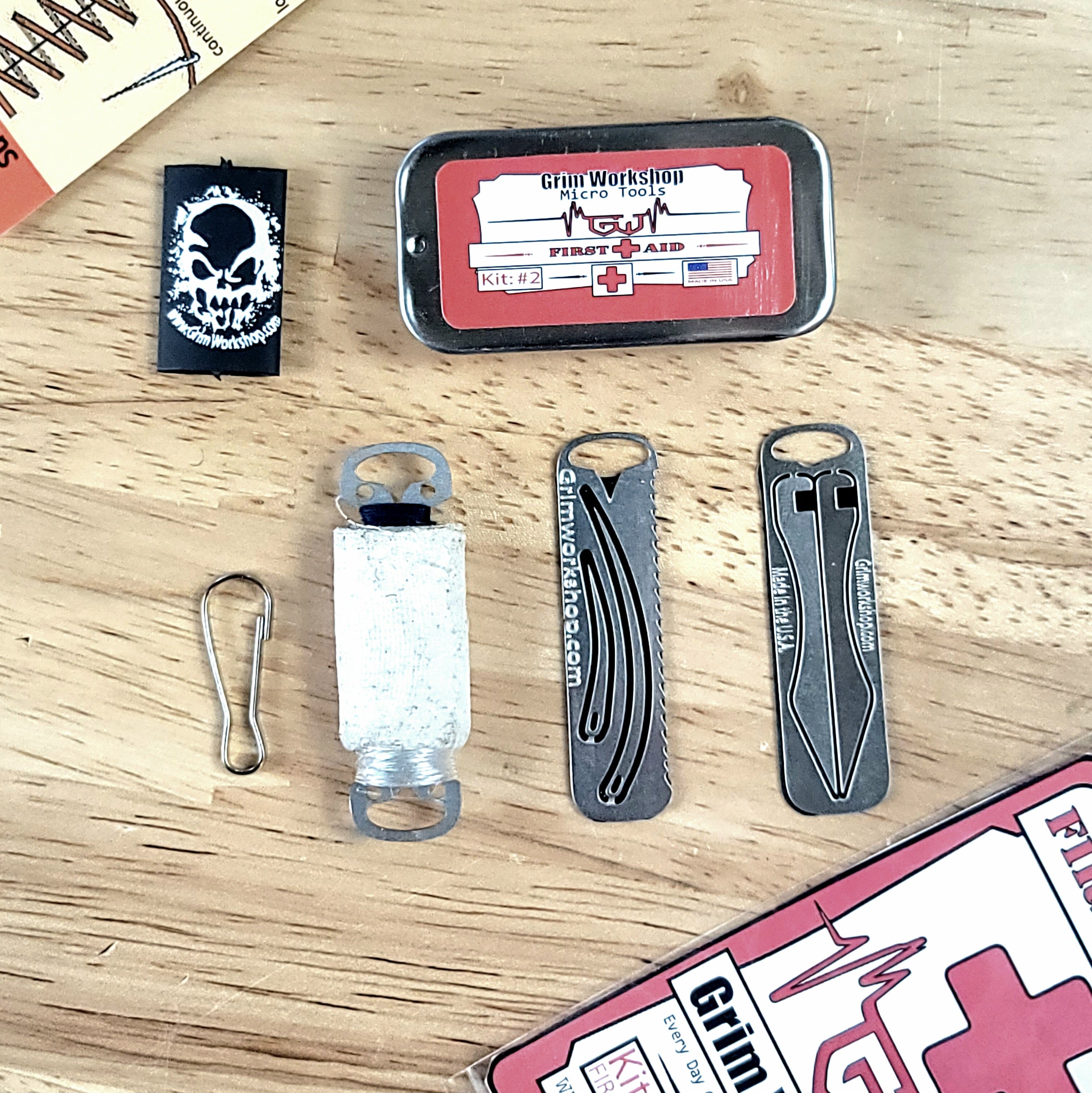
Having a compact first aid kit on hand can make a huge difference during unexpected injuries or emergencies. These kits are designed to be small and lightweight, yet packed with essential supplies that help you act quickly. Understanding the basics of what makes a first aid kit both compact and effective is key to being prepared without carrying extra bulk.
Key Features Of Portable Kits
A compact first aid kit should include essential items without overwhelming space. Look for kits that offer:
- Size and weight:Small enough to fit in your bag or pocket but sturdy enough to protect contents.
- Organized compartments:Separate sections or pouches to quickly find what you need.
- Basic supplies:Bandages, antiseptic wipes, adhesive tape, gauze, and a few pain relievers.
- Durable case:Water-resistant and impact-resistant to keep supplies safe.
When I carried a compact kit during a hiking trip, the organized layout helped me quickly treat a minor cut without wasting time searching for supplies. Have you ever struggled to find a bandage when it was needed most?
Importance Of Accessibility
Accessibility means your first aid kit should be easy to reach and open, especially in stressful moments. If you have to dig through a bag or struggle with zippers, valuable seconds are lost.
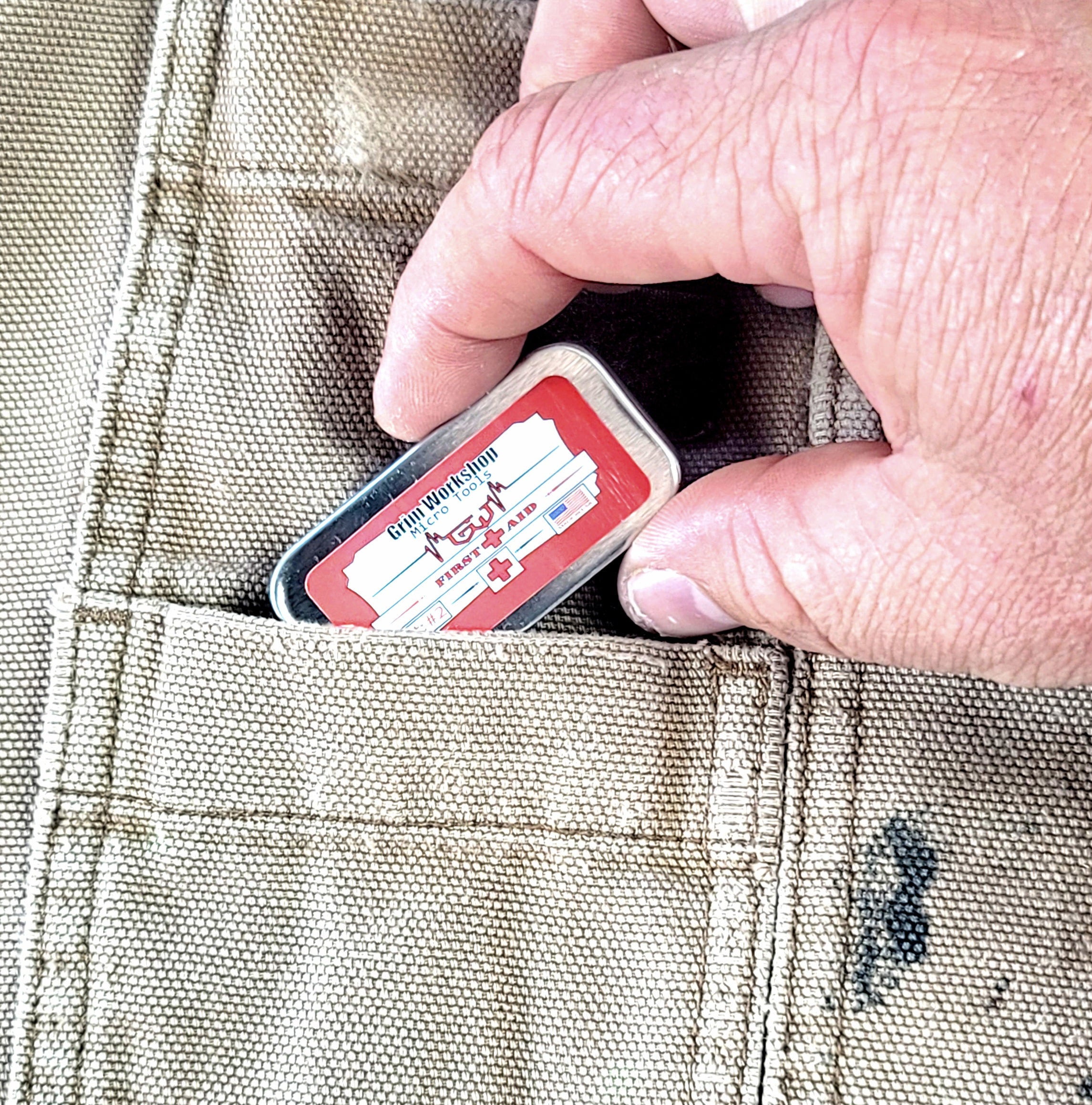
Consider keeping your kit in a consistent, easy-to-remember place. Whether it’s clipped to your belt, inside your car glove box, or in your backpack’s front pocket, accessibility ensures you won’t hesitate to use it.
Think about your daily routine: where would you place a compact first aid kit so it’s always within reach? This simple step can make all the difference when an accident happens.
Credit: grimworkshop.com
Essential Items For Minor Injuries
An Everyday Carry (EDC) First Aid Kit should have key items for minor injuries. These help you manage small cuts, scrapes, and bruises fast. Keeping your kit stocked ensures you can treat wounds and avoid infection.
Minor injuries need quick and simple care. The right supplies stop bleeding, clean wounds, and protect skin. This section highlights the must-have items for any EDC First Aid Kit.
Bandages And Dressings
Bandages cover small cuts and scrapes to keep dirt out. They help stop bleeding and protect the injury while it heals. Dressings absorb fluids and protect larger wounds.
- Adhesive bandages in various sizes
- Sterile gauze pads for bigger cuts
- Elastic bandages for sprains or support
- Butterfly closures to close small wounds
Choose bandages that stay secure and are easy to apply. Keep extra supplies for unexpected injuries.
Antiseptic Wipes And Creams
Cleaning wounds prevents infection and speeds healing. Antiseptic wipes remove dirt and germs quickly. Antiseptic creams or ointments protect wounds after cleaning.
- Alcohol or iodine wipes for fast disinfection
- Antibiotic ointments to prevent infection
- Hydrocortisone cream to reduce itching and irritation
Use antiseptics gently. Avoid harsh chemicals on sensitive skin.
Tools For Emergency Situations
Tools in an Everyday Carry First Aid Kit prepare you for sudden injuries. They help you act fast and keep wounds clean. A small, well-chosen set of tools can make a big difference in an emergency.
Tweezers And Scissors
Tweezers remove splinters, glass, or dirt from cuts quickly. They help prevent infection by cleaning small wounds. Choose tweezers with a pointed tip for precision.
Scissors cut gauze, tape, or clothing around injuries. Compact scissors with sharp blades are ideal for quick and clean cuts. They work well for trimming bandages to fit any wound size.
Cpr Face Shield
A CPR face shield protects both you and the victim during rescue breaths. It creates a barrier against germs and fluids. The shield is small, lightweight, and easy to carry.
Using a face shield can make CPR safer and more effective. Keep it in your kit for emergency situations that need immediate help.
Credit: grimworkshop.com
Medication And Pain Relief
Medication and pain relief are essential parts of any Everyday Carry First Aid Kit. They help manage minor injuries and reduce discomfort quickly. Choosing the right medications ensures readiness for common issues like headaches, muscle pain, or allergies. Keeping these items compact and accessible makes a big difference in emergencies.
Over-the-counter Options
Over-the-counter medicines are easy to find and effective for many problems. Some must-have items include:
- Pain relievers like ibuprofen or acetaminophen for headaches and aches.
- Antihistamines to ease allergic reactions and itching.
- Antacids for quick relief from upset stomachs.
- Topical creams to soothe minor burns or insect bites.
These options provide fast relief and are safe if used as directed. Always check expiration dates and replace expired items regularly.
Personal Prescriptions
Personal prescriptions suit specific health needs and must be included carefully. Examples are:
- Asthma inhalers for breathing issues.
- Epipen for severe allergic reactions.
- Any daily medications important for chronic conditions.
Store prescriptions in their original packaging with clear labels. Make sure to carry enough supply for the day and update it as needed. Never share prescription medicines with others.
Specialty Items For Outdoor Enthusiasts
Outdoor adventures bring unique risks. A basic first aid kit might not cover all emergencies. Specialty items help tackle specific outdoor challenges. These items increase safety and comfort during hikes, camping, or fishing trips.
Snake Bite Kit
Snake bites require quick response. A snake bite kit is a must for many outdoor areas. It usually contains:
- A suction device to remove venom
- Antiseptic wipes to clean the wound
- A pressure bandage to slow venom spread
- Instructions for emergency care
Knowing how to use these tools can save lives. Always seek medical help immediately after a bite.
Blister Treatment Supplies
Blisters cause pain and slow you down. Treating them early prevents infection and discomfort. A good kit includes:
- Antibiotic ointment
- Blister pads or moleskin
- Adhesive bandages
- Sterile gauze
Apply these supplies at the first sign of a blister. Proper care keeps your feet healthy on long trails.
Storage And Organization Tips
Proper storage and organization of your everyday carry first aid kit help you find supplies fast. It keeps items safe and ready for use at any time. A well-organized kit also prevents damage and loss of essential items.
Use smart storage solutions to keep your kit compact and easy to carry. Organize supplies by type and frequency of use. This approach saves time and reduces stress during emergencies.
Waterproof Containers
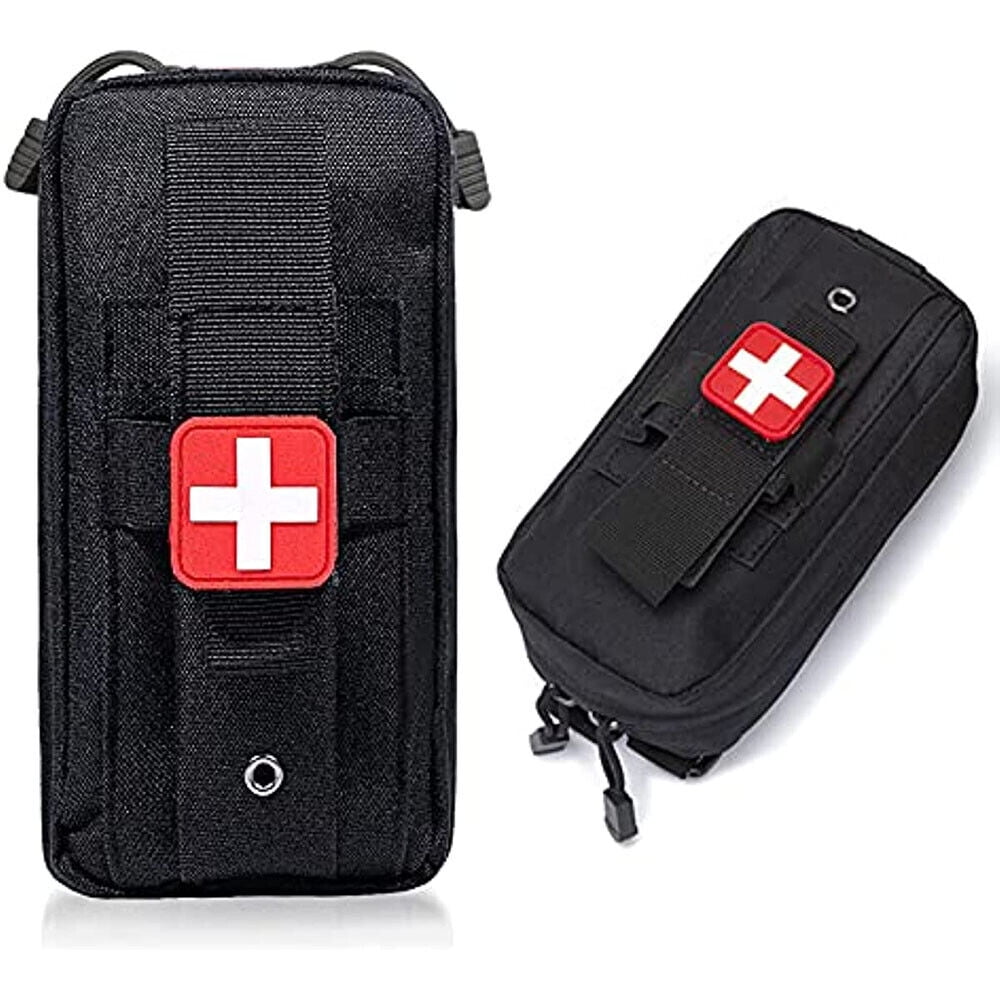
Choose containers that protect your supplies from water and moisture. Waterproof cases prevent bandages and medications from getting soggy. Look for durable plastic or silicone boxes with tight seals.
Small waterproof pouches work well for pills and ointments. Clear containers allow quick checking without opening. Keep the container lightweight and compact for easy carrying.
Labeling And Inventory Management
Label each section or container clearly to avoid confusion. Use simple words and large fonts for easy reading. Group items by purpose, such as wound care, pain relief, or allergy treatment.
Keep a checklist of all items inside your kit. Update it regularly to replace used or expired supplies. This habit ensures your first aid kit stays complete and effective at all times.
Customizing Your Kit
Customizing your Everyday Carry First Aid Kit ensures it meets your unique needs and situations. A one-size-fits-all approach rarely works well when it comes to emergencies. Tailoring your kit can make a real difference in how effectively you handle unexpected injuries or illnesses.
Considerations For Personal Needs
Think about your health conditions and those of people you often spend time with. Do you have allergies that require antihistamines or an EpiPen? Including medication specific to your needs can be lifesaving.
Also, consider your daily activities. If you’re often outdoors, adding insect bite treatments or blister pads might be necessary. On the other hand, if you work in an office, items like adhesive bandages and antiseptic wipes could be more useful.
Ask yourself: What minor injuries do I commonly face? Tailor your kit with those in mind. This personalization ensures you don’t waste space on unnecessary items, making your kit lighter and more efficient.
Adjusting For Seasonal Changes
Seasons affect the types of injuries or ailments you might encounter. During winter, frostbite and cold-related issues rise, so adding hand warmers or lip balm can help. Summer calls for sunburn relief and extra insect repellents.
Consider humidity and temperature changes too. High heat increases the risk of dehydration, so including oral rehydration salts or electrolyte tablets can be smart. In colder months, adding extra gauze and thicker bandages might help wounds heal better.
Do you change your outdoor habits with the seasons? Let your kit reflect those changes to stay prepared year-round.
Maintaining Your First Aid Kit
Maintaining your Everyday Carry First Aid Kit ensures it stays ready for emergencies. A well-kept kit can make a big difference during unexpected injuries or health issues. Regular care helps keep supplies fresh, organized, and effective.
Regular Checks And Replenishment
Check your first aid kit every month. Look for used or missing items and replace them promptly. Keep the kit clean and dry to avoid damage. Organize supplies so you find them easily in an emergency. Use a checklist to track what you have and what you need.
Updating Expired Items
Check the expiration dates on all products regularly. Medicines, ointments, and sterile items lose effectiveness after expiry. Replace any expired items immediately to ensure safety. Mark the date of replacement on your checklist. This practice keeps your kit reliable and safe to use.
Credit: www.walmart.com
Frequently Asked Questions
What Items Are Essential In An Everyday Carry First Aid Kit?
An everyday carry first aid kit should include bandages, antiseptic wipes, adhesive tape, tweezers, pain relievers, and allergy medication. These items help manage minor injuries and emergencies efficiently while on the go.
How Do I Choose The Best Size For My First Aid Kit?
Choose a compact kit that fits your lifestyle and daily activities. It should be small enough to carry easily yet contain all necessary supplies for common emergencies.
Can I Customize My Everyday Carry First Aid Kit?
Yes, customize your kit based on personal needs, allergies, and common risks. Adding specific medications or tools ensures you are prepared for your unique situations.
How Often Should I Check And Replace First Aid Supplies?
Check your kit every three to six months. Replace expired or used items promptly to ensure all supplies remain effective and ready for use.
Conclusion
Carrying a first aid kit every day keeps you ready for small emergencies. It fits easily in your bag or pocket. Simple supplies can treat cuts, burns, or insect bites fast. Being prepared helps you stay calm and act quickly.
Always check and restock your kit after use. Small effort, big peace of mind. Stay safe wherever you go.

I’m Abby Lu, a passionate home cook who loves simplifying everyday meals. At PlugChef.com, I share product reviews and cooking guides to help you find the best tools for your kitchen.
Related posts:
 What Type of Cooking Utensils are Safe: Expert Picks
 What Innovations Could Blenders Make: Unleashing Future Tech
 Smart Strategies to Organize a Small Kitchen: Maximize Space
 How to Organize a Kitchen Cabinet: Expert Tips & Tricks
 How to Organize Kitchen Drawers: Expert Tips and Tricks
 How to Organize a Corner Kitchen Cupboard: Expert Tips

